
Lamborghini Museum in Italy. Part 3
The Final Part of the Museum Walk
Closing this virtual walk through the Lamborghini Museum in Sant’Agata Bolognese, Part 3 brings the series to its final chapter. In Part 1, I focused mainly on the historic cars that were on display during my visit. Later, in Part 2, the attention shifted to the models that were dream cars for many enthusiasts growing up.
Now the series reaches its last section. Here, the focus turns to concepts and limited-production models. In other words, this is the part of the museum where Lamborghini becomes especially bold, experimental, and theatrical.
Murcielago Special Versions
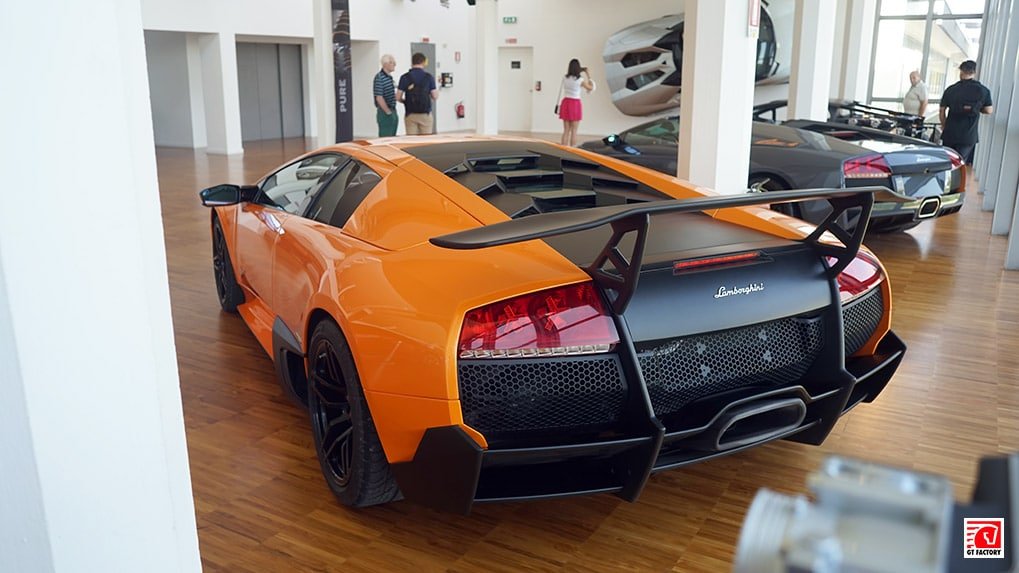
I began this part of the visit with the Lamborghini Murcielago LP 670-4 SV. Revealed at the 2009 Geneva Motor Show, it used a more powerful 670 hp engine. Compared with the LP 640-4, it was also lighter by around 100 kg. Much of that reduction came from lighter suspension components, carbon fiber body parts, and simplified interior details. As a result, acceleration to 100 km/h improved to 3.2 seconds.
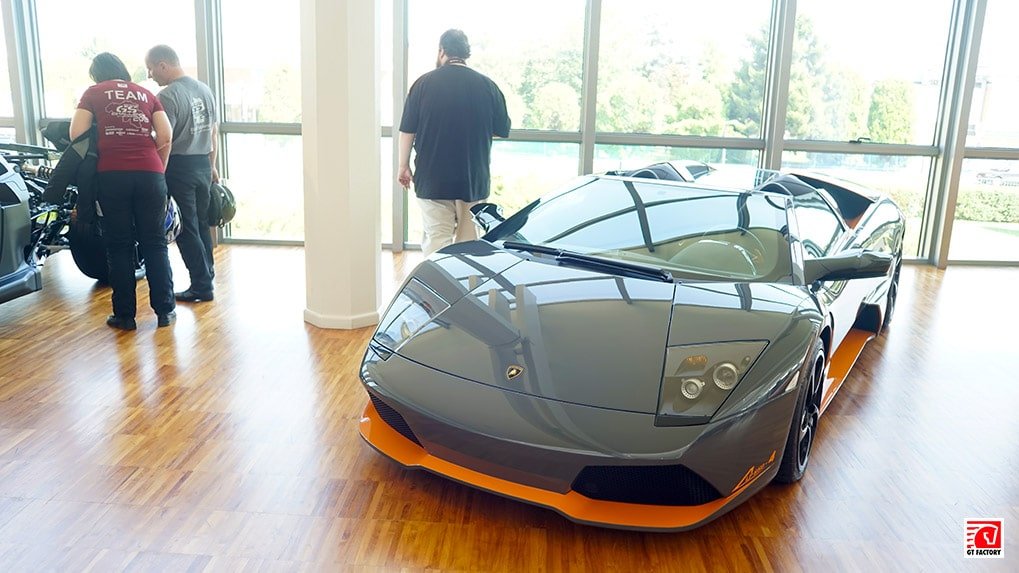
Next came the Murcielago LP 650-4 Roadster. Introduced in March 2009, this version was limited to just 50 cars. Visually, it stood out through its bright orange and gray color combination. Meanwhile, its 650 hp engine and all-wheel drive allowed a 0 to 100 km/h time of 3.5 seconds.
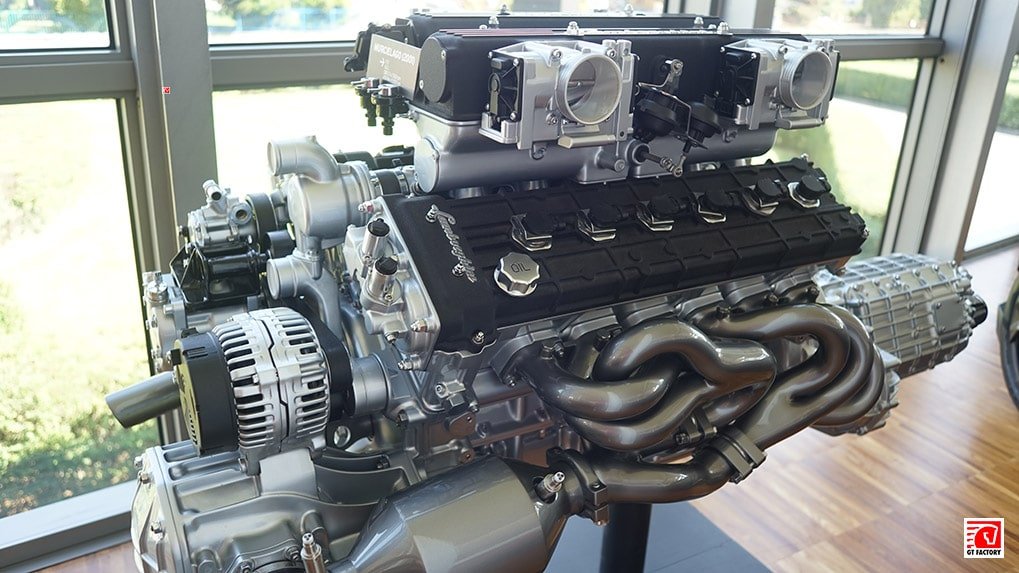
Also on display was an early Murcielago engine from 2001. Back then, it was the first engine fitted to the Murcielago at the start of production. Output reached 580 hp at 7,500 rpm, while torque peaked at 666 Nm at 5,500 rpm.
Sesto Elemento and Reventon
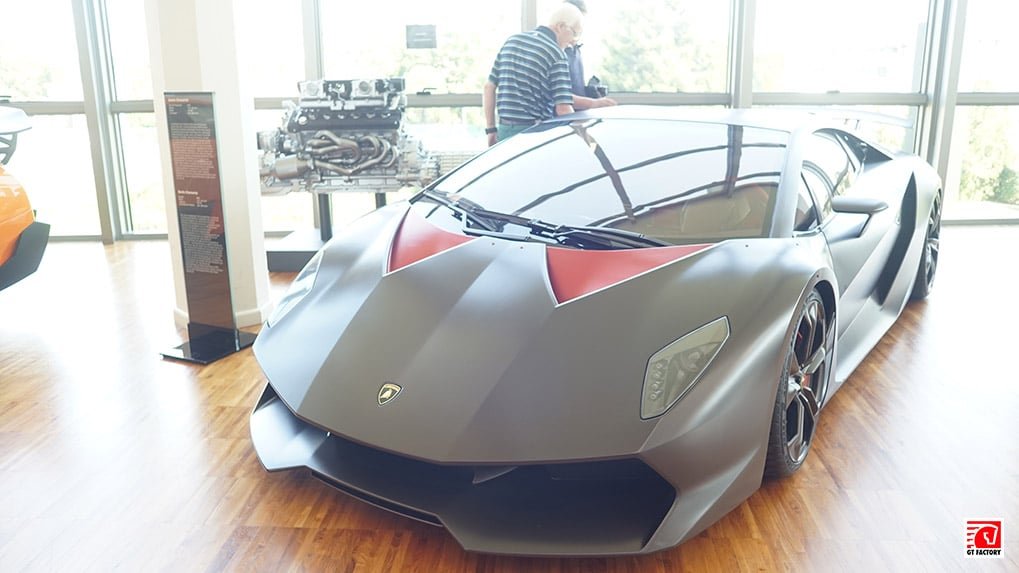
During my visit, I was lucky enough to see the rare Lamborghini Sesto Elemento on display. Translated from Italian, the name means “Sixth Element.” Here, Lamborghini was referring to carbon, the sixth element in the periodic table and the material that defines the entire car.
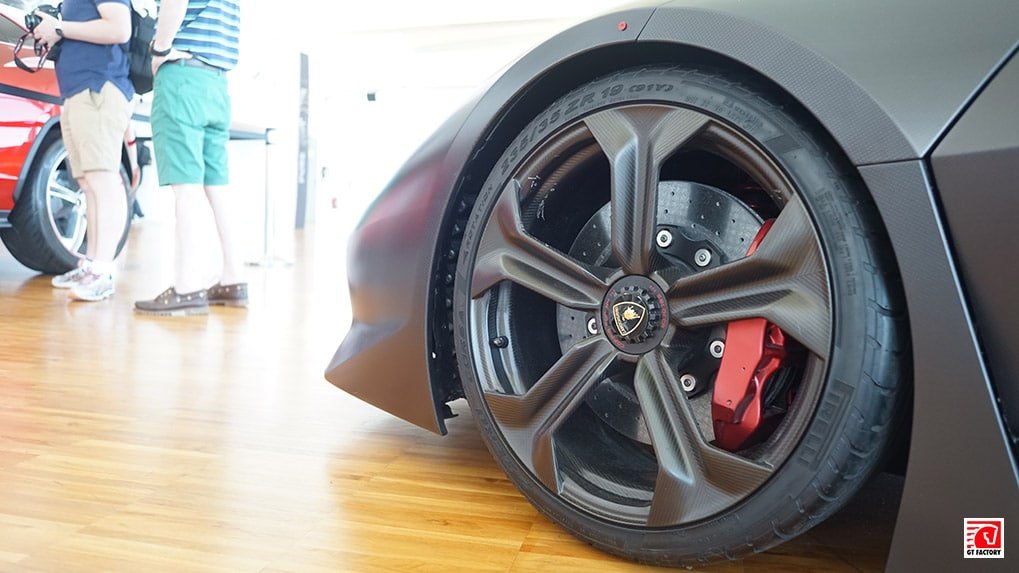
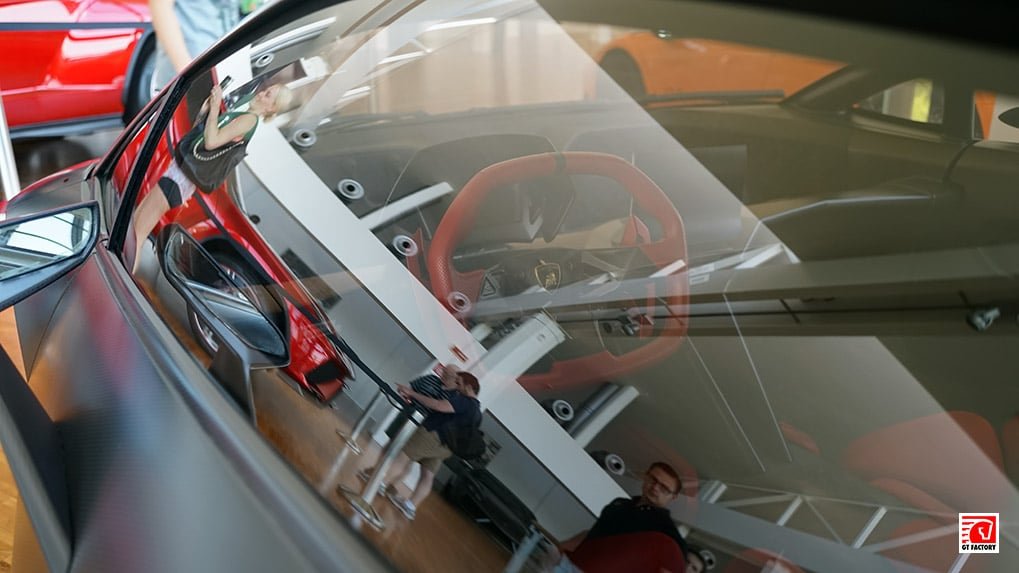
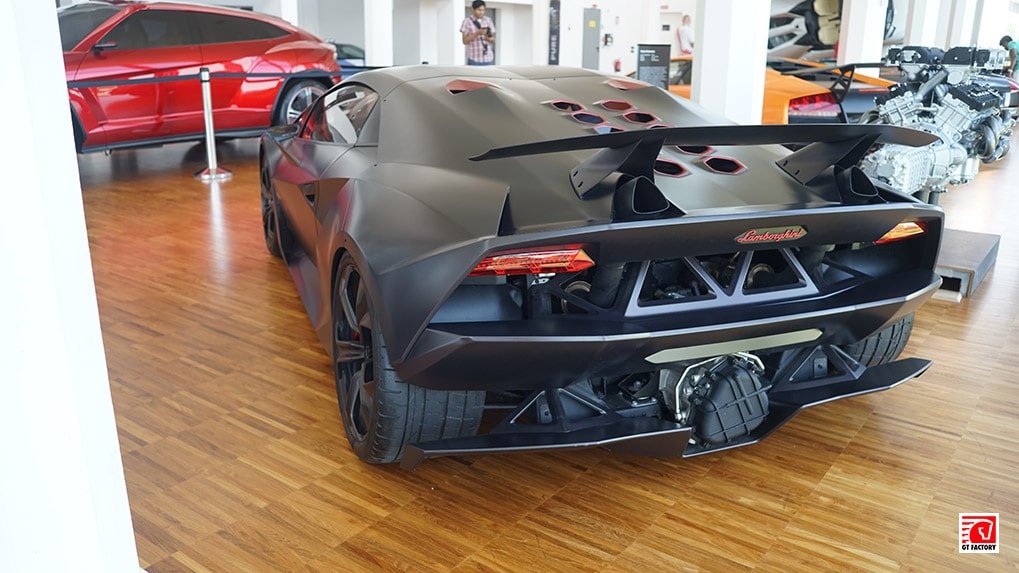
Extensive use of carbon fiber in the body, suspension parts, and driveshaft allowed Lamborghini’s engineers to achieve a curb weight of just 999 kg. Consequently, the car reached a remarkable power-to-weight ratio of 562 hp per ton. According to Lamborghini, the sprint to 100 km/h took only 2.5 seconds.
Limited to 20 cars in 2011, the model carried an announced price of 2.5 million US dollars. However, the Sesto Elemento was never homologated for public roads. Instead, it was built only for track use.
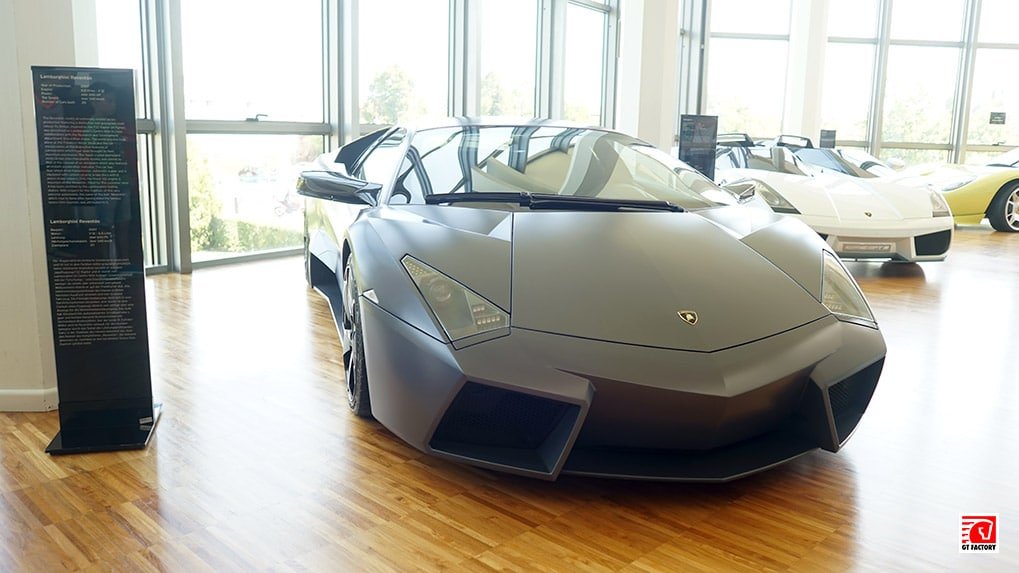
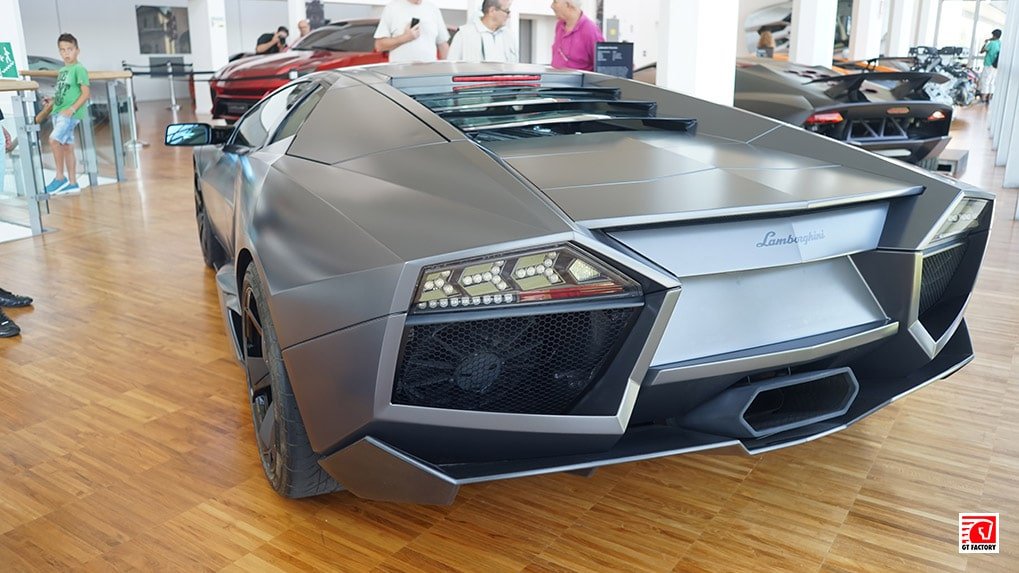
Another rare car in the museum was the Lamborghini Reventon, introduced in 2007. At the time, it was widely regarded as the most expensive production Lamborghini. Numbered 0 of 20, the museum car stayed in-house, while the other 20 examples were built for customers. True to Lamborghini tradition, the name came from a famous fighting bull. Meanwhile, the design was clearly inspired by the lines of the F-22 Raptor fighter jet.
Estoque and Other Limited Models
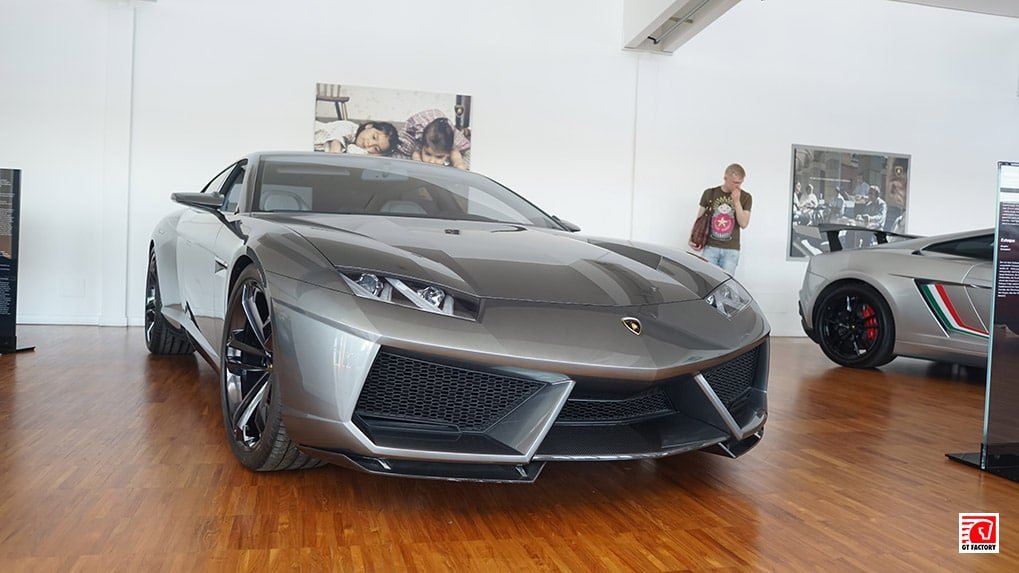
First shown at the 2008 Paris Motor Show, the Lamborghini Estoque concept carried another name drawn from the world of bullfighting. Specifically, “Estoque” refers to the matador’s sword used for the final strike.
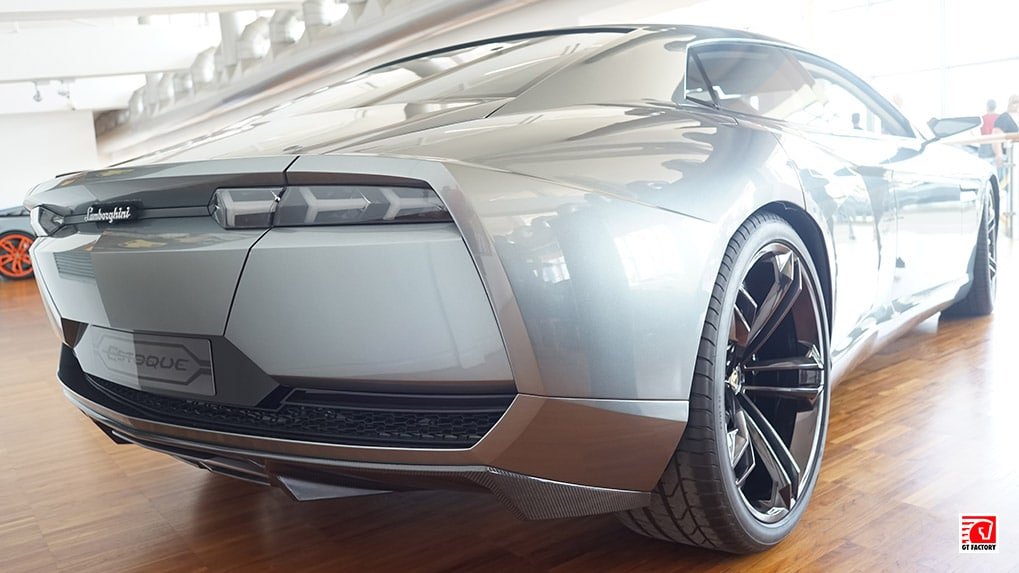
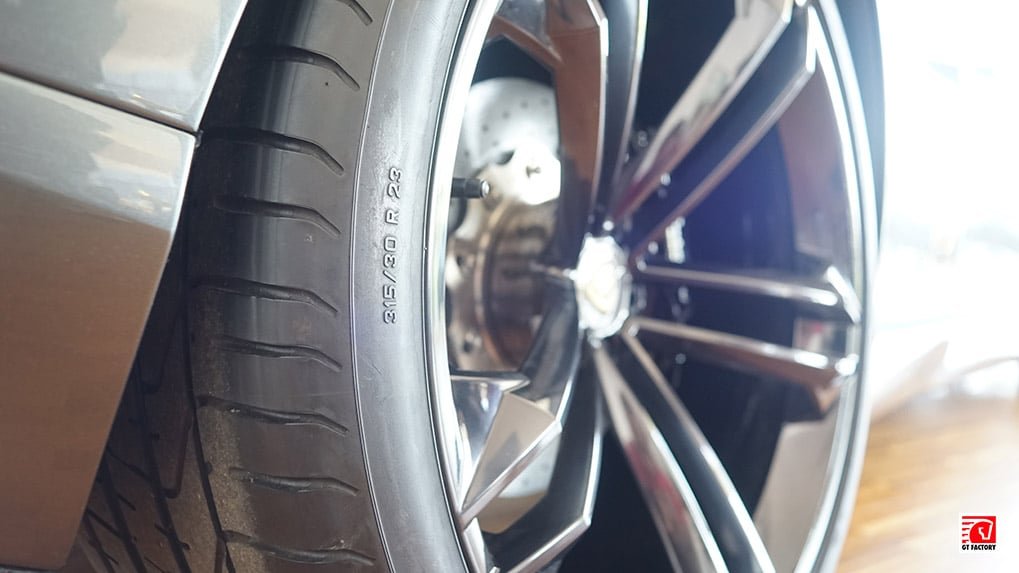
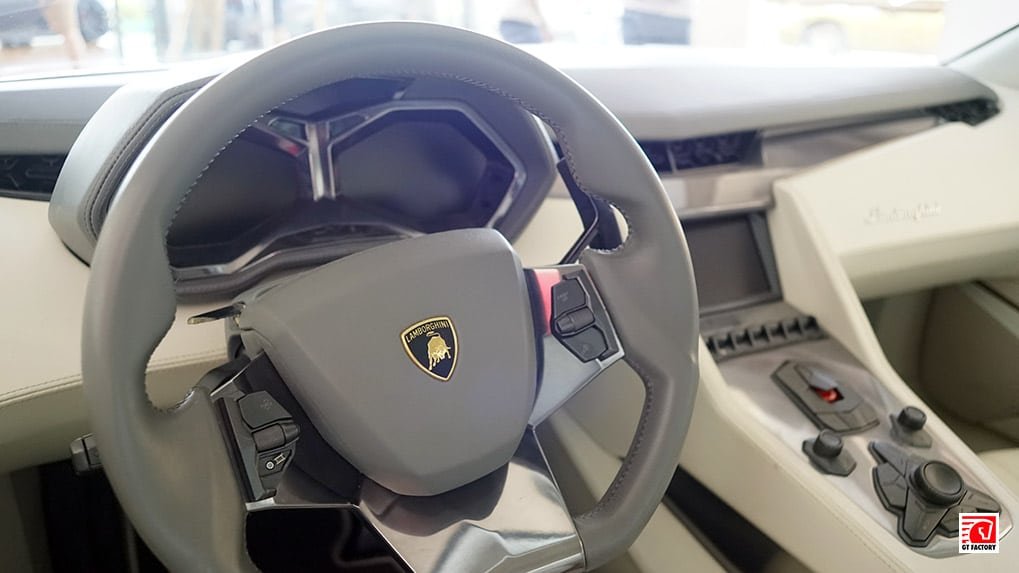
Most striking visually were the enormous rear wheels and tires, sized at 315/30R23. Mechanically, Lamborghini equipped the concept with a 5.2-liter V10 producing 560 hp and sending power to all four wheels.
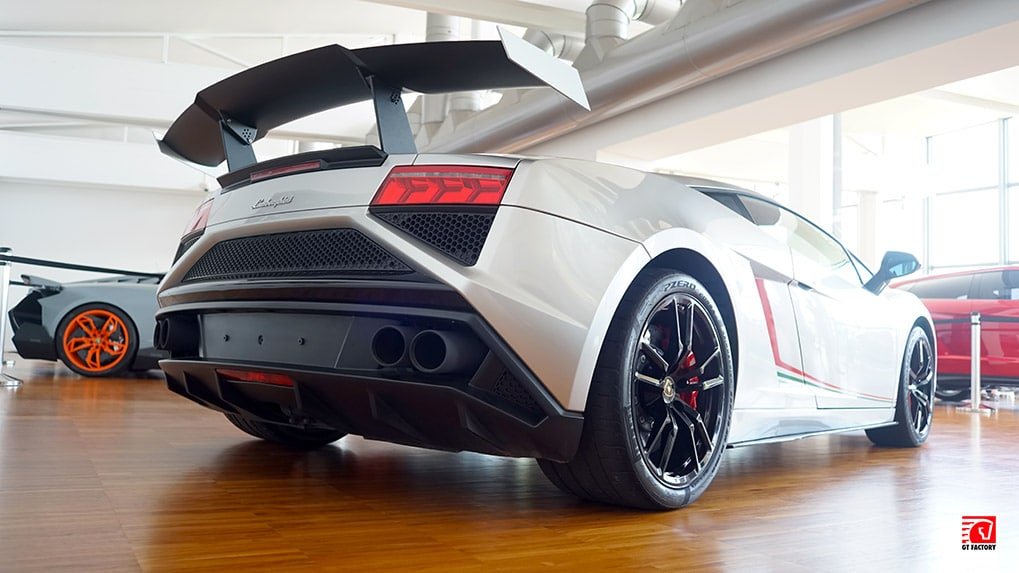
Also on display was the Gallardo LP 570-4 SuperTrofeo Stradale. Capped at 150 units, production remained highly limited. Its 5.2-liter V10 produced 570 metric horsepower, or about 563 hp, and pushed the car to 100 km/h in 3.4 seconds.
Urus Concept and Egoista

My visit also happened at a time when Lamborghini had already revealed the concept of another SUV. That future model, of course, was the Urus.

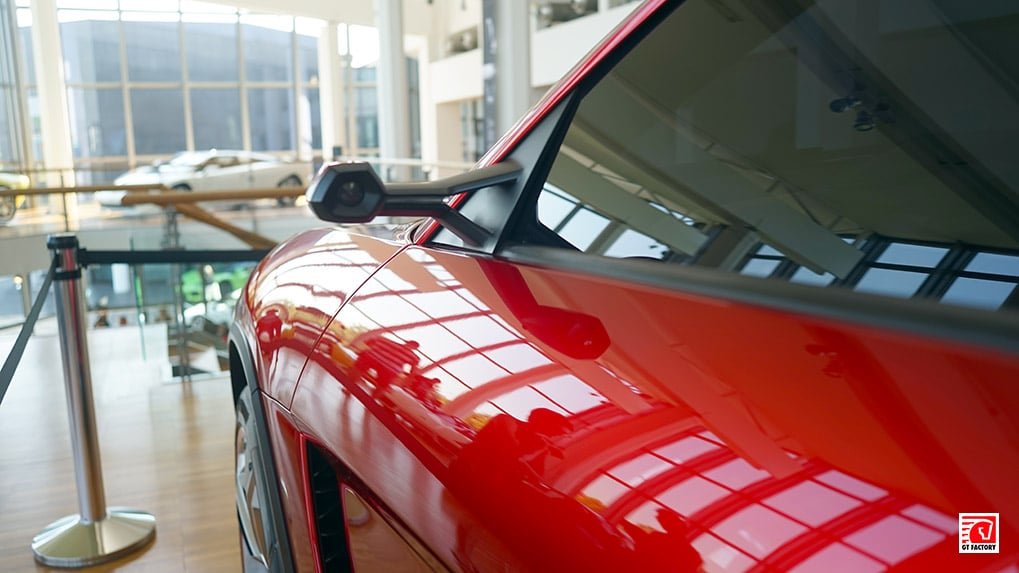
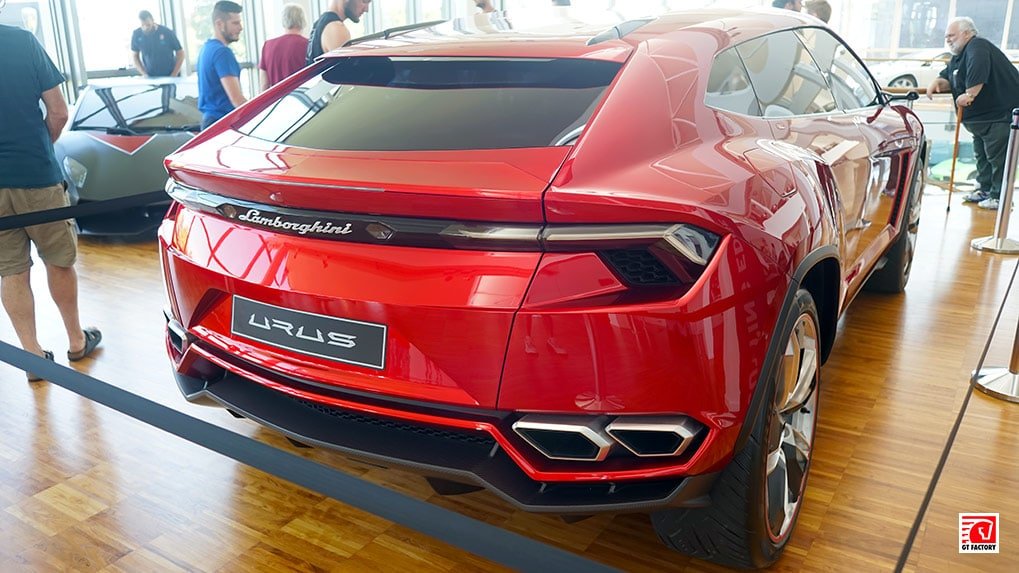
First presented at the 2012 Beijing Motor Show, the Urus concept still represented Lamborghini’s future direction at the time of my museum visit rather than a finished production car. Even so, the project already made clear that the brand intended to return to the high-performance SUV segment in a serious way.
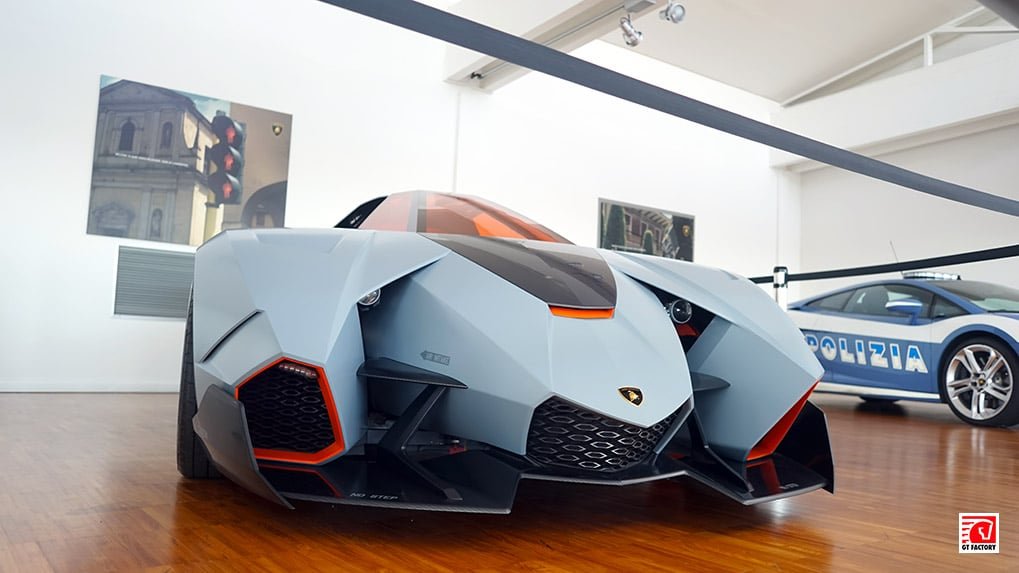
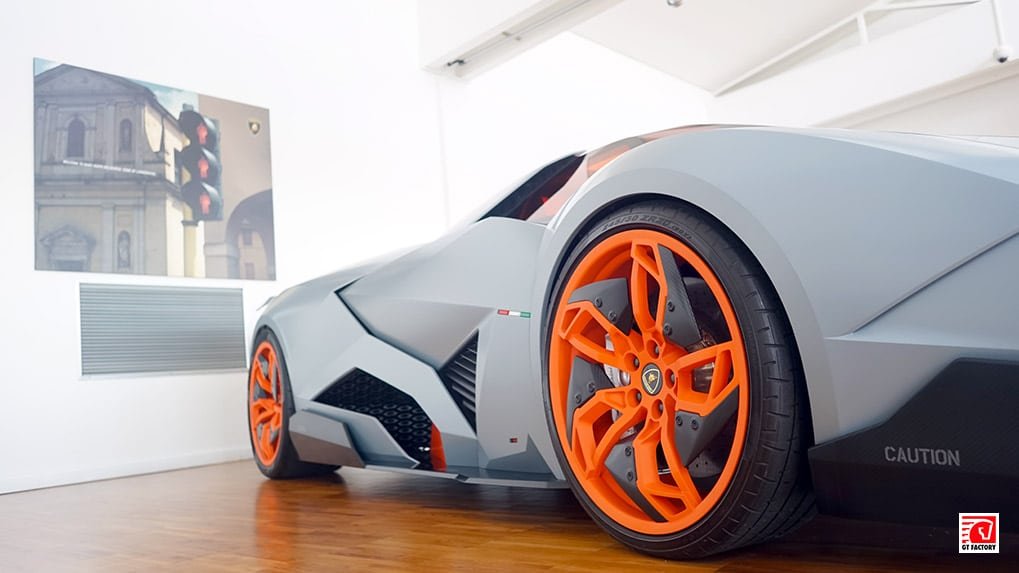
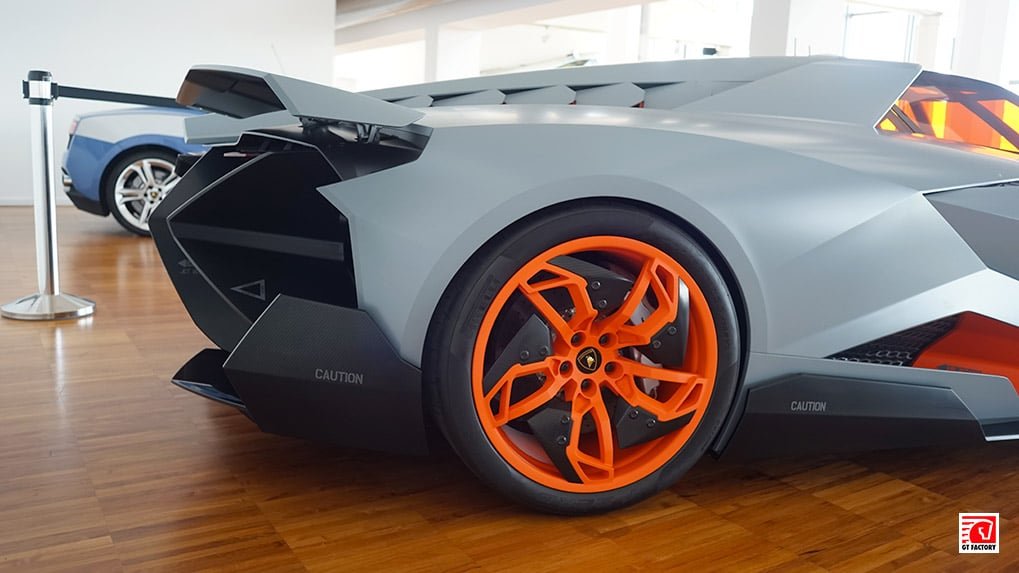
Presented for the company’s 50th anniversary, the Lamborghini Egoista was built on the Gallardo platform and used a 5.2-liter V10 producing 608 hp. By contrast, the car was all about pure theater. Unlike most Lamborghinis, it has a single seat, while the cockpit design is clearly inspired by that of a modern fighter jet. In addition, the body features numerous active aerodynamic panels intended to support stability.
Gallardo Polizia and the Technical Display
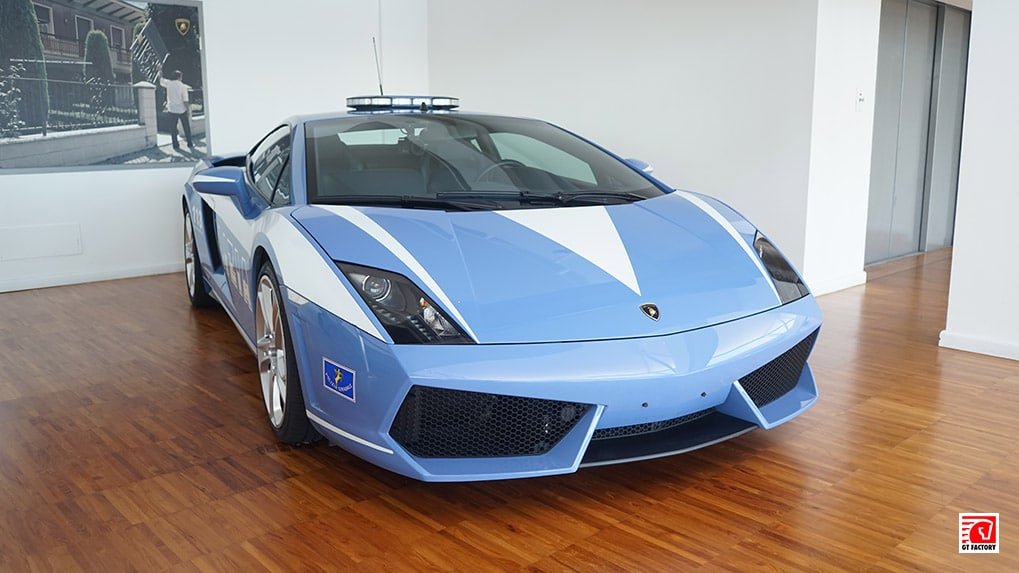
Among Lamborghini’s most unusual real-world applications was the Gallardo LP 560-4 Polizia. Automobili Lamborghini donated these cars to the Italian State Police, where they replaced the earlier Gallardo police cars that had been in service since 2004.
One first-generation Gallardo was used by the police in Rome and covered nearly 150,000 km on motorways in central and southern Italy. Another example was used near Bologna and had already passed 100,000 km. Notably, beyond regular maintenance, neither car required major repair work.
For police work, the cars were fitted with a video surveillance system, including a camera mounted near the rear-view mirror. Using GPS data, the system could calculate the location of the target vehicle, its direction of travel, and its speed. At the same time, distance measurement gave officers more accurate speed data. In addition, live image transmission to the nearest police station made it possible to identify stolen vehicles immediately.
Beyond that, the Gallardos were also used to transport urgent medical cargo, including organs for transplant operations. For that purpose, the front luggage compartment was fitted with a dedicated cooling system.
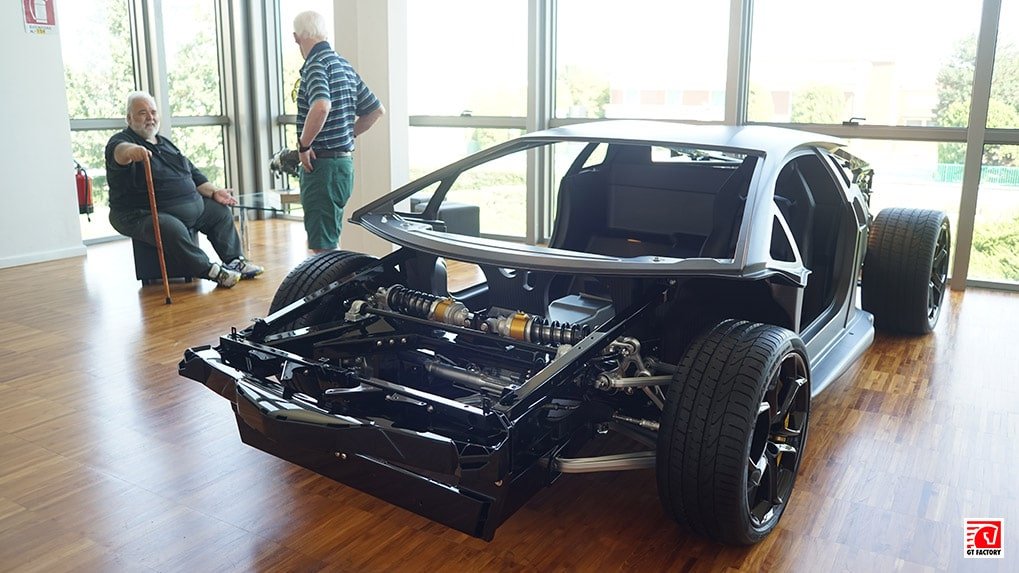
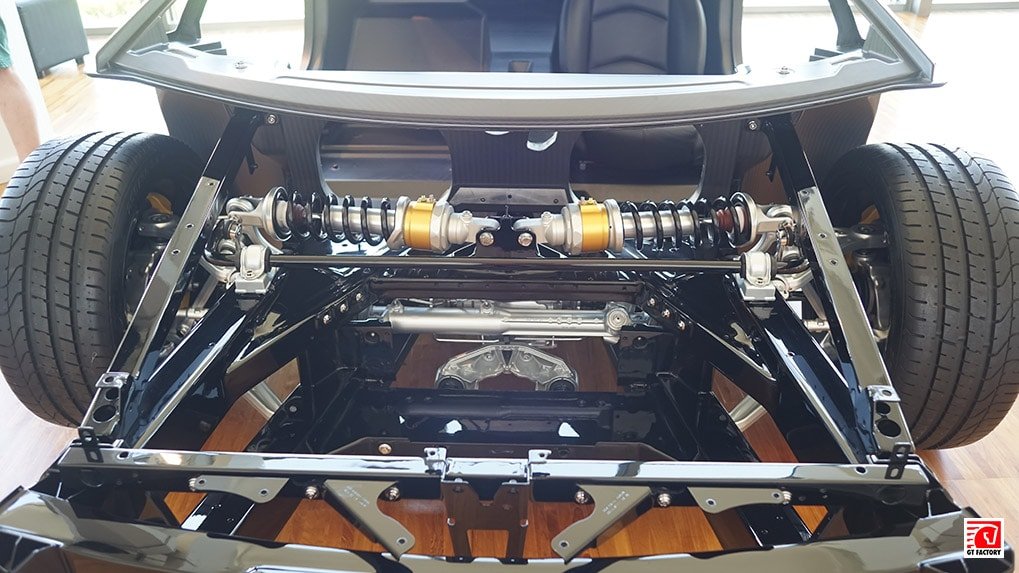
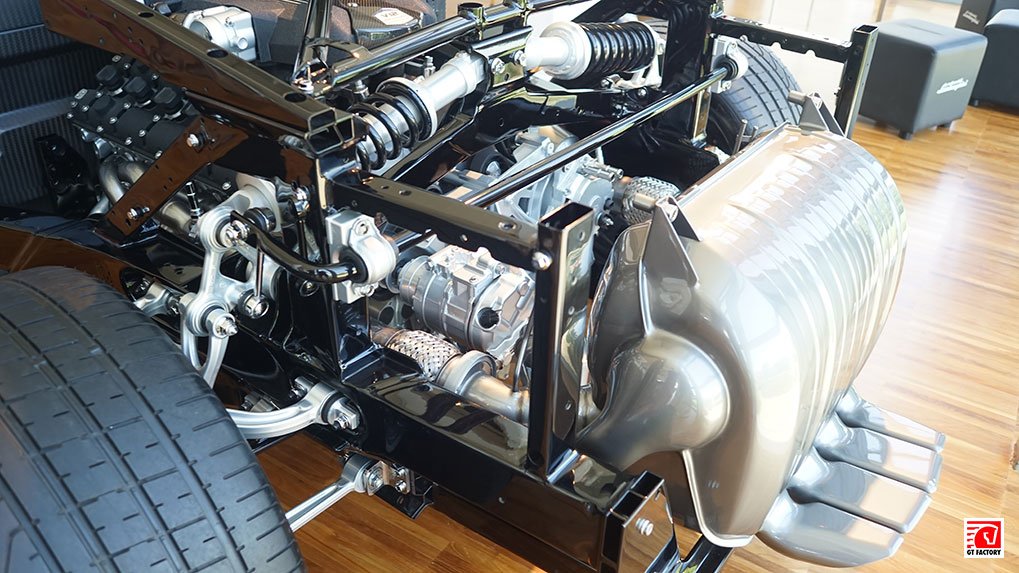
Finally, the museum ended this part of the display with an Aventador LP 700-4 technical assembly. In this exhibit, the cockpit was shown together with the frame, suspension, engine, and exhaust system.
That made for a fitting conclusion to the museum walk. Earlier sections focused on heritage and iconic production cars. By contrast, this final chapter revealed Lamborghini at its most experimental, most theatrical, and most technically ambitious.
Follow GT Factory on Tumblr and Instagram to stay up to date with future Journal entries.