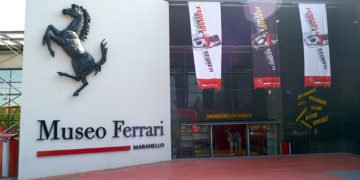

Lamborghini Museum in Italy. Part 2
Dream Cars of Another Era
I am continuing this virtual walk through the Lamborghini Museum in Sant’Agata Bolognese. In Part 1, the focus was mostly on the historic cars I saw during my visit. In this second chapter, the attention shifts to the models that were dream cars for many readers.
For people like you and me, these were often the Lamborghinis we first saw on magazine pages, school notebook covers, and Turbo gum inserts. Because of that, this part of the museum feels especially familiar, even before the first car comes into view.
Jalpa, Countach, and the Road to Diablo
The first car in this section was the Lamborghini Jalpa 350. It became the last Lamborghini powered by a V8 engine. As before, the design came from Bertone. The car was based on the Lamborghini Silhouette, yet the body itself was completely different.
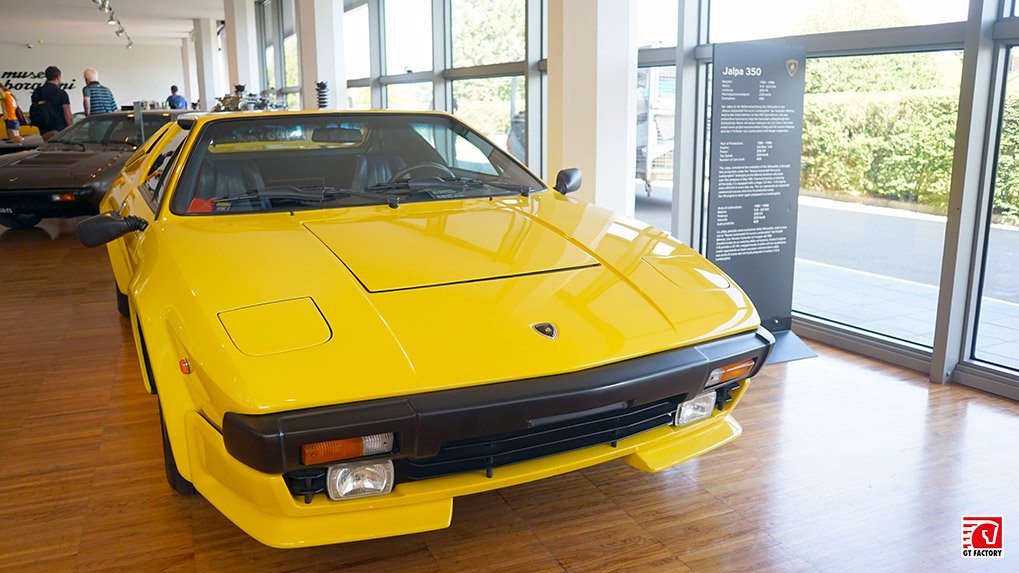
Engine changes were important as well. Displacement grew from 3.0 to 3.5 liters, while output reached 255 hp. Jalpa was developed as a commercial model, and Lamborghini built 420 examples between 1981 and 1988. After that, the company never returned to V8-powered road cars.
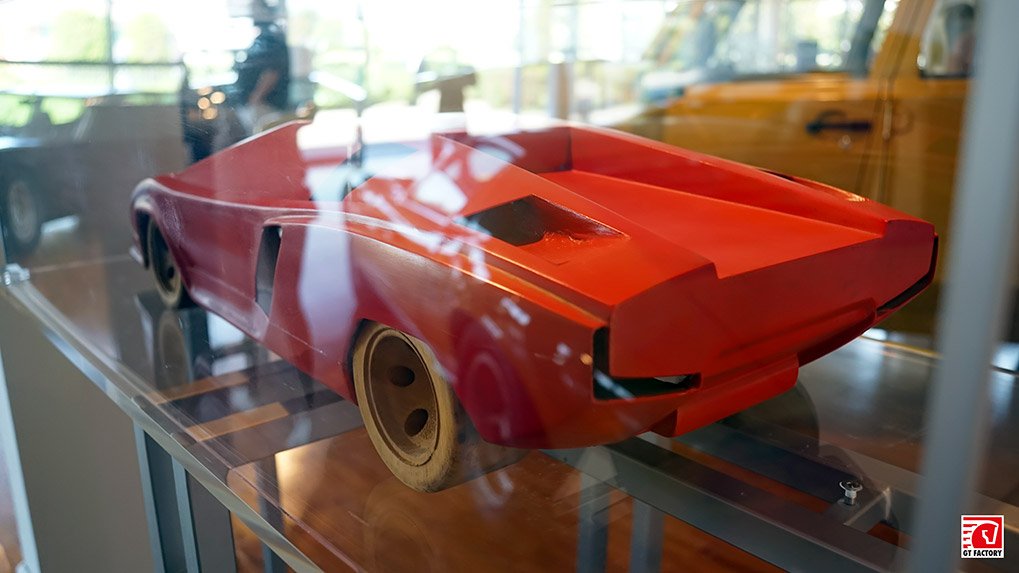
Also on display was a model of the Lamborghini Countach. Even in miniature form, it still carried the presence of one of the brand’s defining shapes.
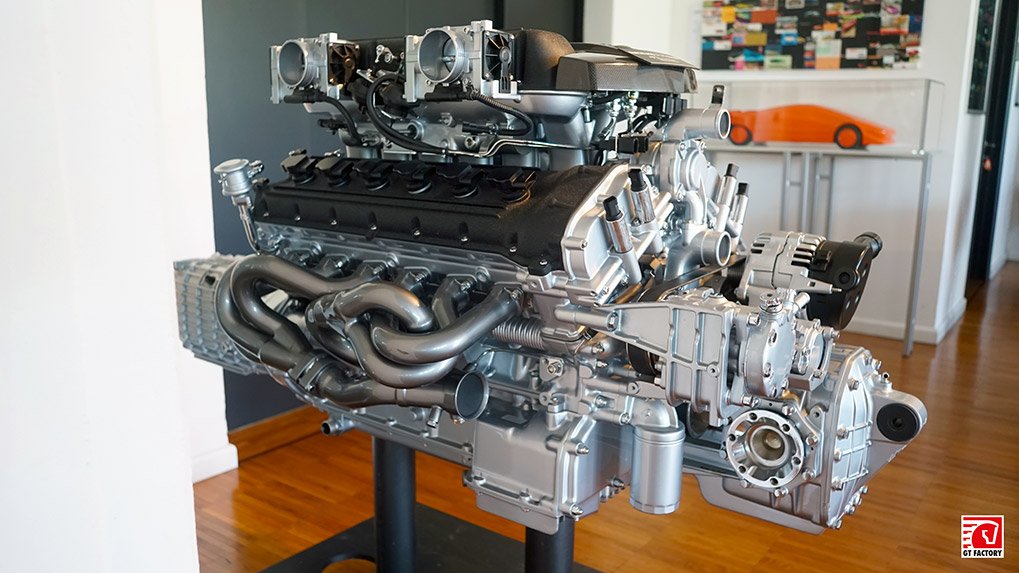
Nearby stood the V12 engine from the Lamborghini Murcielago LP 640. This 6.5-liter unit produced 640 hp at 8,000 rpm and 660 Nm of torque at 6,000 rpm. In a museum like this, the engine itself deserves attention almost as much as the car around it.
The Diablo Era
When the Lamborghini Diablo arrived in 1990, its design immediately pushed the fame of the Miura and Countach into a new era. The new supercar was wider, lower, and far more dramatic. For many enthusiasts around the world, it quickly became the dream Lamborghini.
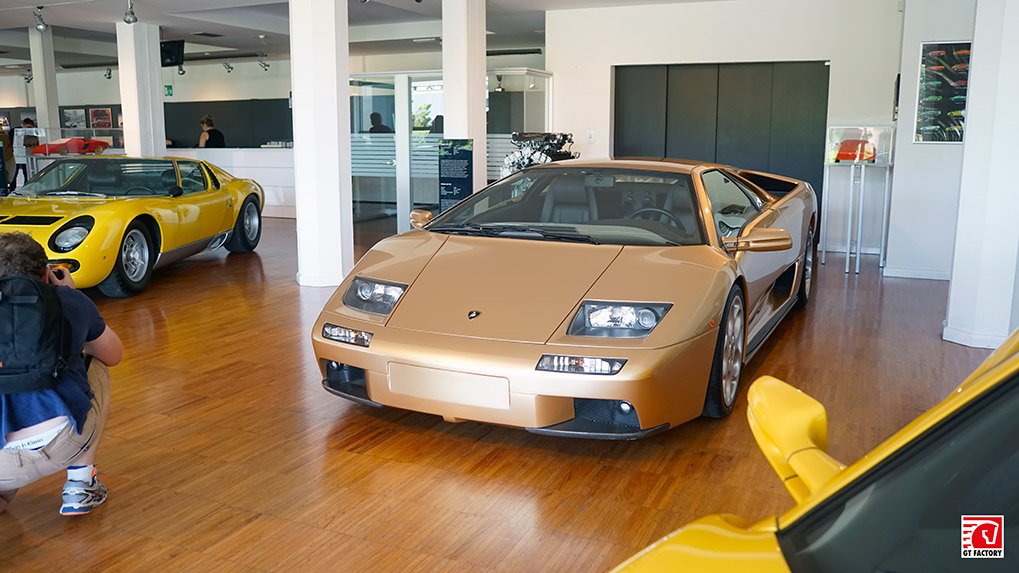
At the time, Lamborghini’s management wanted the fastest car in the world, and the engineers came close to that target. The Diablo reached a top speed of 325 km/h, accelerated to 100 km/h in 4.5 seconds, and produced 492 hp. Those figures were extraordinary for the period and helped position Lamborghini at the forefront of the supercar market.
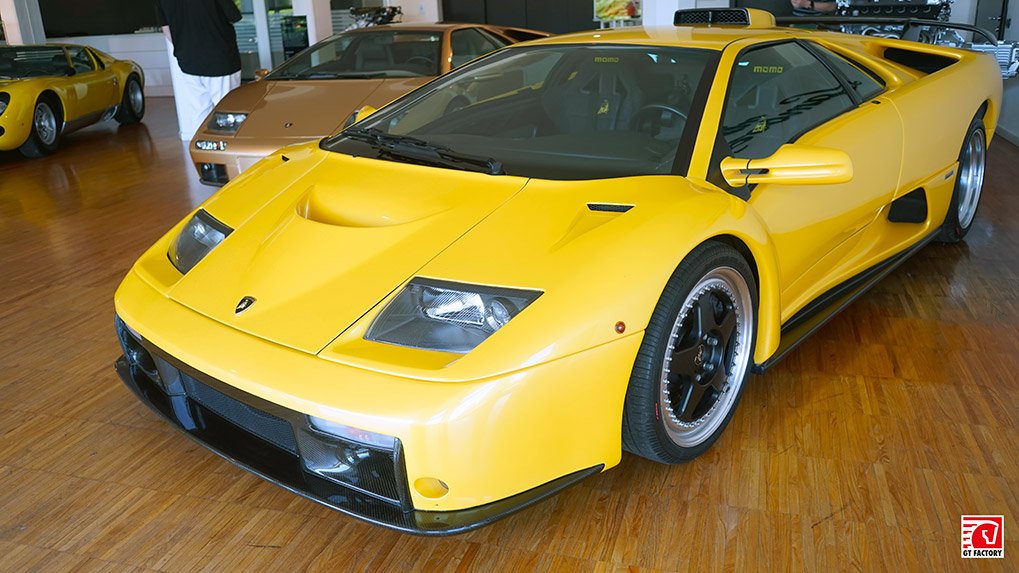
The Diablo remained in production for eleven years, from 1990 to 2001. Over that period, Lamborghini built 2,903 examples across all versions. I am not going through every variation here. The museum did not display all of them, and one in particular stood above the rest.
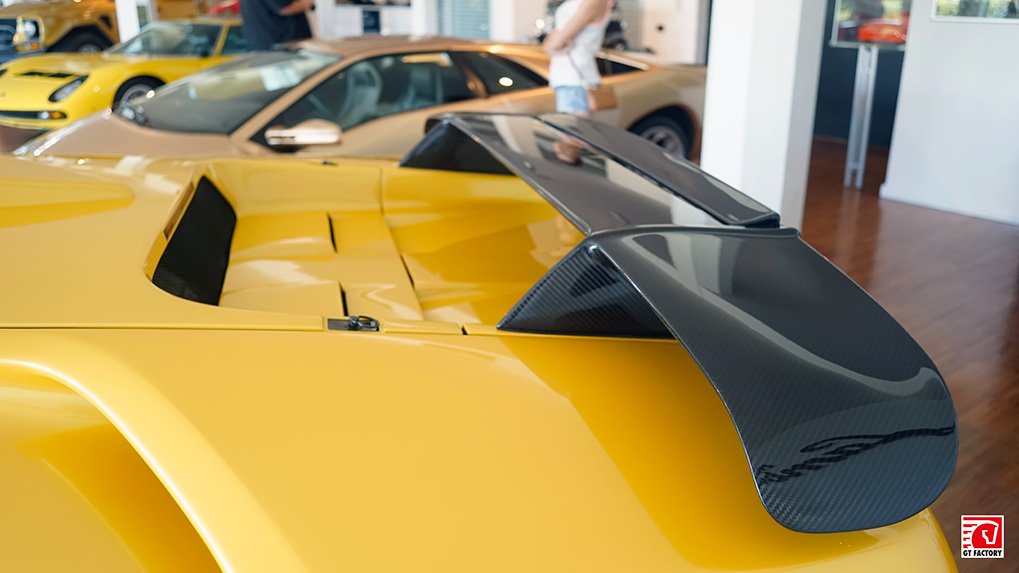
That car was the Lamborghini Diablo GT. Introduced in 1999, it was built in a limited run of 80 cars for the European market only. At the time of release, it was the fastest production Lamborghini, with a top speed of 338 km/h.
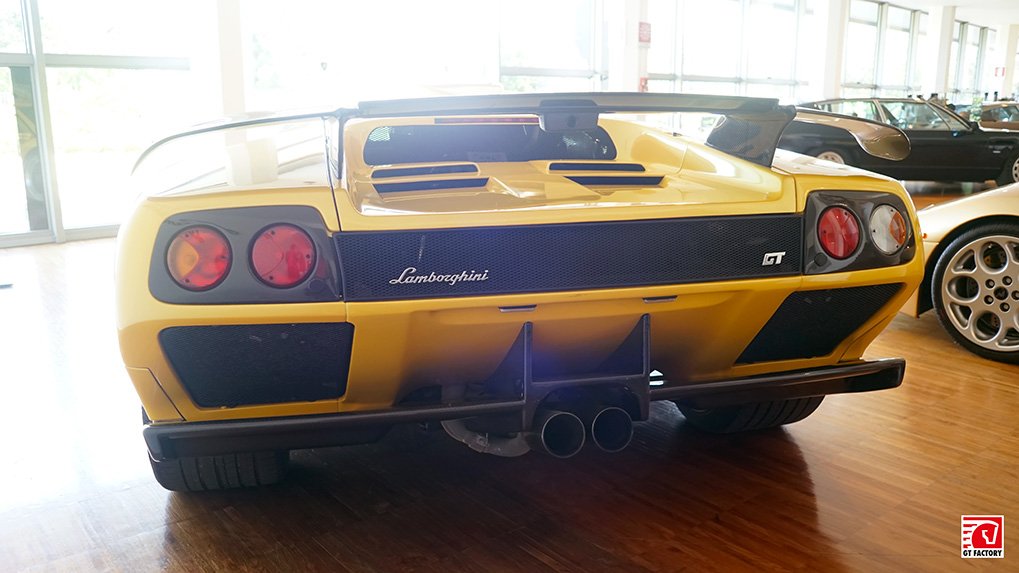
That performance came from a larger 6.0-liter V12, or 5,992 cc to be exact. Output reached 575 hp at 7,300 rpm, while peak torque was 630 Nm at 5,500 rpm. At the same time, Lamborghini did not stop at the engine alone. The body, brakes, and ABS system were reworked as well.
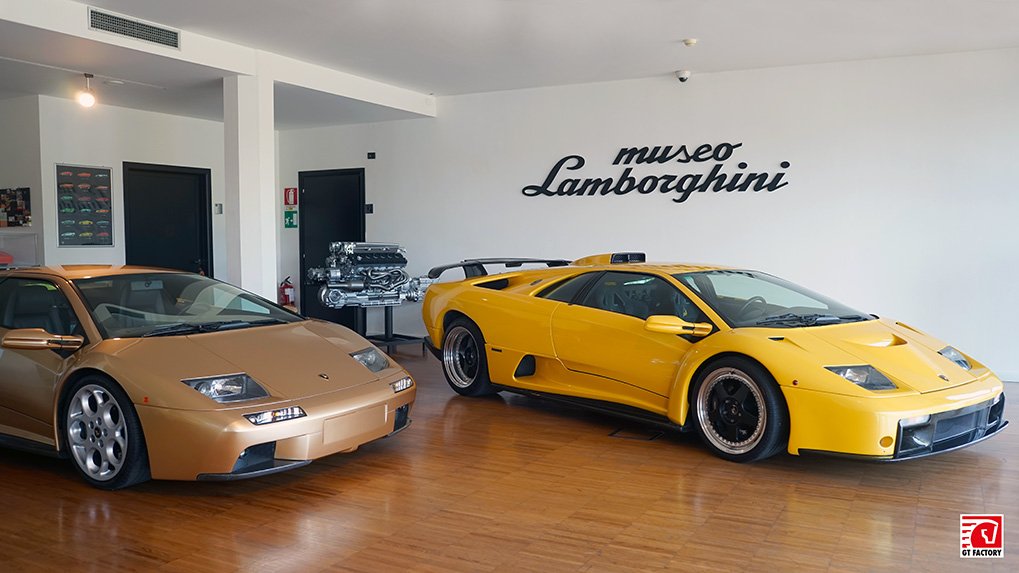
In total, the Diablo line went through eleven distinct factory variations. Notably, it was also during the Diablo era that Lamborghini passed into the ownership of Audi AG.
P140 and the Unbuilt Future
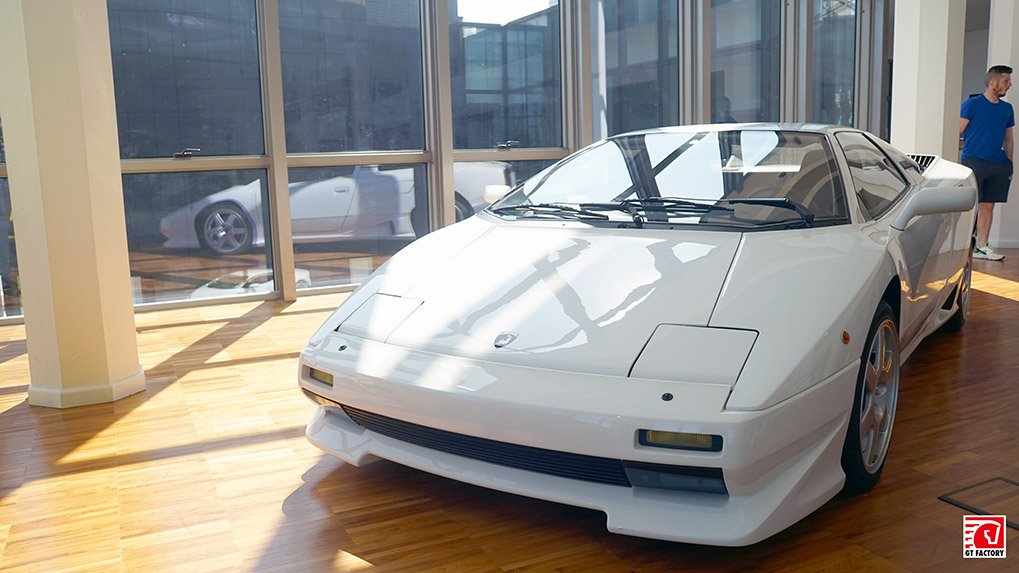
The Lamborghini P140 concept was another interesting stop in the museum. Only four examples were built, including the one displayed here.
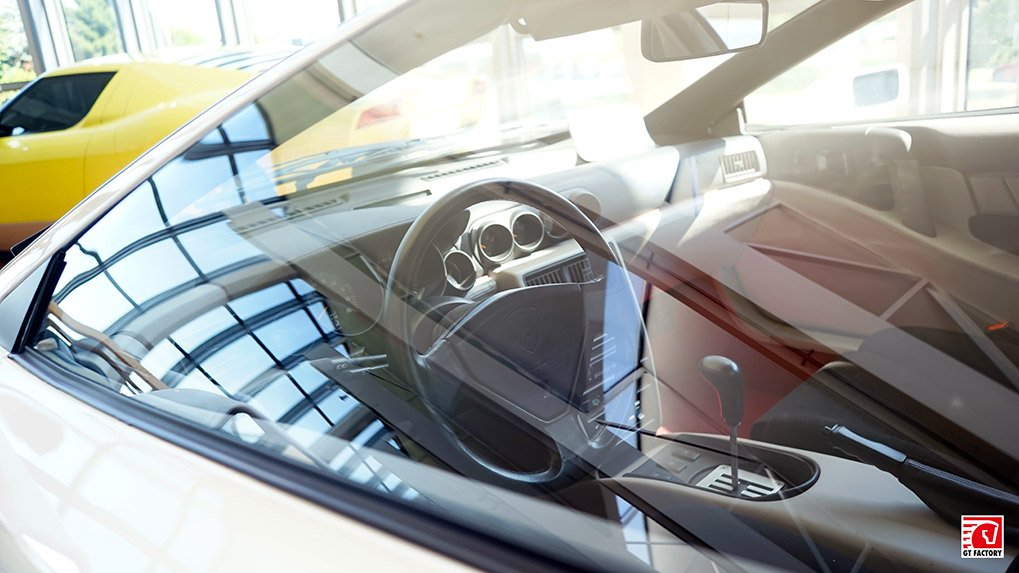
The P140 used a carbon body over an aluminum monocoque. Power came from a 4.0-liter V10 with a 90-degree cylinder angle. Output reached 372 hp at 7,000 rpm, while torque peaked at 390 Nm at 5,500 rpm. A six-speed manual gearbox sent power to the rear axle.
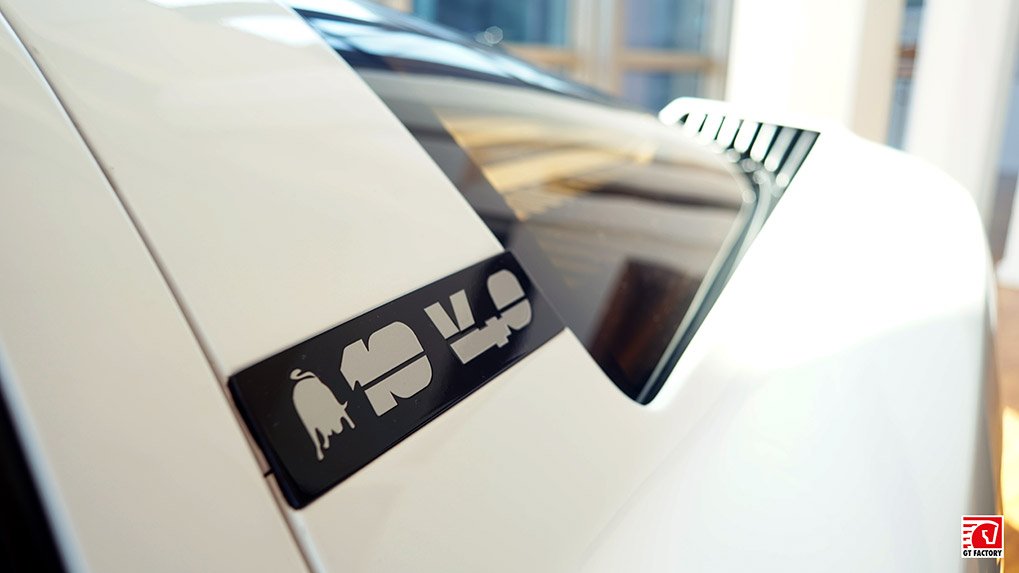
Originally, this prototype was intended to replace the Lamborghini Jalpa. In the end, however, it never entered production.
Lamborghini Beyond Road Cars
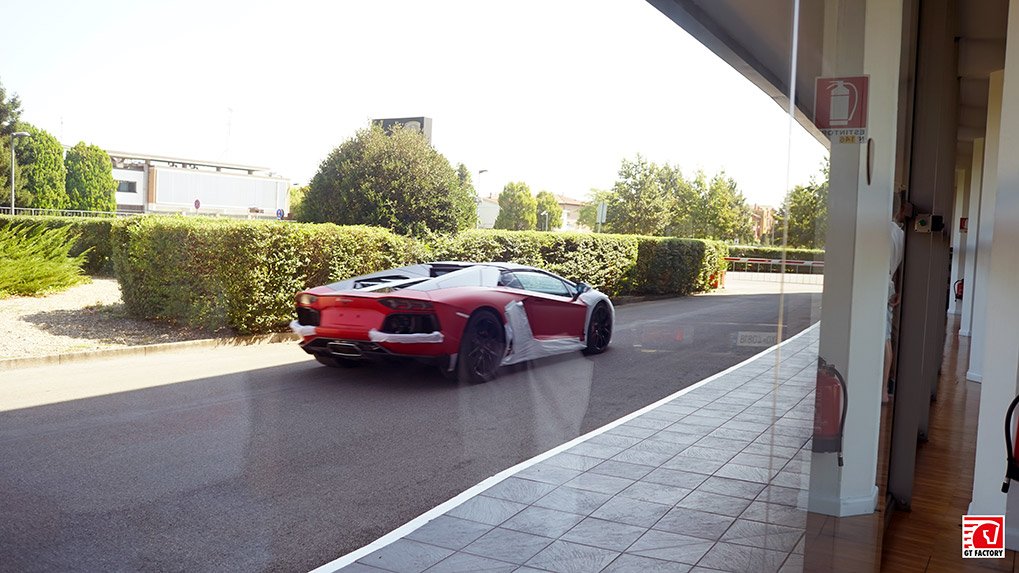
While I was moving through the exhibition, new Lamborghini Aventadors occasionally passed by outside the museum windows. I mentioned that detail in Part 1, and it remained one of the most memorable reminders that the museum stands right next to the brand’s living production world.
From 1989 to 1993, Lamborghini supplied V12 engines for Formula 1 cars. These engines were used by Larrousse, Ligier, Lotus, and Minardi. Then, in 1991, Lamborghini decided to enter Formula 1 under its own name. That effort lasted only a single season.
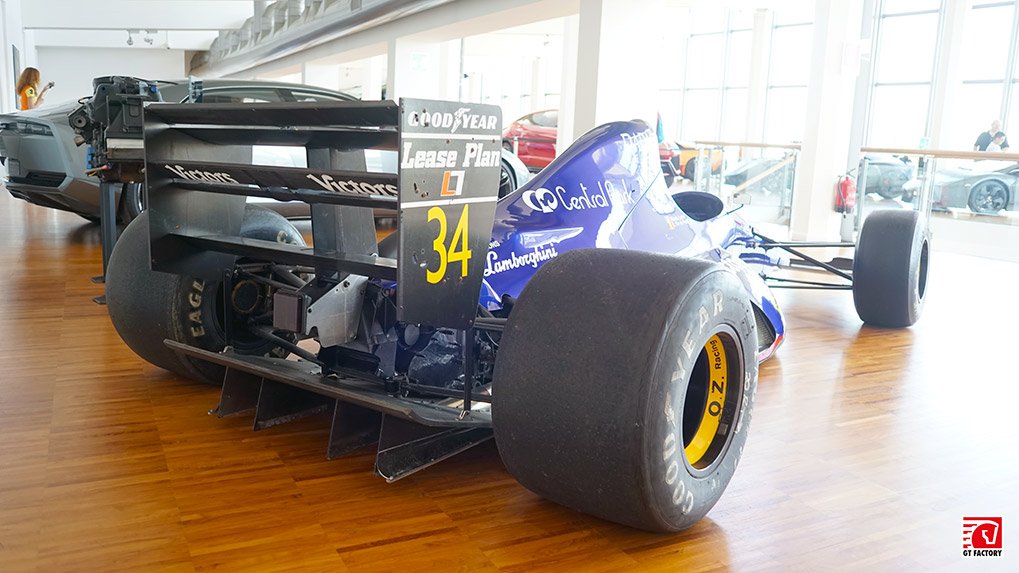
At the time, the company belonged to Chrysler. In 1993, the same engine, carrying Chrysler branding, was tested in McLaren chassis. Despite encouraging test results and recommendations for use in the 1994 season, McLaren chose Peugeot engines instead, and the project was closed.
The Miura Concept and a Clear Message
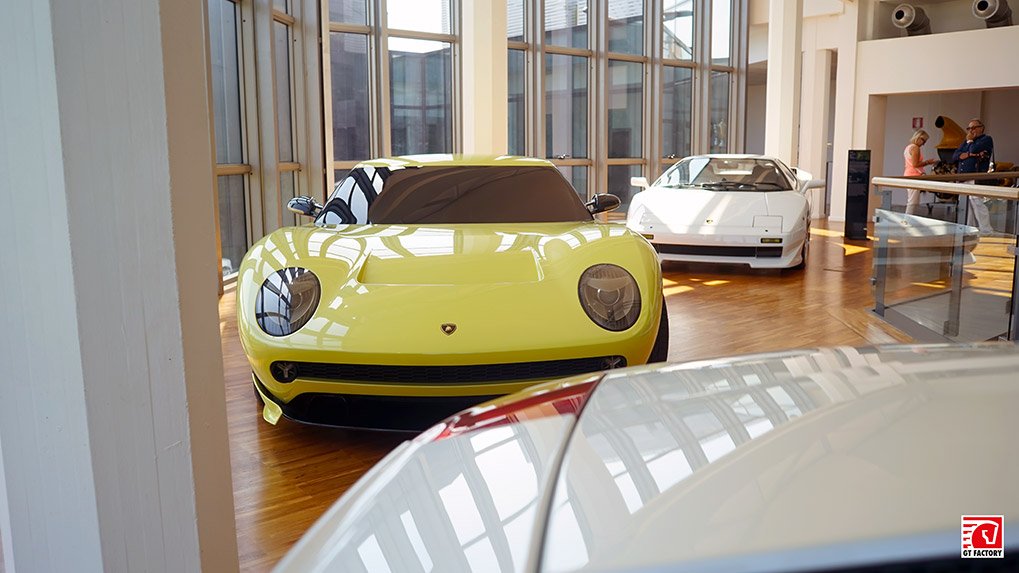
The first major work by Lamborghini’s then-new chief designer Walter de Silva was the neo-classical Lamborghini Miura concept. It was presented in 2006 and created to mark the 40th anniversary of the original Miura, first shown at the 1966 Geneva Motor Show.
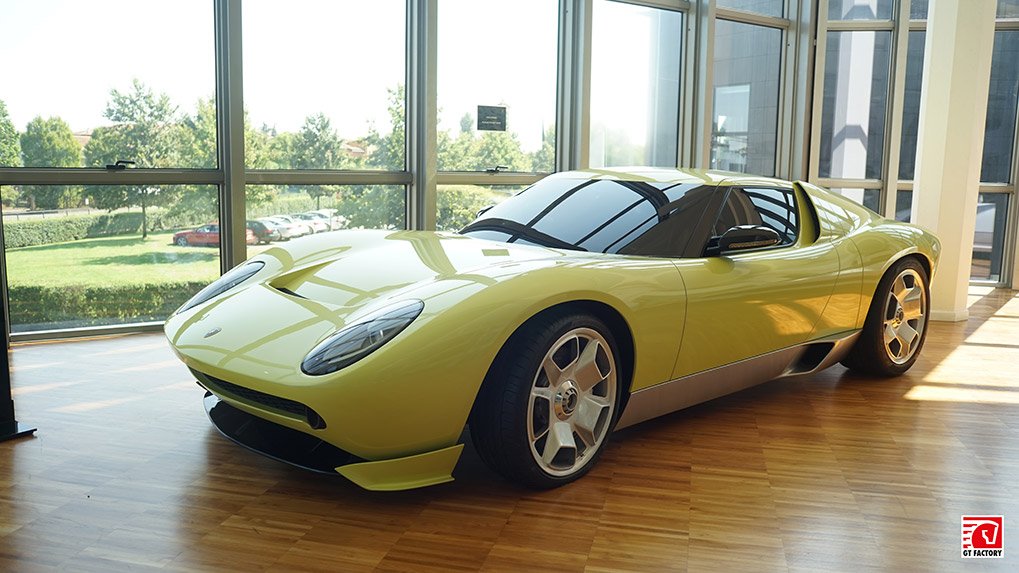
Under the skin, the concept was developed on the modern Lamborghini Murcielago chassis. Even so, the car was never intended as a production revival.
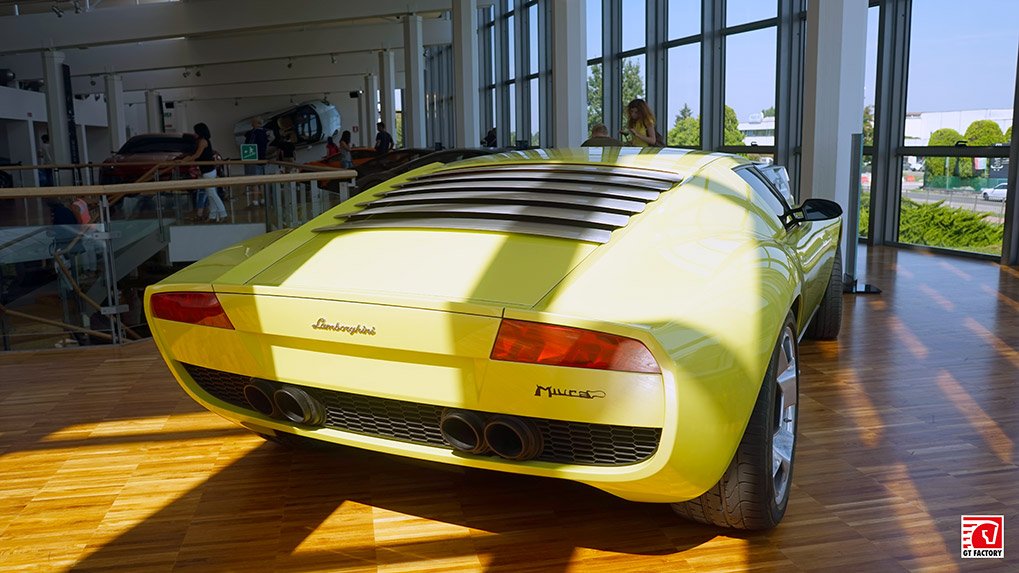
Because of that, the Miura concept remains a museum piece rather than the beginning of a new model line. And in truth, that makes seeing it there even more special.
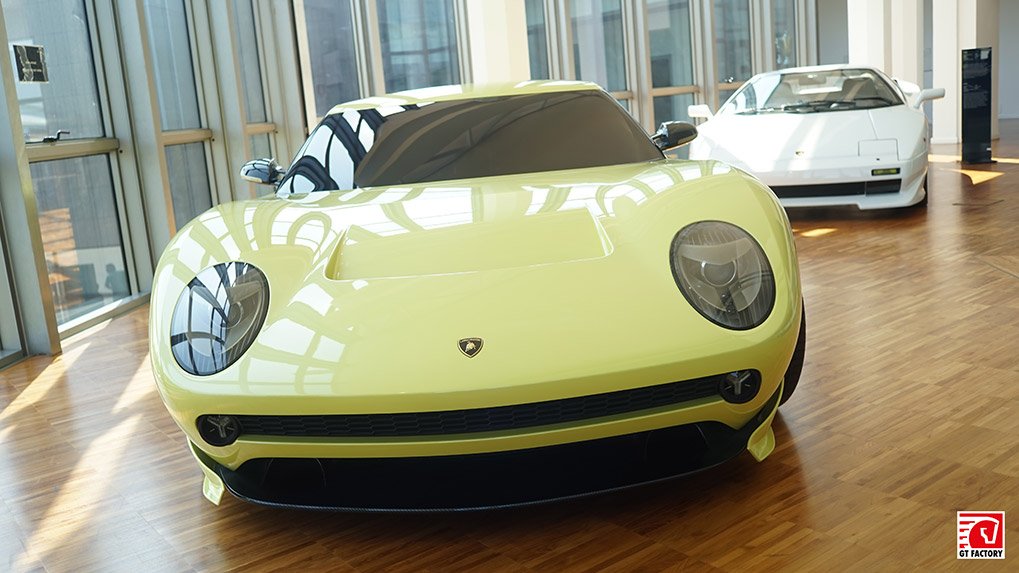
At the time, Lamborghini president and CEO Stephan Winkelmann stated clearly that the concept did not mean the Miura was returning to production. His point was simple: Miura was a triumph in the company’s history, but Lamborghini as a brand had to look forward. Retro design was not the direction the company wanted to follow.
Lamborghini on the Water
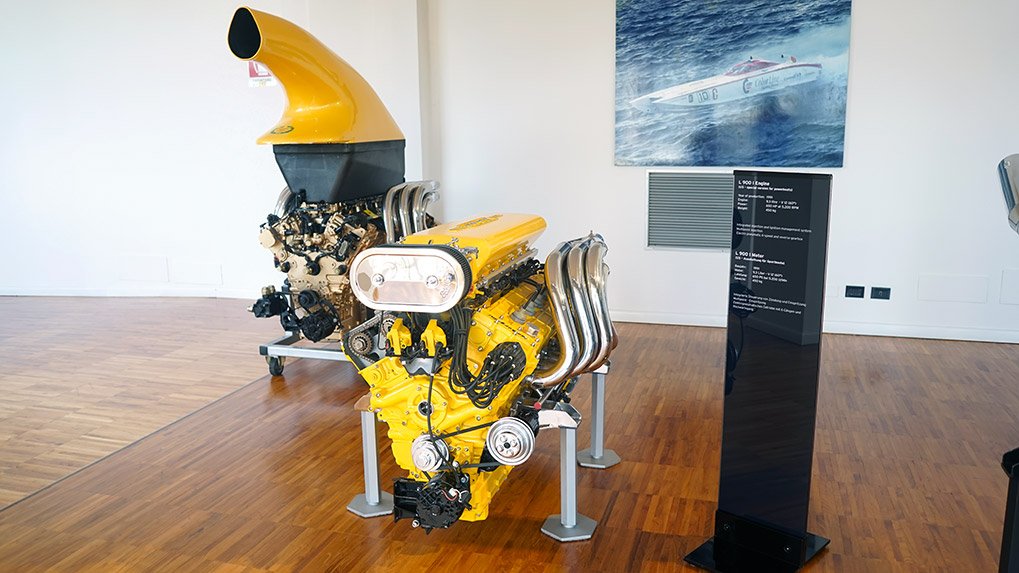
Lamborghini also spent several years building V12 engines for offshore powerboat racing, especially for the World Offshore Series Class 1 category. The L900 engine displaced around 9.3 liters and produced roughly 650 hp at 5,200 rpm.
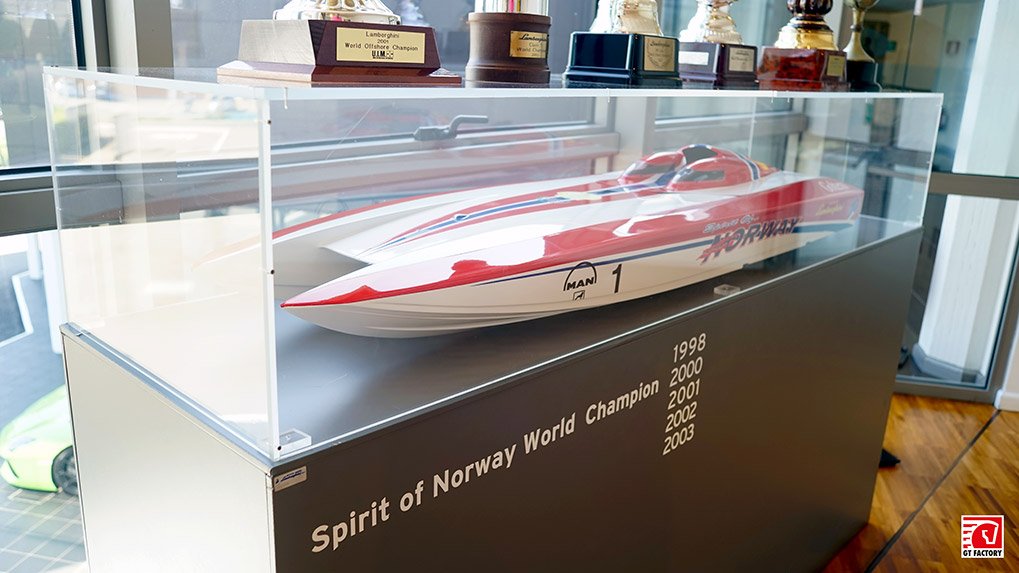
Alongside that display stood a model of the Spirit of Norway racing boat, a five-time world champion in Class 1 competition.
Part 3 continues the museum walk with concept cars, limited-production Lamborghinis, and some of the most theatrical machines in the entire collection. Follow GT Factory on Tumblr and Instagram to stay up to date with future Journal entries.