
Ferrari Museum in Maranello. Part 1
At the Entrance
While in Bologna, skipping the Ferrari Museum in Maranello would have made no sense. So, naturally, I made sure to visit it.
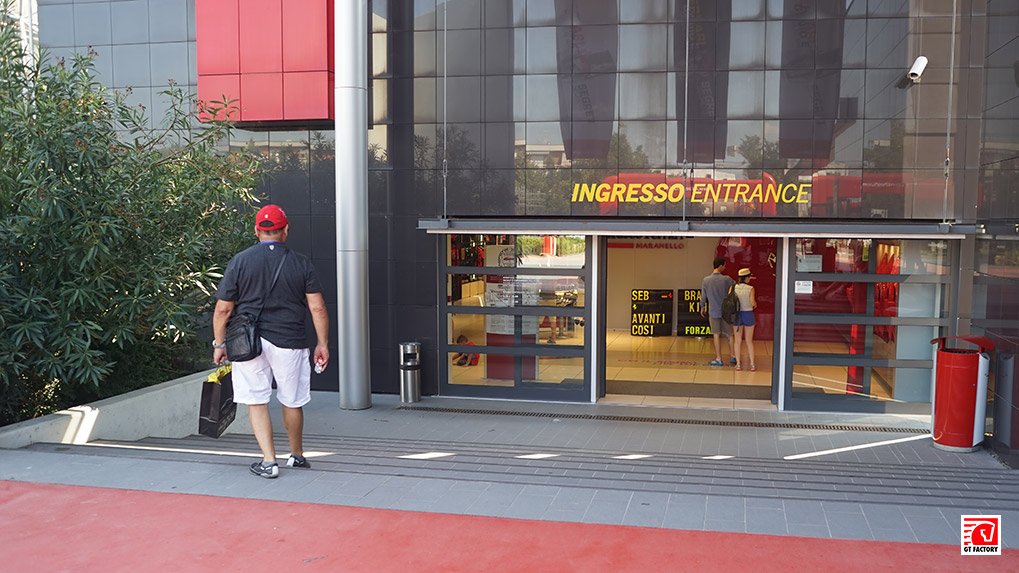
Despite the long-standing rivalry between Ferrari and Lamborghini enthusiasts, I have always been interested in the history of both brands. As a tuning atelier, I work with both. For that reason, understanding their development matters to me. With that in mind, I was standing at the entrance and ready to go inside.
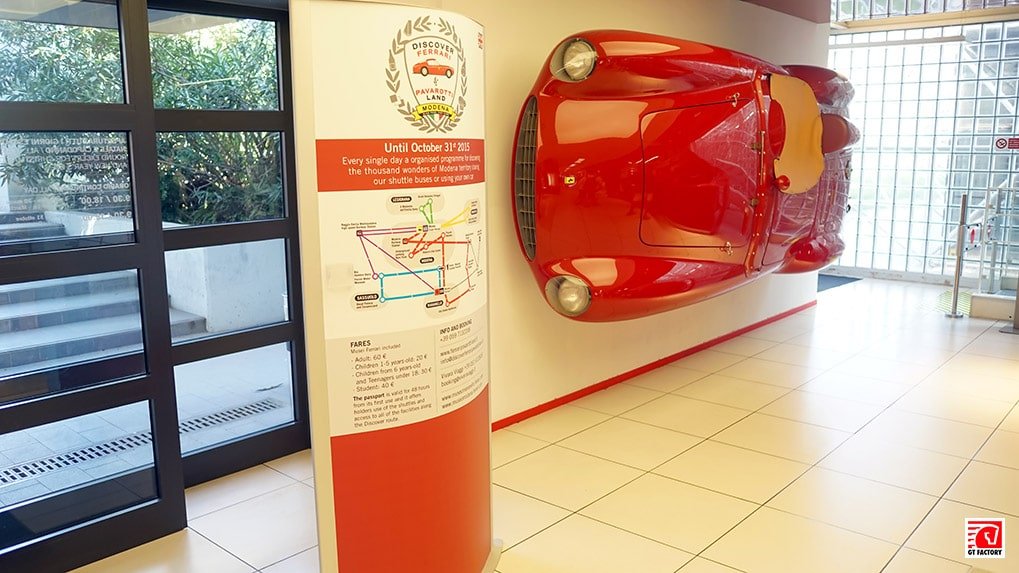
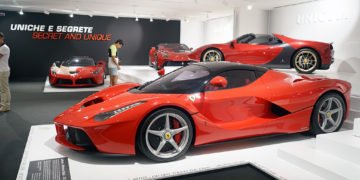
Inside, the first space was the main lobby. There, visitors could also find information about the second Ferrari museum, the Enzo Ferrari Museum in Modena.
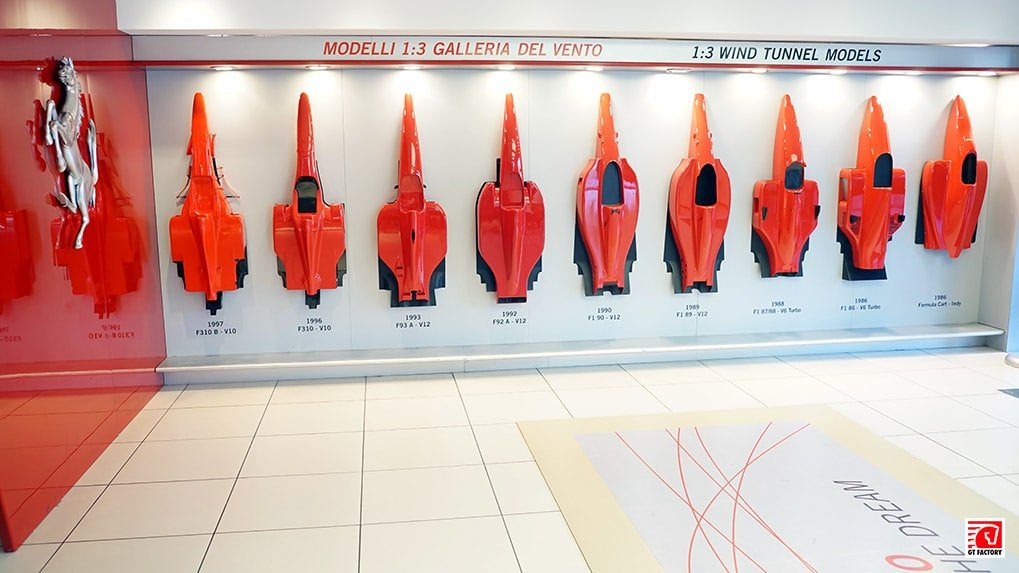
One of the first technical displays was a timeline showing the development of Formula 1 monocoques in 1:3 scale. In this format, the models are used for wind tunnel testing. As a result, the display felt especially interesting from an engineering point of view.
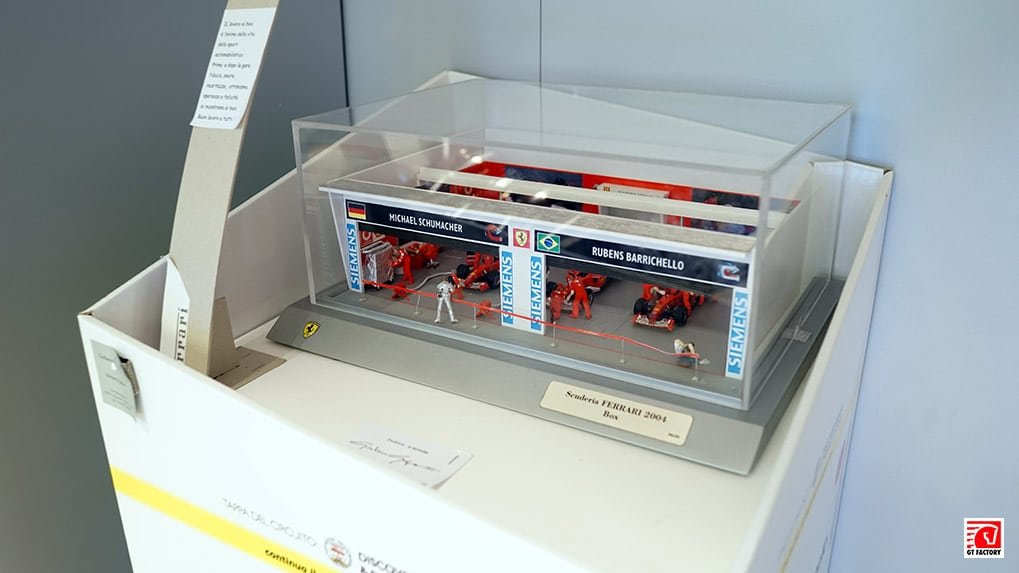
There was also a model of the Scuderia Ferrari paddock from the 2004 Grand Prix season.
The Main Exhibition Begins
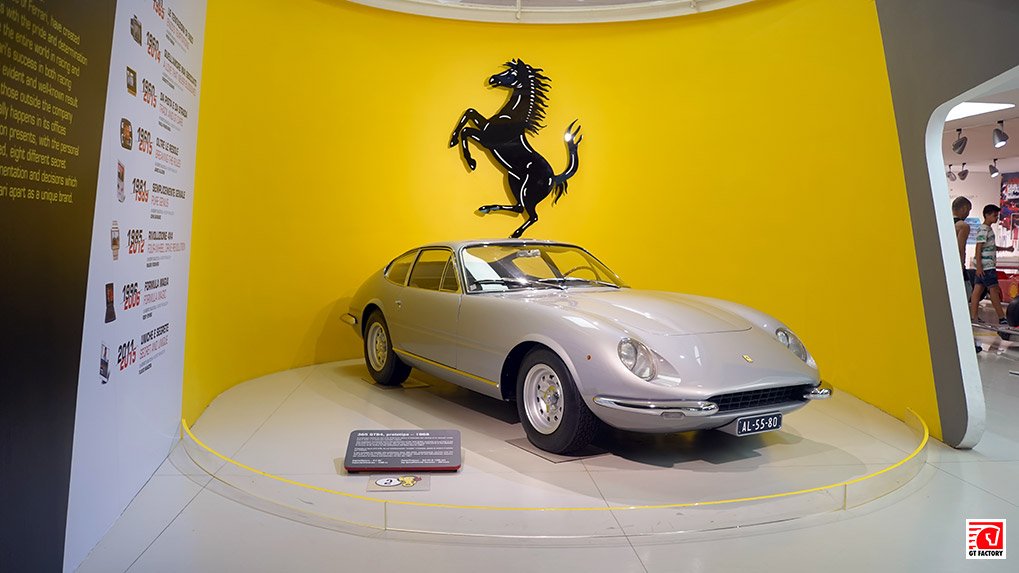
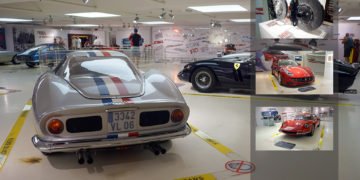
The main exhibition opens with a 1968 Ferrari 365 GTB4 prototype. It is powered by a naturally aspirated 4.4-liter V12 with a 60-degree bank angle. Even at that time, the car produced 352 hp and reached a top speed of 280 km/h. For its era, those figures were remarkable.
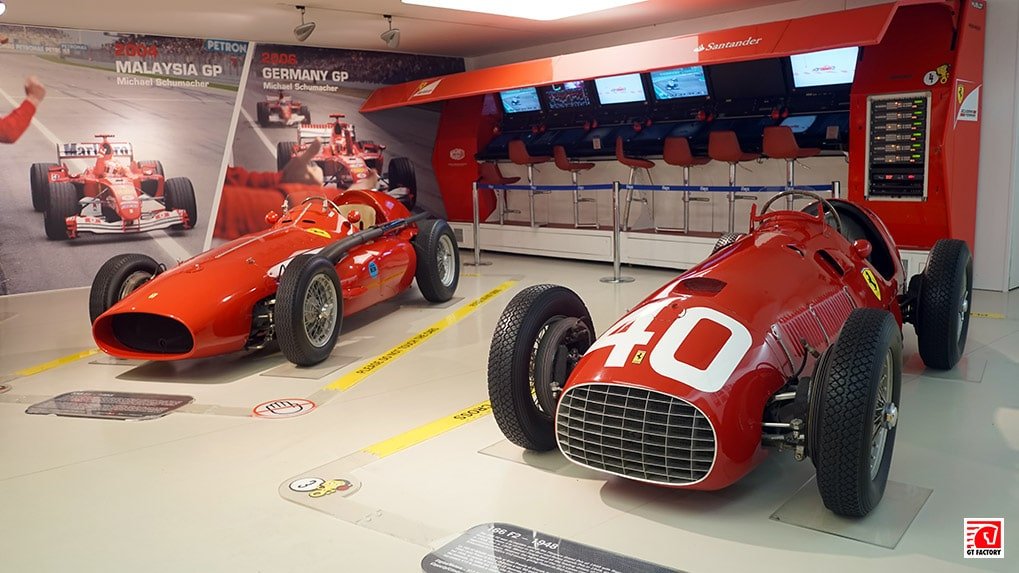
The first hall is dedicated to the development of Ferrari racing cars. Alongside the exhibits, which understandably are not to be touched, there are many interactive displays. However, I had another museum planned for the same day. Because of that, a deeper look would have to wait for another visit.
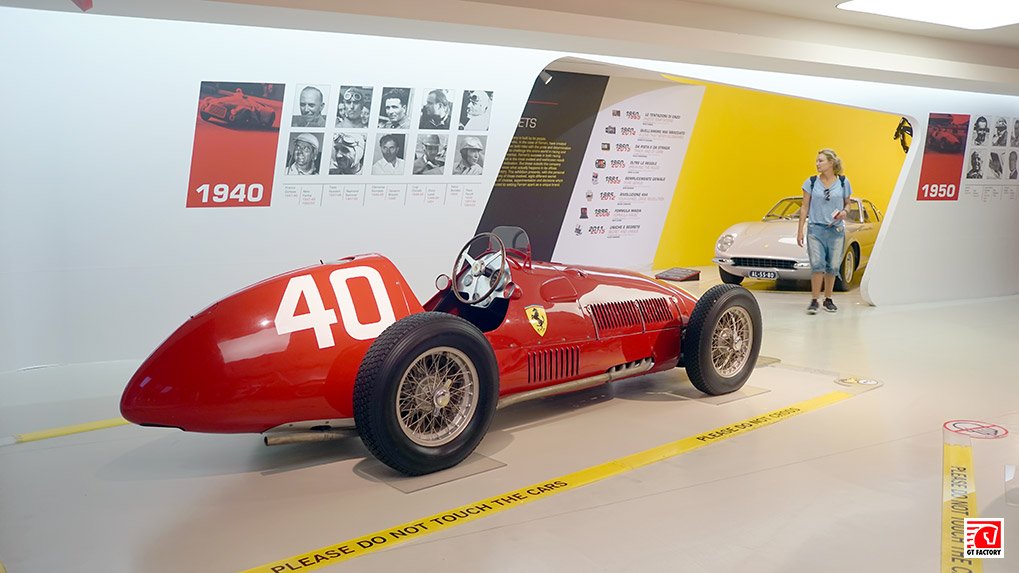
The bodies of early racing cars and their driver cockpits strongly resemble aircraft fuselages and pilot compartments. Because of that, it is easy to see where the tradition of calling racing drivers “pilots” may have come from.
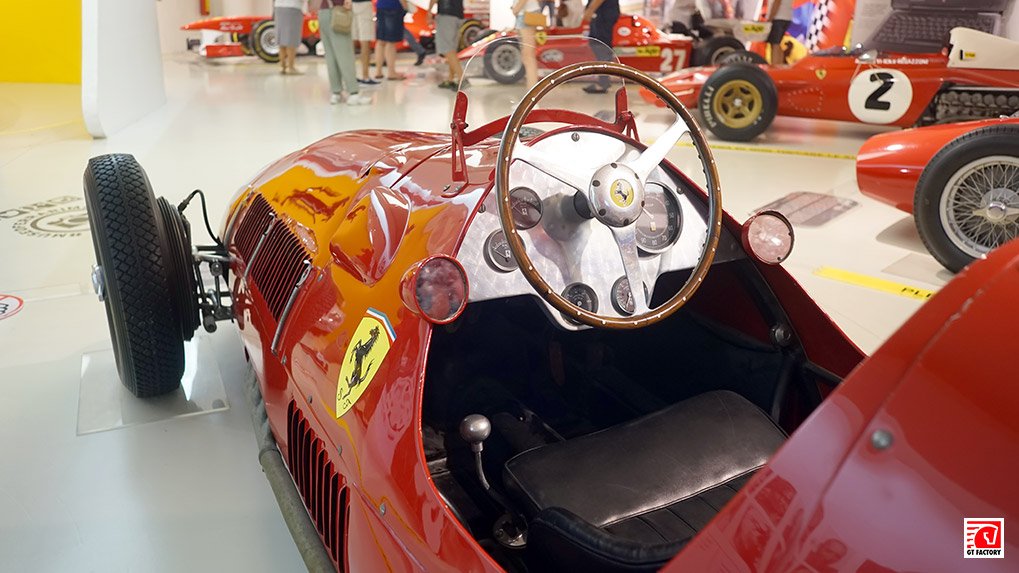
In fact, it really does look a lot like the cockpit area of a pre-war aircraft.
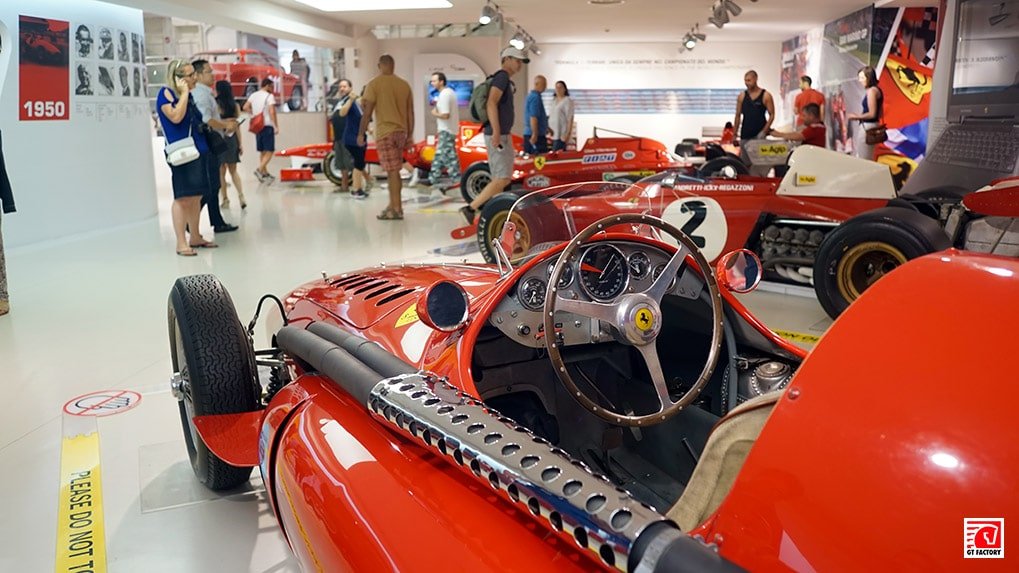
Of course, evolution never stands still. Even so, there is still something in these older machines that many modern ones no longer carry.
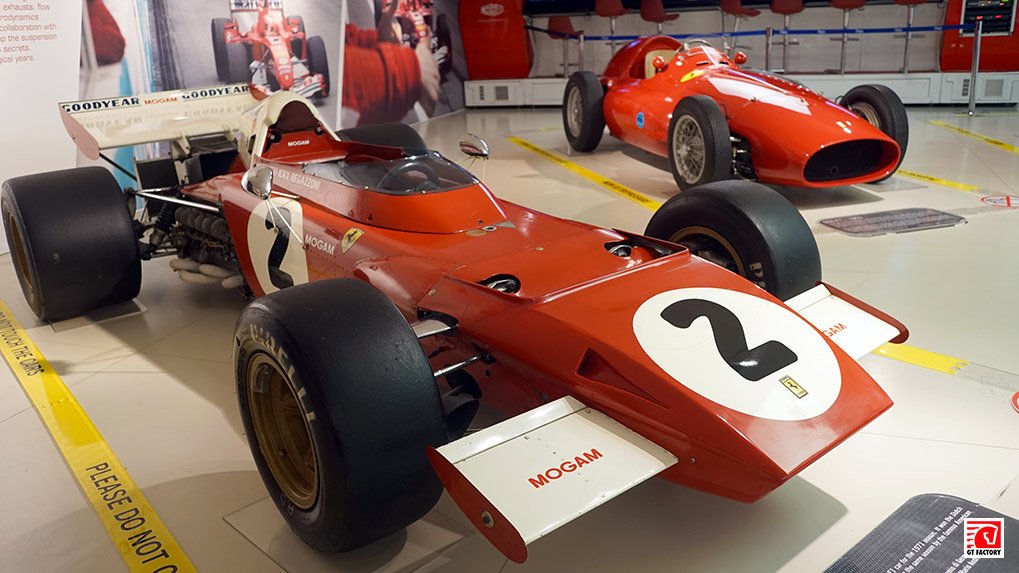
This is exactly how racing cars looked in my imagination when I was a child.
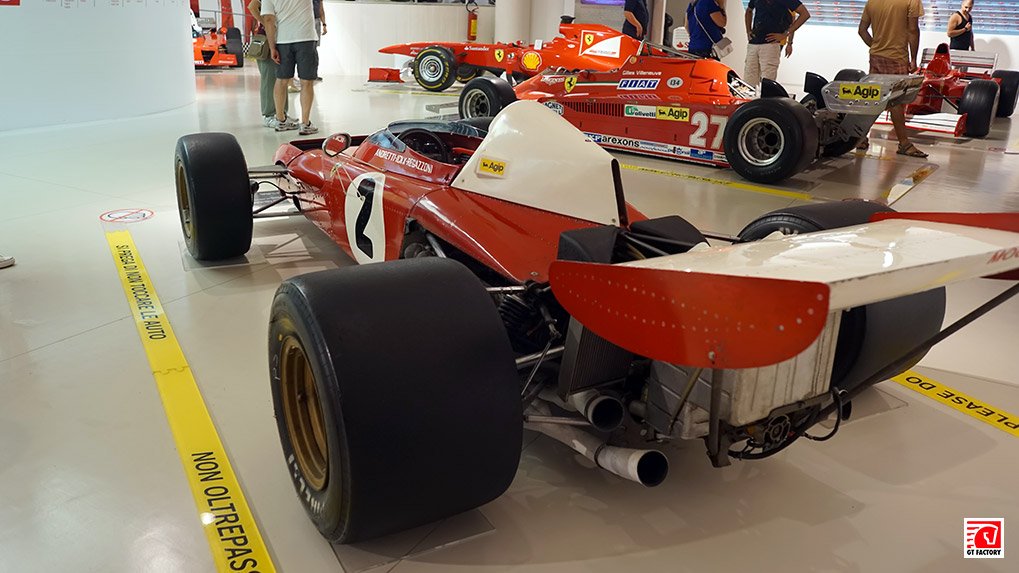
Back then, even toy manufacturers at home made plastic cars that looked surprisingly close to this shape.
Formula 1 Evolution
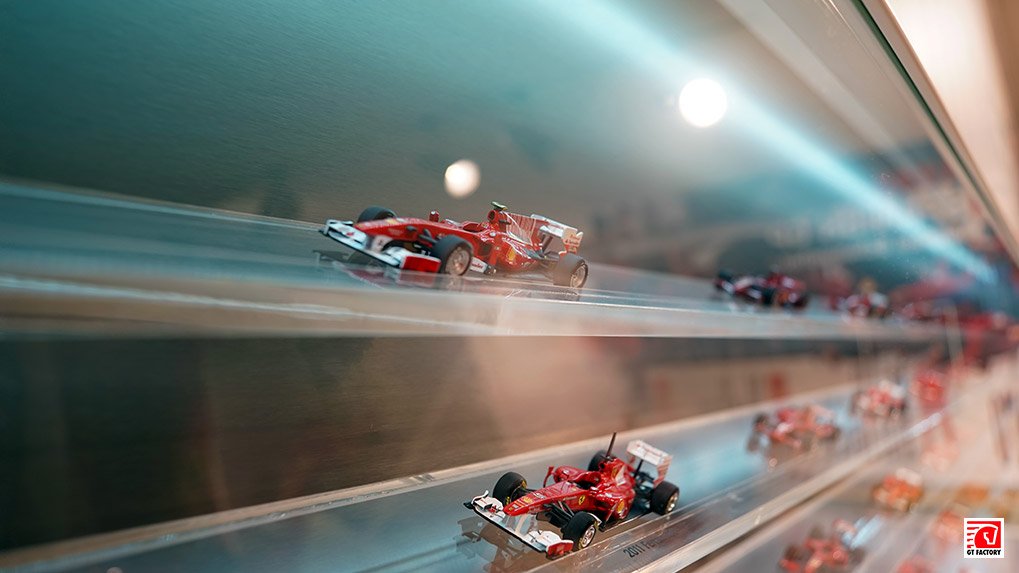
One of the most impressive features in the hall is the wall covered with miniature models of Ferrari racing cars from across the years.
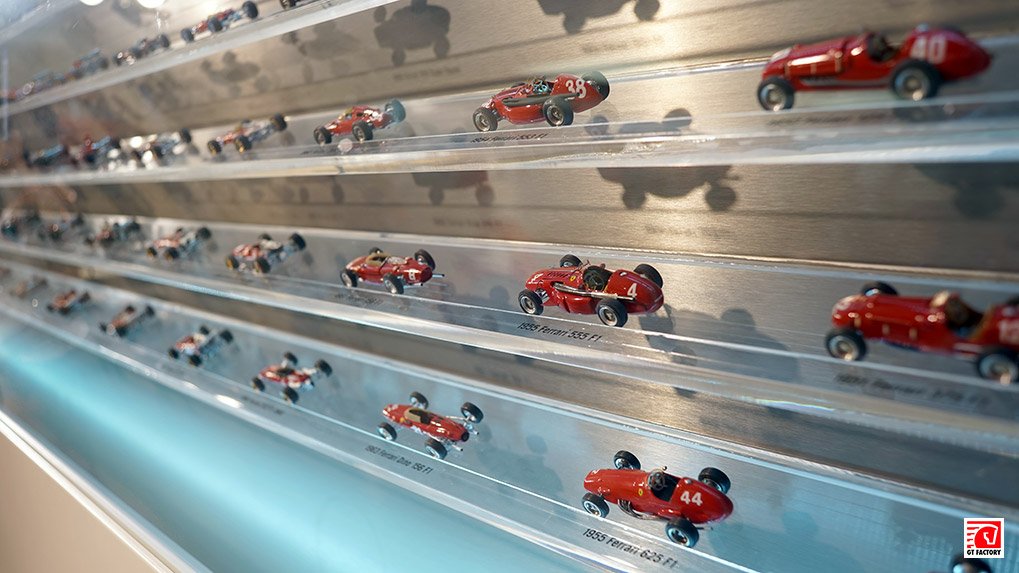
The models are arranged chronologically. In addition, each one carries its chassis number and racing number.
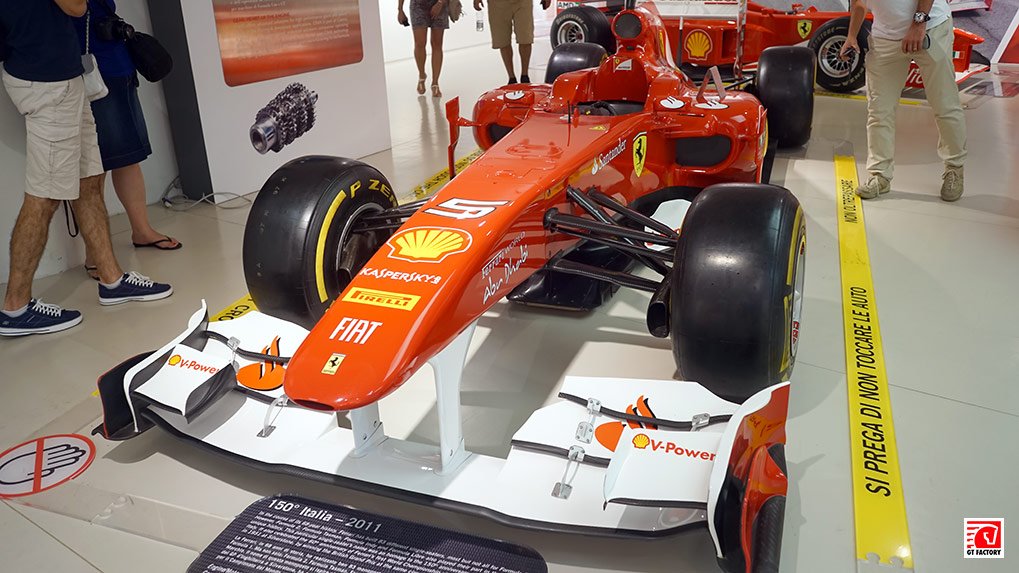
Modern Formula 1 cars are already technological marvels. They are built with materials and solutions that feel close to aerospace engineering. Even so, I was never personally a Scuderia supporter, although I always admired the engineering of every team.
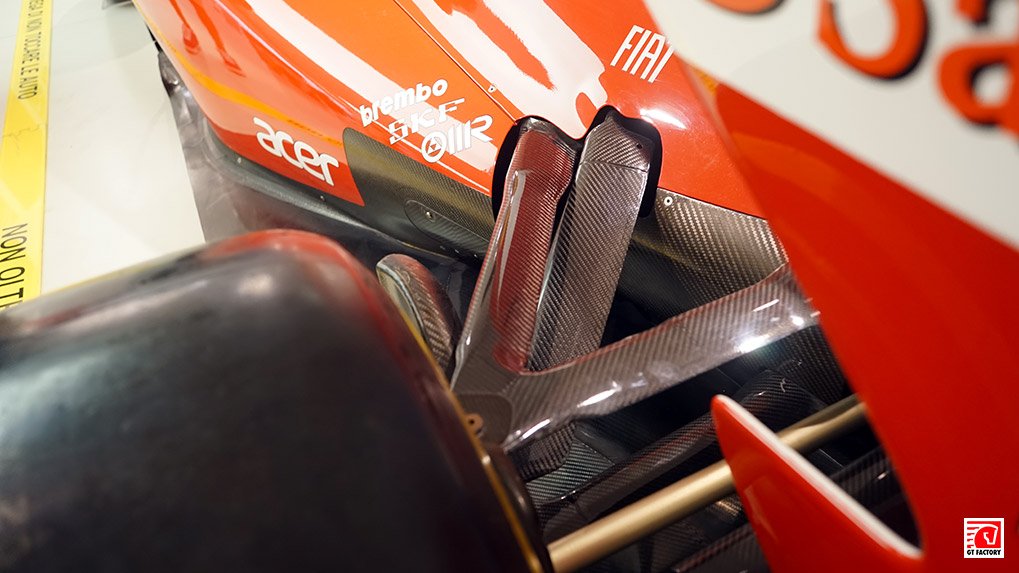
The carbon suspension arms are simply incredible.
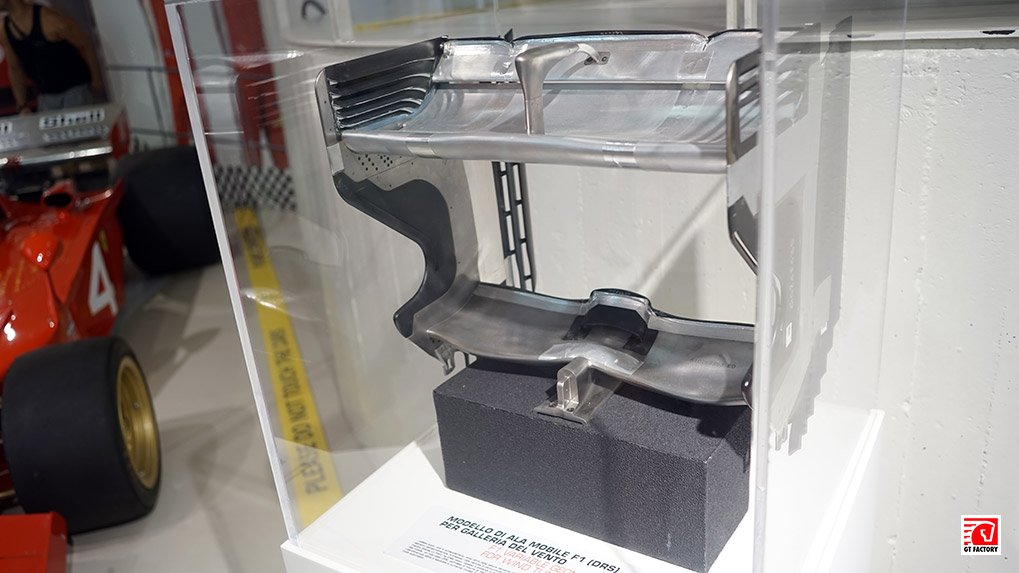
This 1:3 scale rear wing was also built for wind tunnel testing.
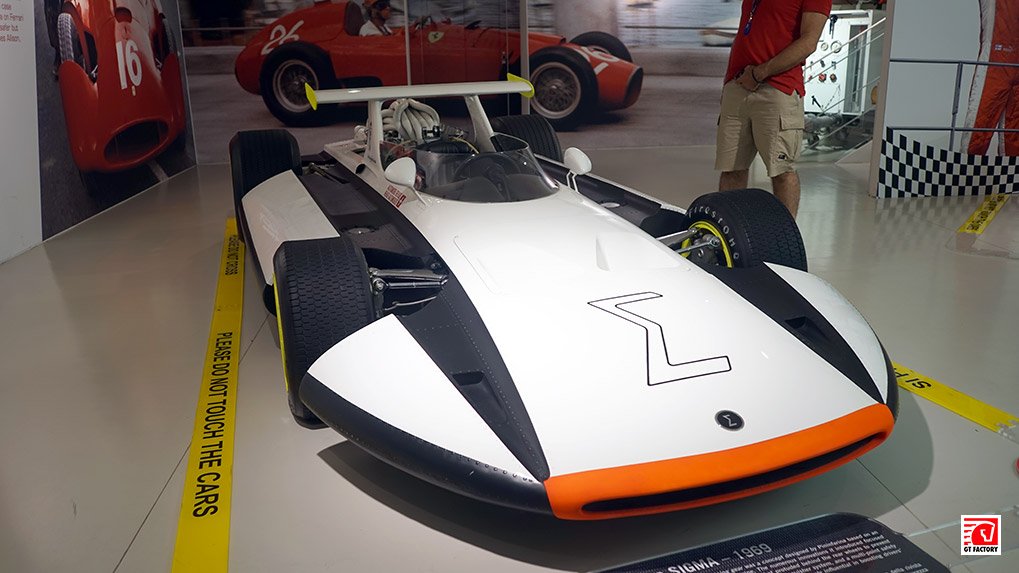
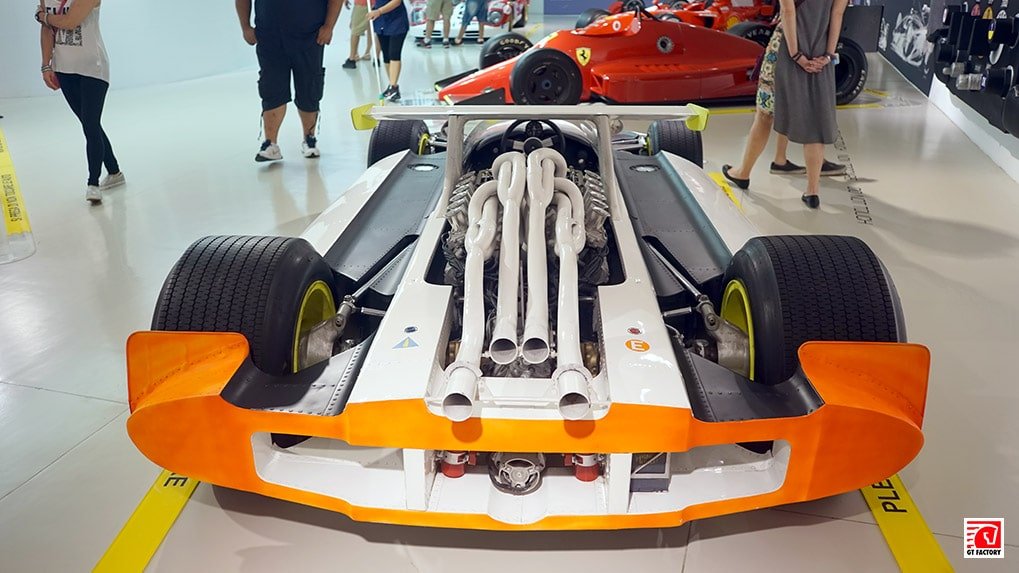
A mega kart from Ferrari? The ceramic-coated headers are stunning to look at. At the same time, behind that visual drama there is also the precision of serious engineering calculation.
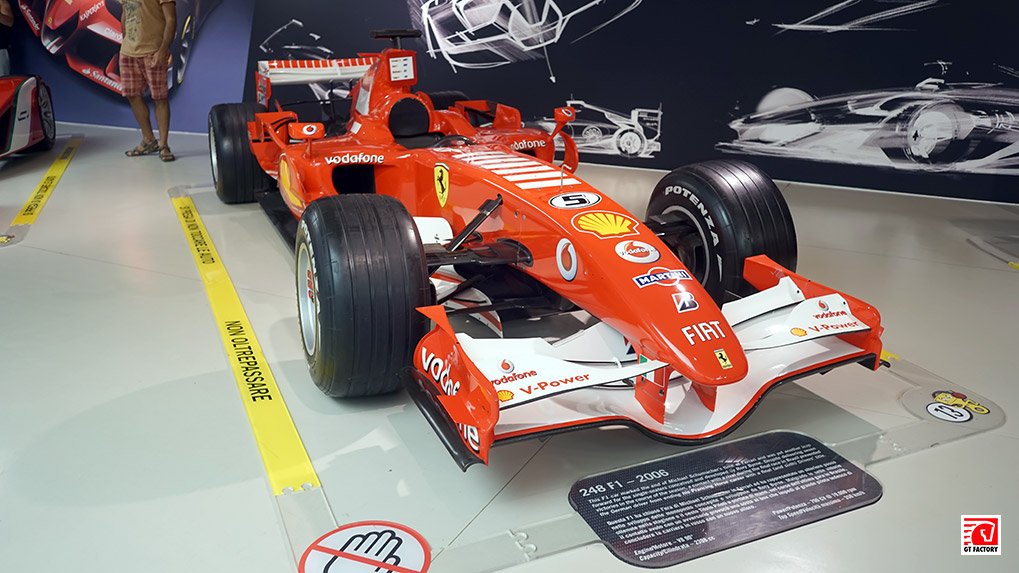
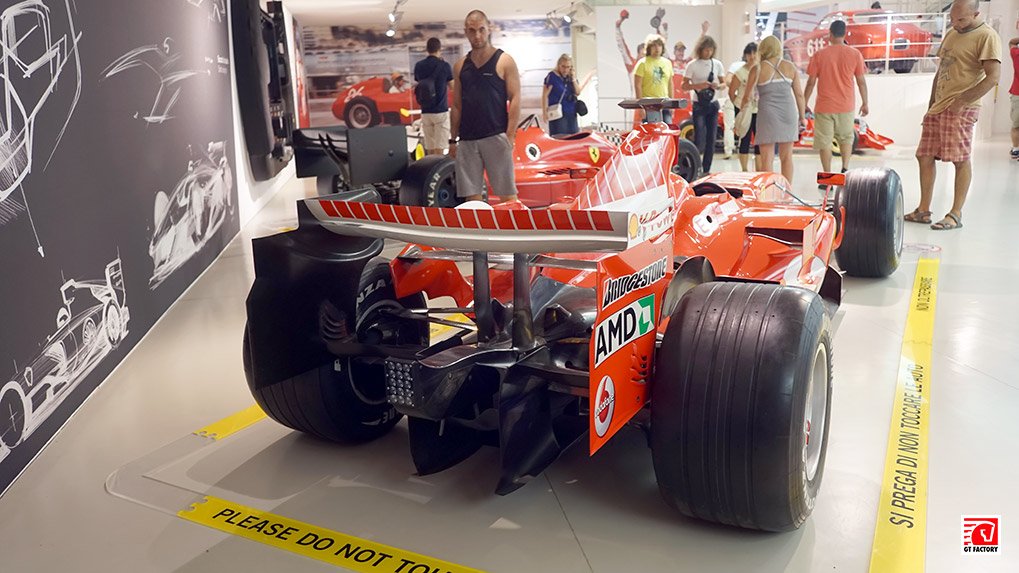
Further into the hall, the cars become progressively more modern. Even a 2006 Formula 1 car still belongs to a period before the current era of heavily regulation-limited machines.
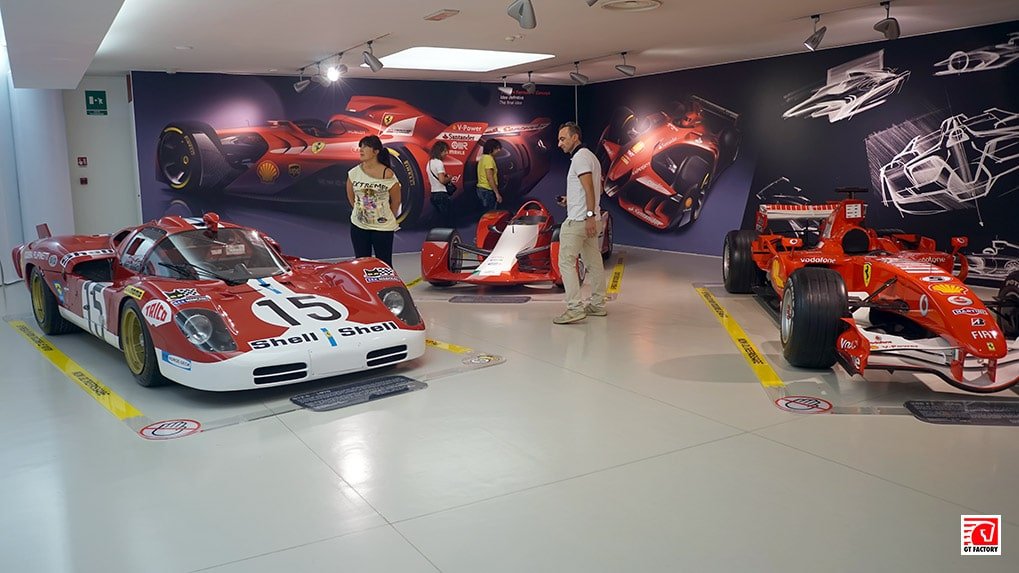
This image captures the past, the present, and perhaps even the future of top-level motorsport. In the background, there is also a concept racing car.
I will continue the museum walk in the next Journal entries. So stay tuned for the next part. Perhaps this section of GT Factory Journal will even inspire the build of your own dream car, possibly with my involvement.
Follow GT Factory on Tumblr and Instagram to stay up to date with the continuation of this series.