
BMW Museum in Munich, 2012
A Short Stop During a Working Trip
During a business trip to Germany, my partner and colleague, certified engineer Matthias Sievers, and I needed to complete the break-in mileage on a Mercedes-Benz McLaren SLR 722 Edition before its next upgrade.
After inspection, service work, and a differential swap to a Drexler unit, the car had to cover at least 1,200 km in a gentle regime, without hard acceleration. Our first day on the road was only partial, so we routed the trip through the BMW Museum in Munich. The plan was simple: stretch our legs, grab a coffee, and take a short look around.
Stretching was absolutely necessary after an hour and a half in the SLR’s far-from-comfortable fixed bucket seats. By the way, Germans pronounce SLR exactly as separate letters: S-L-R.
While driving there, we were constantly being overtaken as we crawled along in the right lane at 100 to 120 km/h. From time to time, people waved or gave us a thumbs-up. Even in the wealthy southern regions of Germany, a car like that still draws genuine excitement.
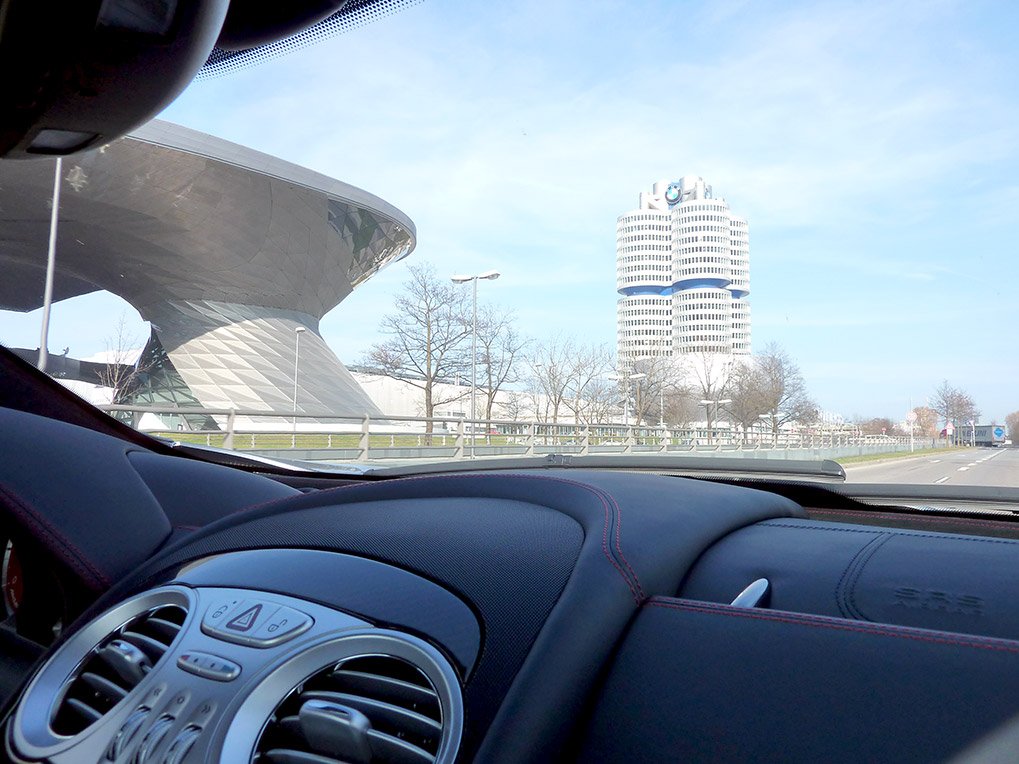
BMW Welt and the Approach to the Museum
Unfortunately, there was no time to explore Munich itself, although I had often heard that it offered one of the richest cultural scenes in Germany. Architecturally, it felt more modern than Stuttgart and its surroundings.
After arriving, we parked underground and headed up to the café inside BMW Welt, arguably BMW’s most impressive showroom.
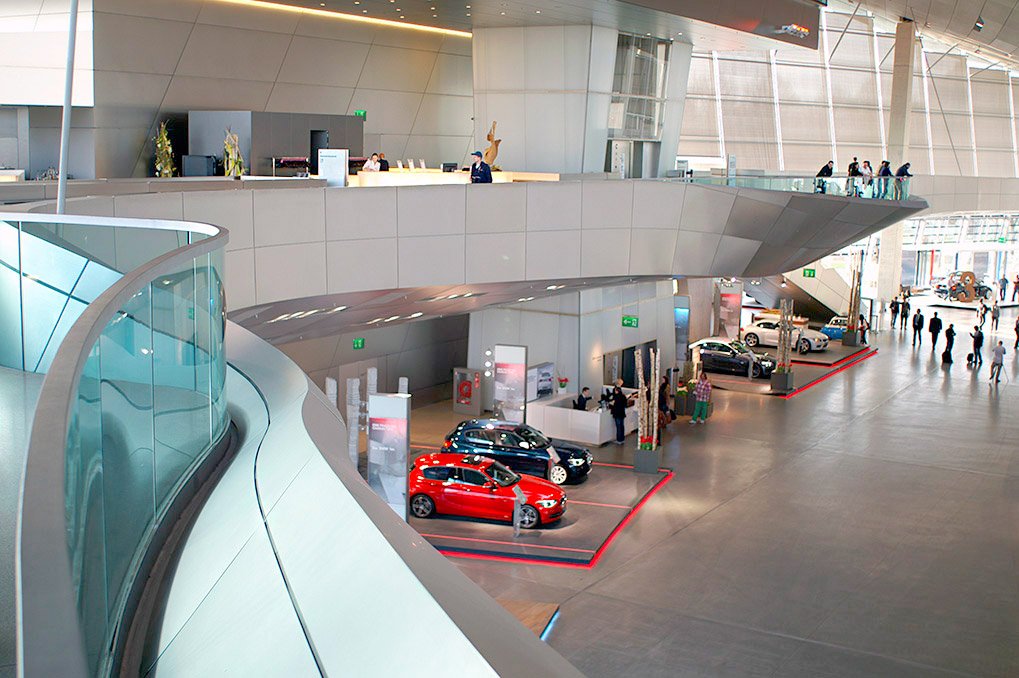
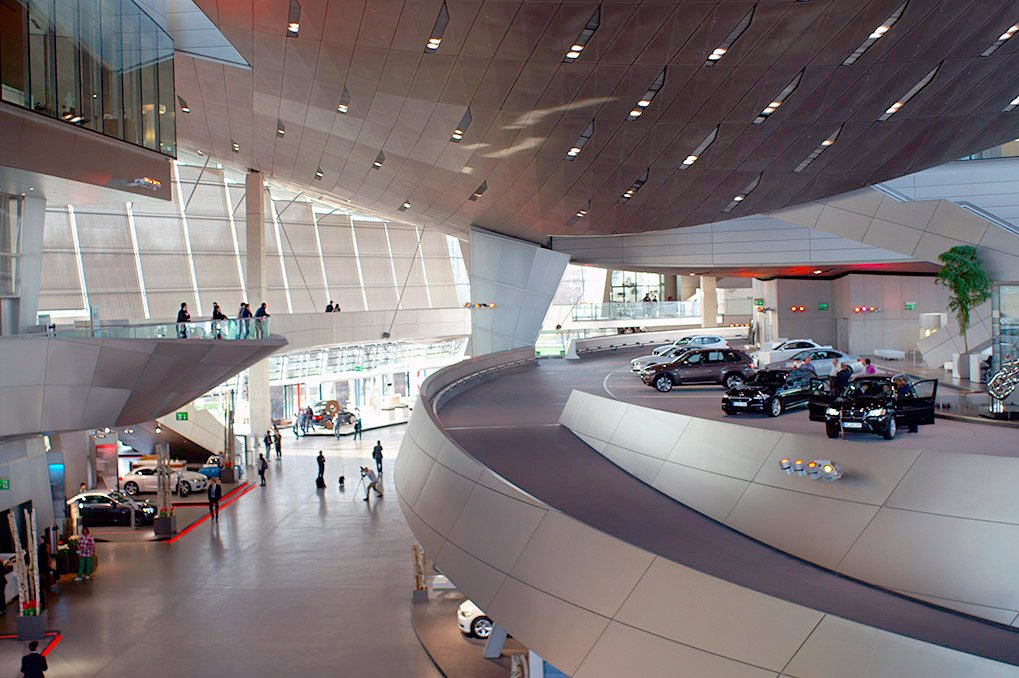
After coffee and a few quick shots inside BMW Welt, we headed toward the passage that connects BMW Welt with the museum, headquarters, and production buildings.
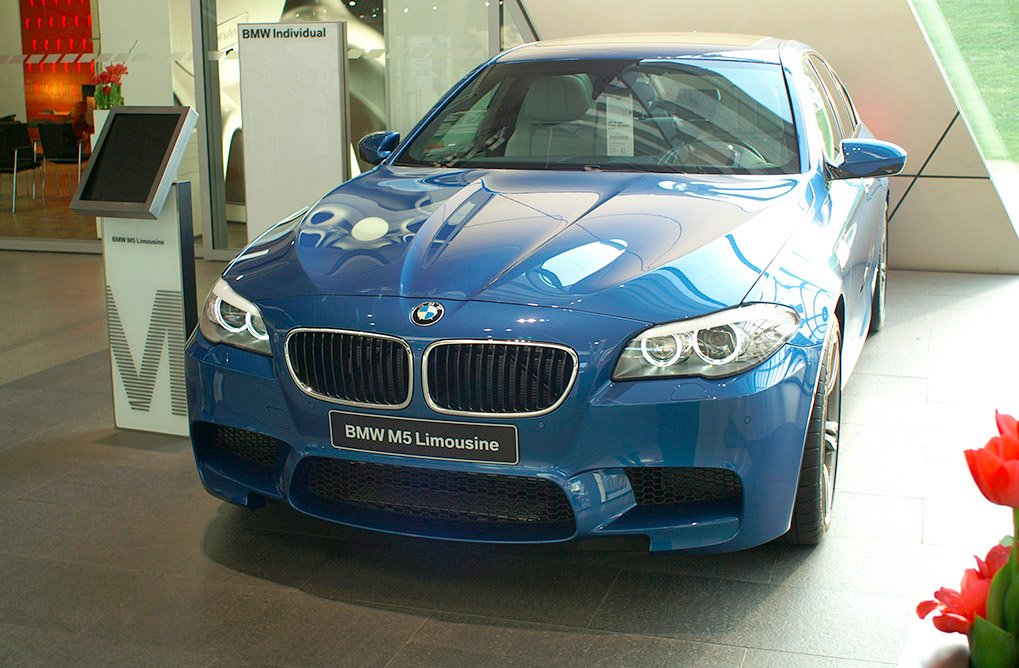
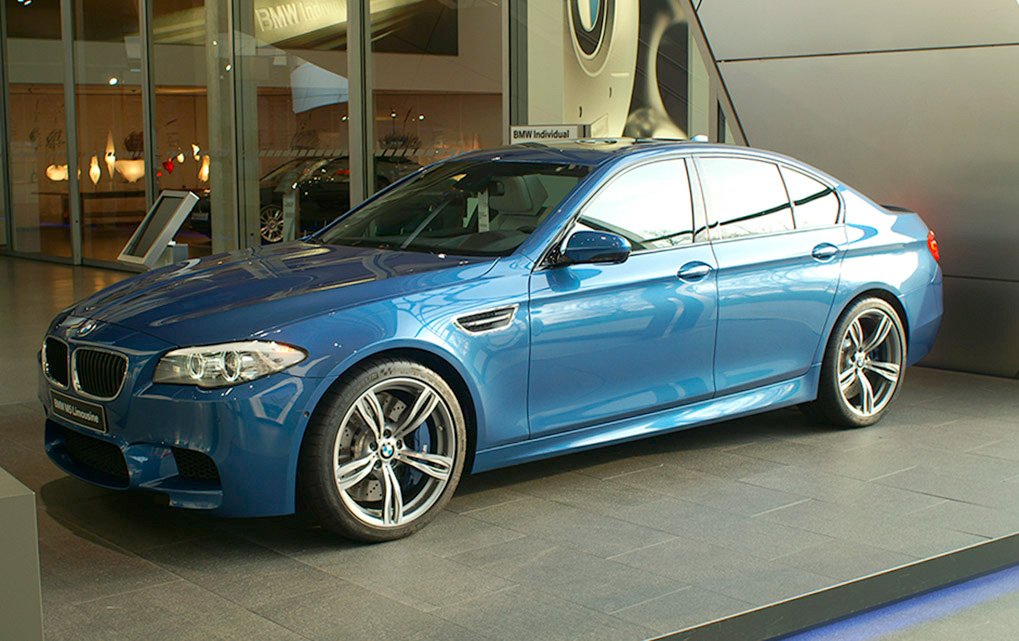
It was impossible to walk past the new BMW M5 F10 without taking a few photos. In March 2012, seeing one in person still felt like a Munich-only privilege.
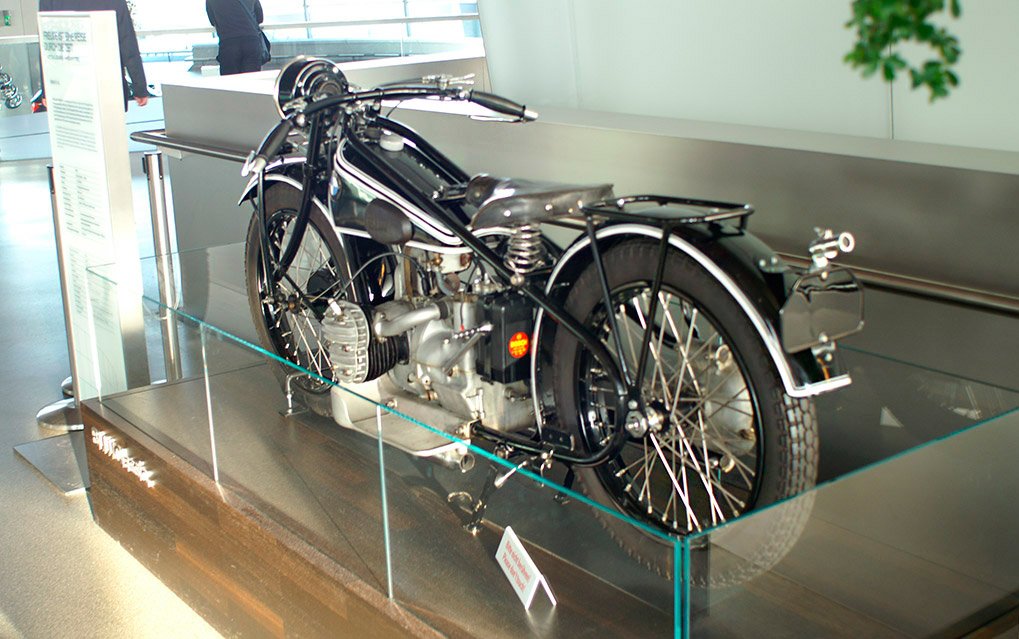
Museum pieces start appearing even before you step inside the museum itself. This was one of those first hints.
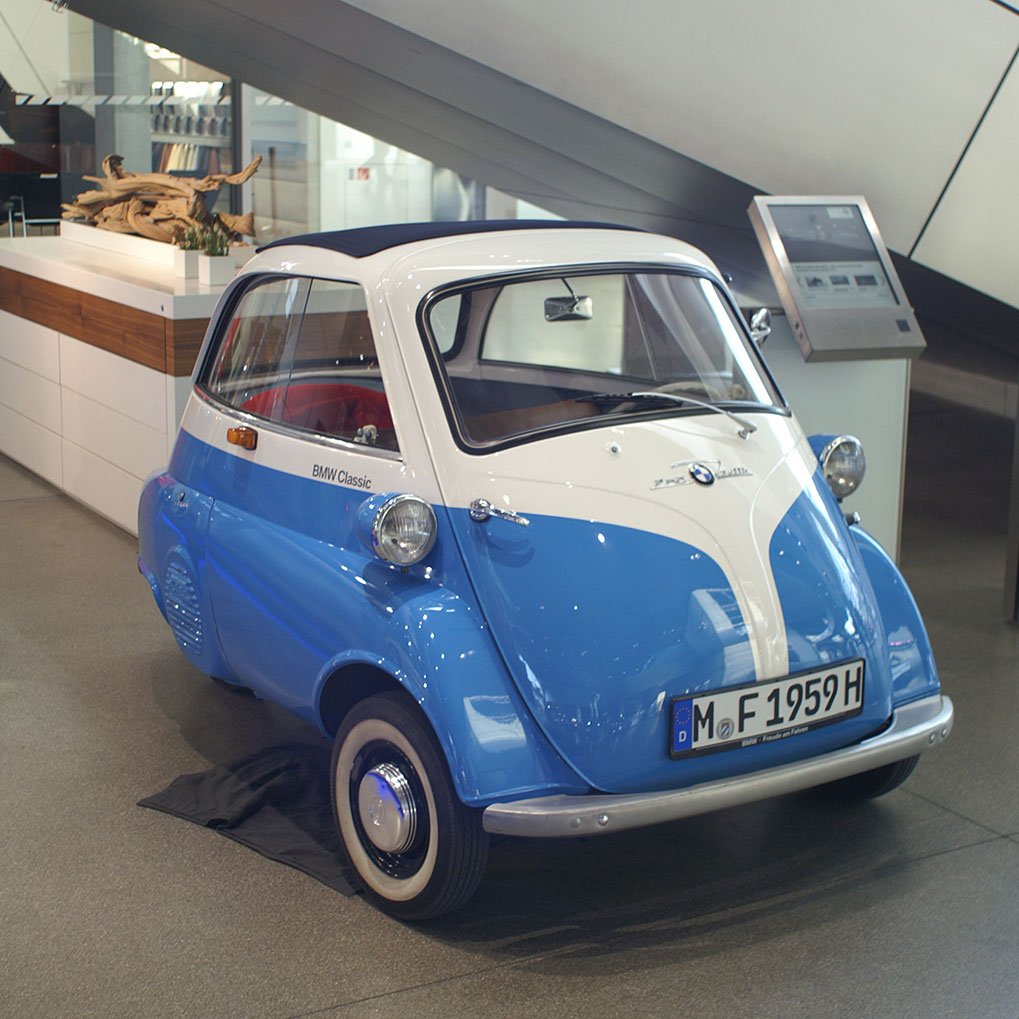
With only about forty minutes left before closing, not photographing the Isetta would have been unforgivable.
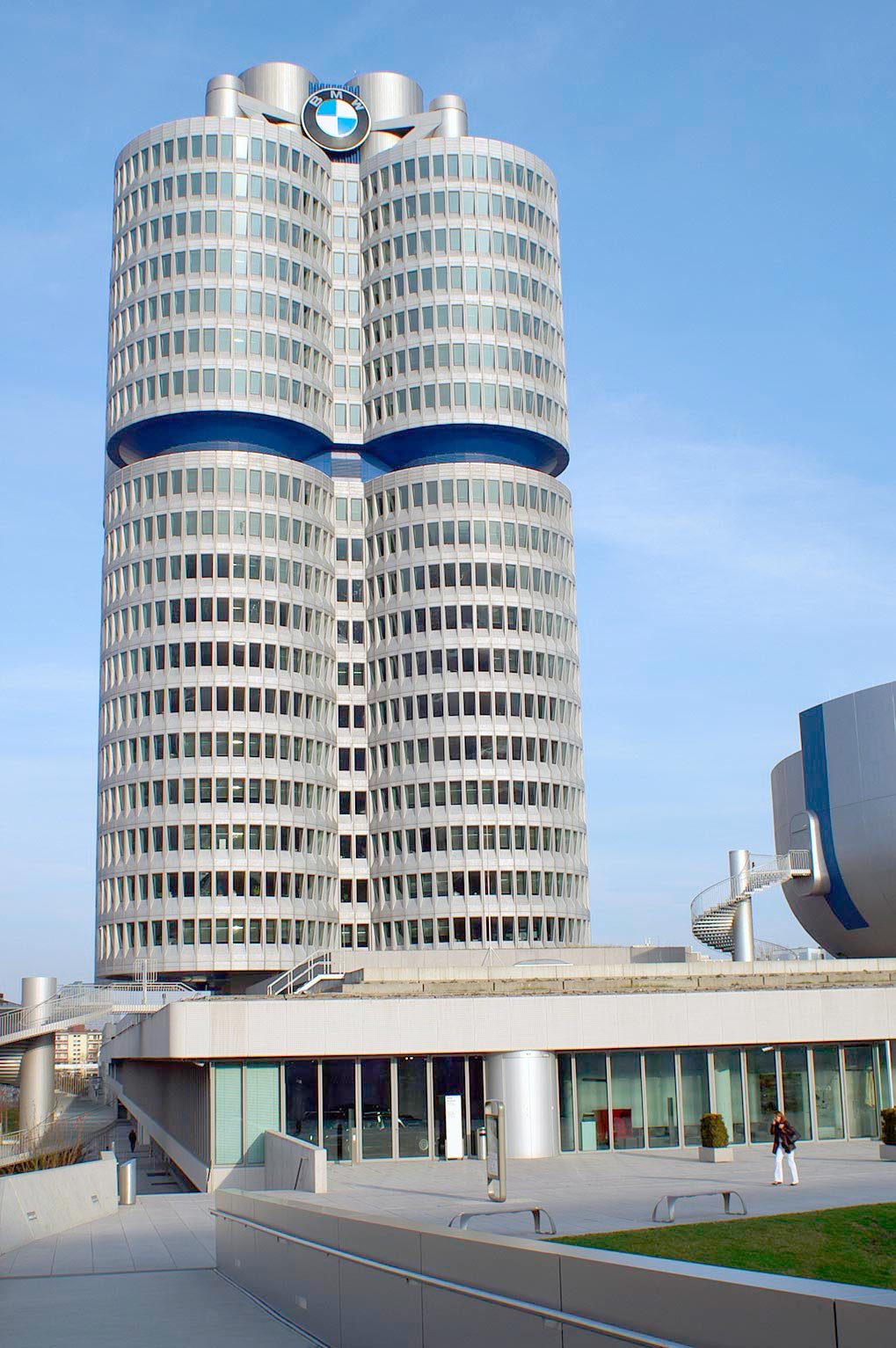
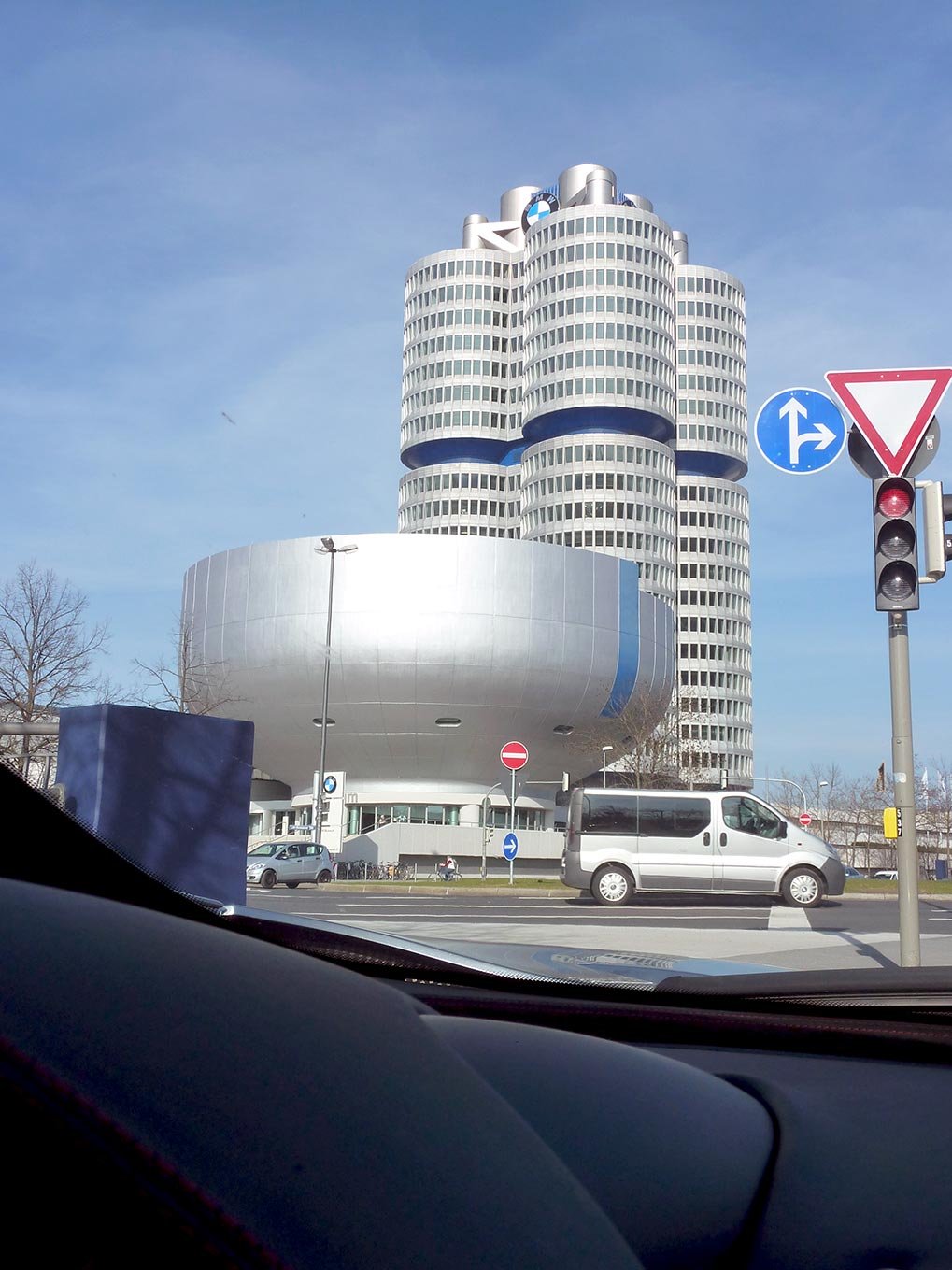
Once we reached the connecting bridge, the BMW Museum and BMW headquarters opened up in front of us.
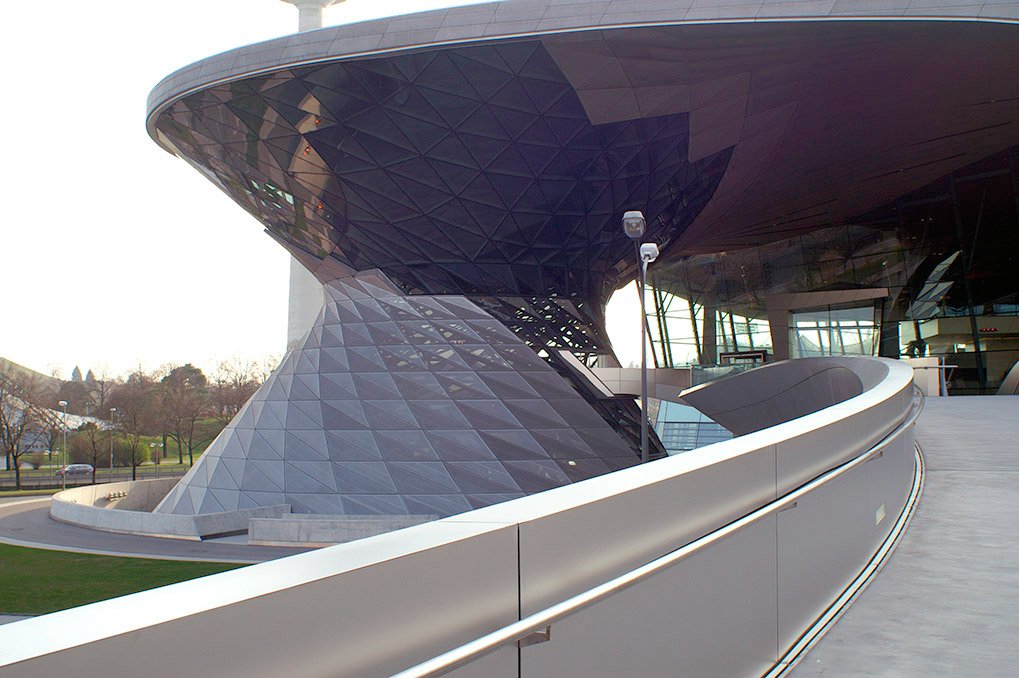
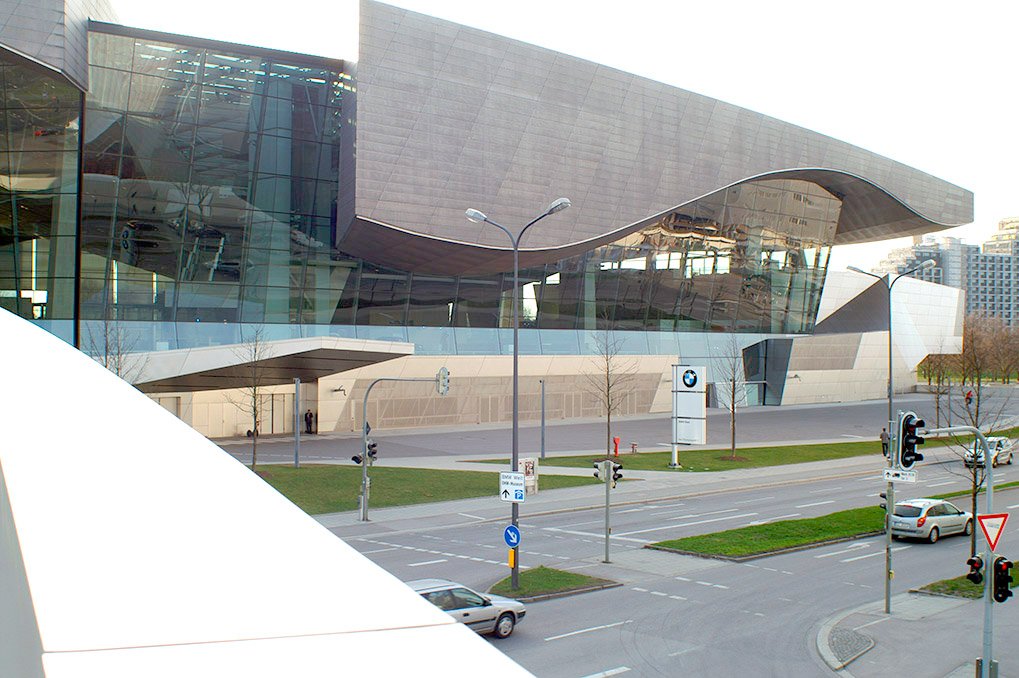
One last look back at BMW Welt.
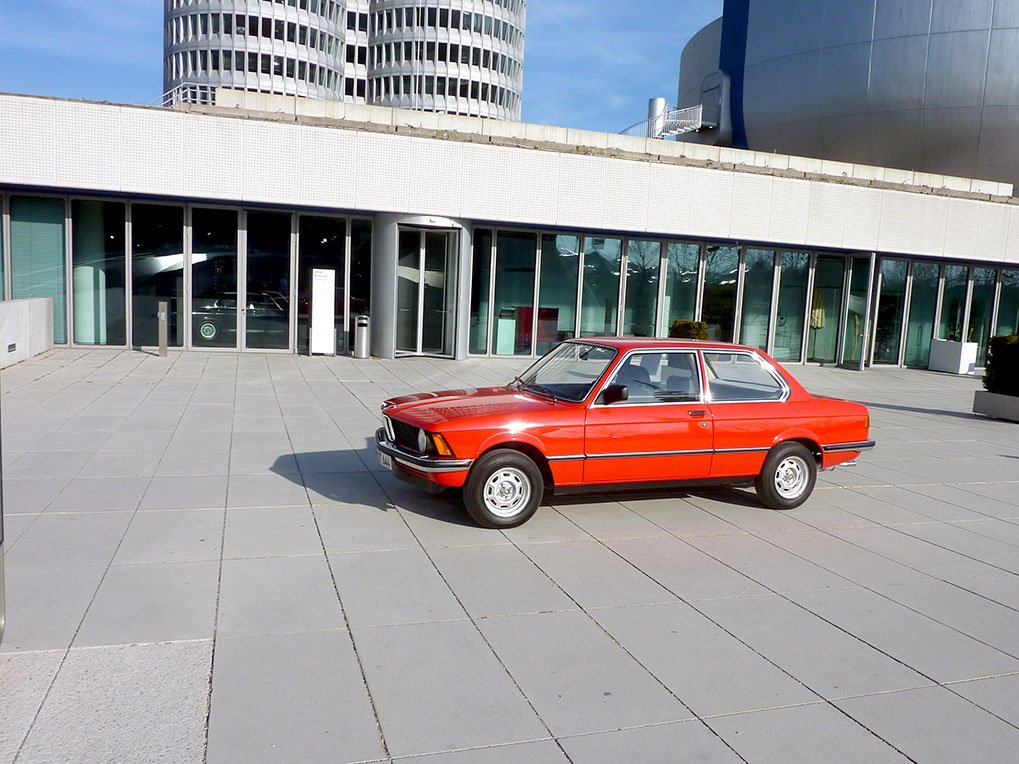
Then straight to the entrance, where a BMW E21 already hinted that a temporary exhibition dedicated to the 3 Series was waiting inside.
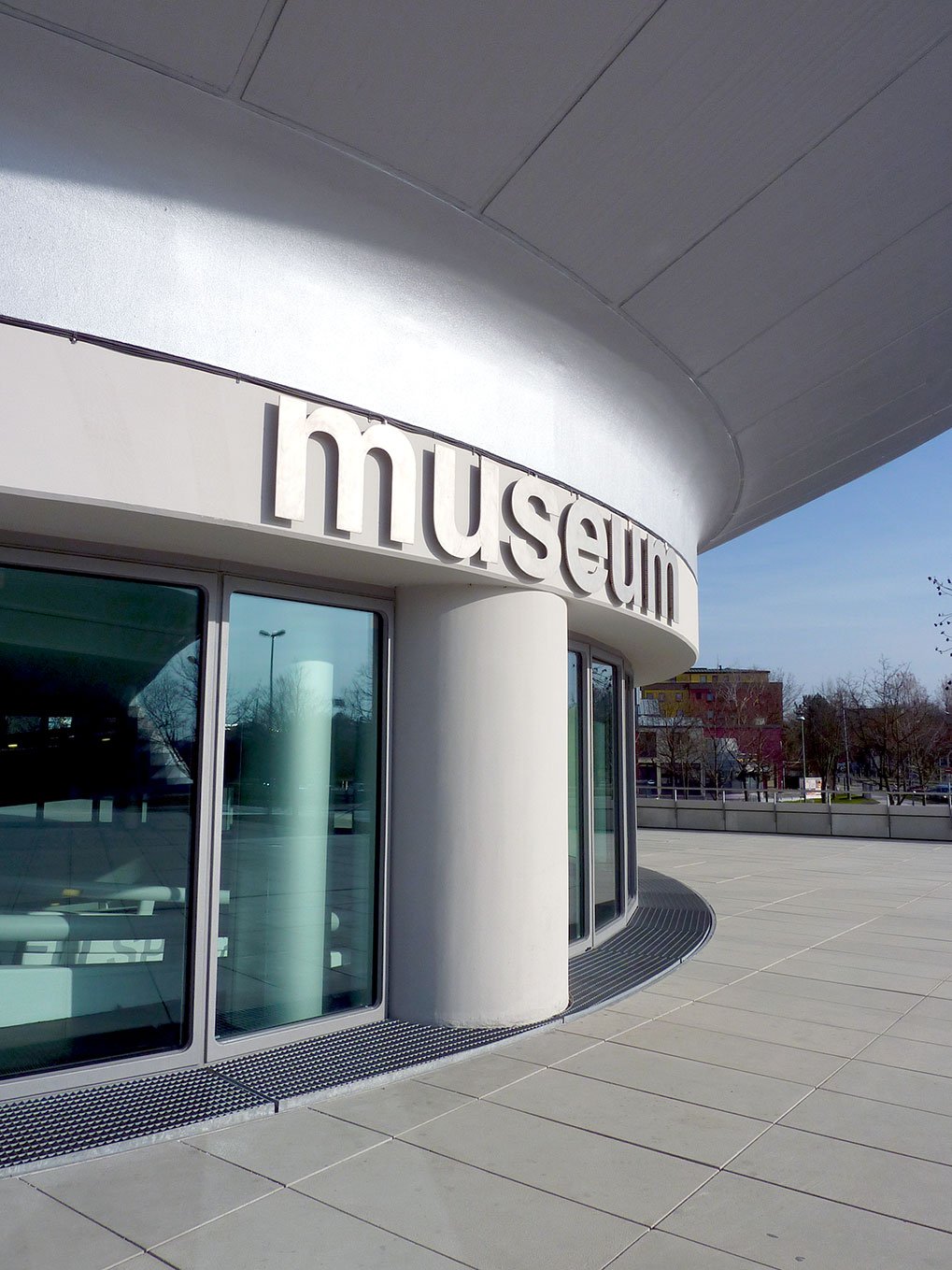
Tickets bought. Time to move. The only thought now was whether we could see and photograph enough before the museum closed.
The Entrance Surprise
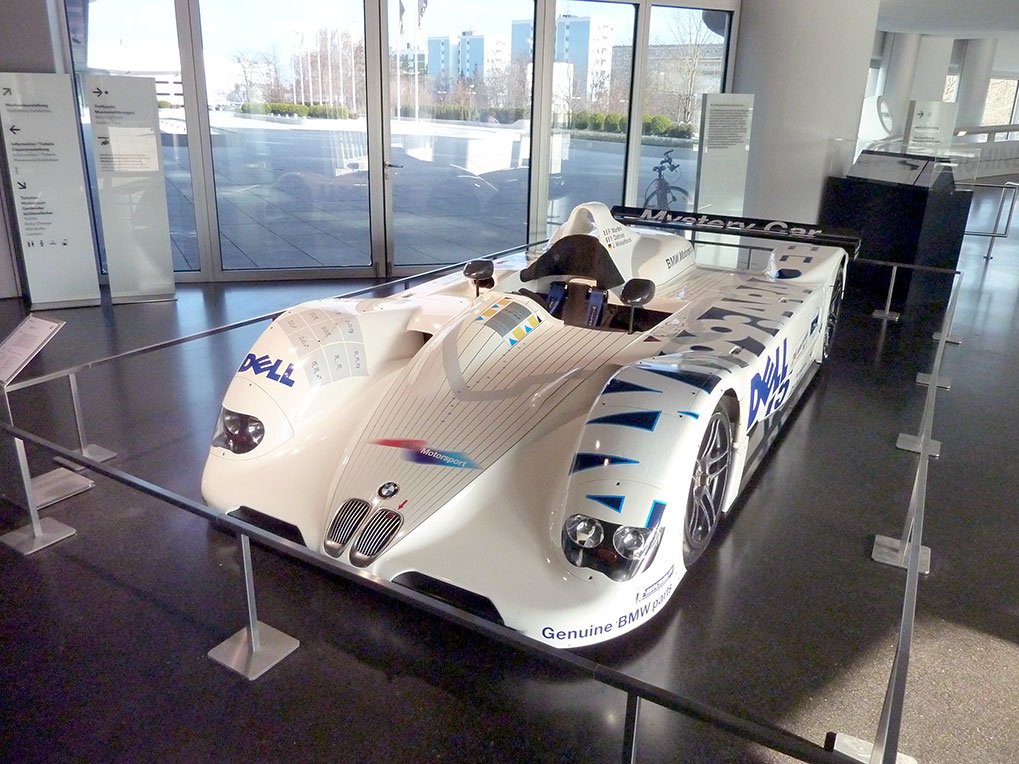
Right at the entrance stood the legendary BMW V12 LMR. We were lucky to catch it there, because it was due to remain on display for only two more days.
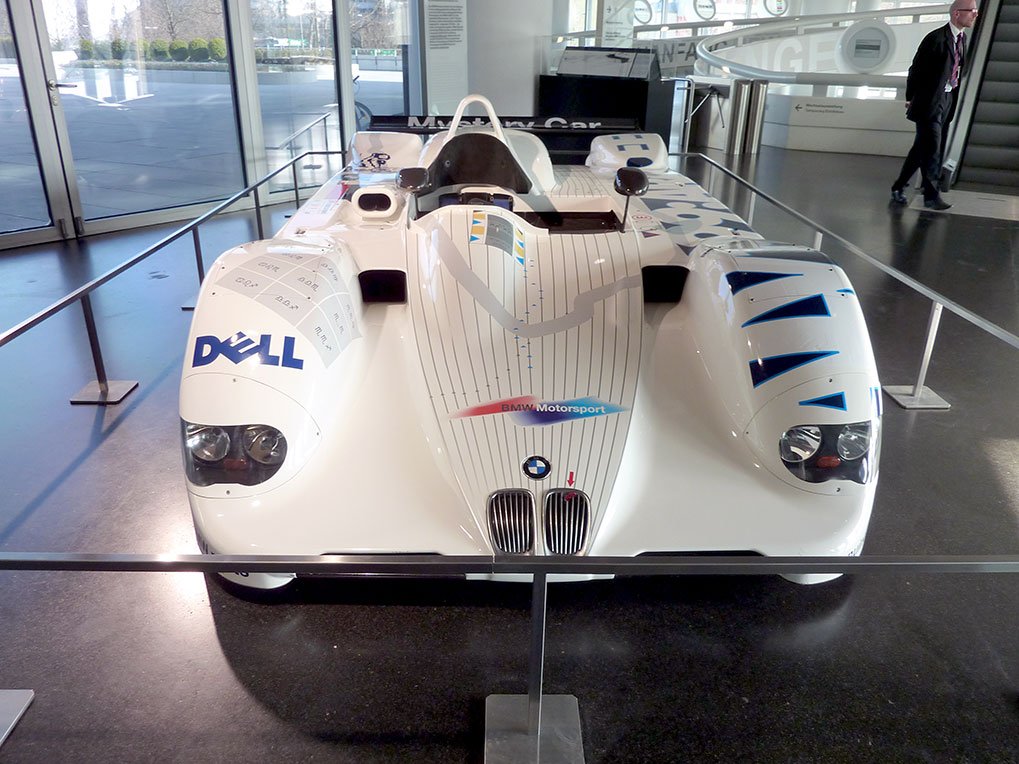
This car was not only a motorsport icon from Le Mans in 1999. It also served as a three-dimensional puzzle.
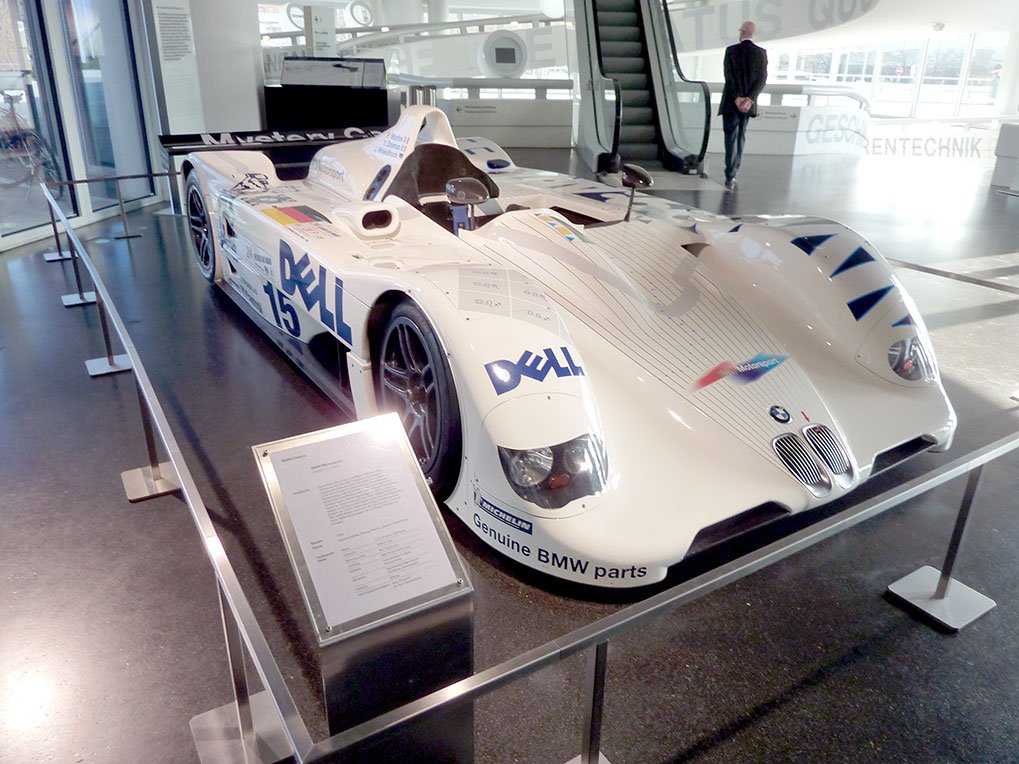
Its body carried sixteen linked riddles made up of symbols and signs. Anyone who solved them had a chance to spend a day behind the wheel of a BMW M3 as part of the BMW M Experience: BMW M Power Insider program.
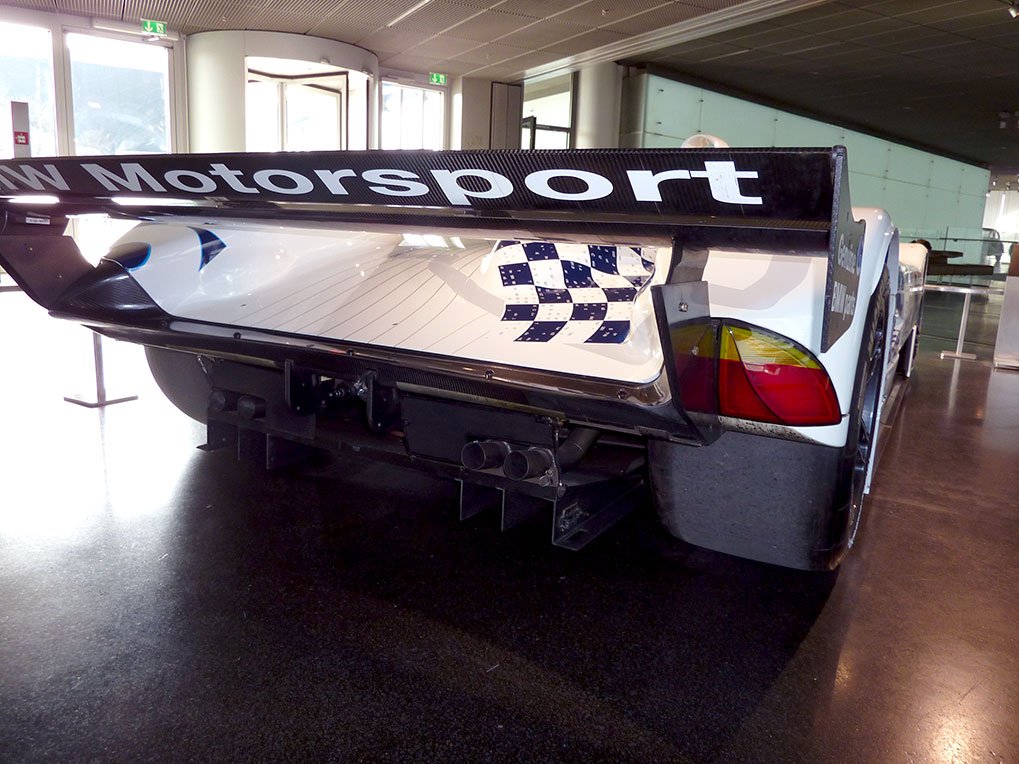
The car was developed with BMW Motorsport and Williams F1. Its carbon-aluminum chassis carried the 5,990 cc S70/3 V12, producing 601 hp at 7,500 rpm and 651 Nm of torque at 5,600 rpm. Power went through a 6-speed X-Trac sequential gearbox. The same engine family was also used in the McLaren F1, the hypercar benchmark of that era.
The Motorcycle Hall
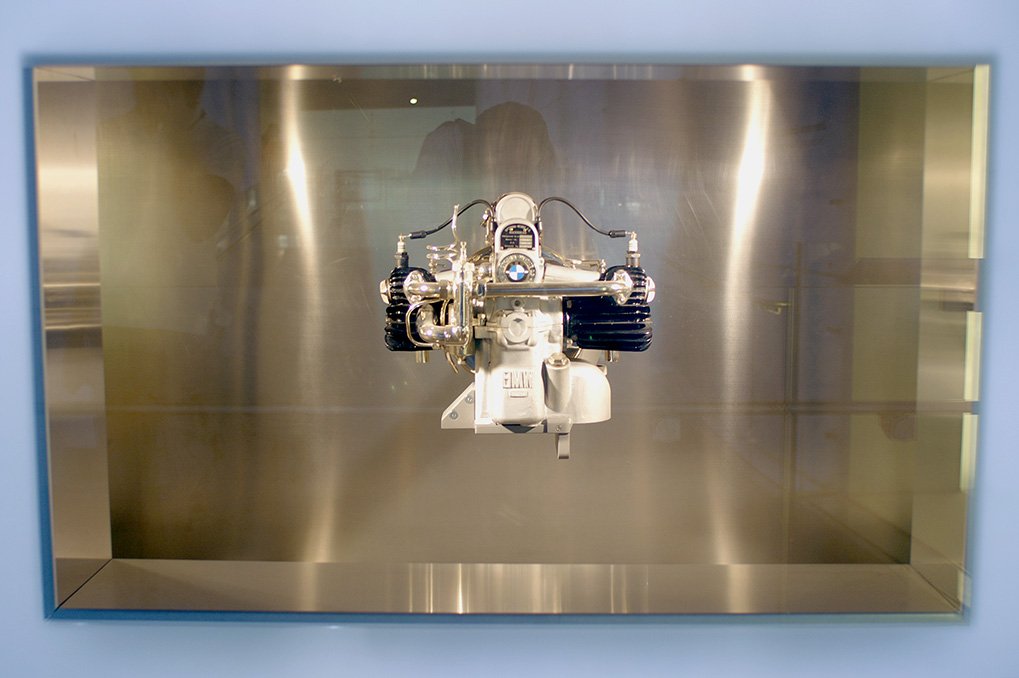
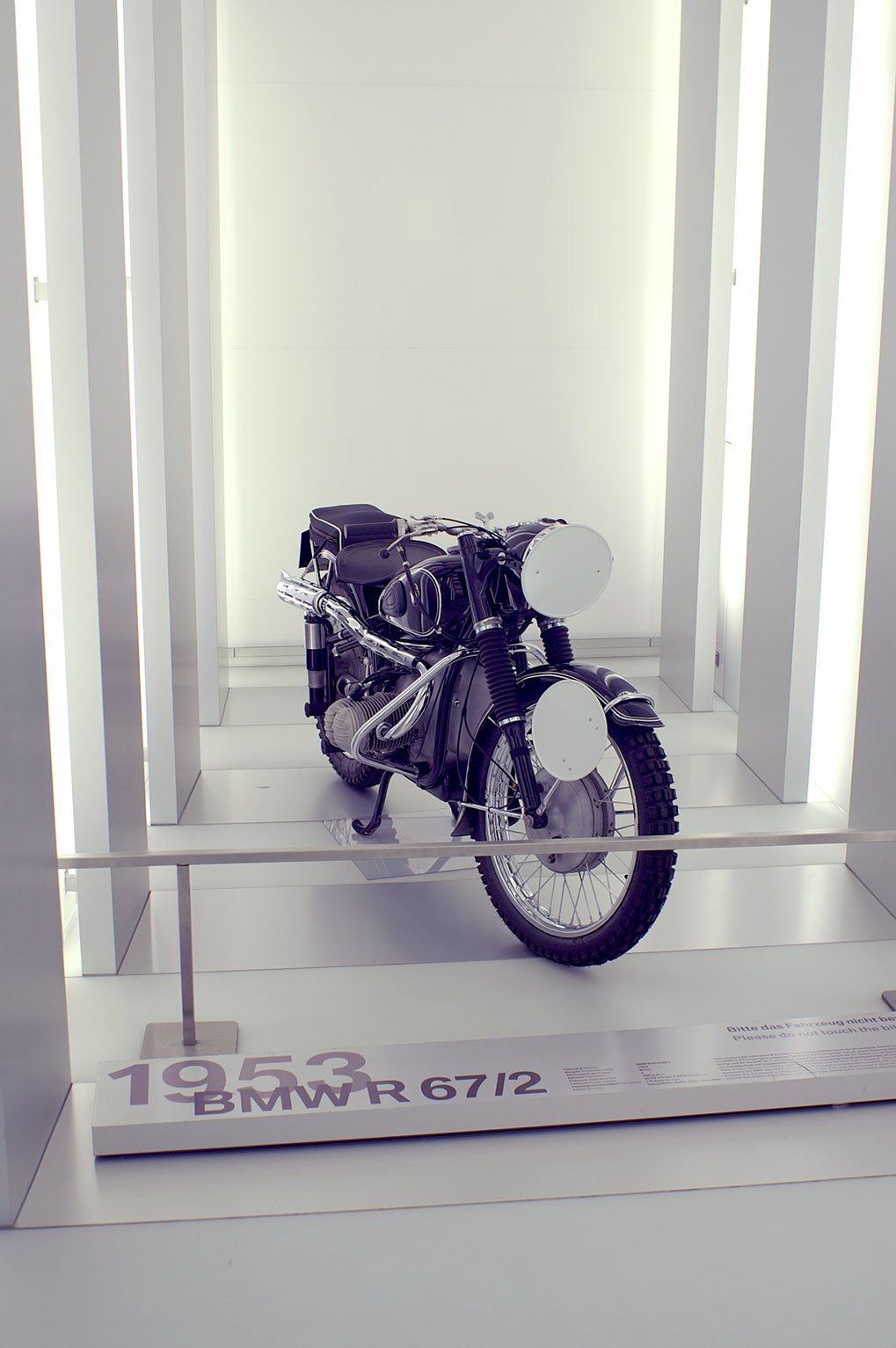
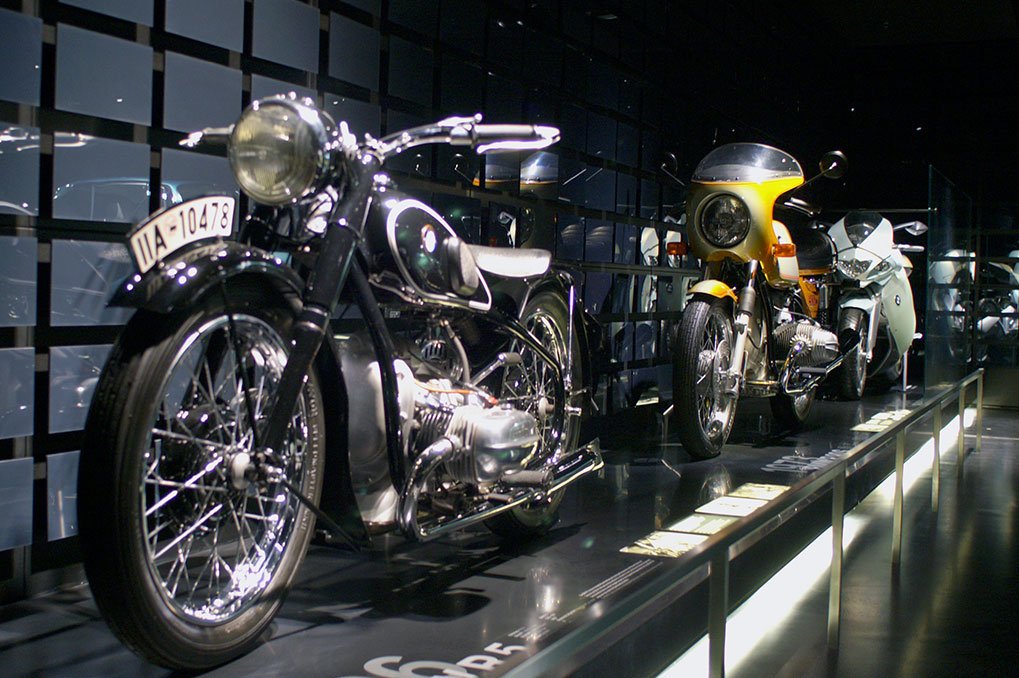
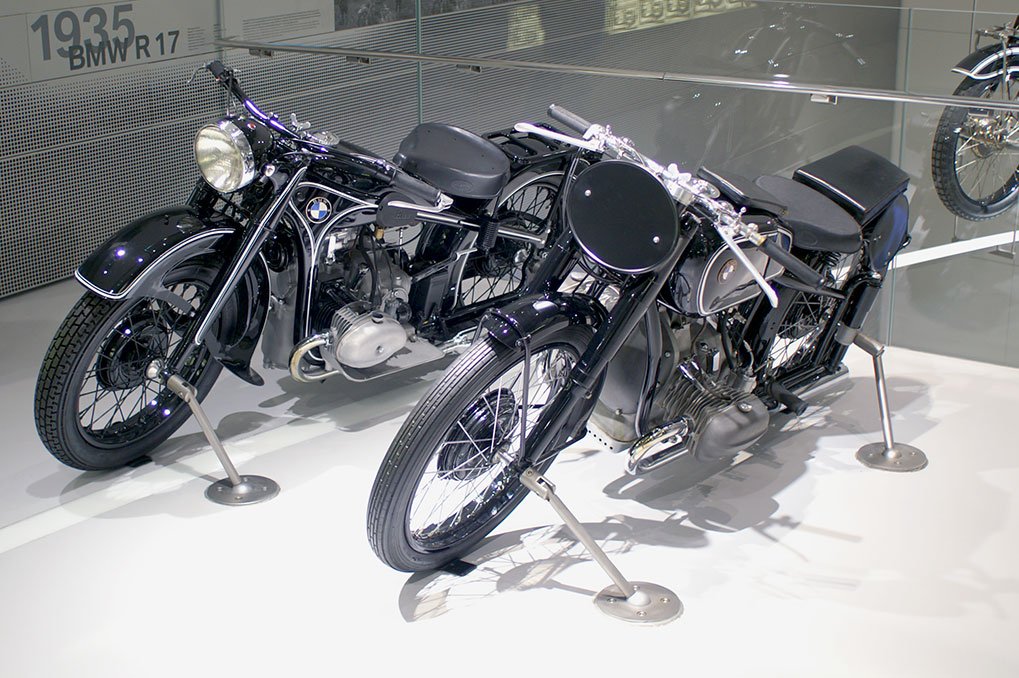
One of the first exhibits in the main display was BMW’s legendary boxer motorcycle engine. Motorcycles are an essential part of the brand’s history, and the 1953 R67/2 opens the entrance to the hall dedicated to BMW motorcycles.
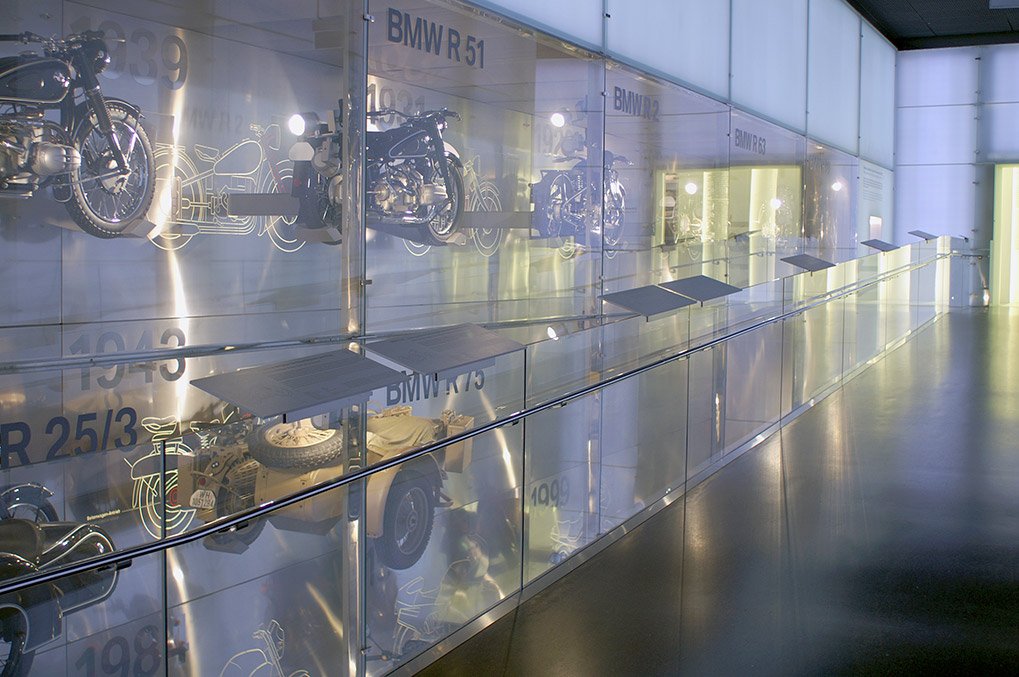
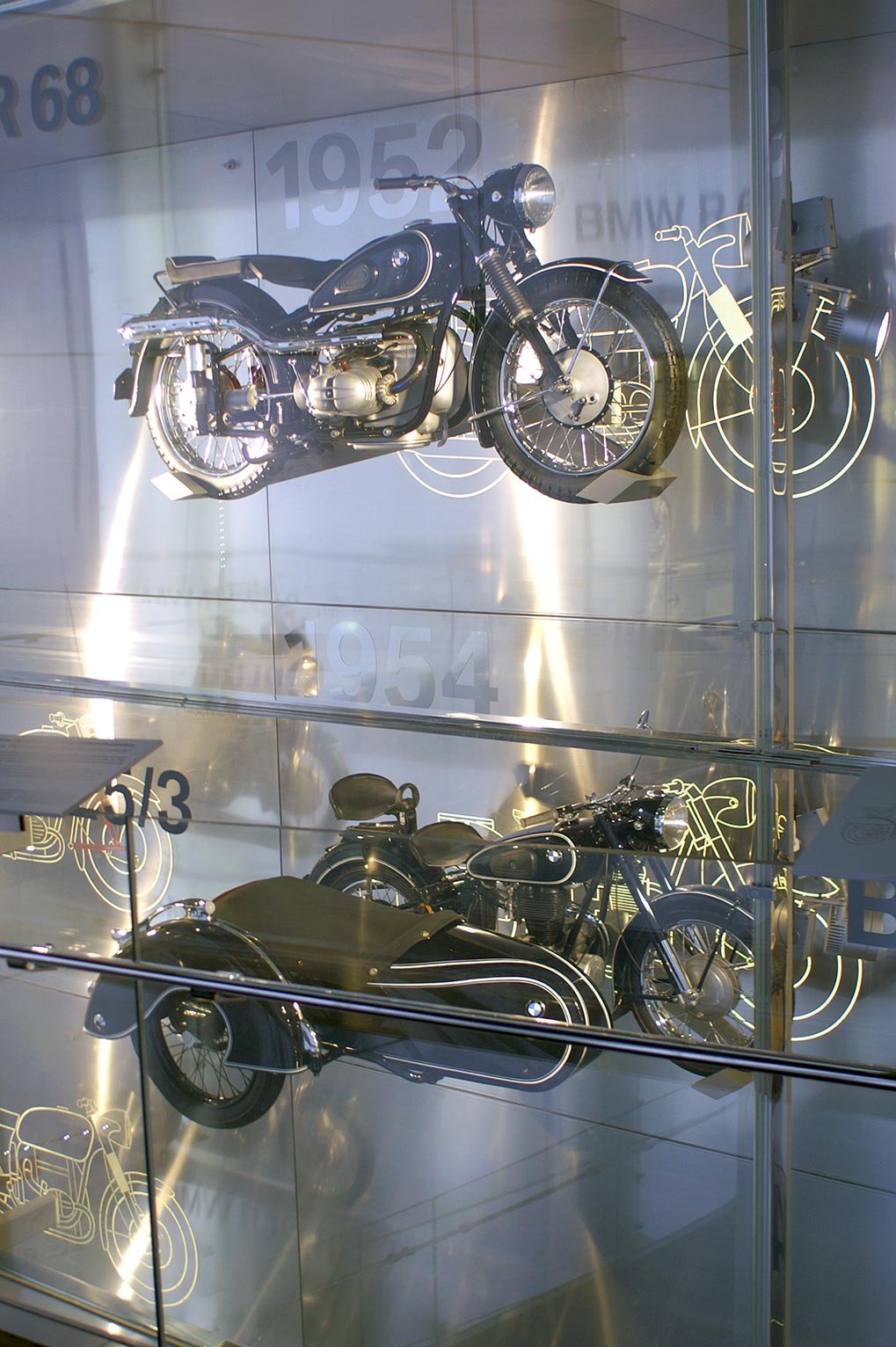
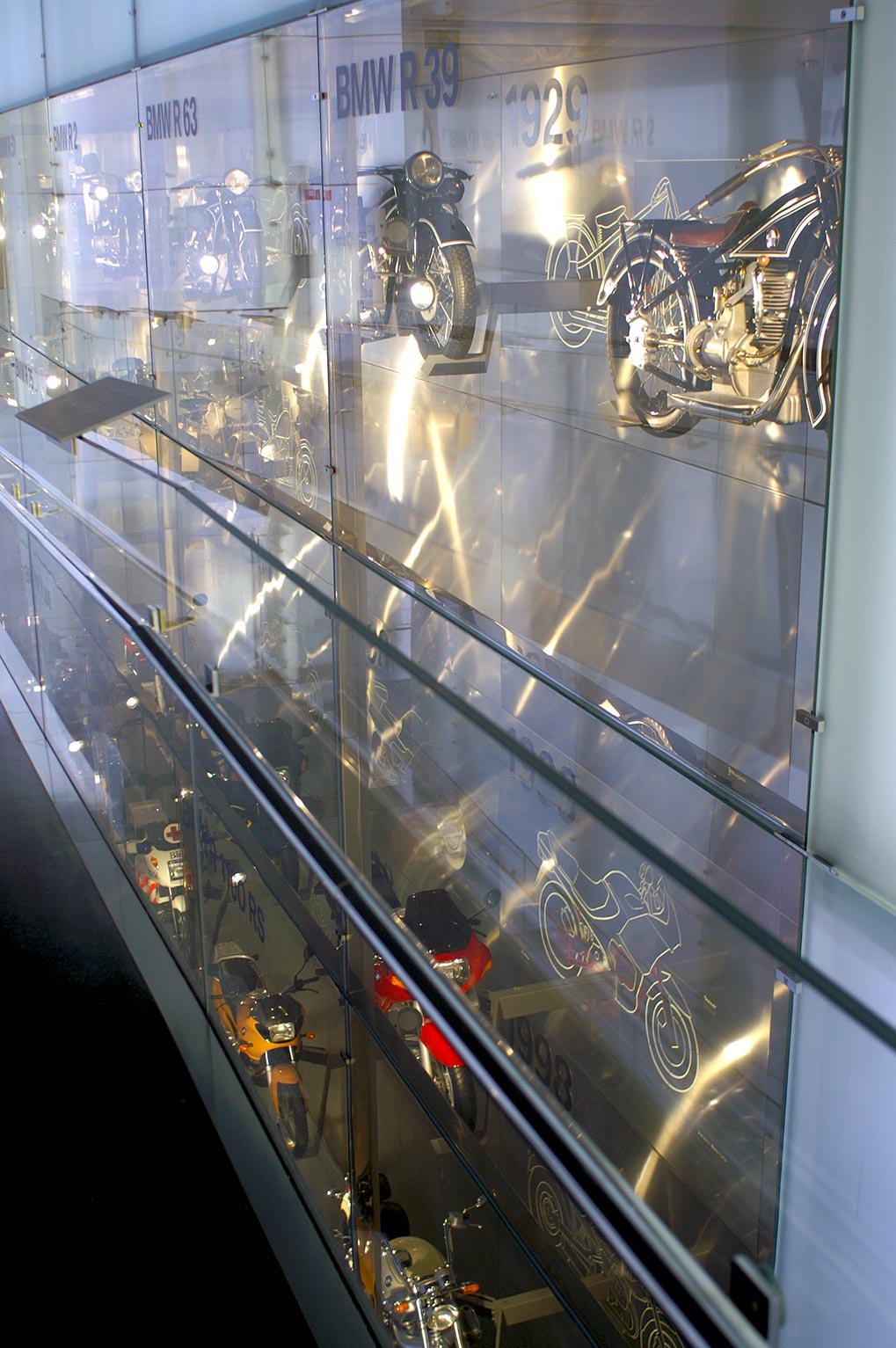
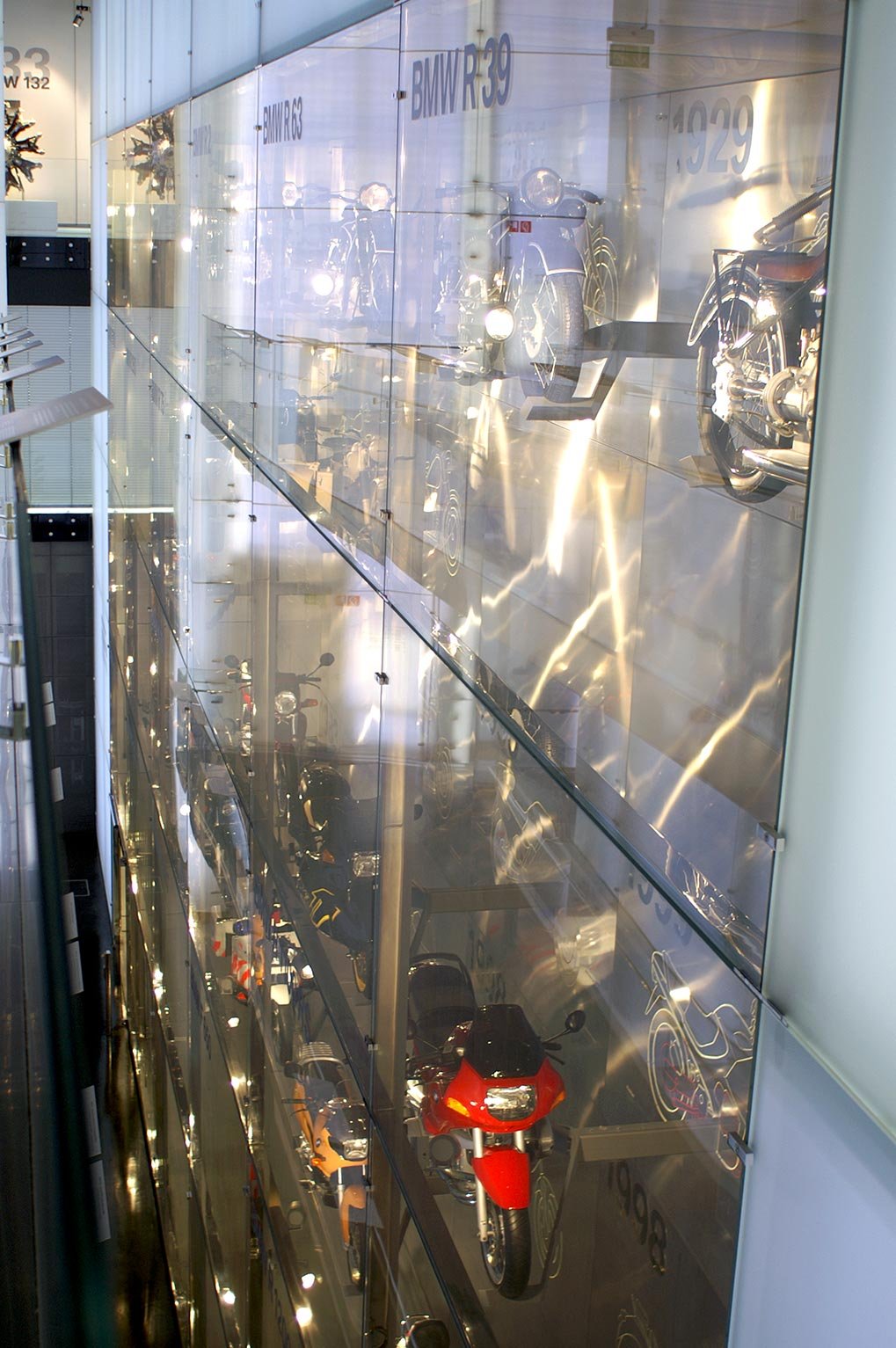
This part of the museum was presented in a particularly interesting way. A large share of the exhibits sat behind glass across a wall rising through several levels.
Motorcycle History on Three Levels
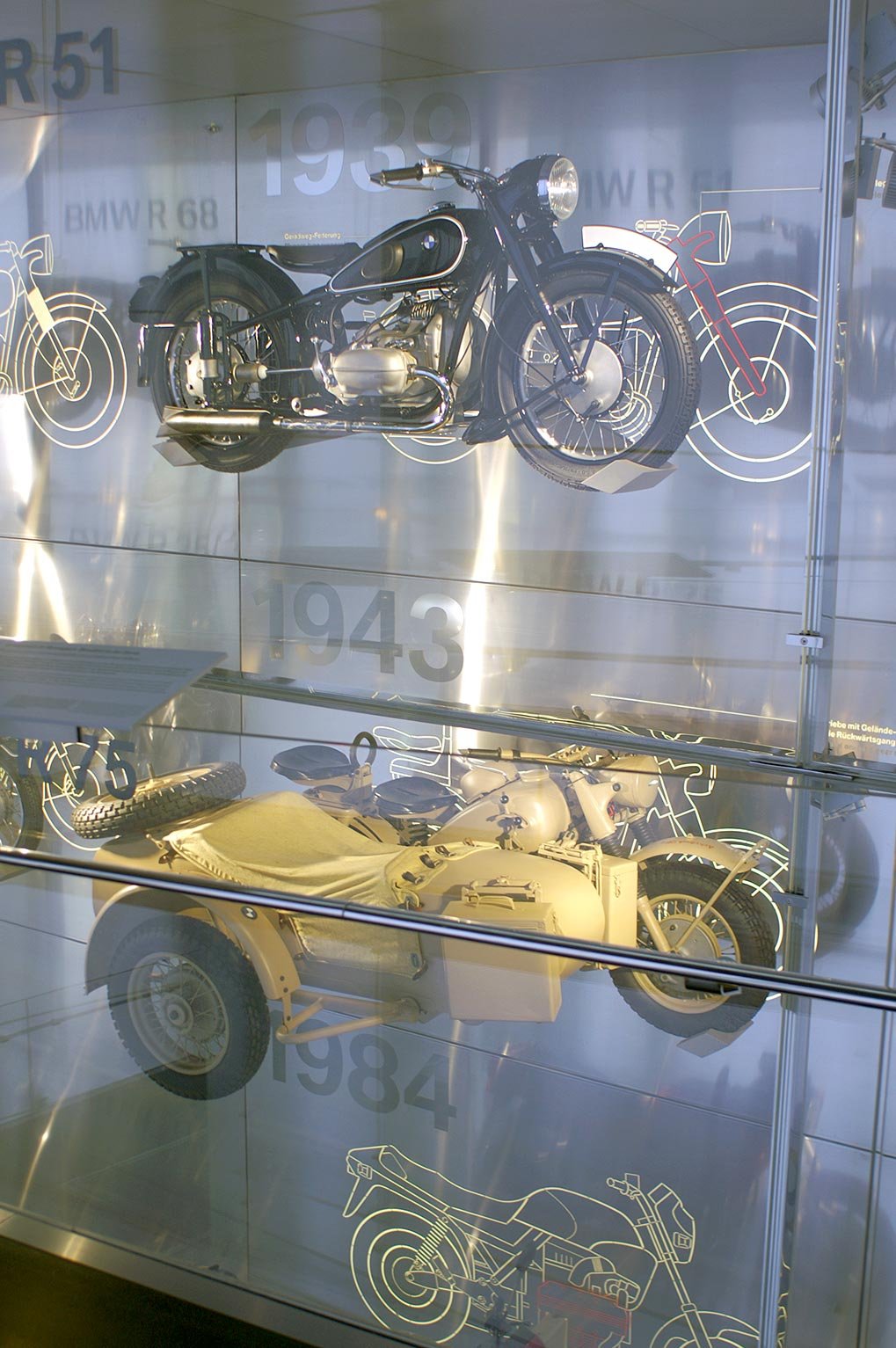
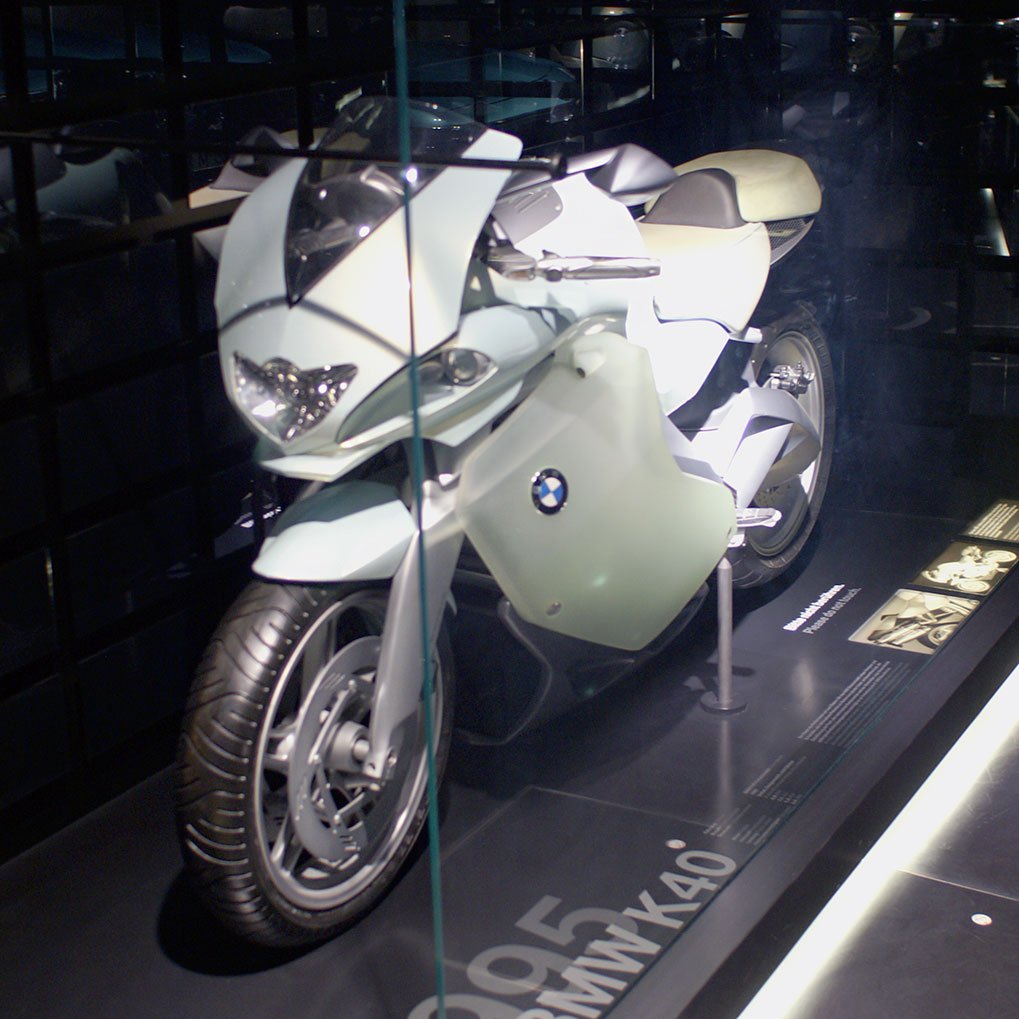
Describing every motorcycle model one by one would have made little sense, and honestly there was no time to study them all as closely as I would have liked. My goal here was to give readers a quick visual introduction to the museum, while pointing out a few standout pieces along the way.
The display wall itself rises three stories high, and each level is connected through a network of passages between the halls.
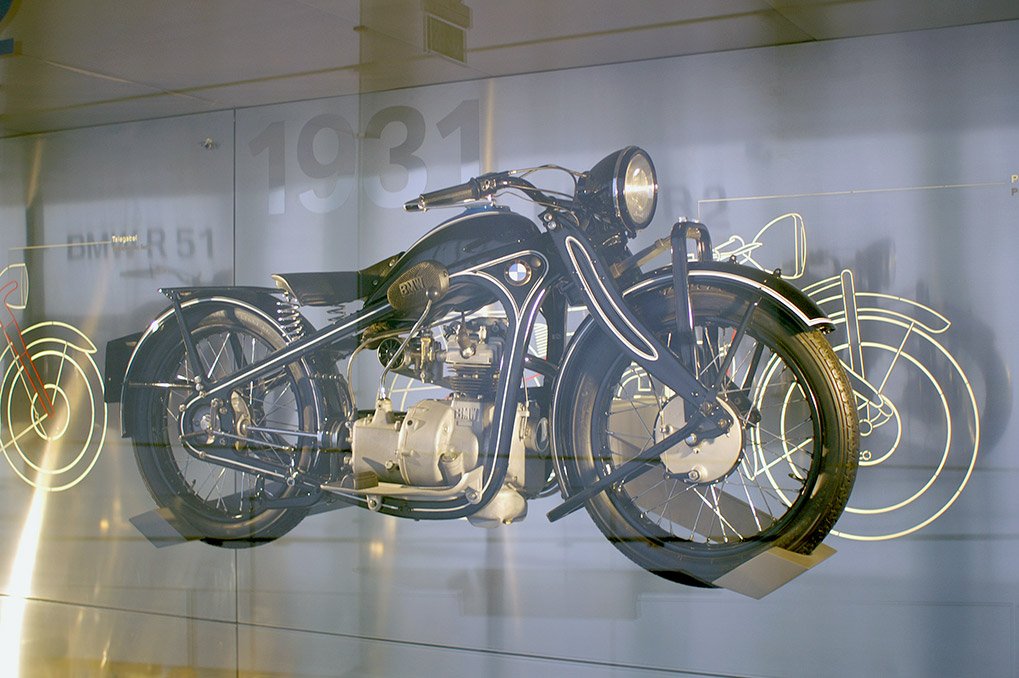
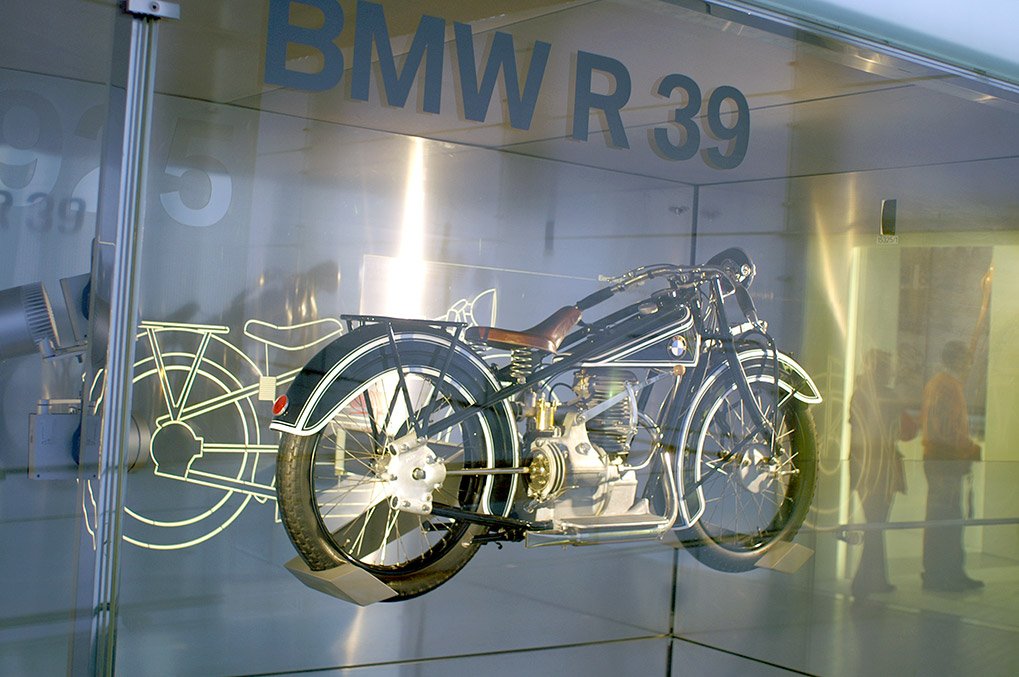
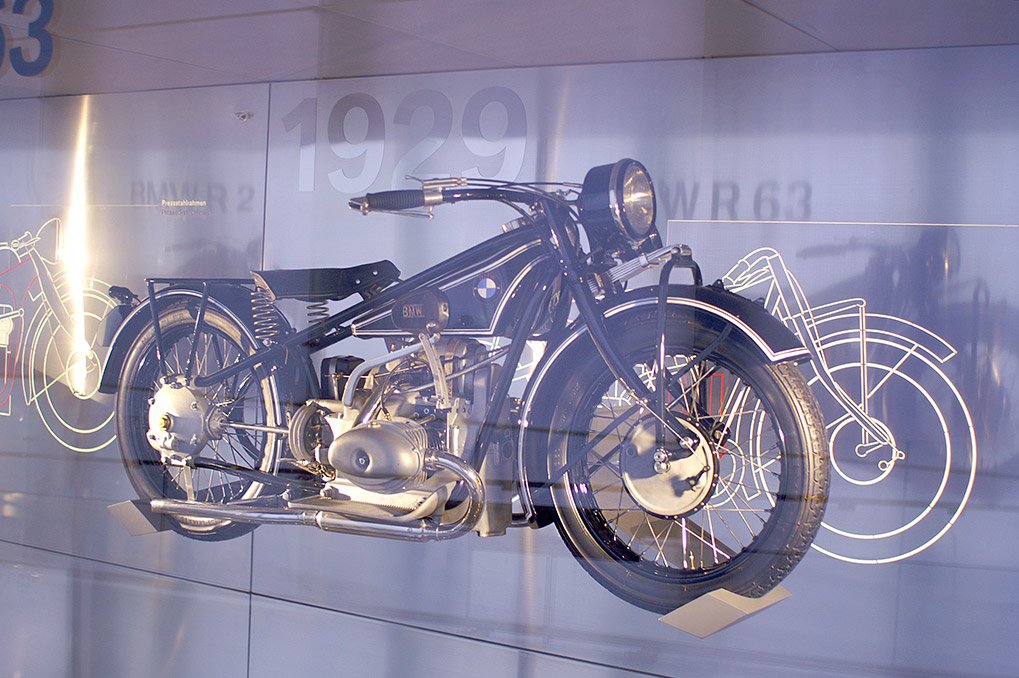
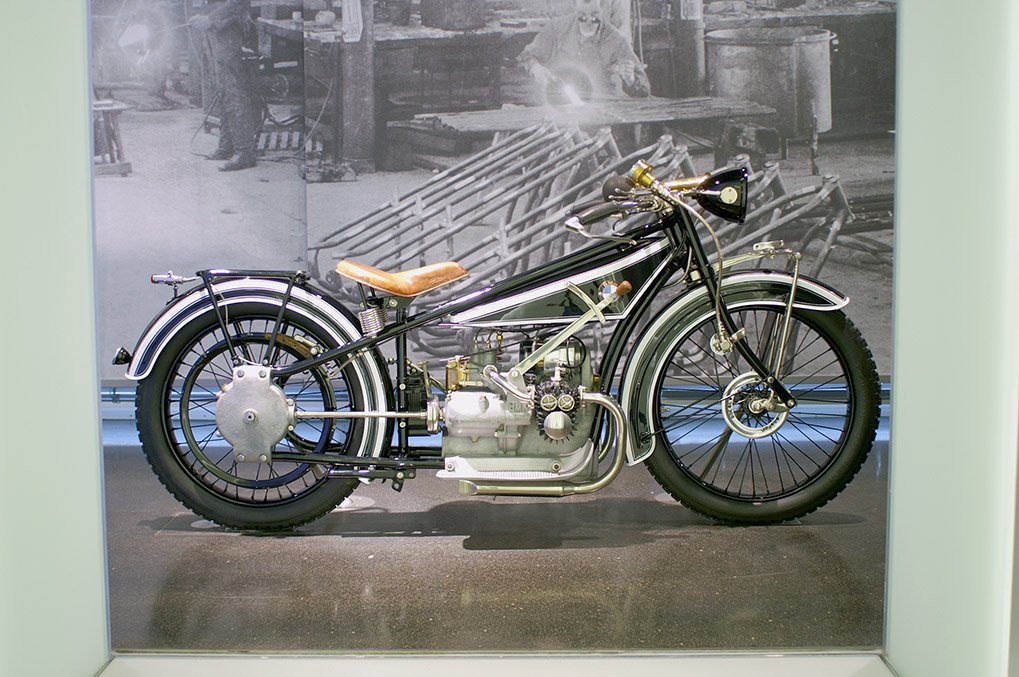
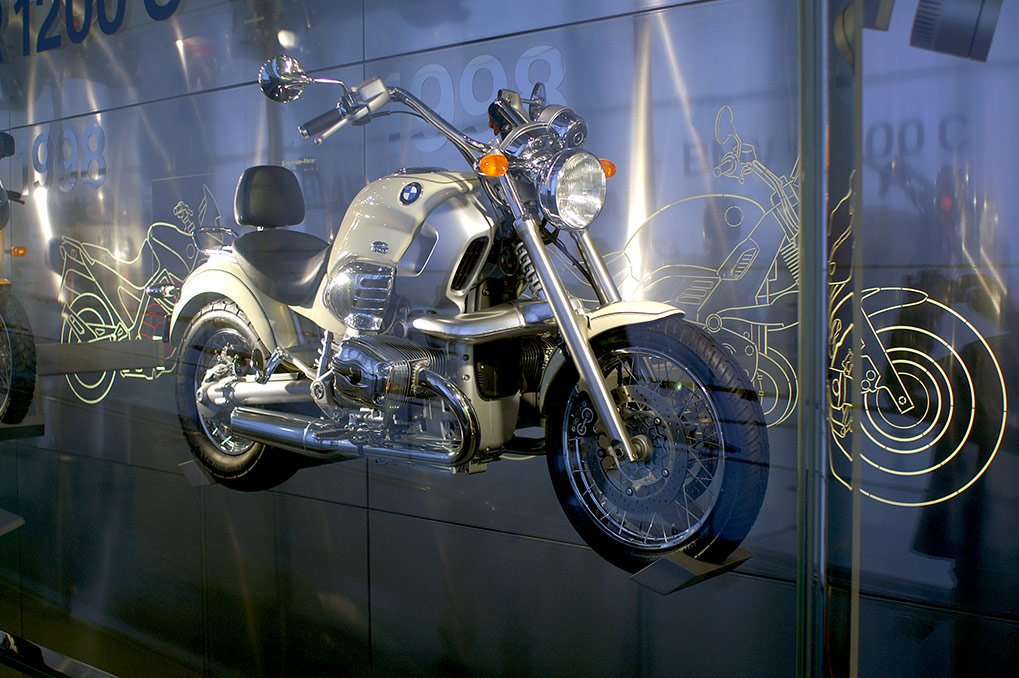
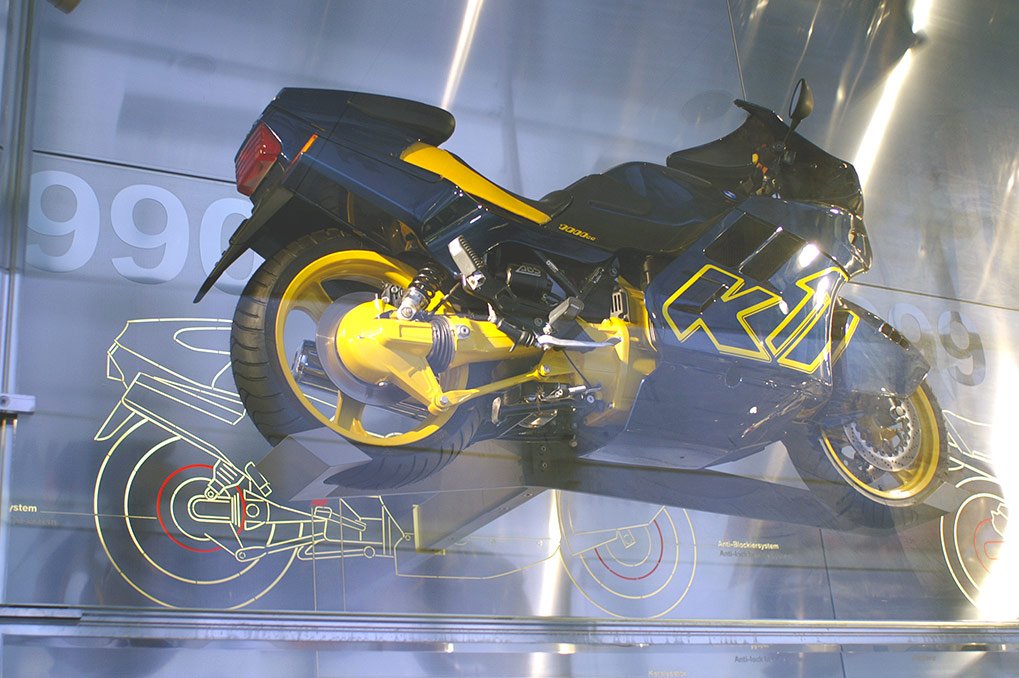
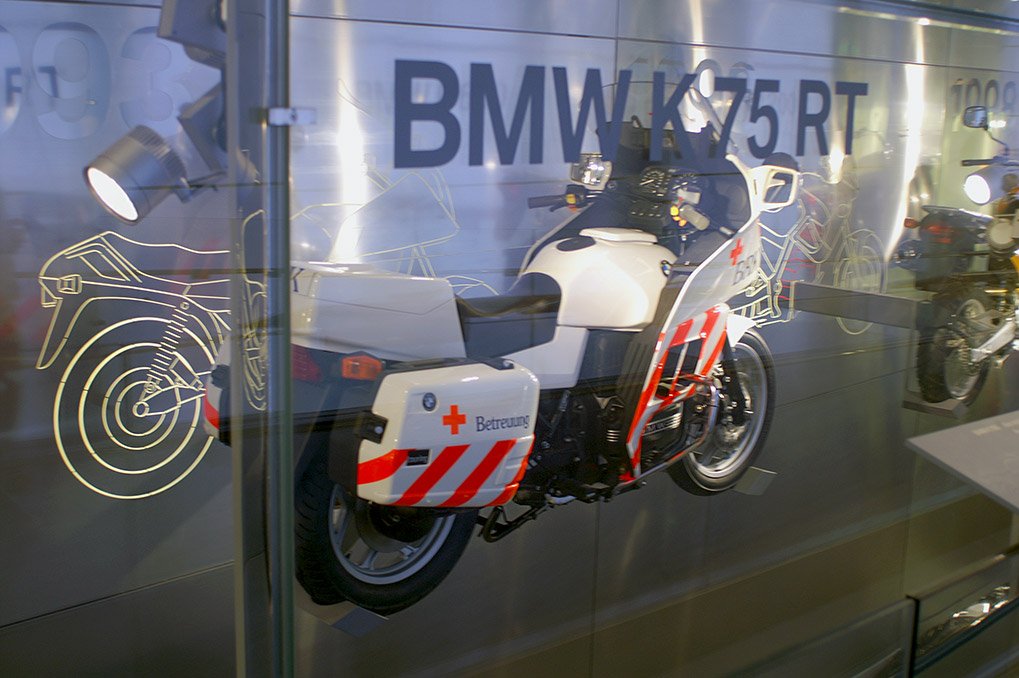
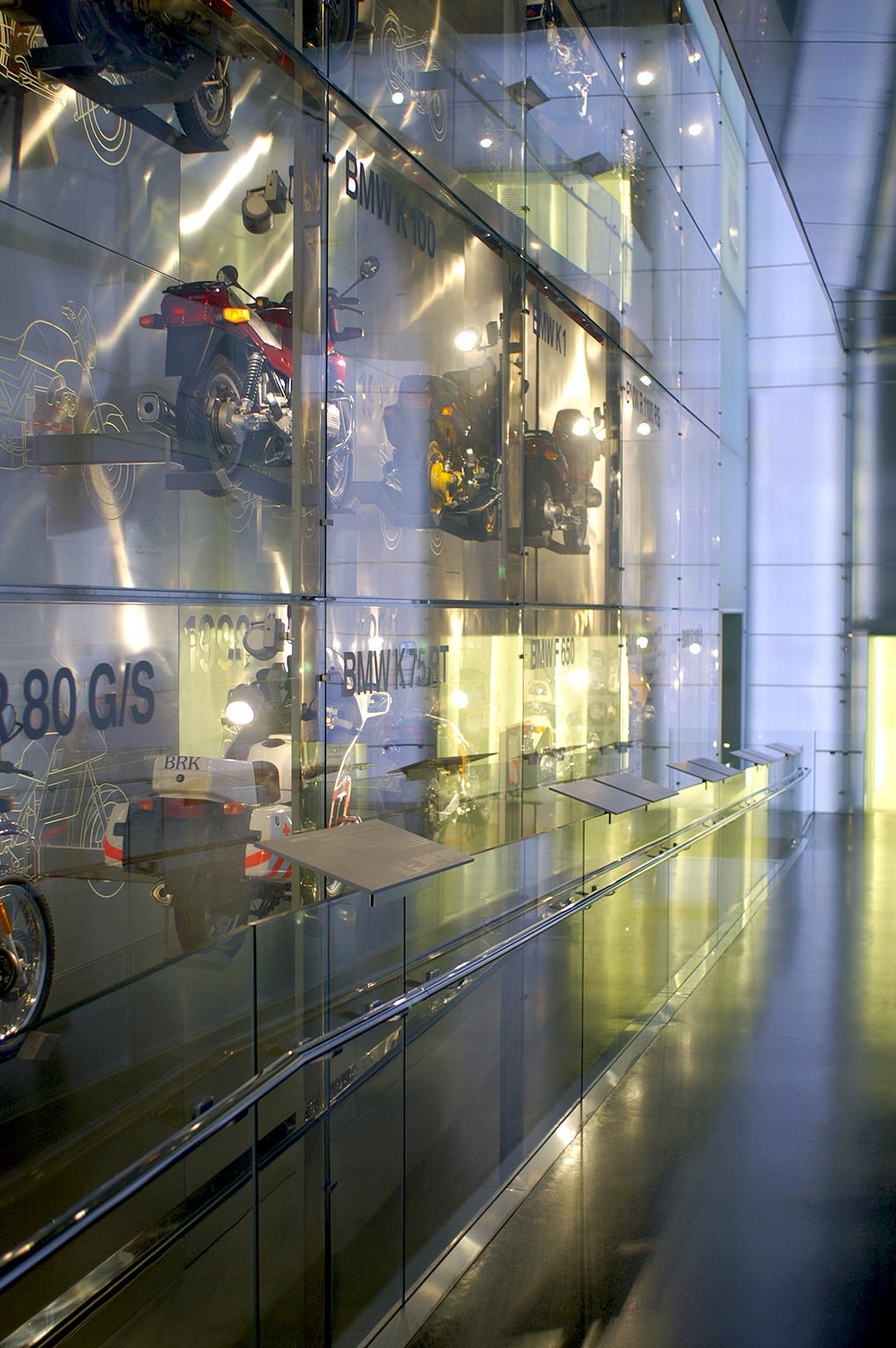
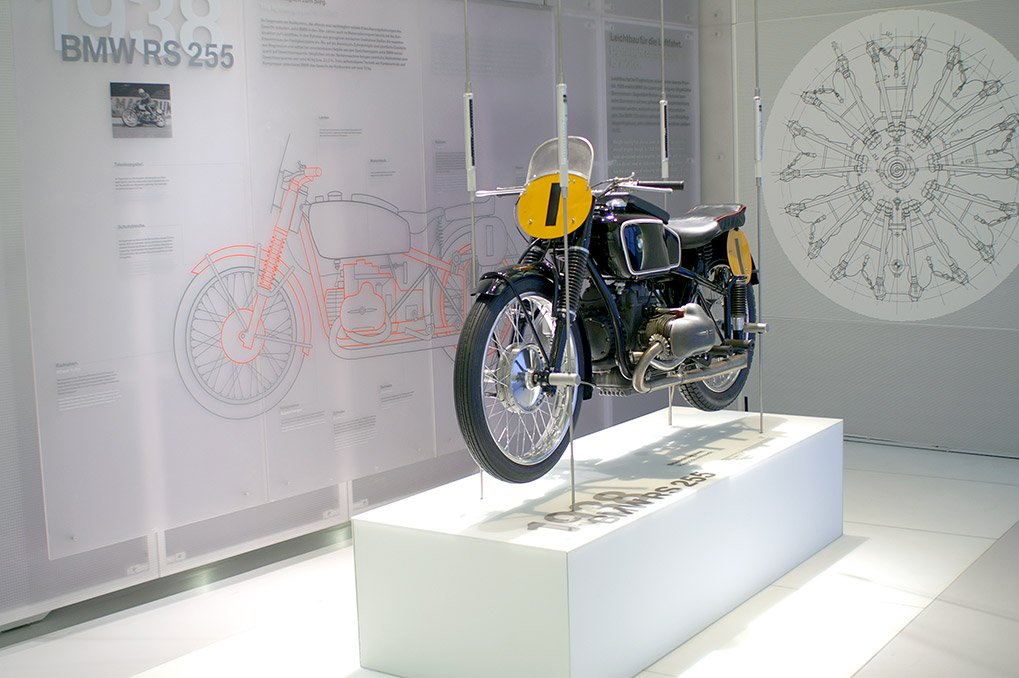
BMW in Motorcycle Motorsport
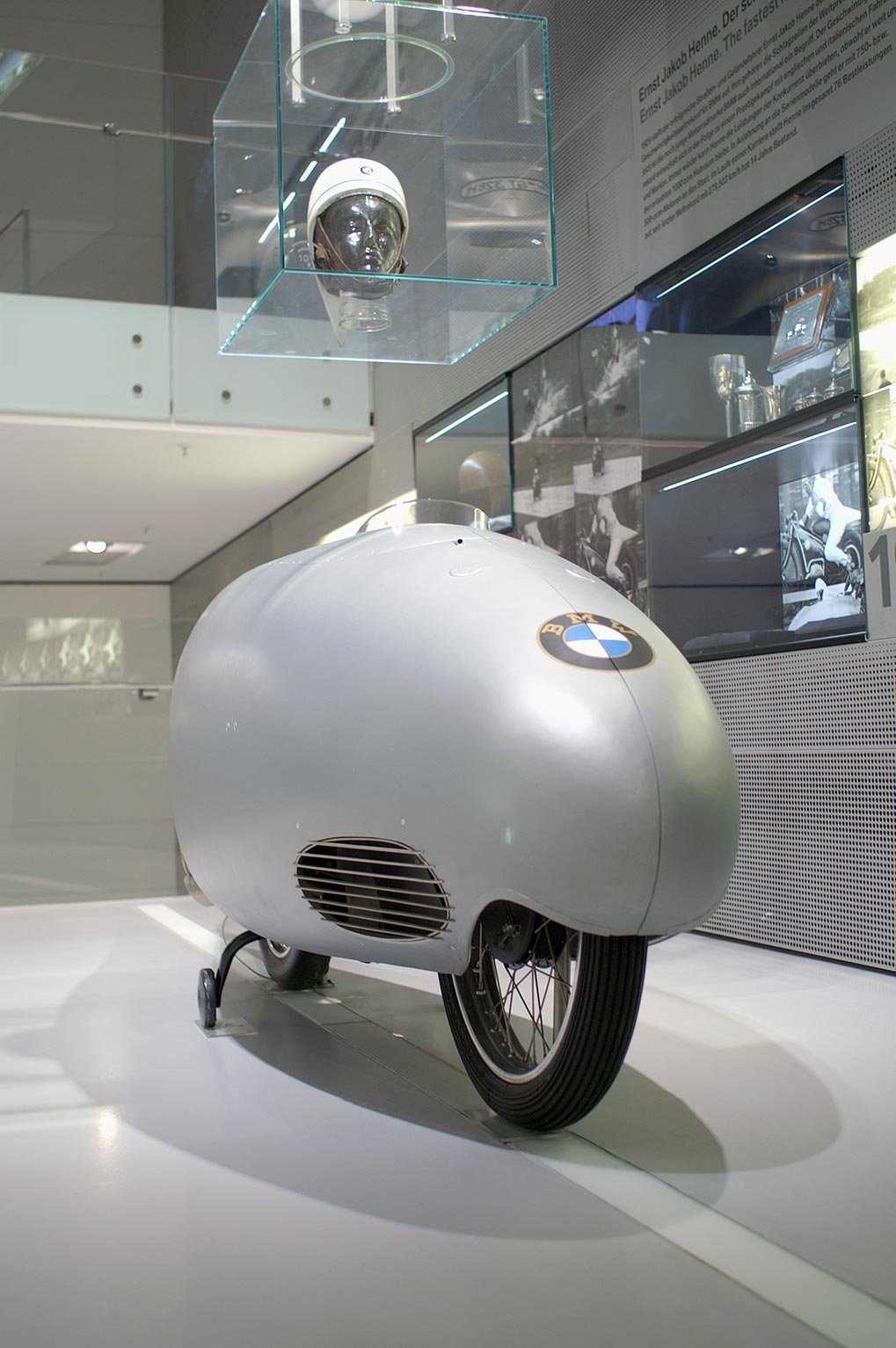
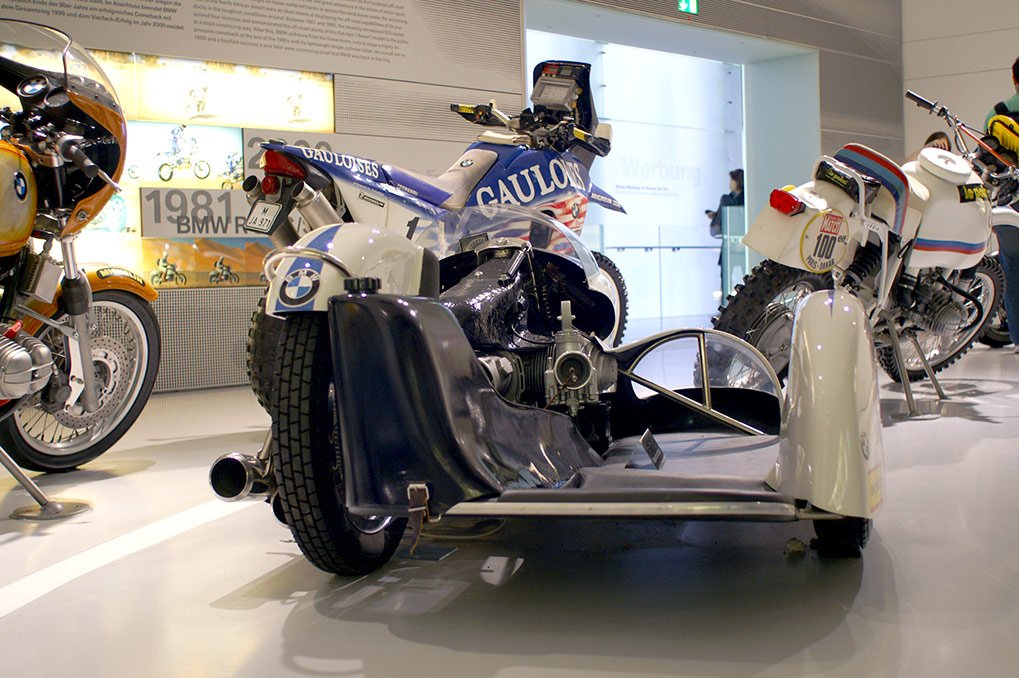
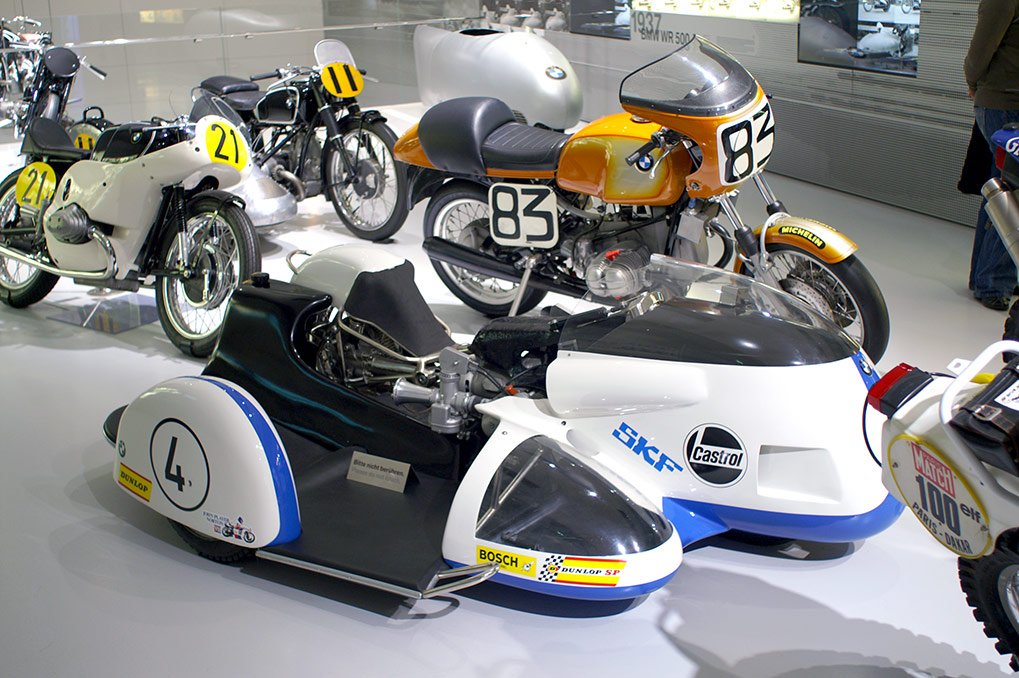
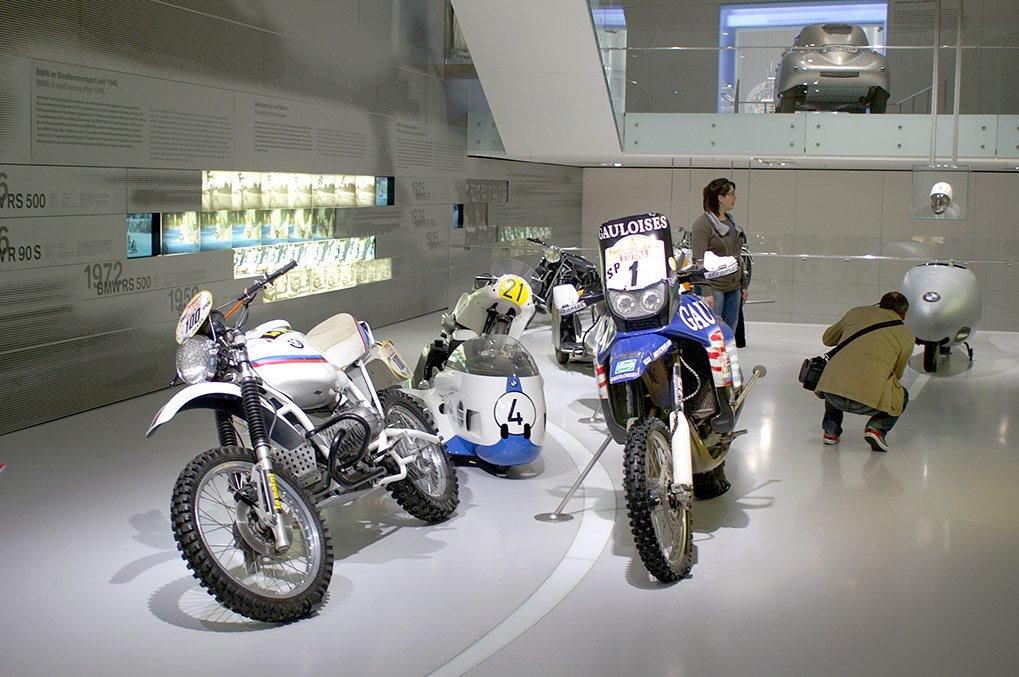
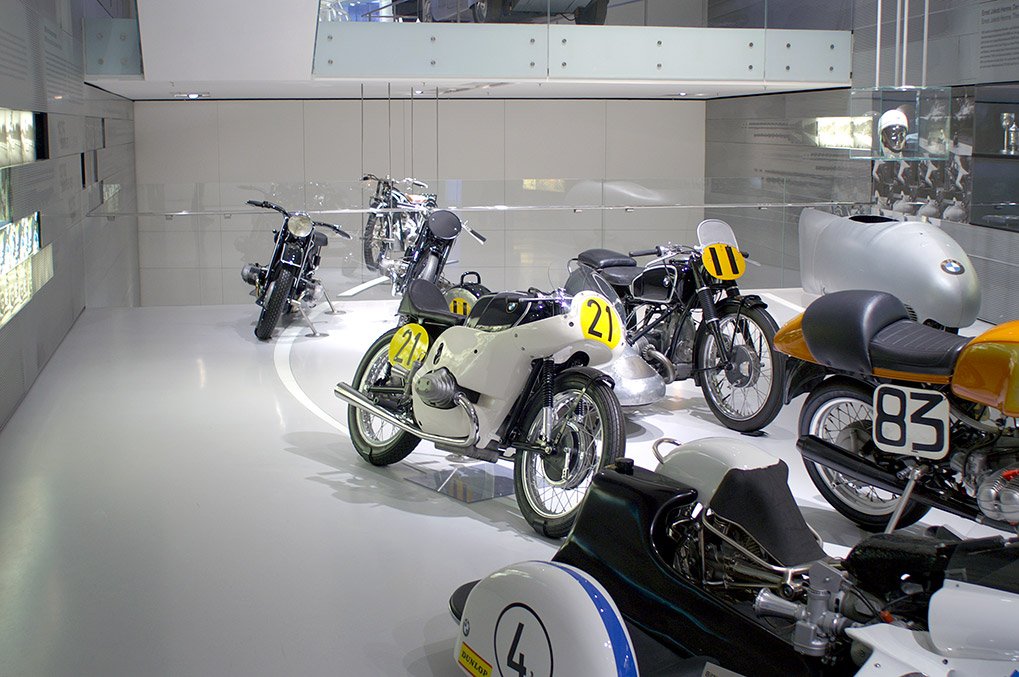
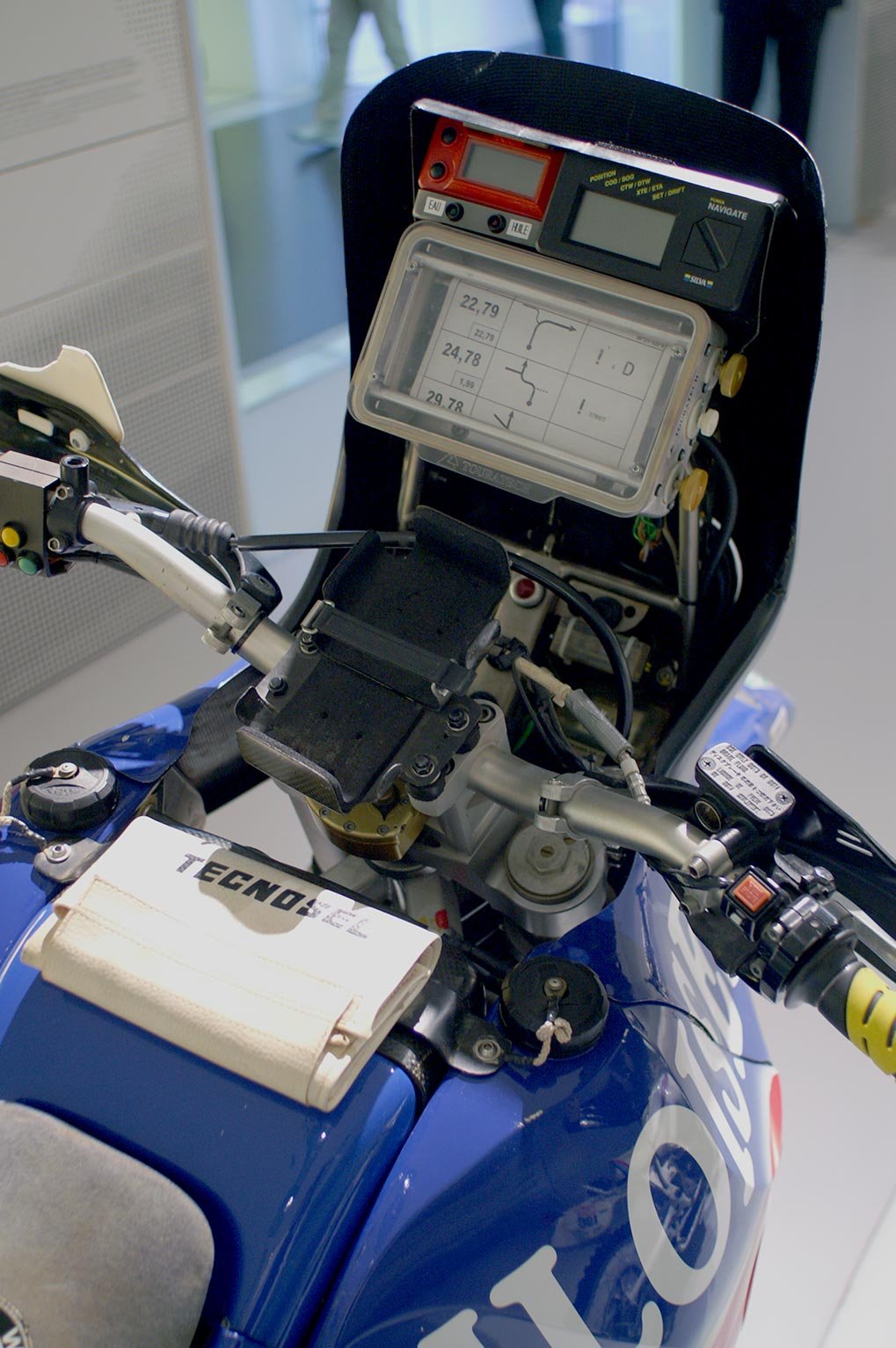
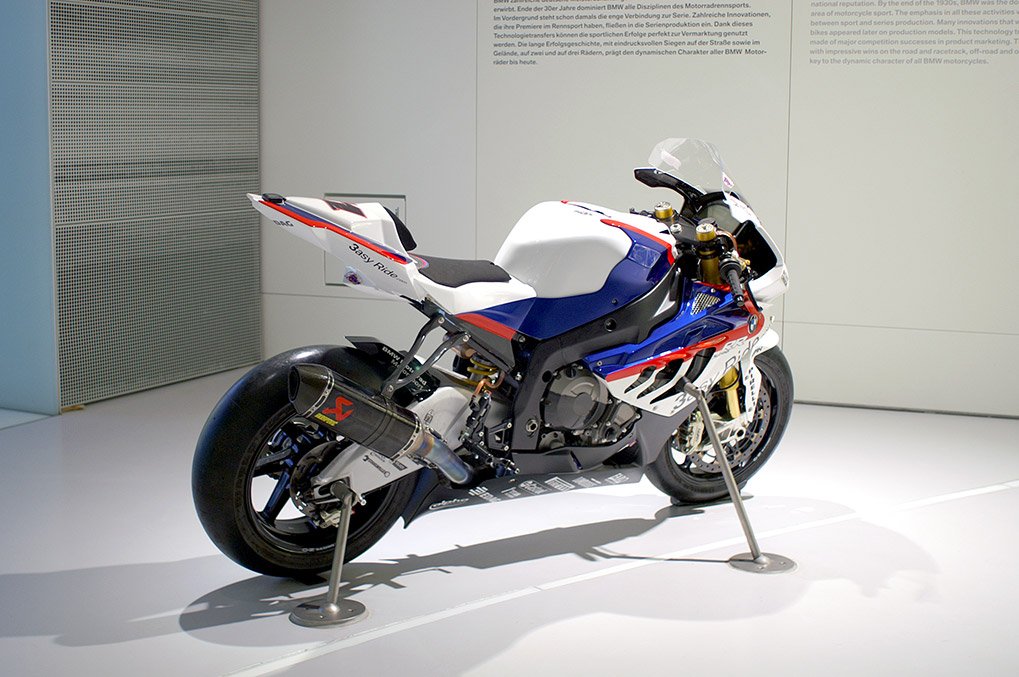
Beyond the development of BMW motorcycles themselves, the museum also included a section devoted to the brand’s achievements in motorcycle racing.
Into the Car Halls, The 3 Series, and Early Classics
From there, we moved into the automobile halls. The sequence begins with historic exhibits.
Then the chronology begins to blur in a web of passages, balconies, and staircases. Soon enough, we were already heading toward the temporary exhibition dedicated to the 3 Series.
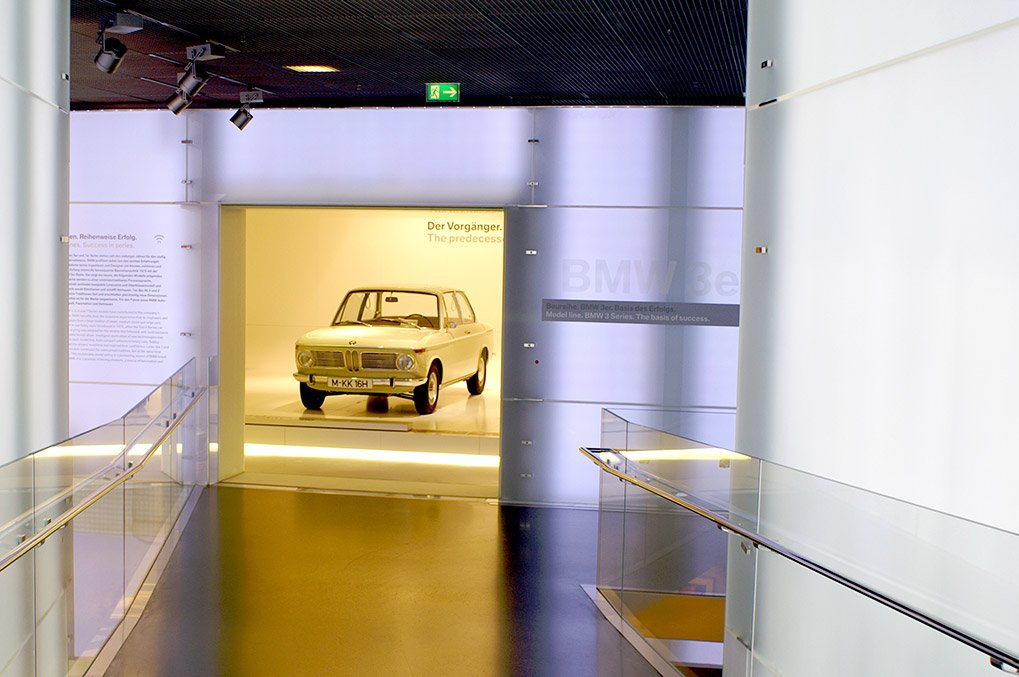
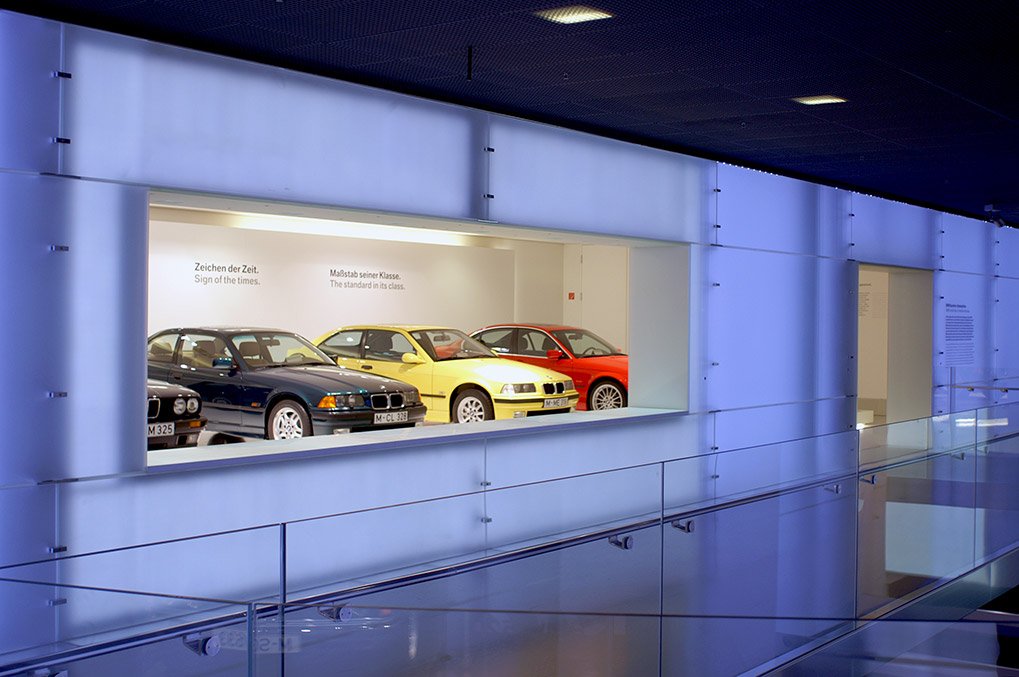
Time to take a closer look.
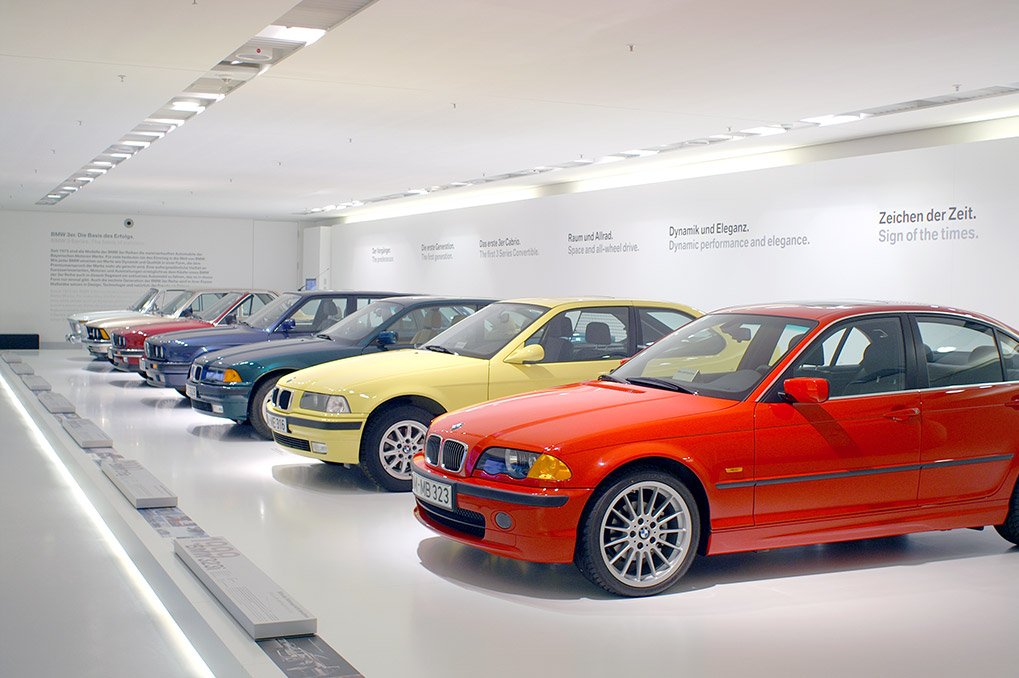
The 3 Series display was not complete and stopped at the pre-facelift E46.
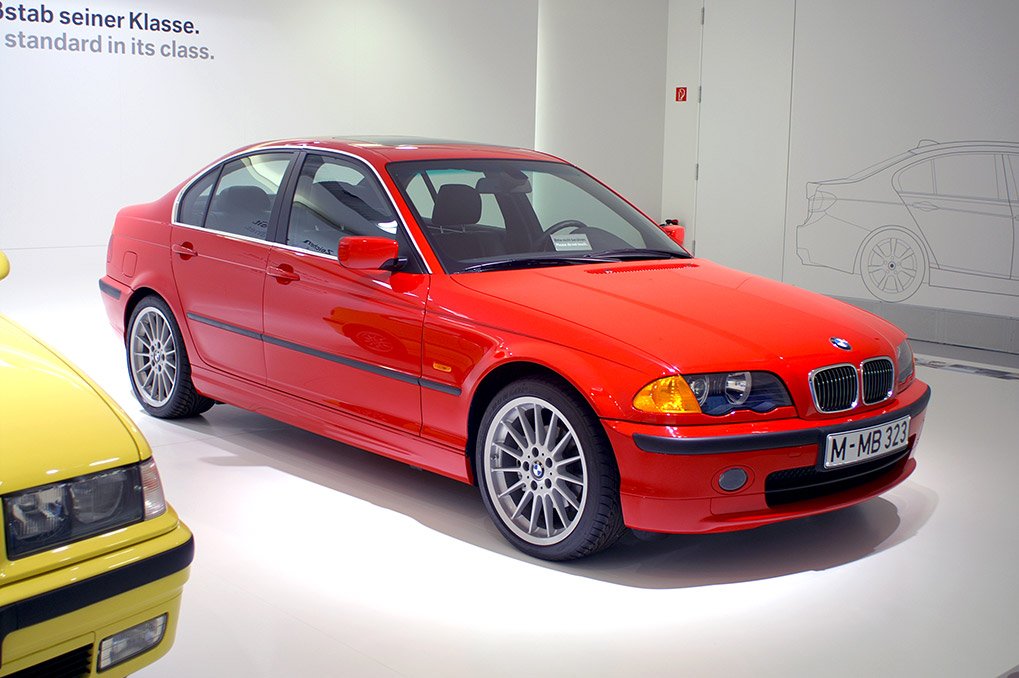
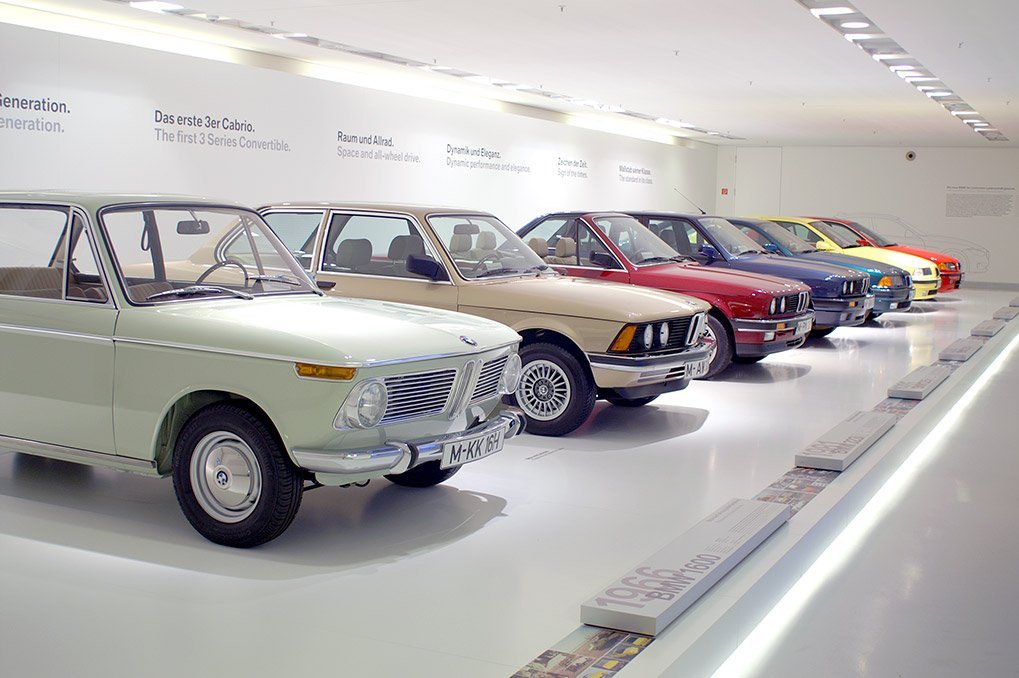
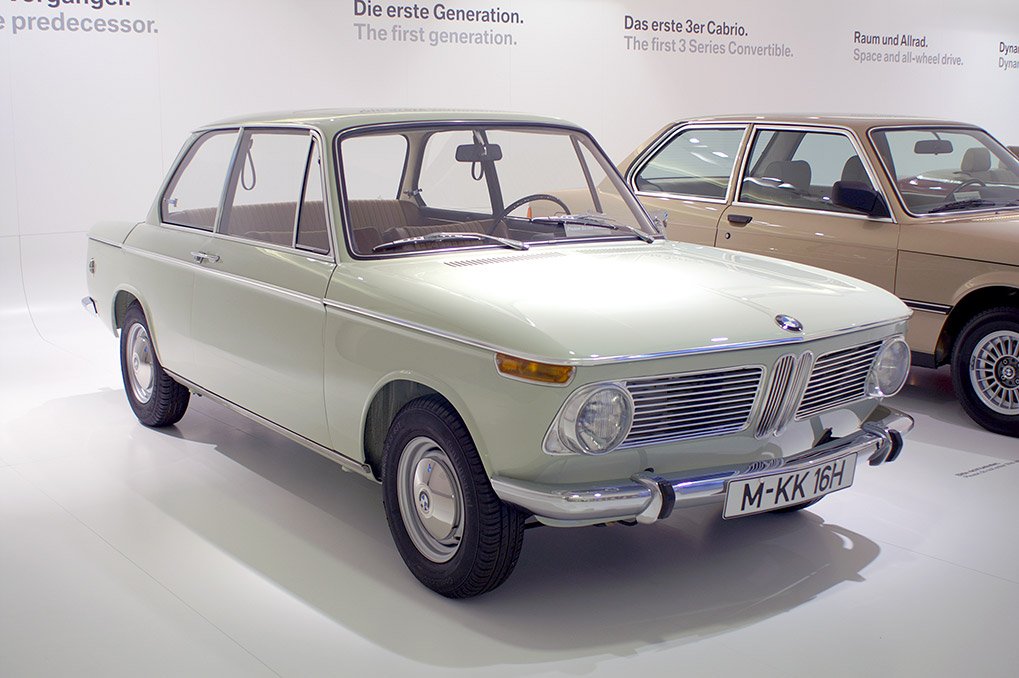
To be honest, the museum’s layout feels tight. It does not always make it easy to capture the full scene in a single frame.
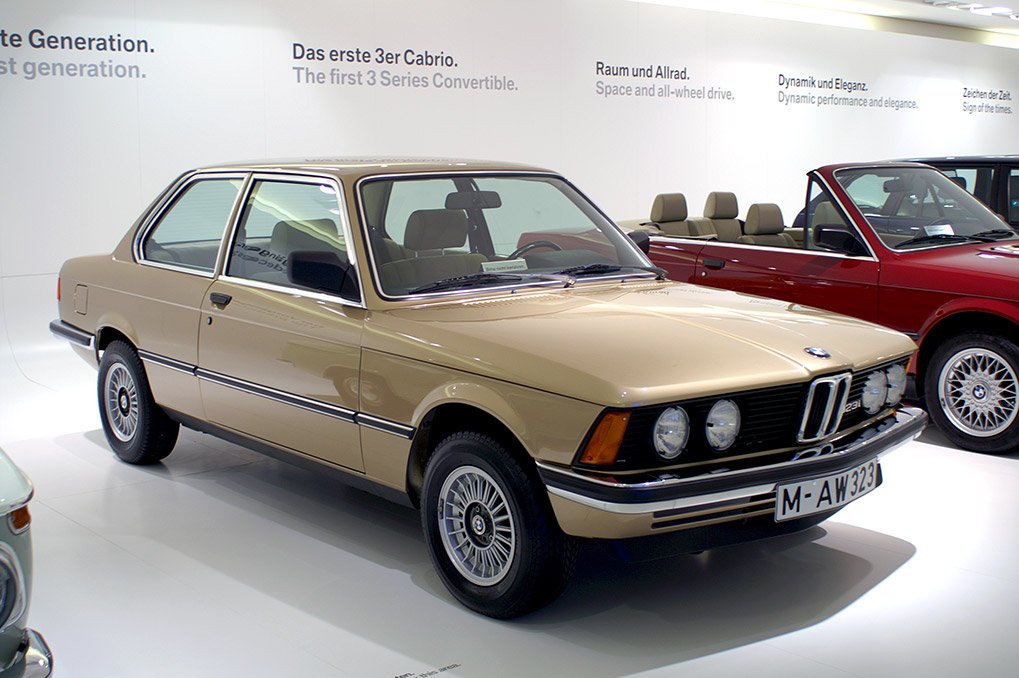
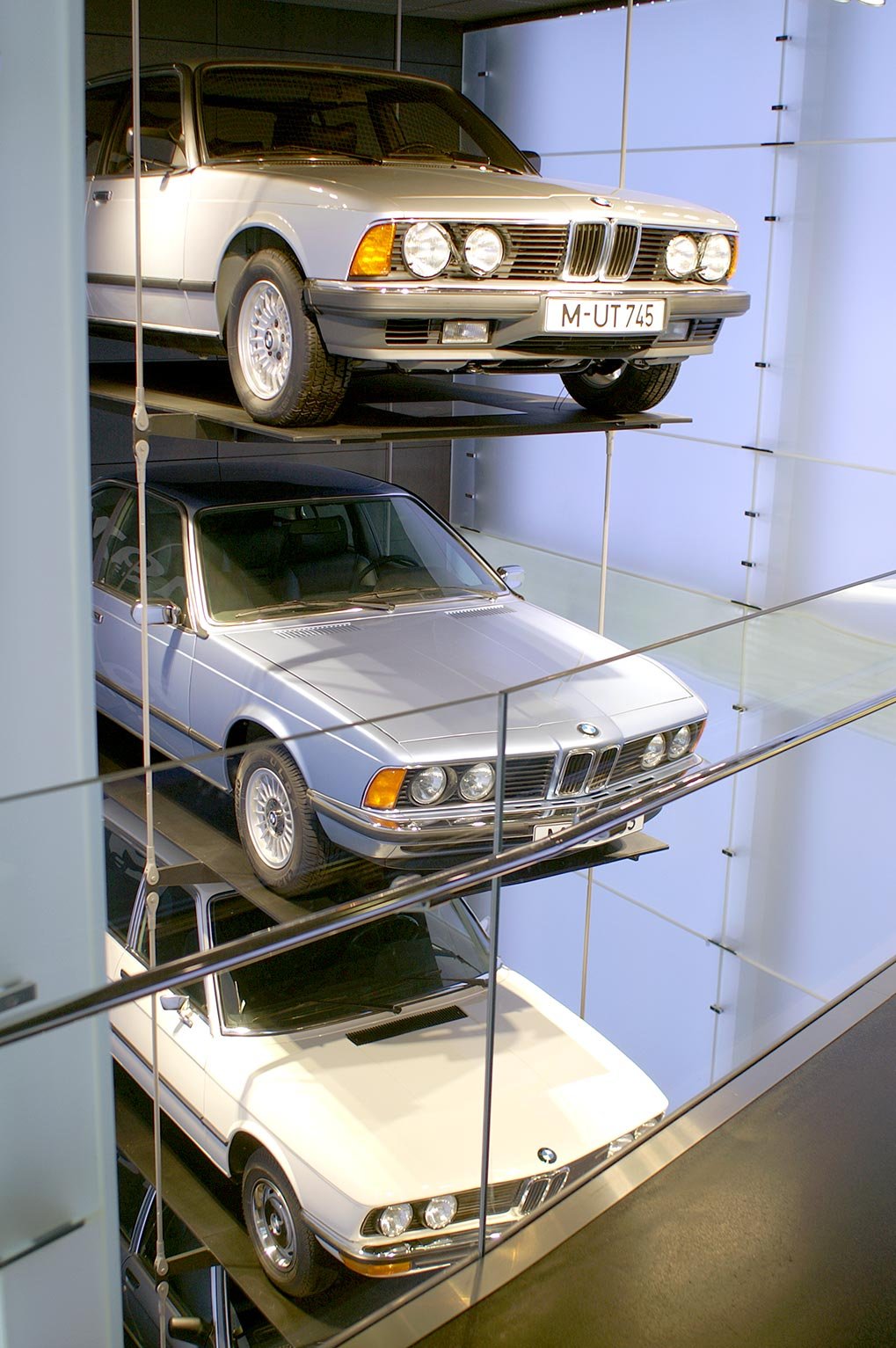
The 5 Series was represented even more modestly, with the cars placed in what felt almost like an open elevator shaft.
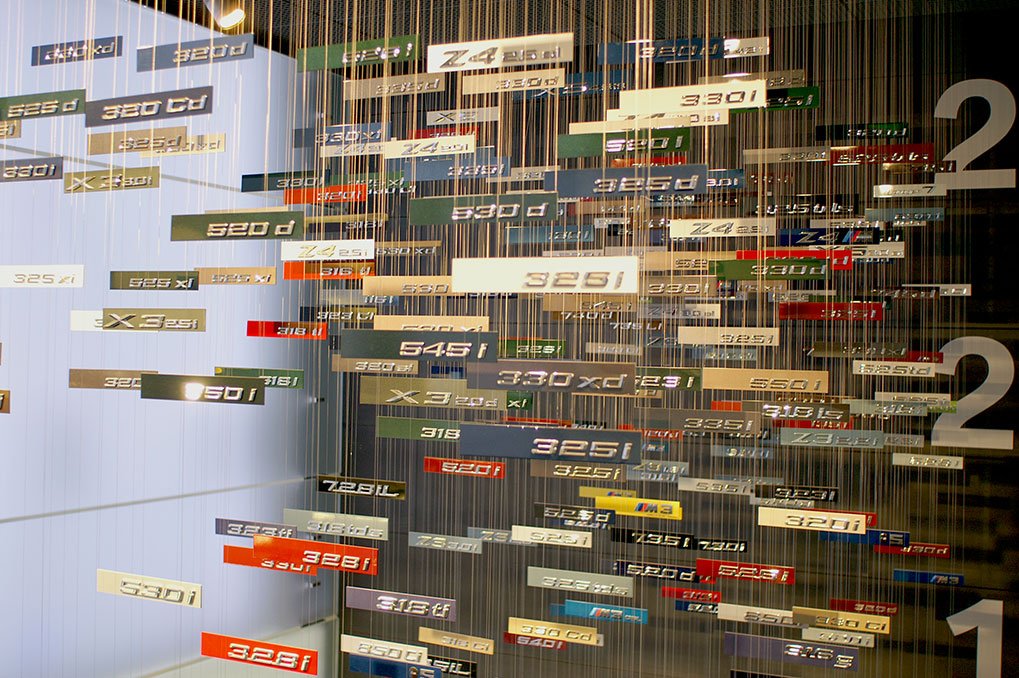
One thing I did like was the installation made from BMW logos.
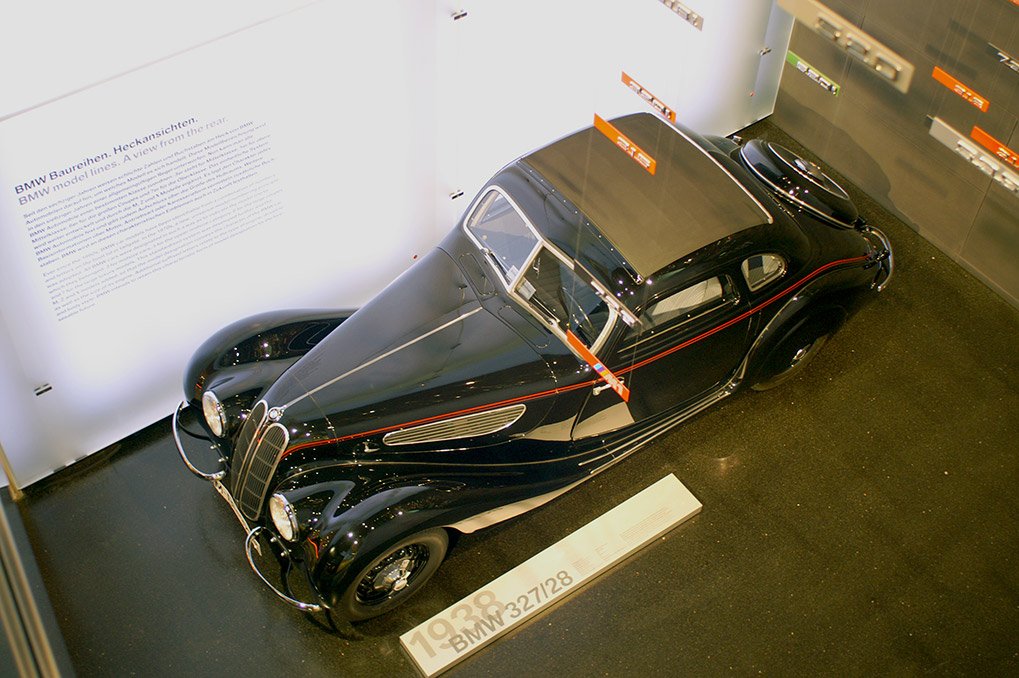
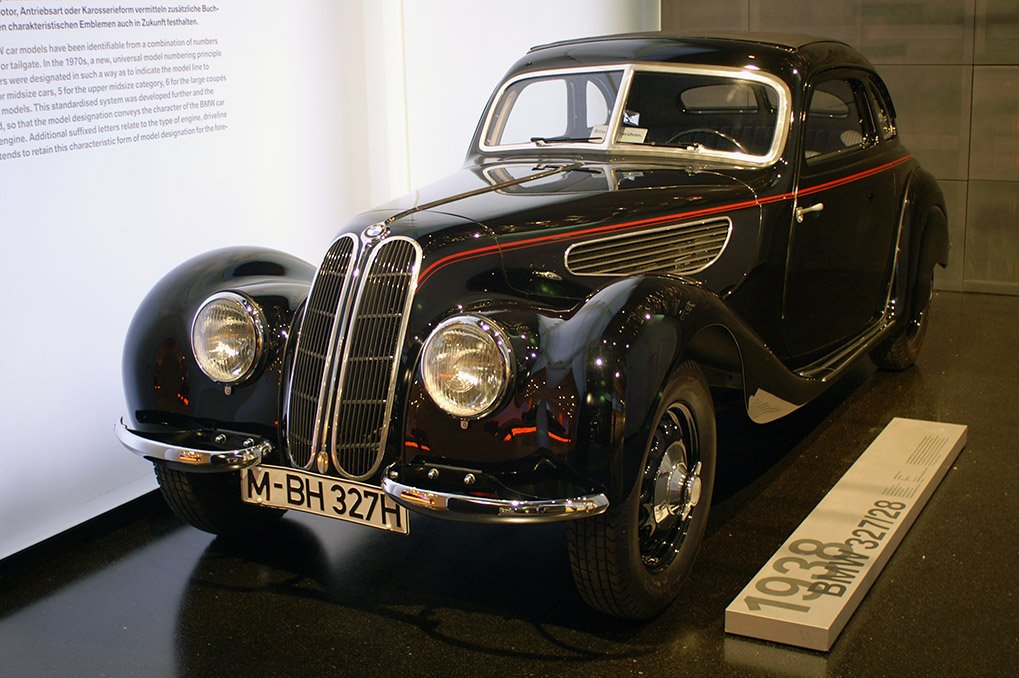
Under it, you could find a 1938 BMW 327/28.
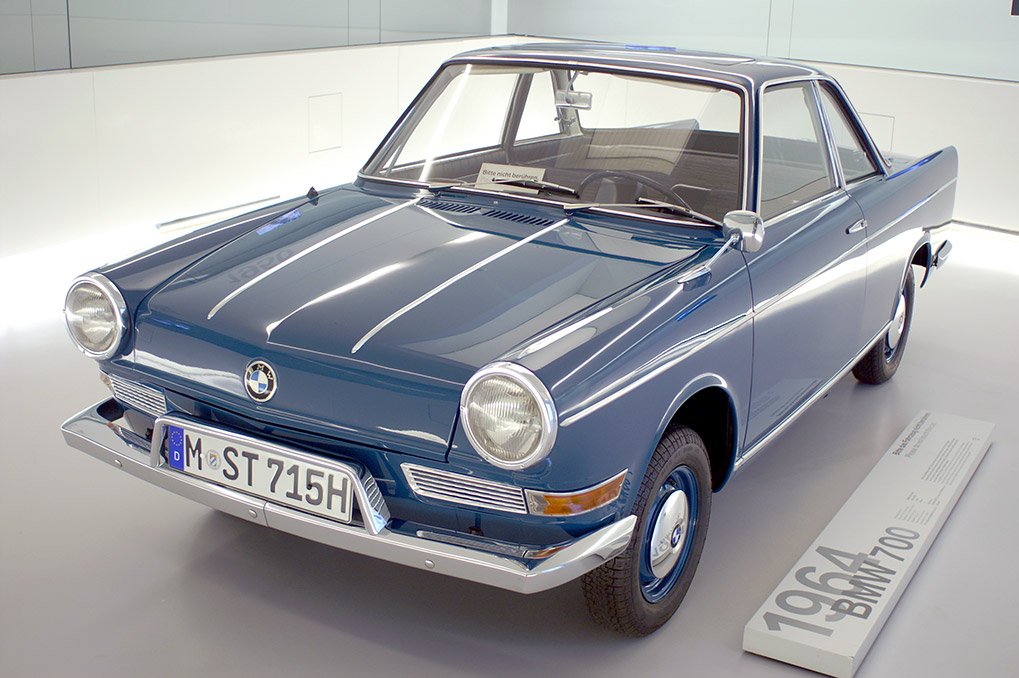
Another interesting exhibit was the BMW 700, a small but important part of BMW history.
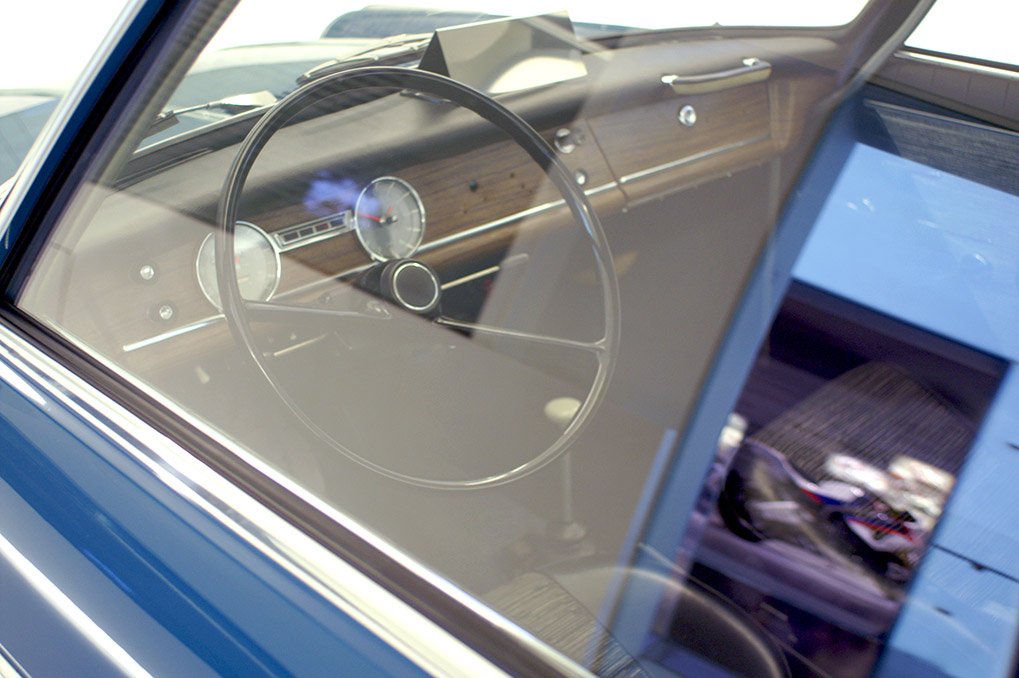
I even photographed the interior, since that kind of detail can still be interesting to some readers.
Z Cars and Roadsters
From there we moved into the next hall, where a cutaway model of the E82 1 Series Coupe was on display.
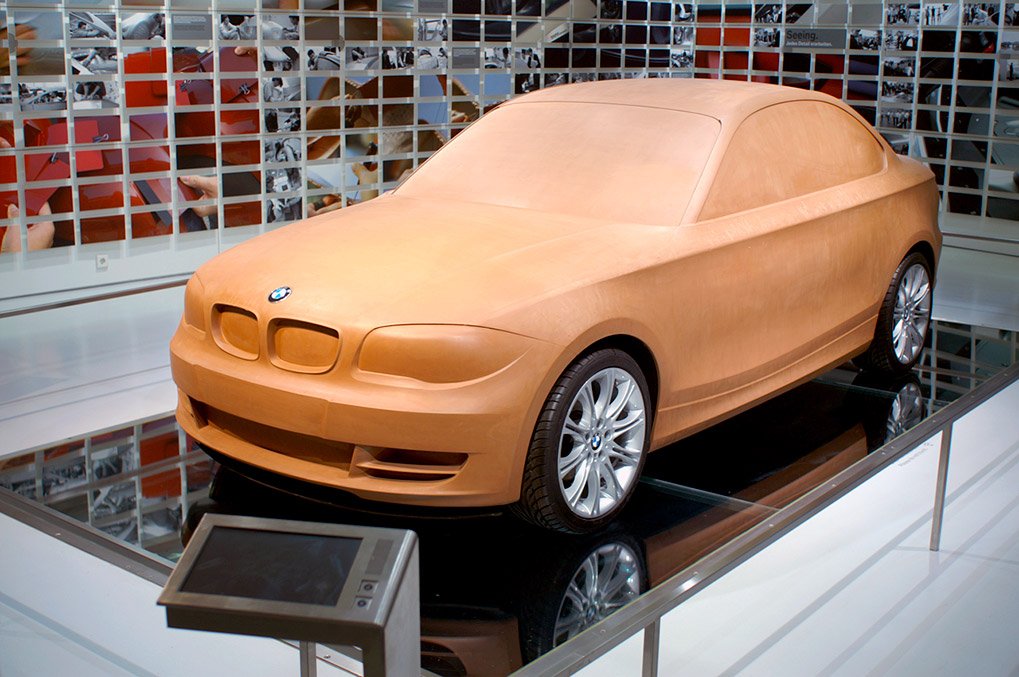
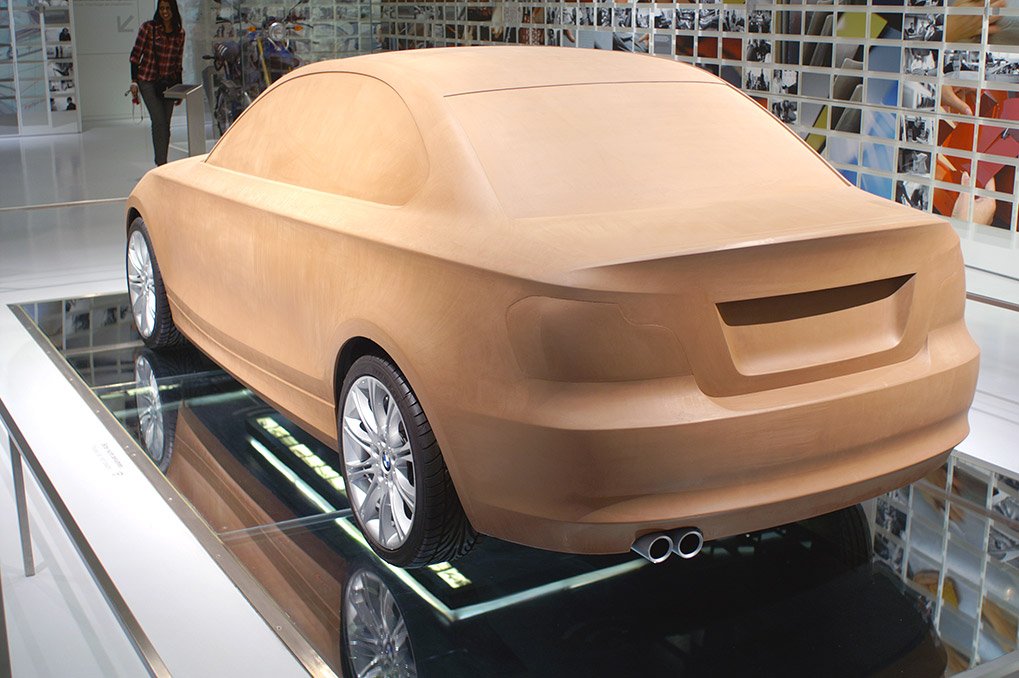
Below that model, through the glass floor, we caught sight of the hall dedicated to the 6 Series and headed in that direction.
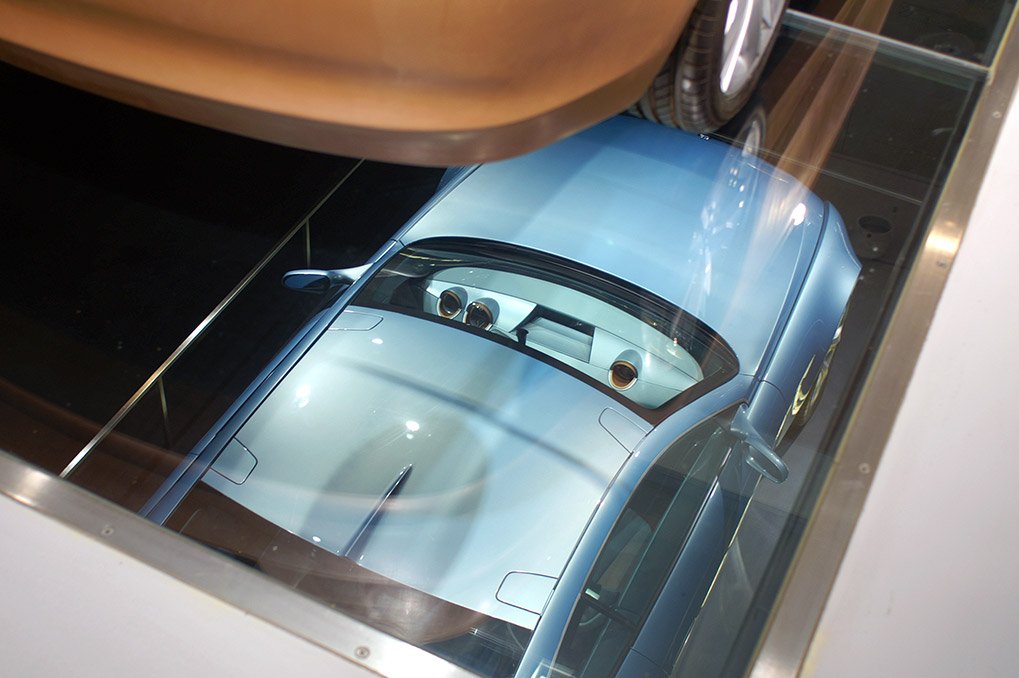
Getting there, however, meant passing through the hall devoted to the Z Series.
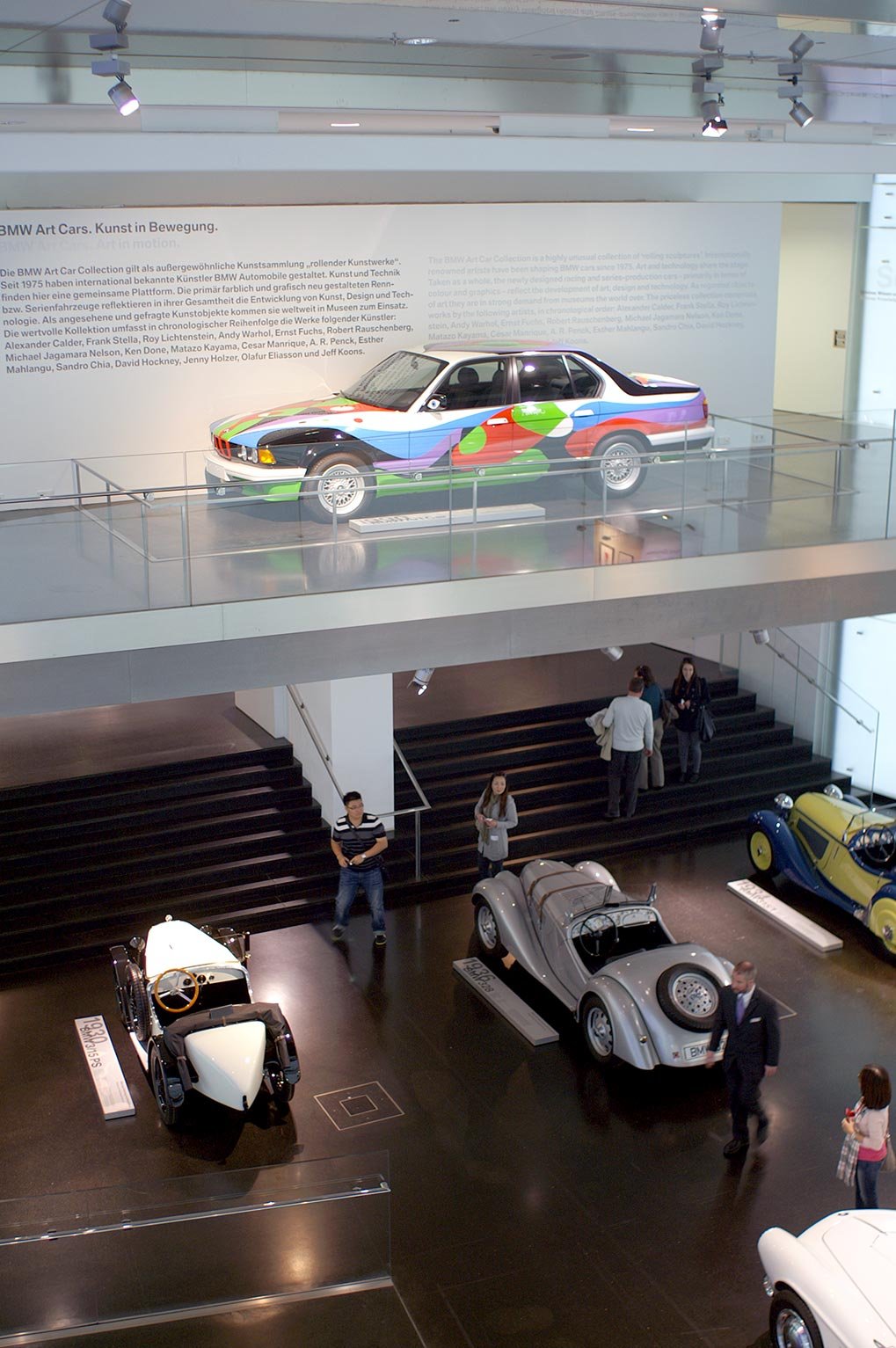
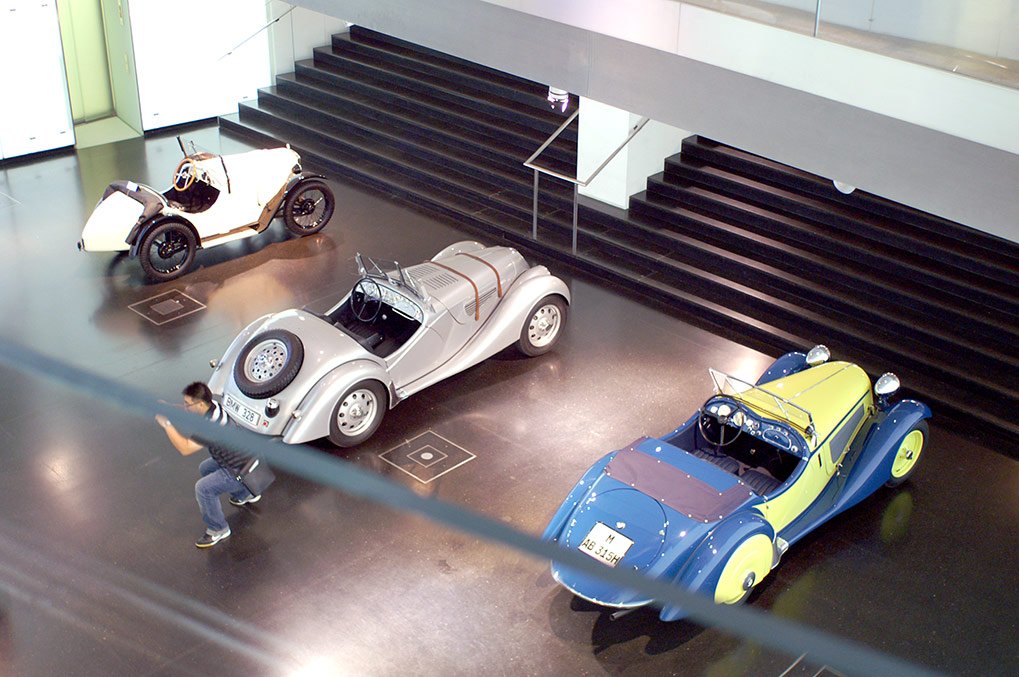
Once downstairs, we passed the BMW 327/28 again, the same car we had seen beneath the logo installation.
Early Roadsters and the Origins of the Z Line
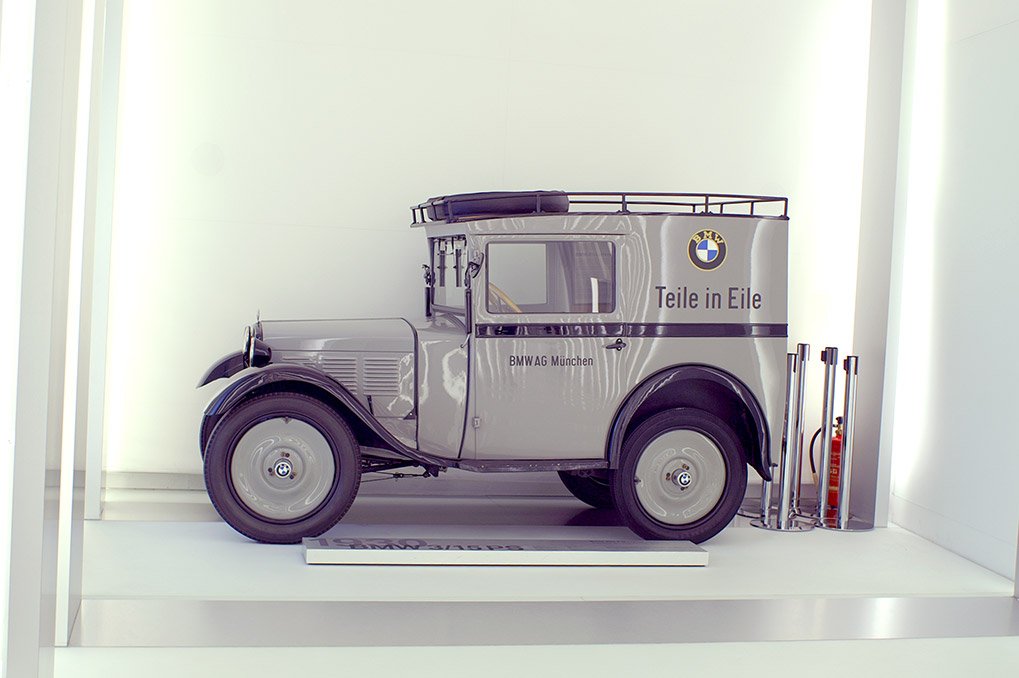
Here were the predecessors of the Z Series, old roadster-bodied BMWs. One of them was a late 1930s BMW 3/15.
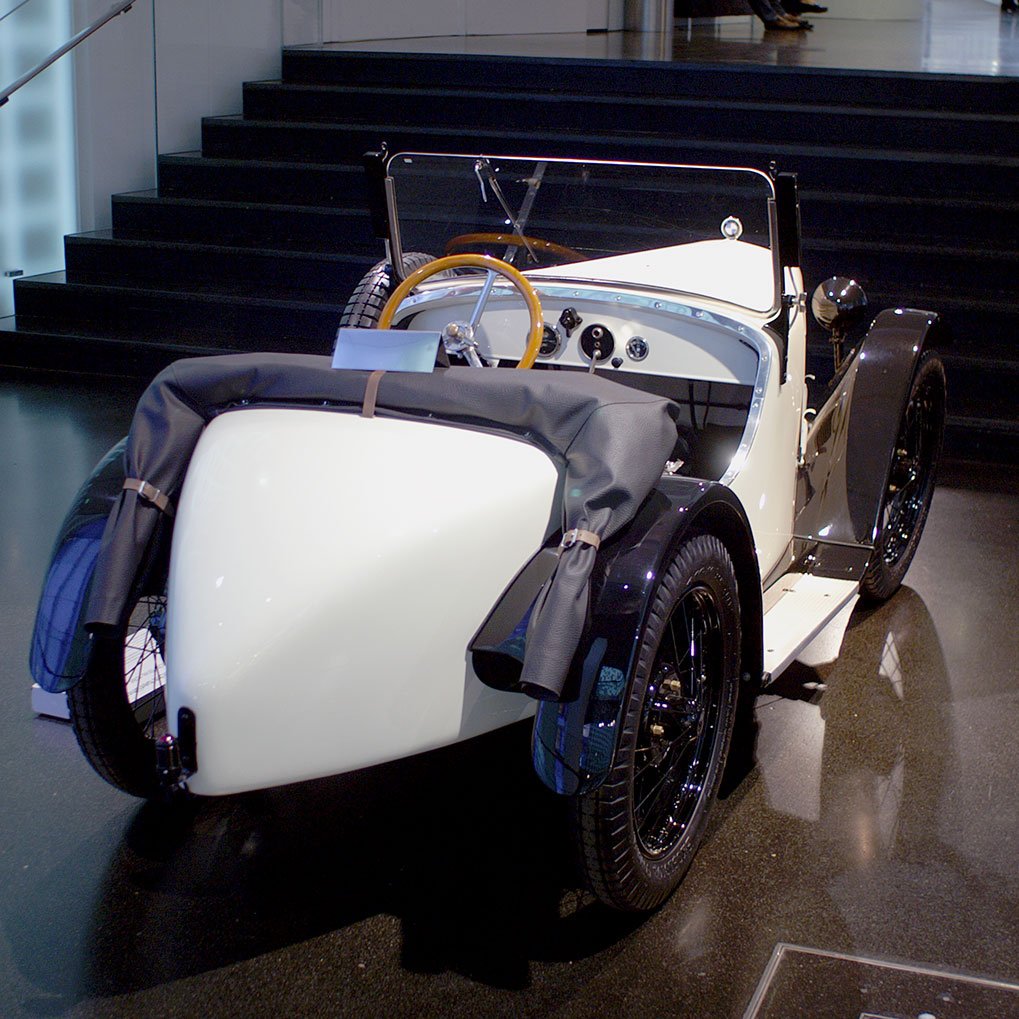
This roadster was built on the sedan platform produced under the Dixi name. After BMW acquired Dixi-Werke from Gothaer Waggonfabrik AG on November 14, 1928, the car became known as the BMW 3/15. That date is generally treated as the true starting point of BMW as an automobile manufacturer.
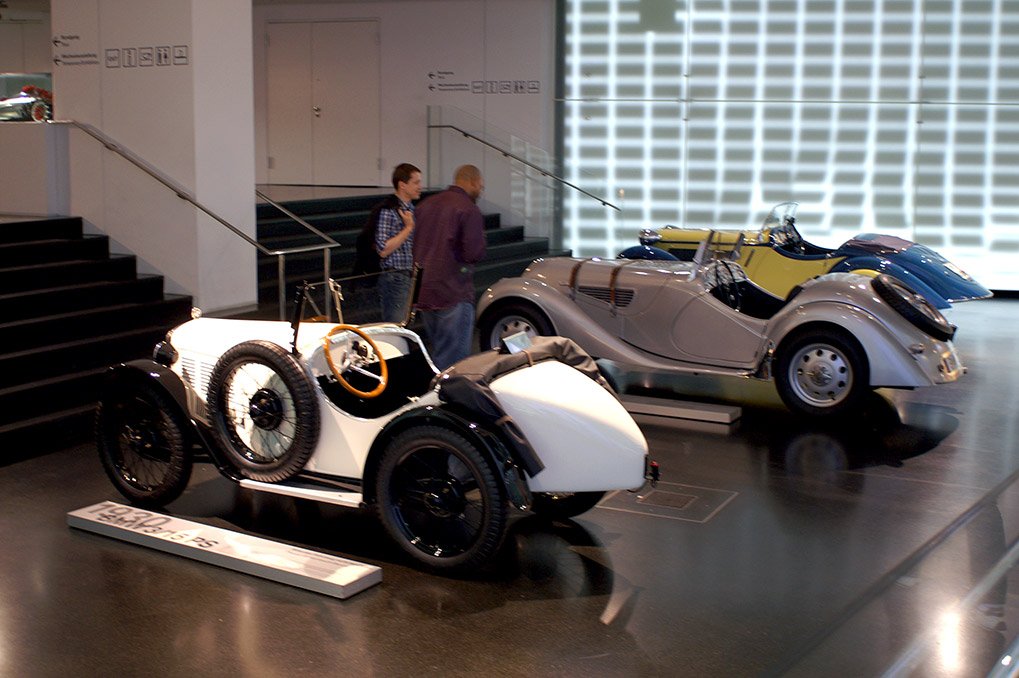
Another member of the roadster family was the BMW 328.
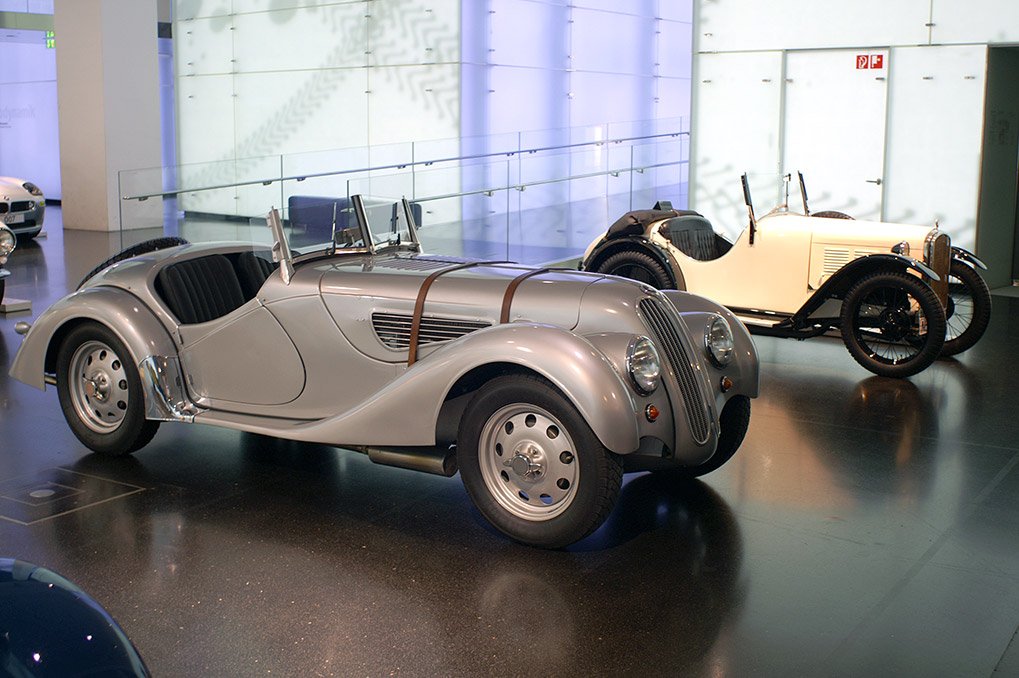
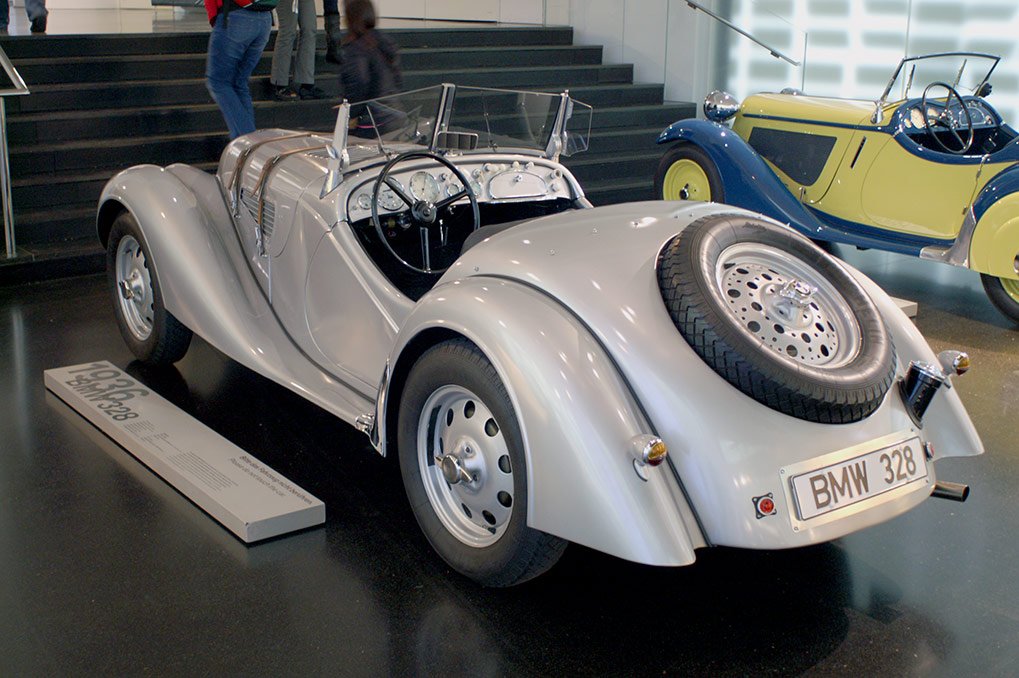
The BMW 315/1 Touring Sport was one of the most beautiful BMWs in the entire hall.
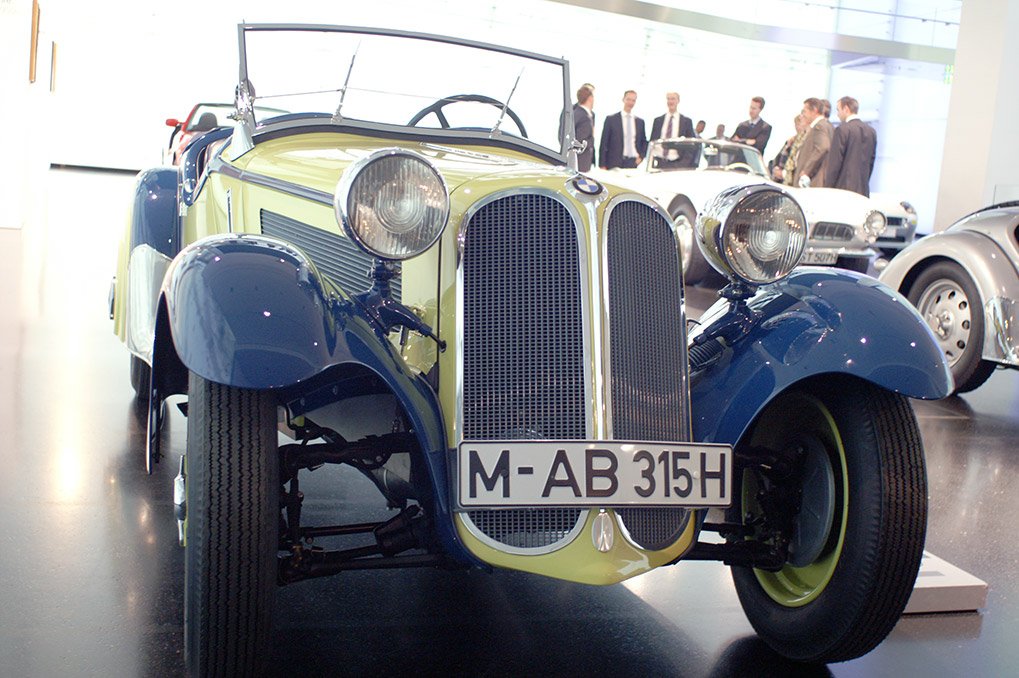
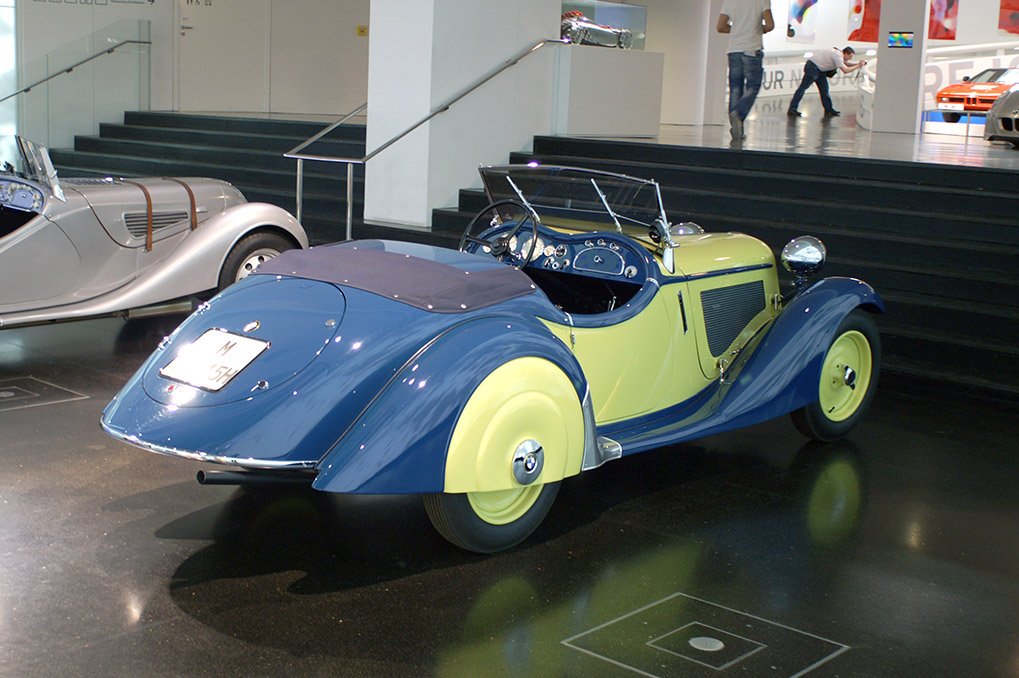
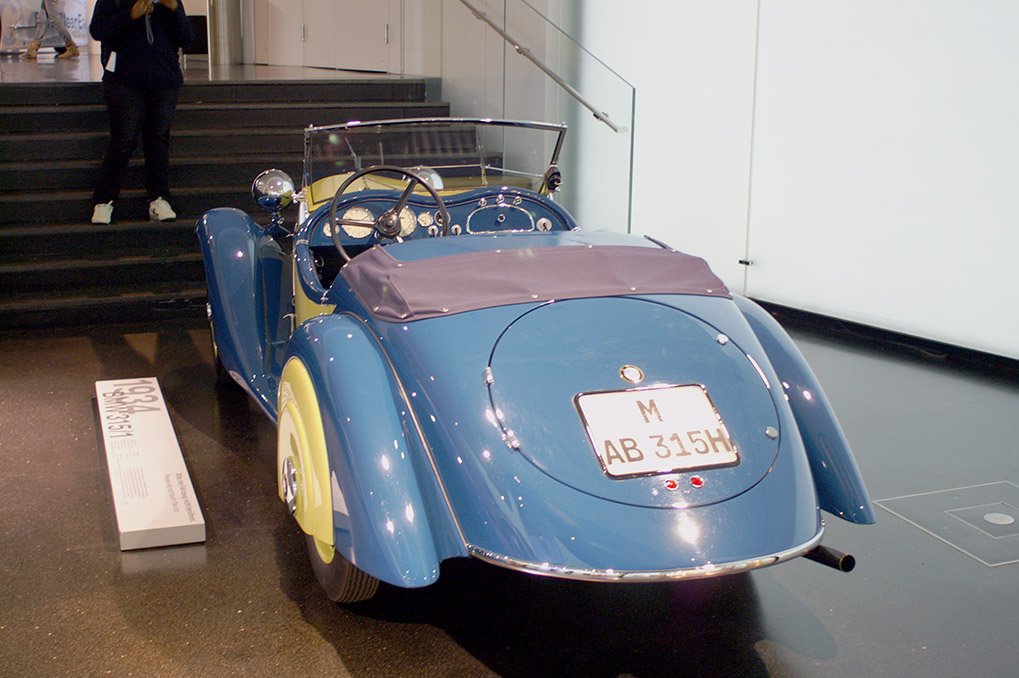
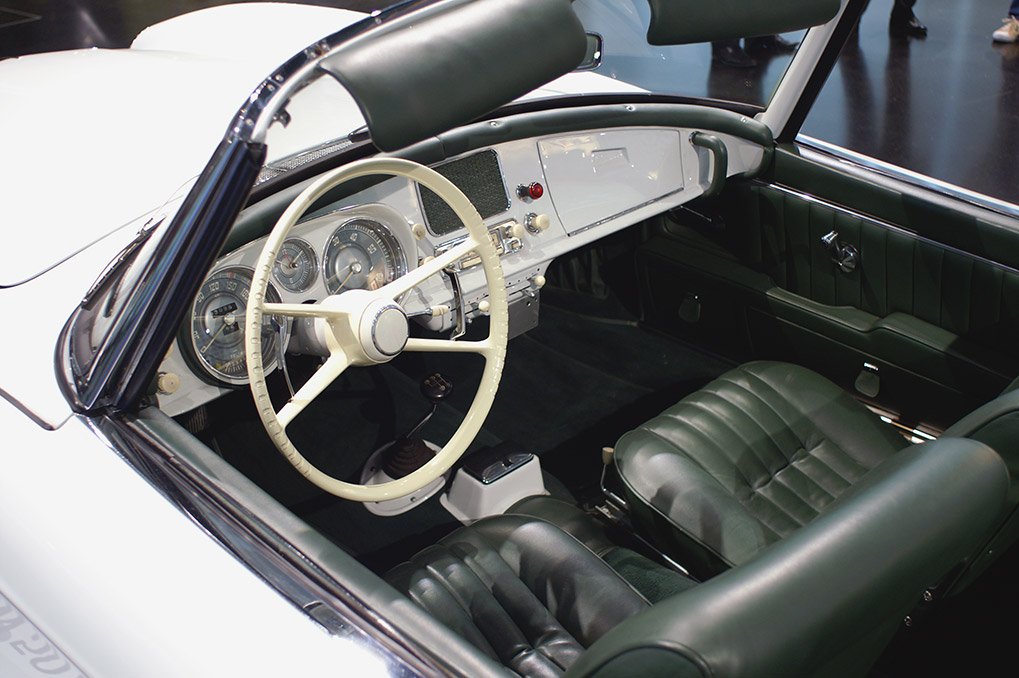
The next important roadster in the lineage was the BMW 507 from the mid-1950s. Its shape already felt closer to the Z cars most people know today.
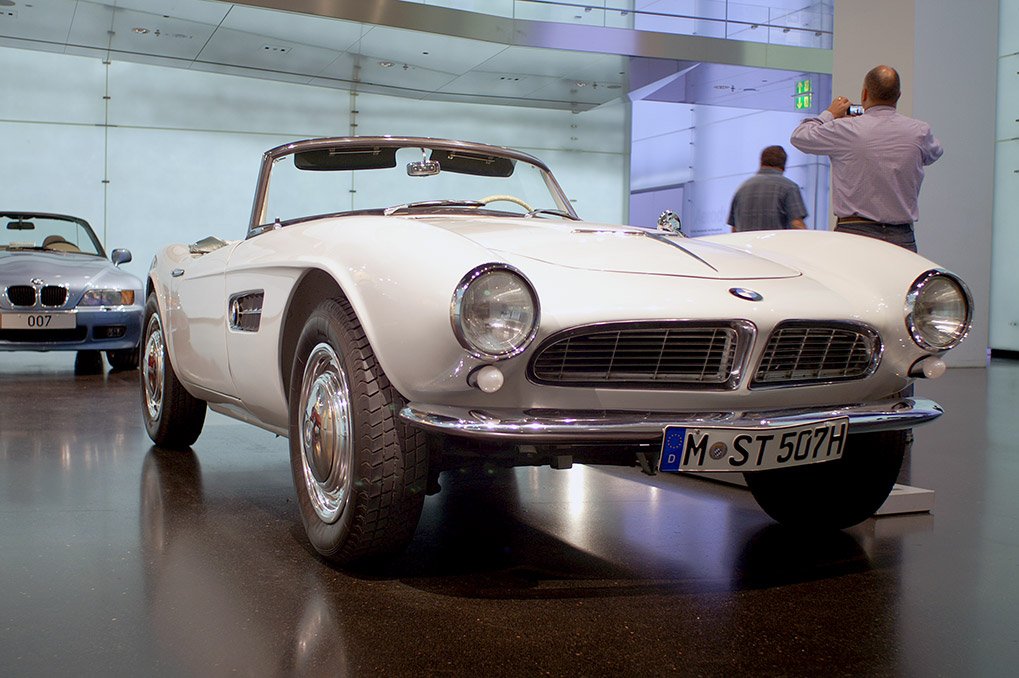
Like the 3 Series display, the modern Z Series lineup was not complete.
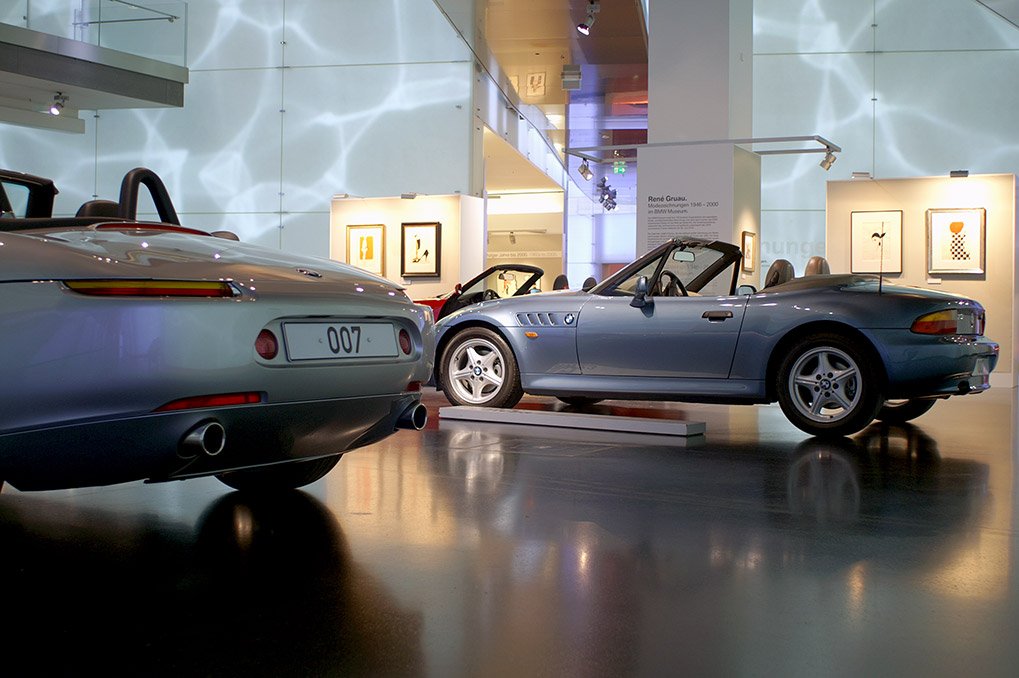
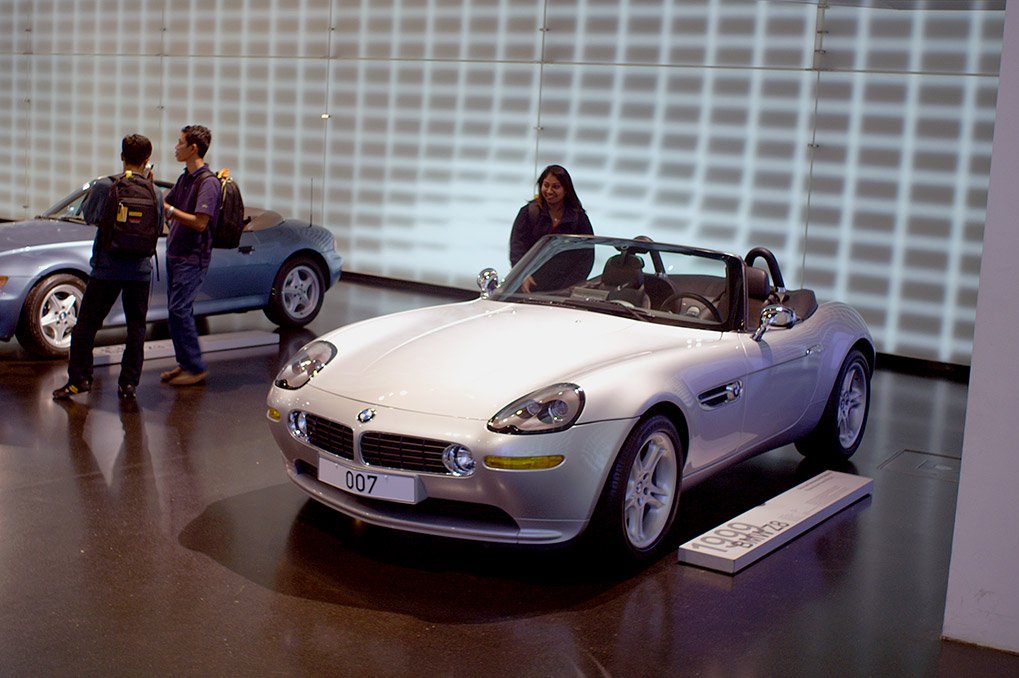
Still, it was hard not to enjoy seeing the various BMW Z cars associated with James Bond gathered in one place.
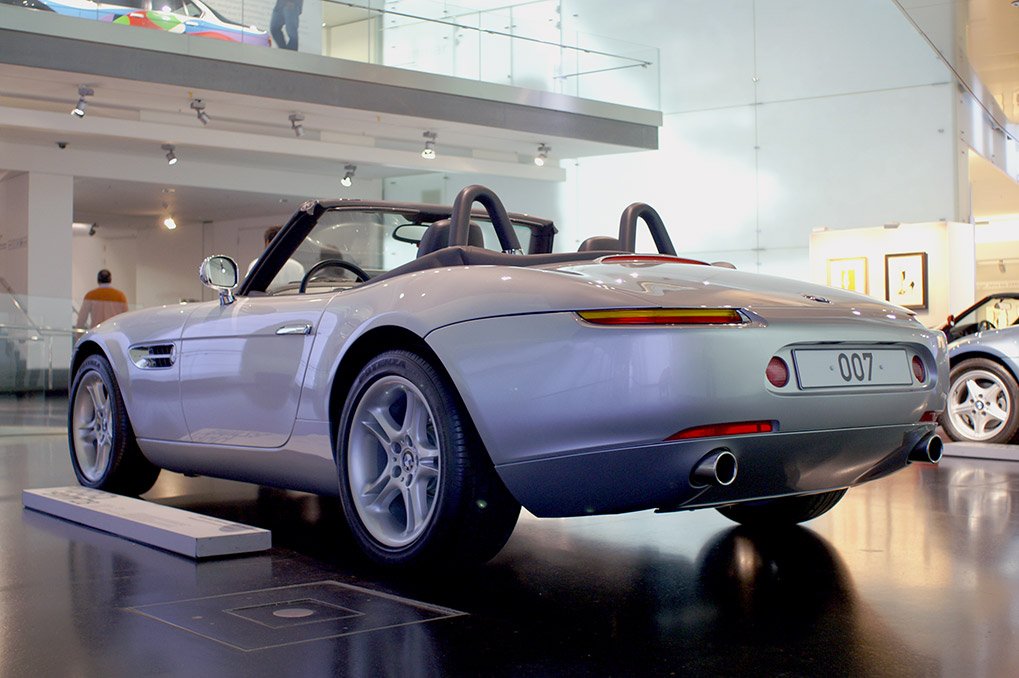
The BMW Z8 still looks magnificent and expensive, even now.
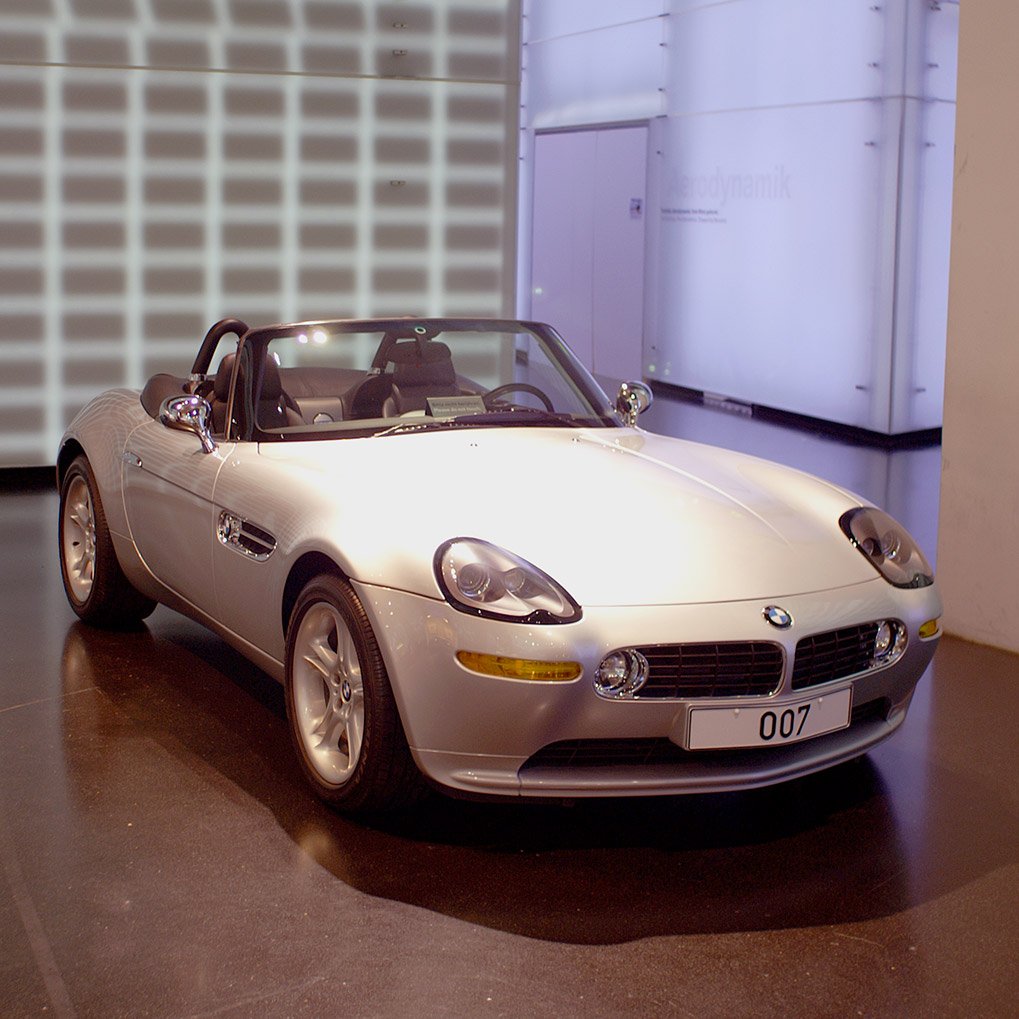
A group of Indian students kept taking turns posing in front of the Z8, which made photographing it a little more complicated than expected.
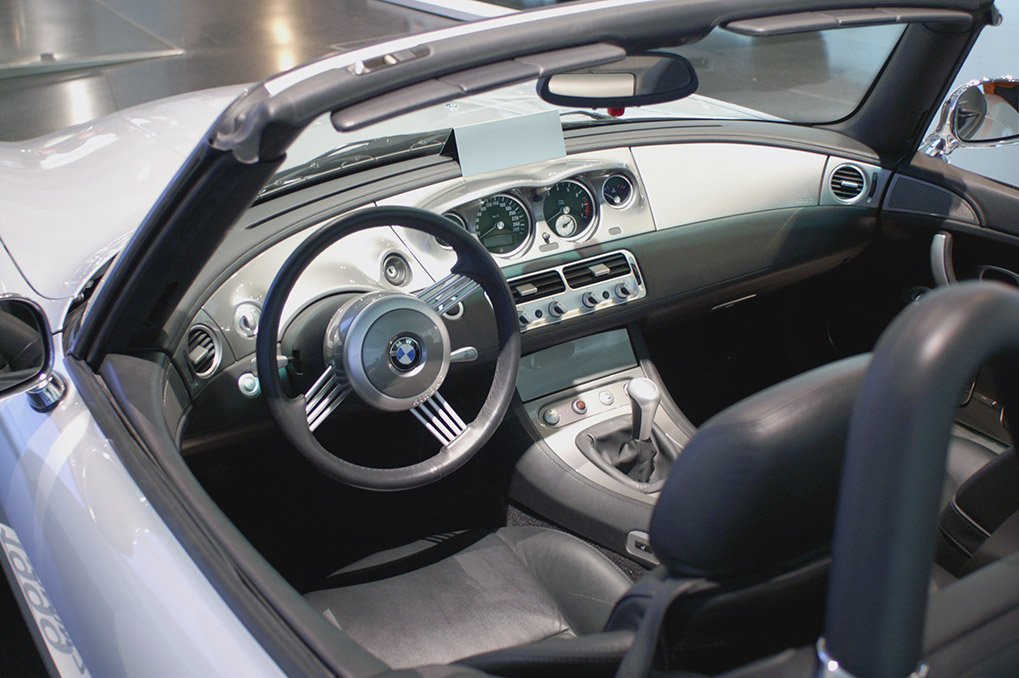
Inside, the Z8 felt harmonious and restrained. As with many BMW interiors, there was very little there that did not need to be there.
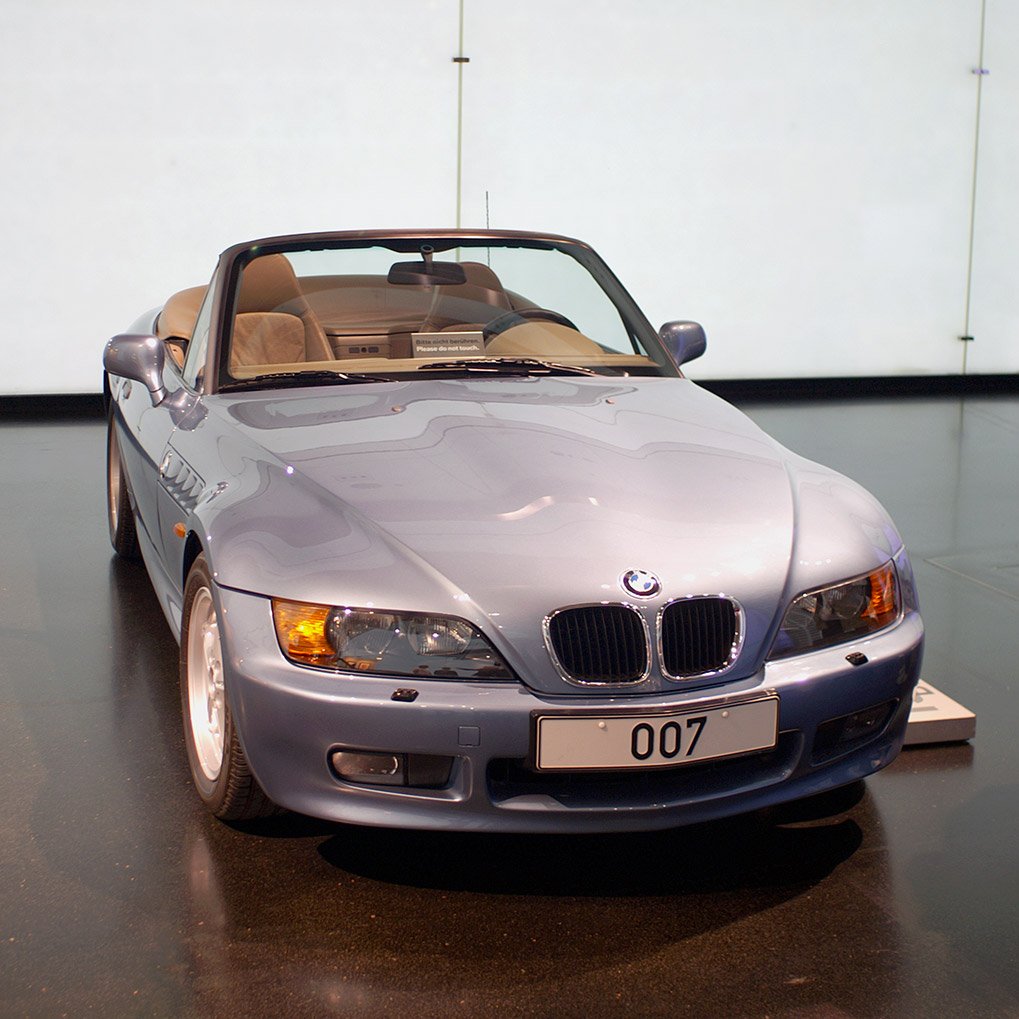
Another Bond car: the Z3 Roadster.
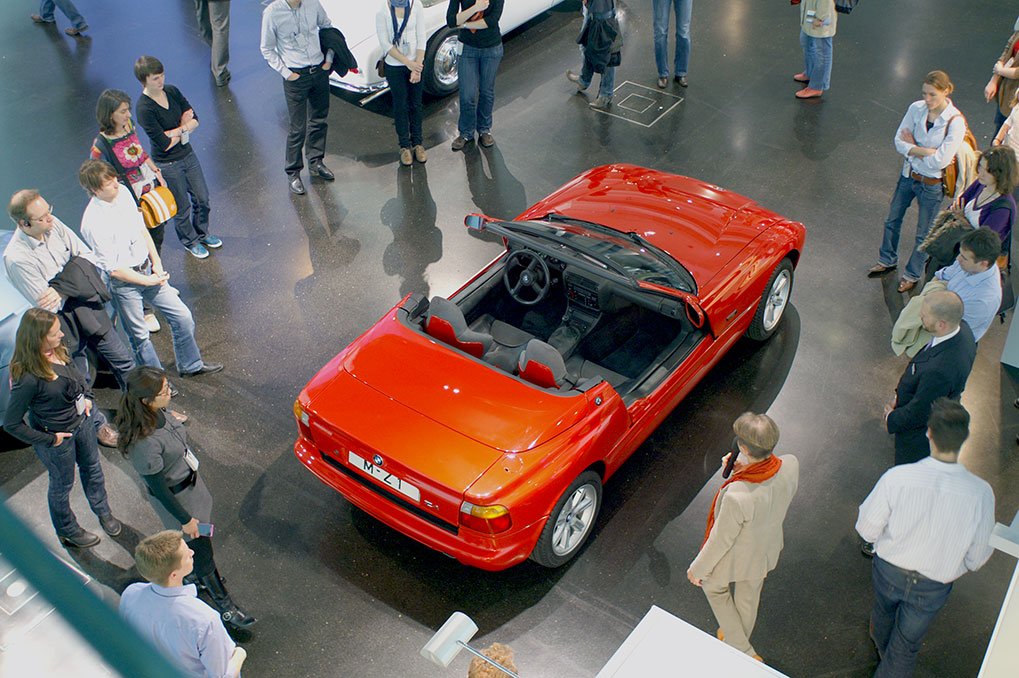
Getting close to the BMW Z1 was impossible because a group tour had gathered around it.
After a short delay, we rushed on toward the 6 Series pavilion.
6 Series, 2002, and M Cars
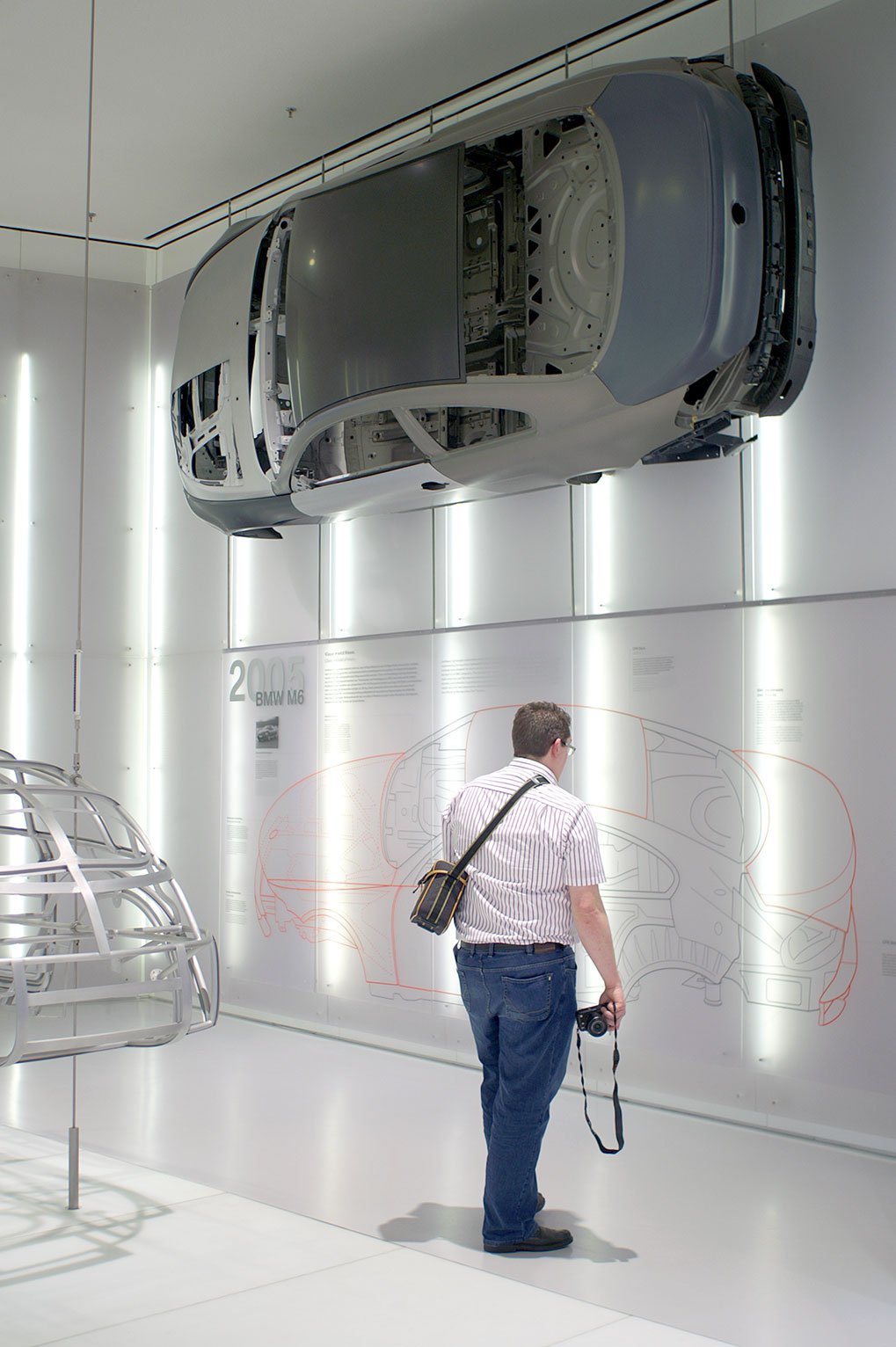
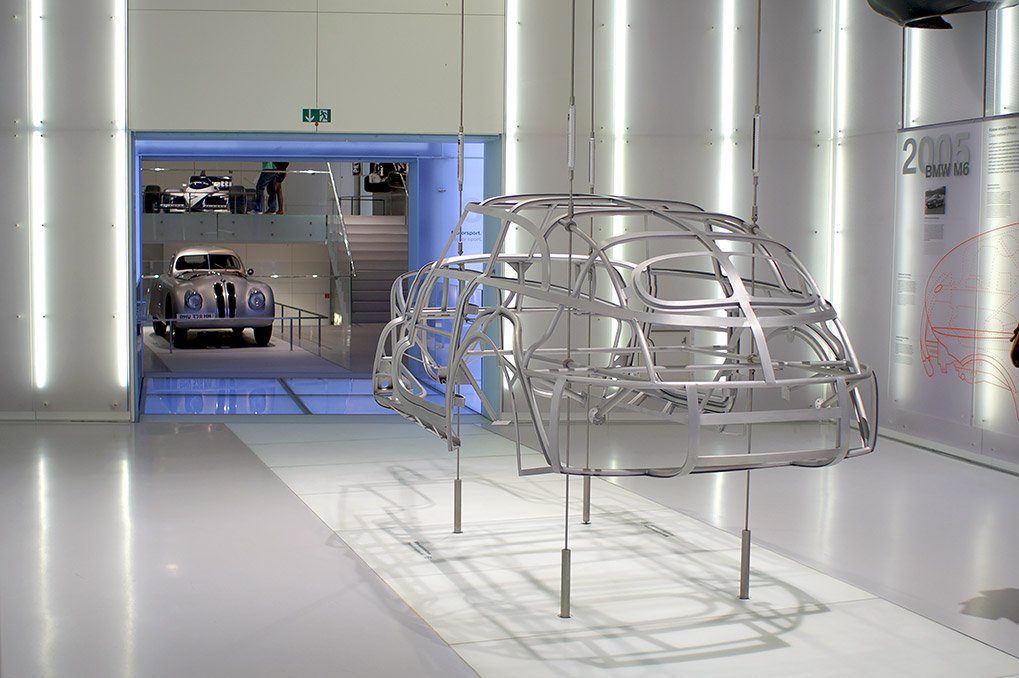
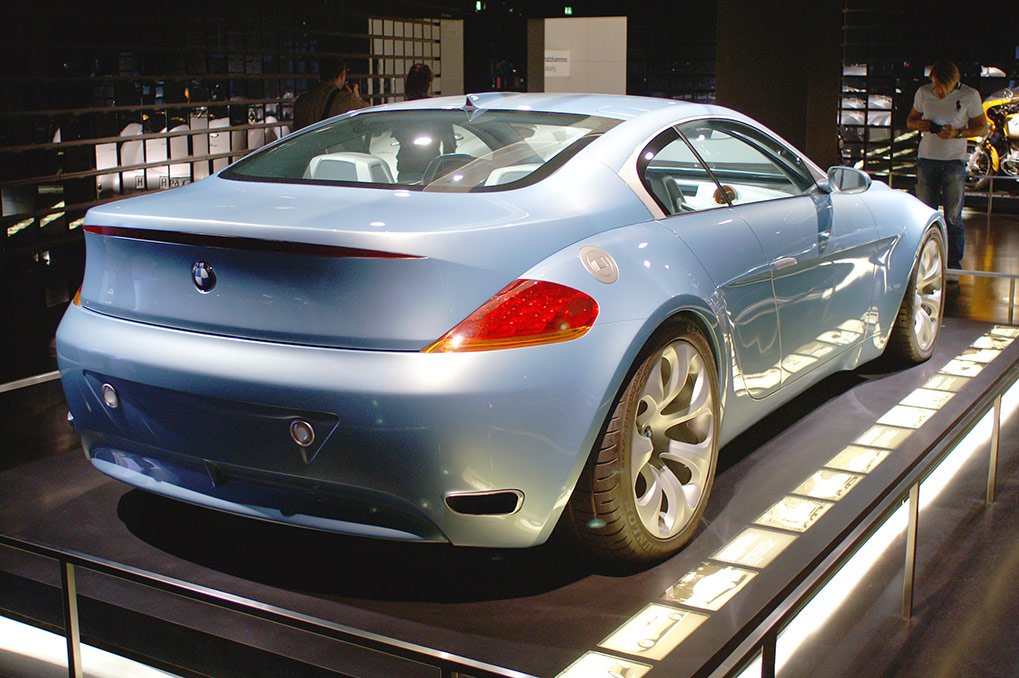
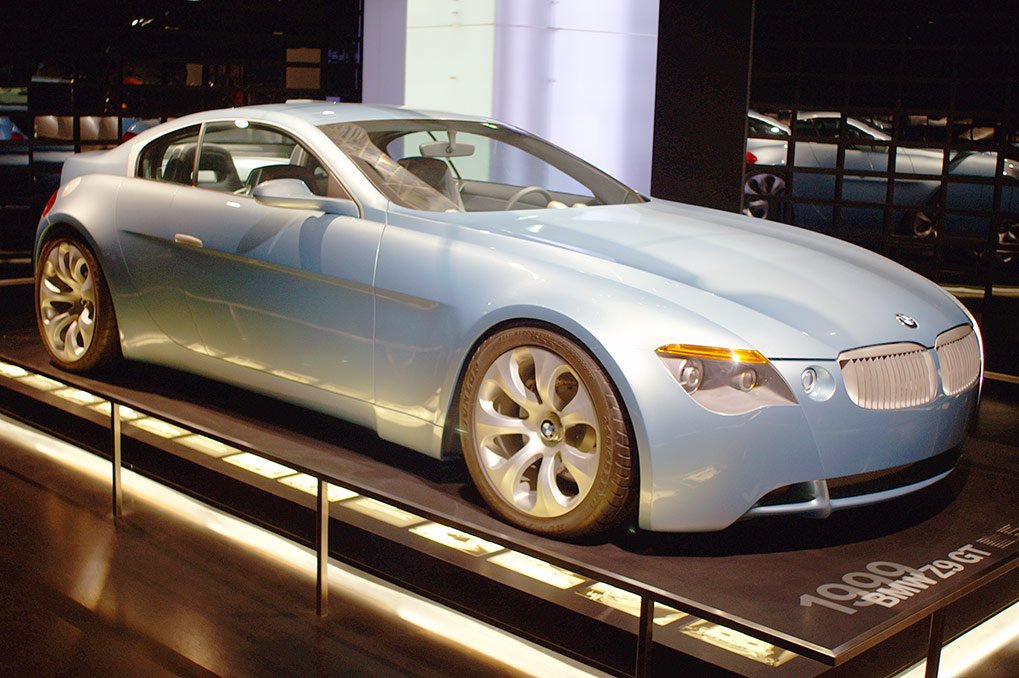
After looking at the cutaway body of the BMW M6 E63 and comparing it with one of its predecessors, we headed toward the 6 Series concept we had spotted through the glass floor beneath the 1 Series model.
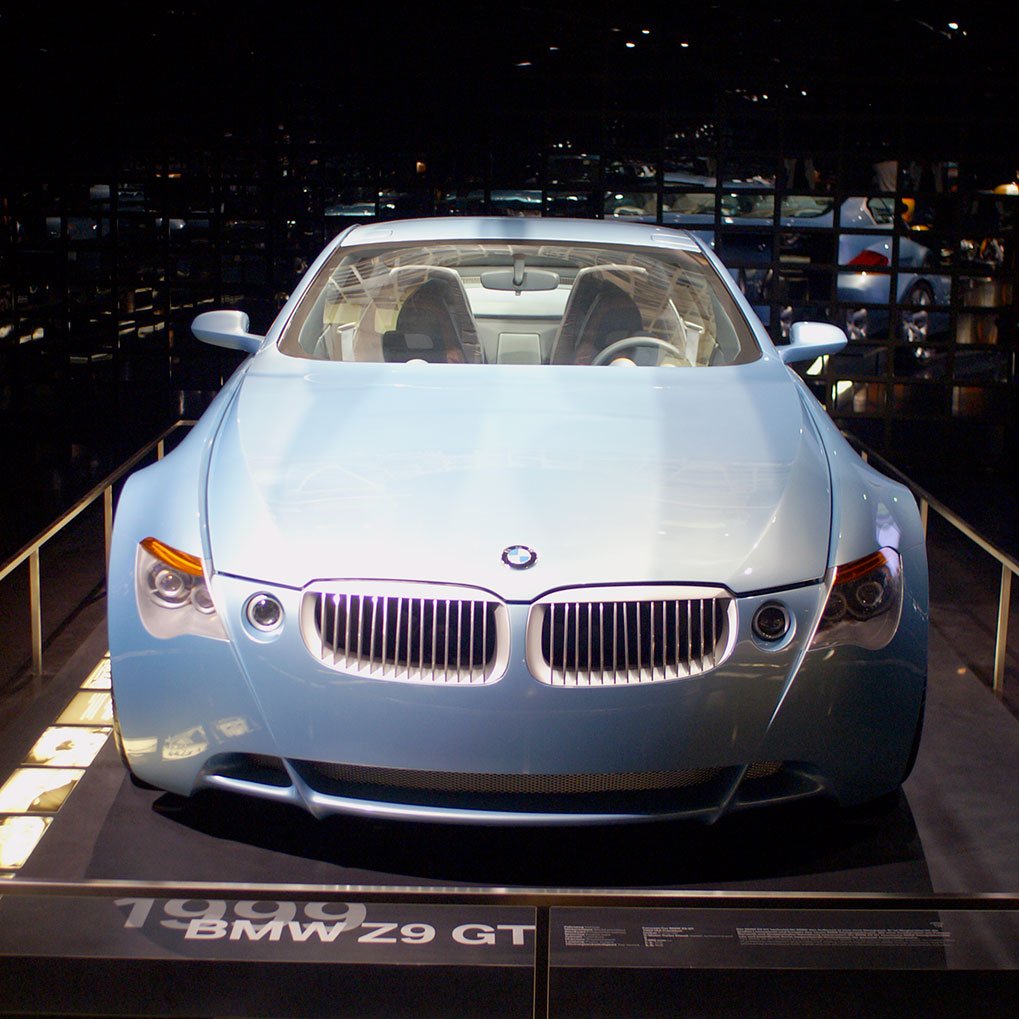
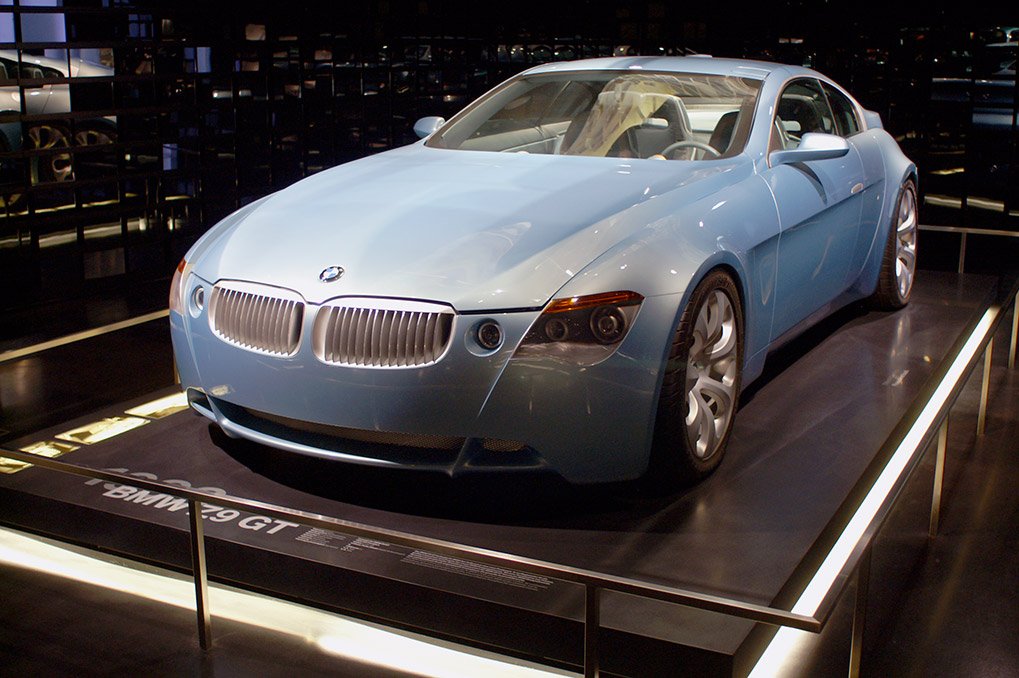
Classic Coupes and the 2002
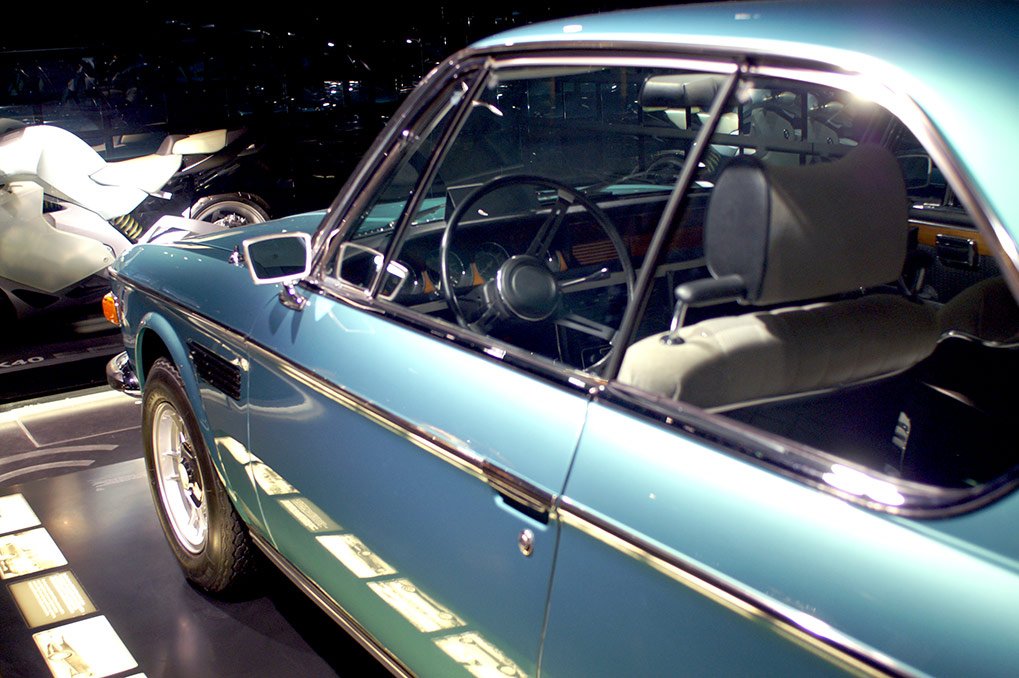
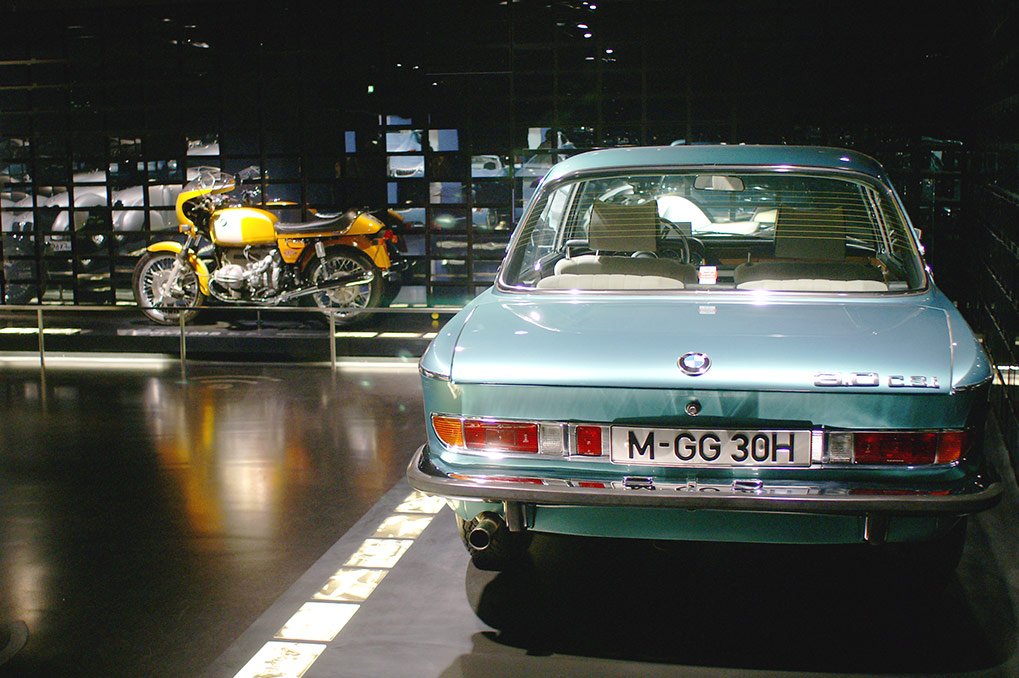
To be honest, it was even more interesting to admire the very real BMW 3.0 CSi in that outstanding light blue shade.
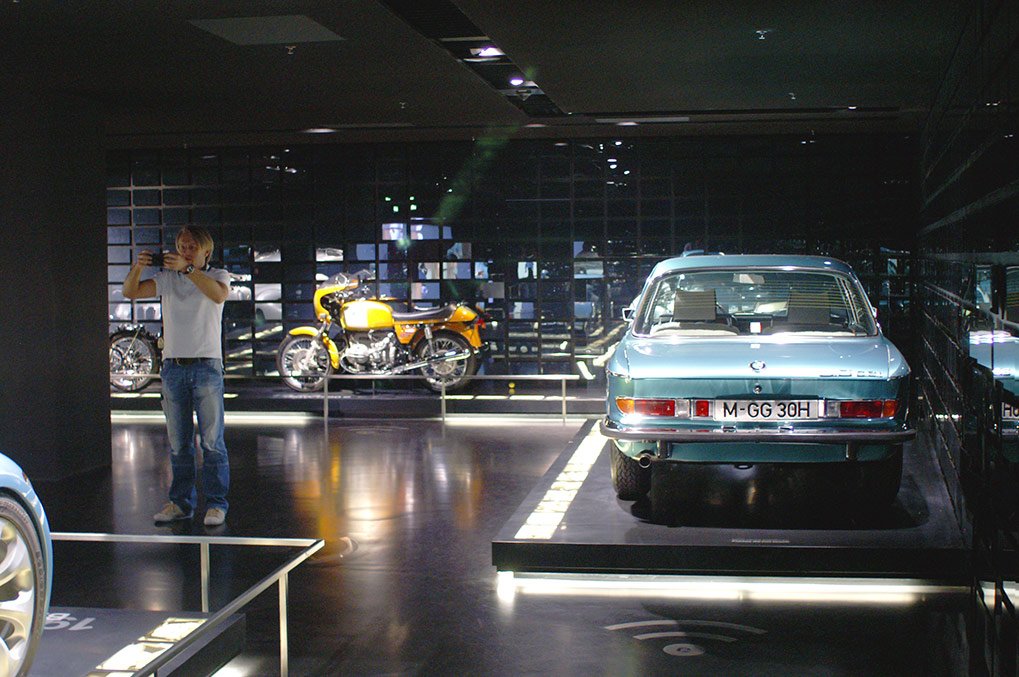
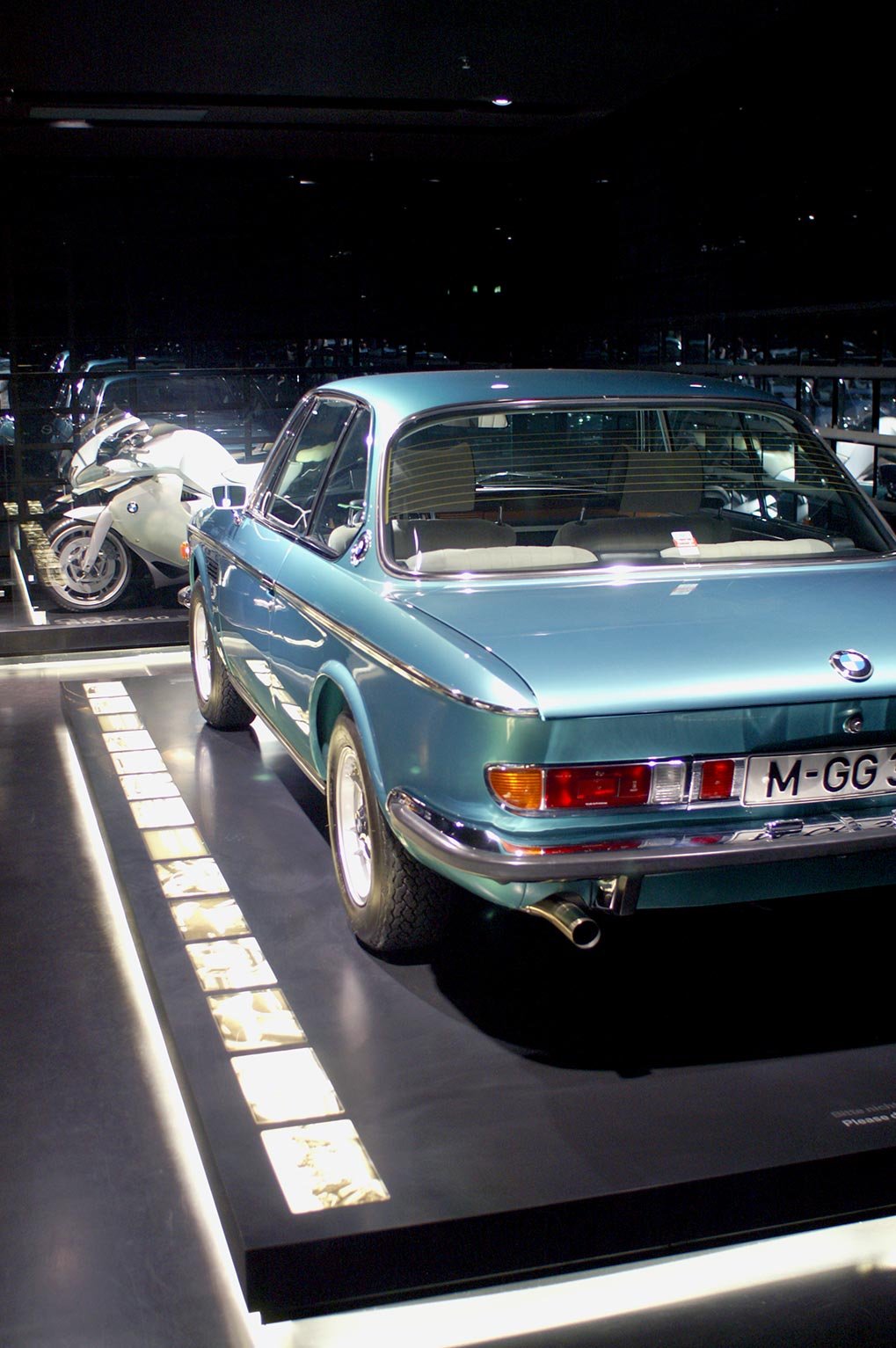
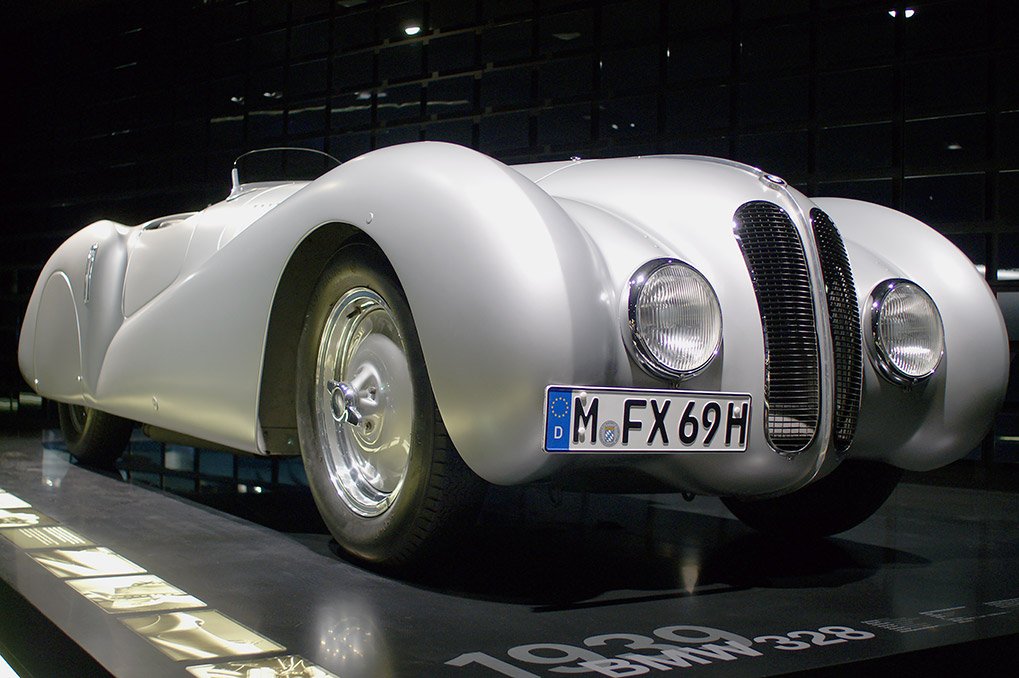
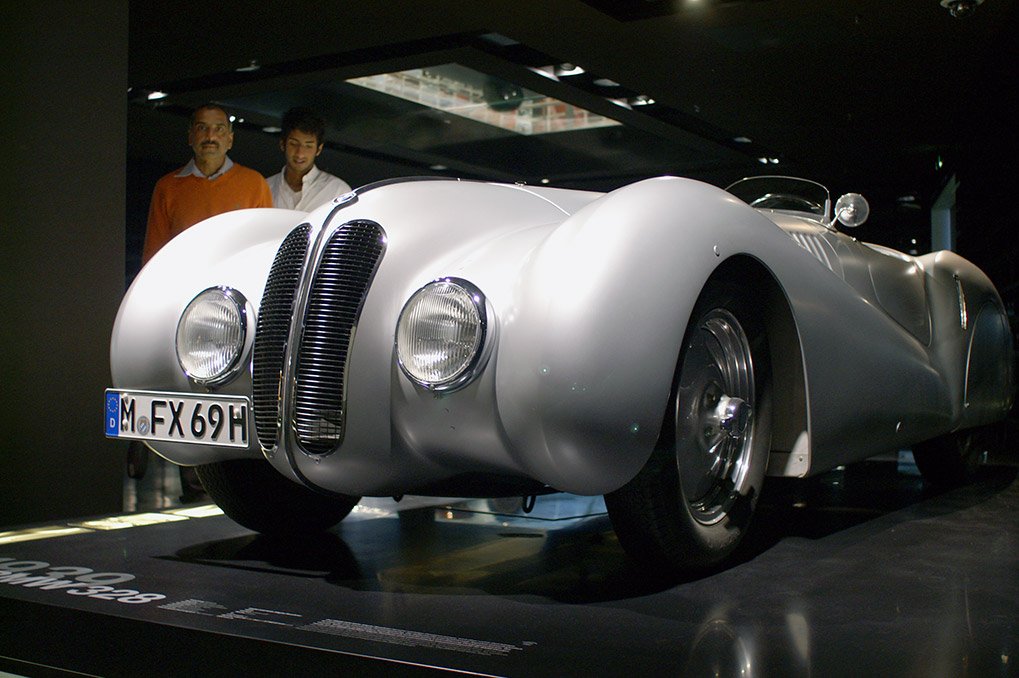
It was not entirely clear why the BMW 328 was placed in the same hall, but there it was.
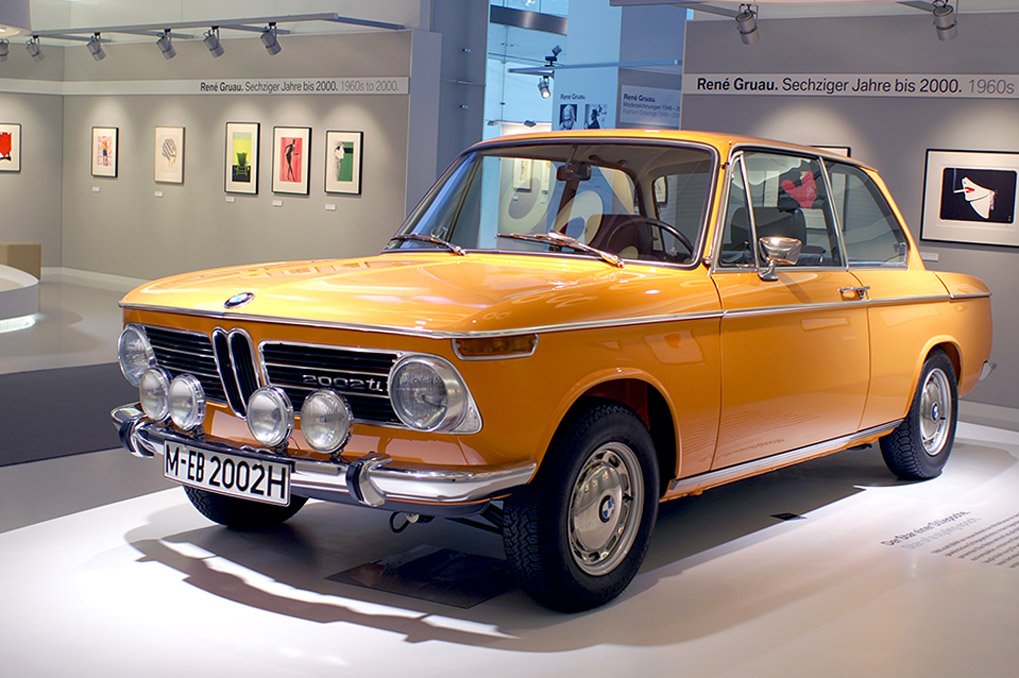
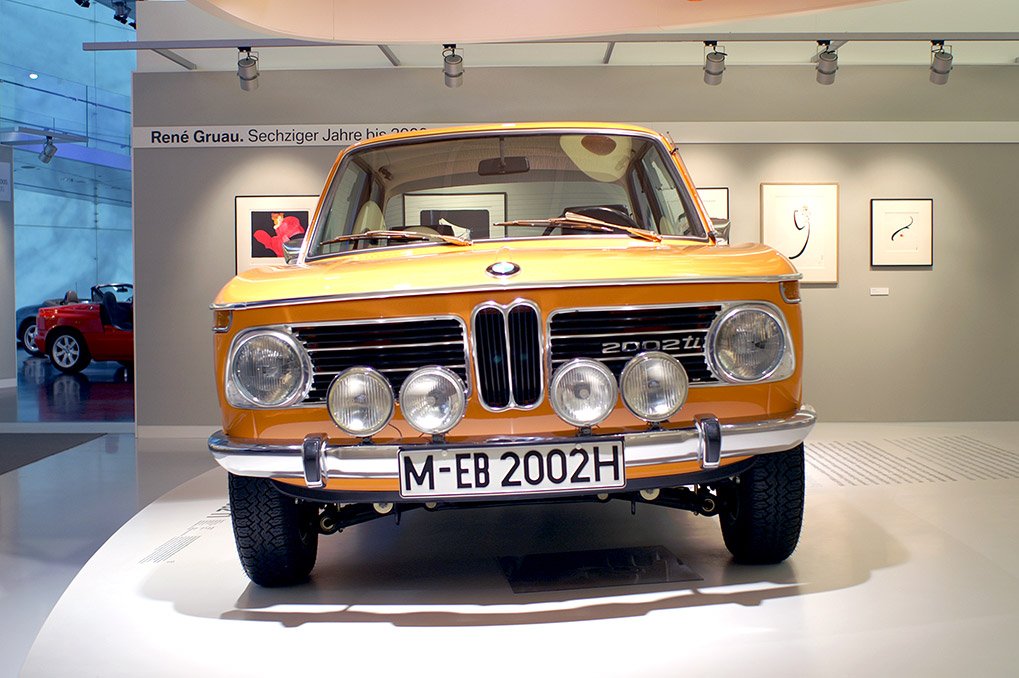
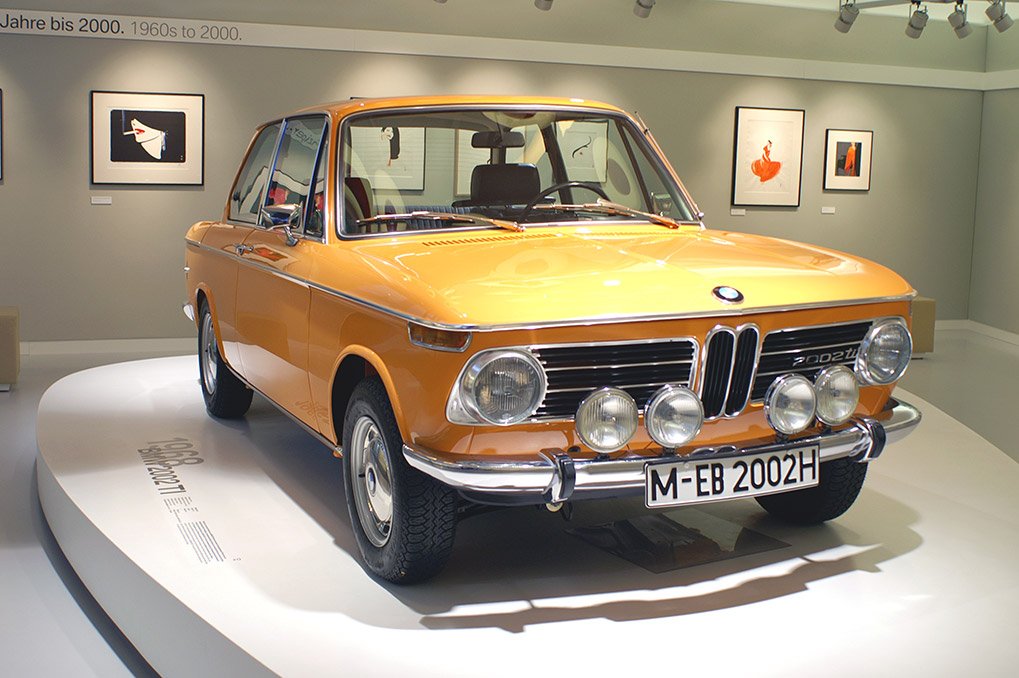
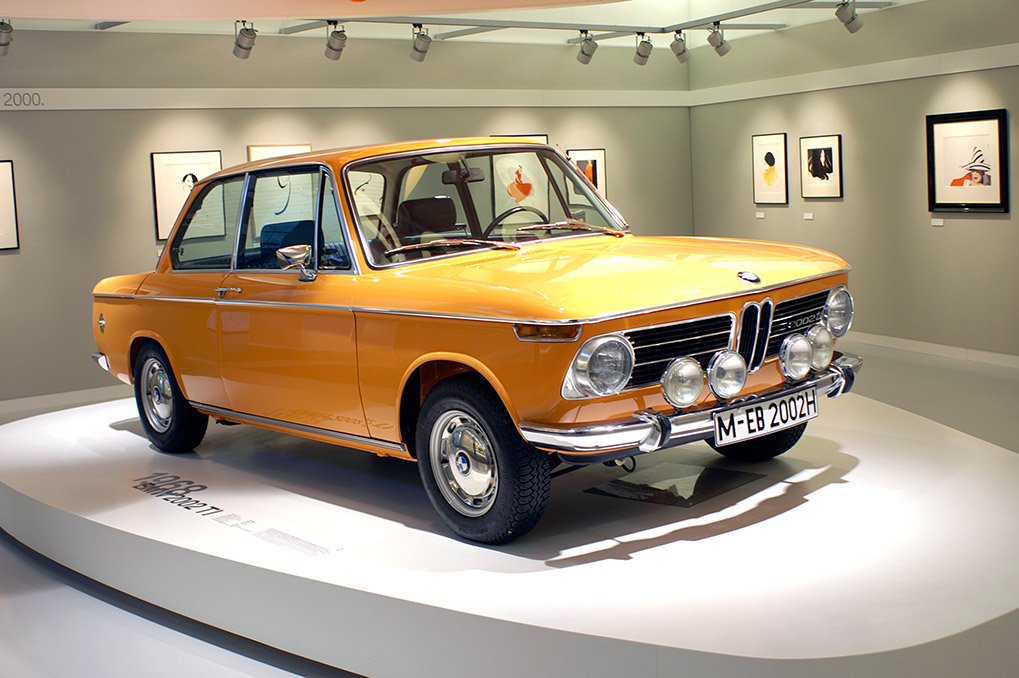
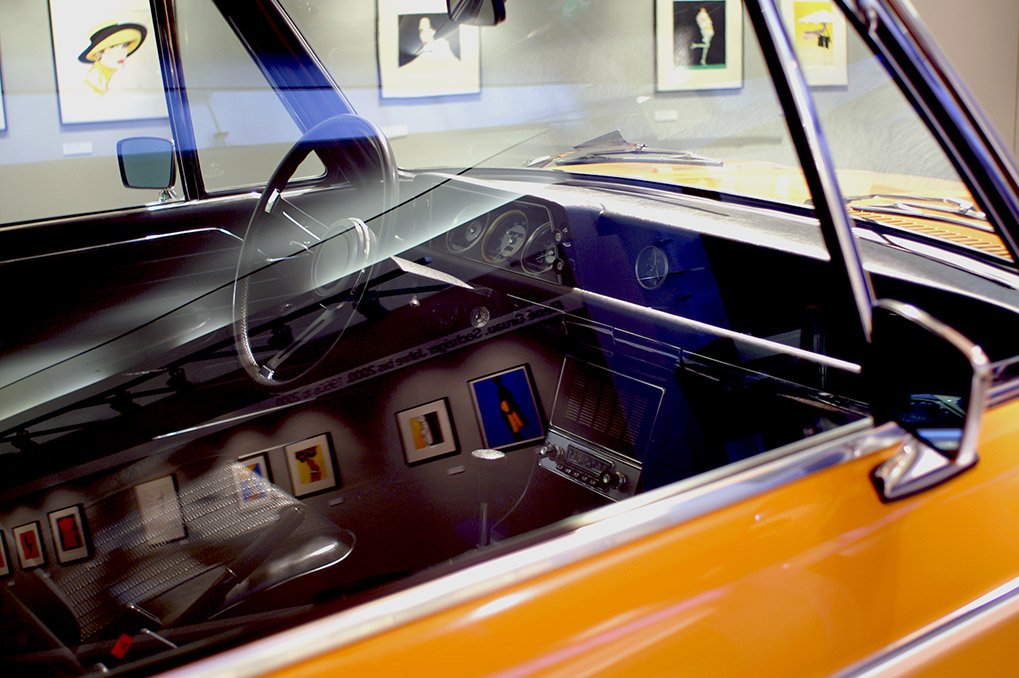
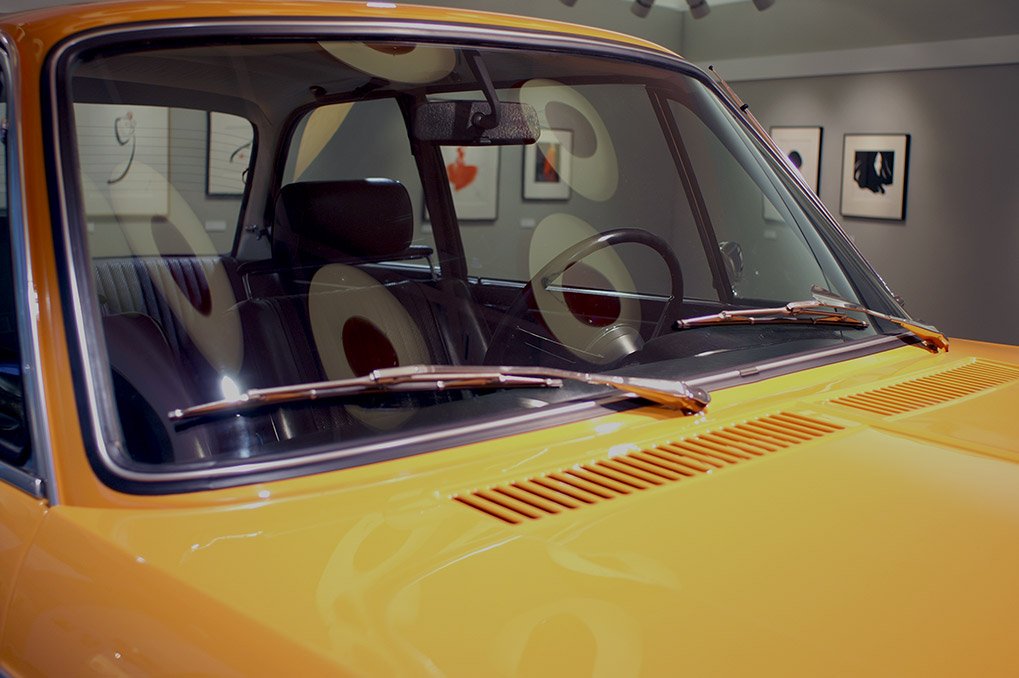
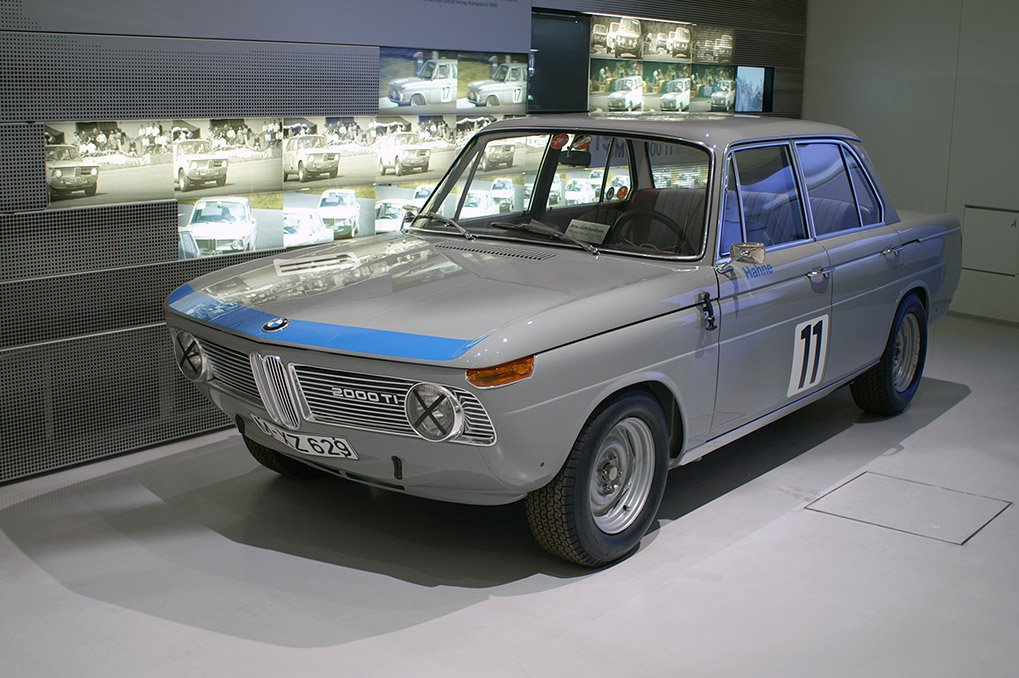
Walking past the classic 1968 BMW 2002Ti was simply not possible.
The M Hall and Racing Machines
By then, time was already against us. We hurried toward the M hall and the exit, while the loudspeakers began warning visitors that the museum would soon close.
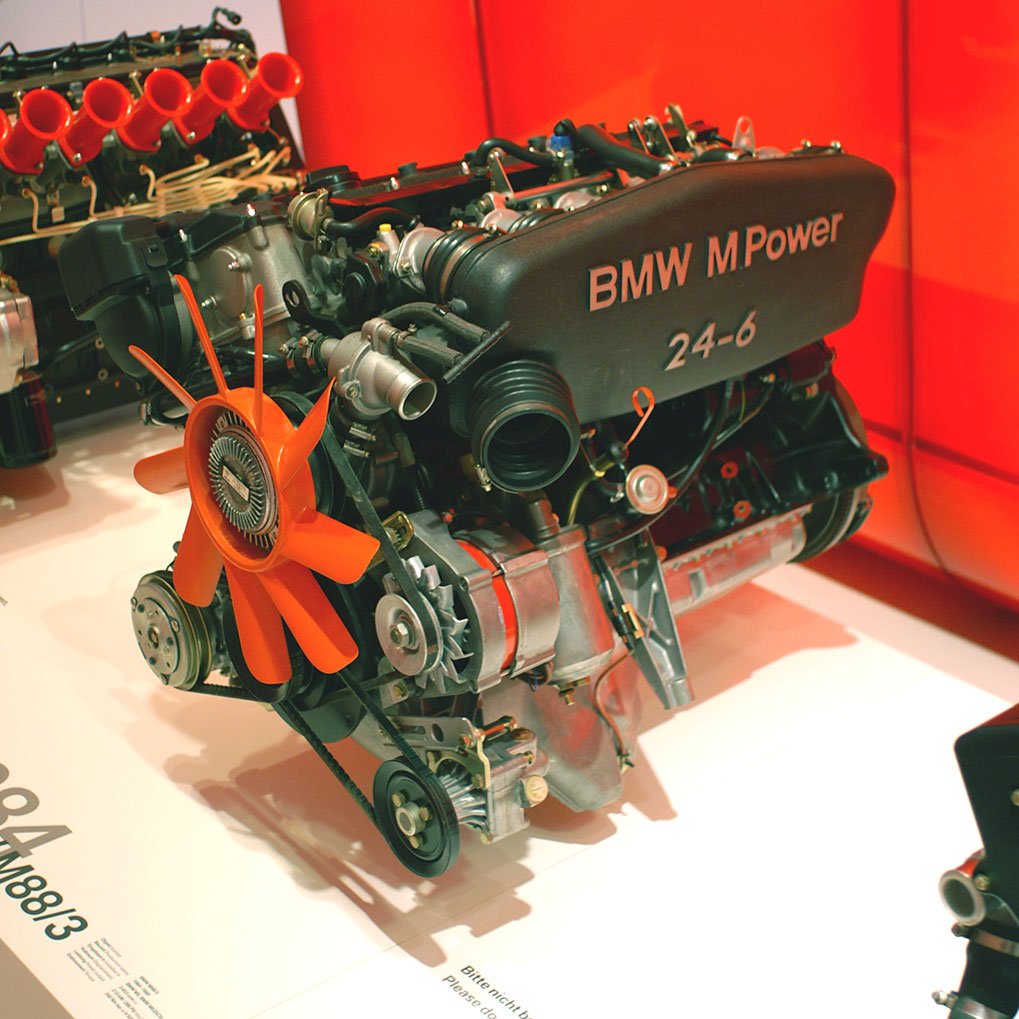
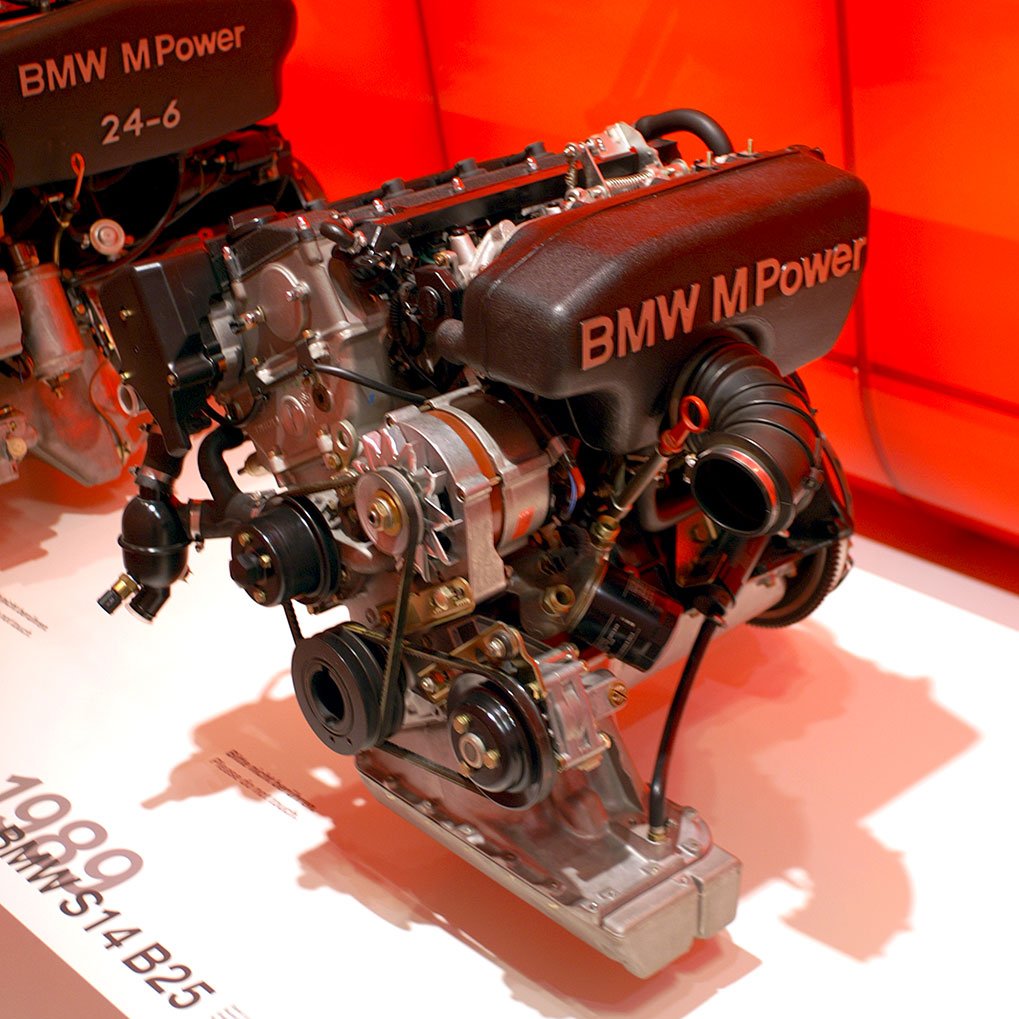
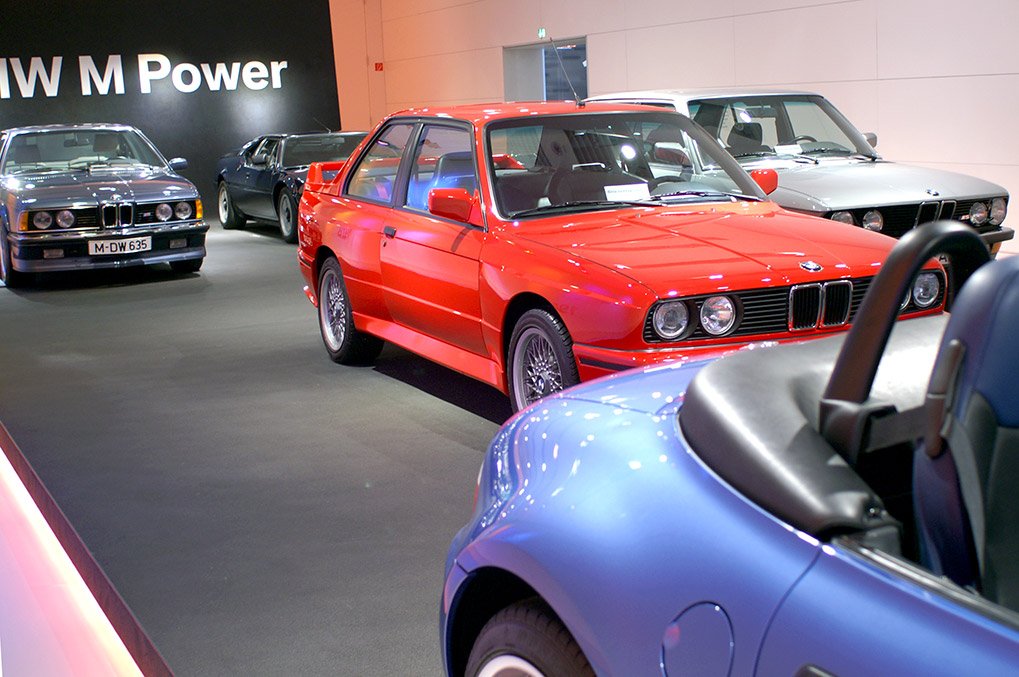
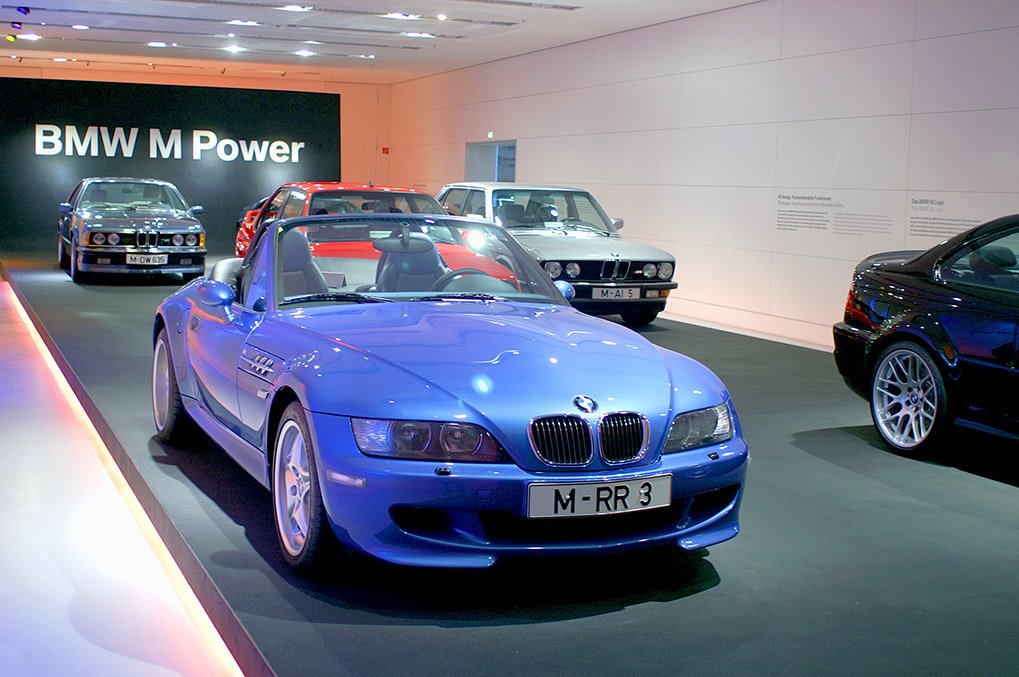
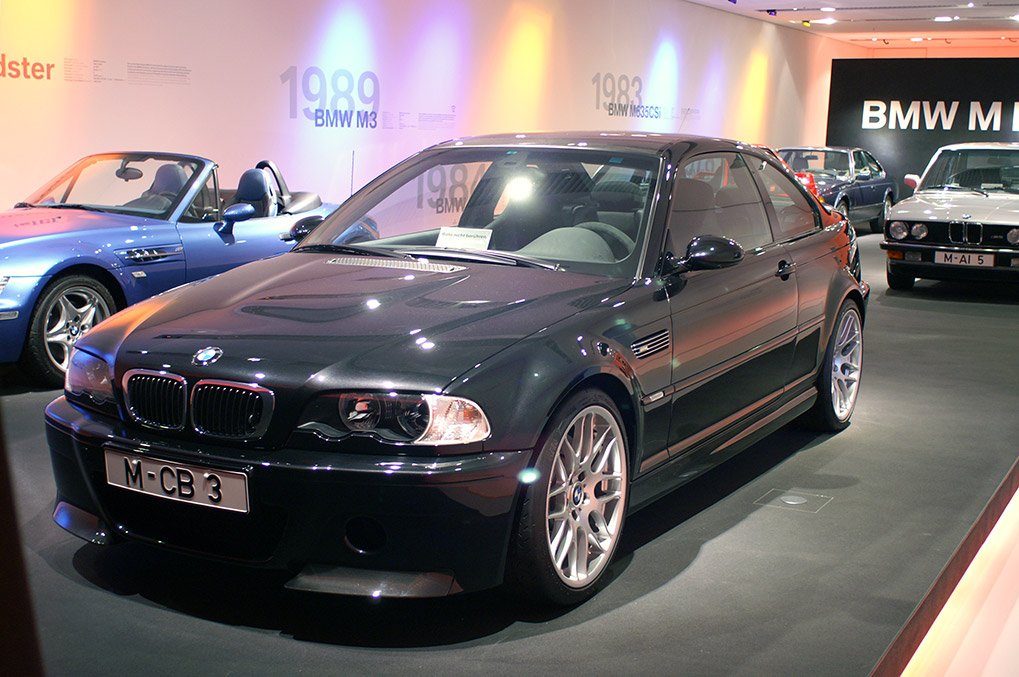
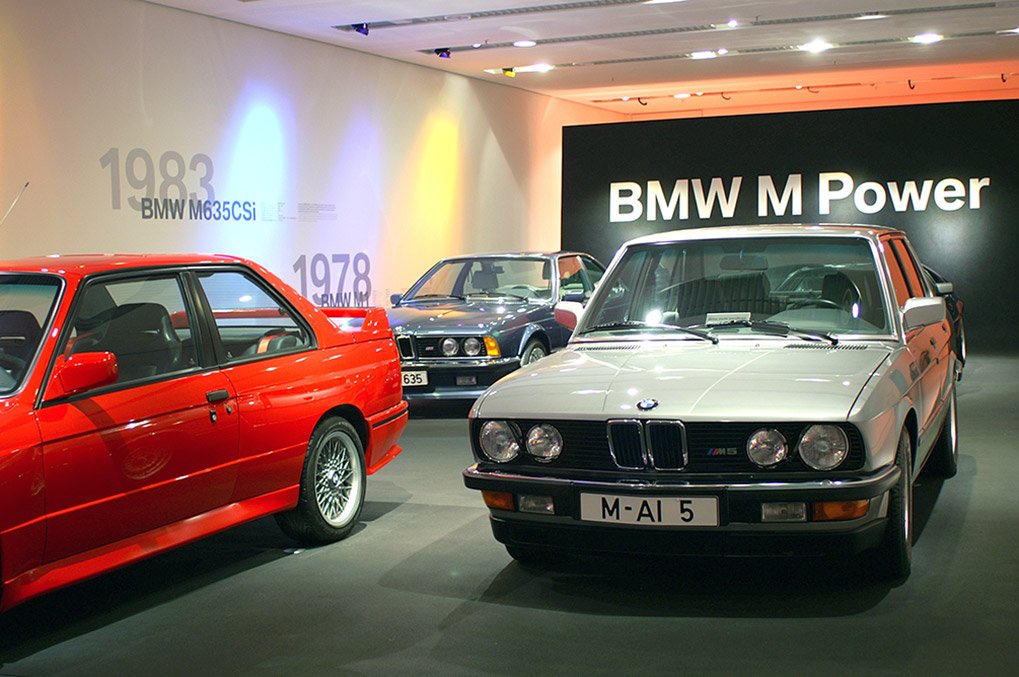
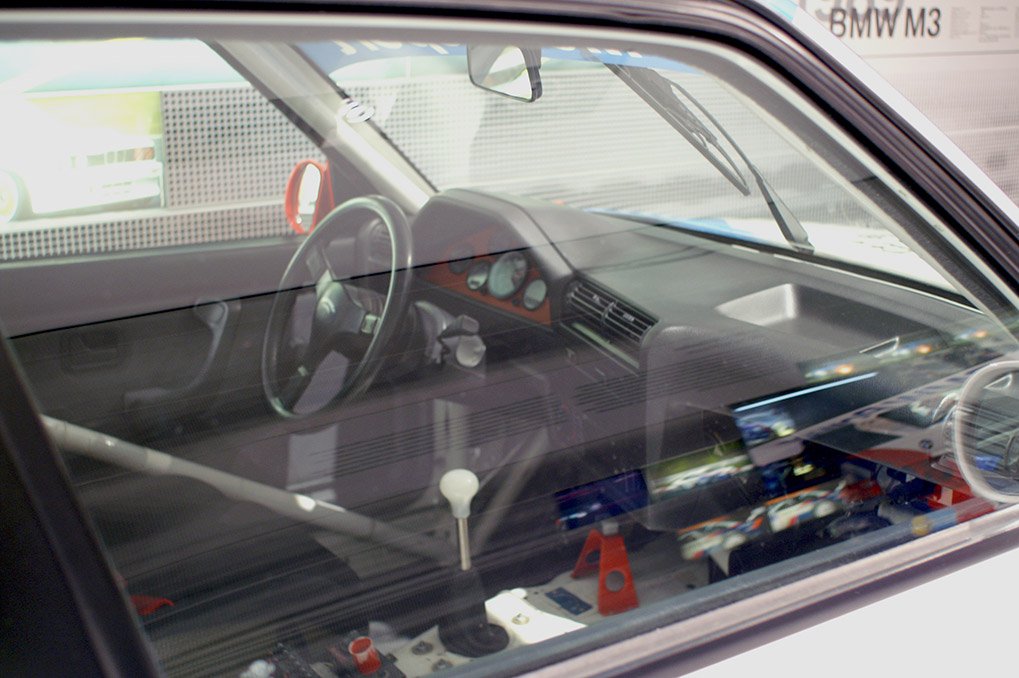
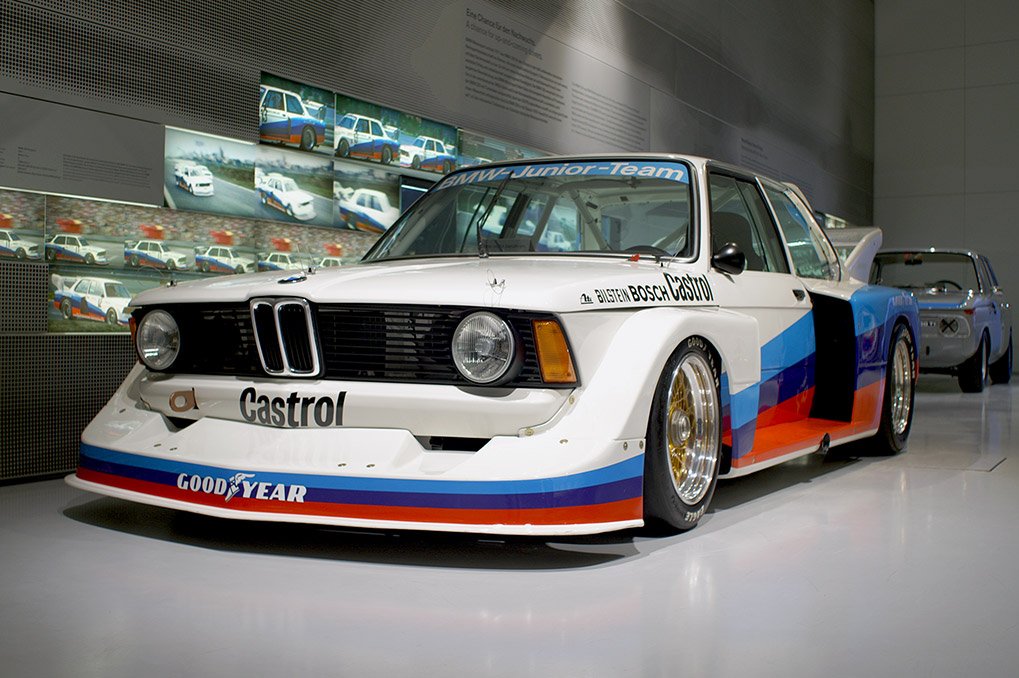
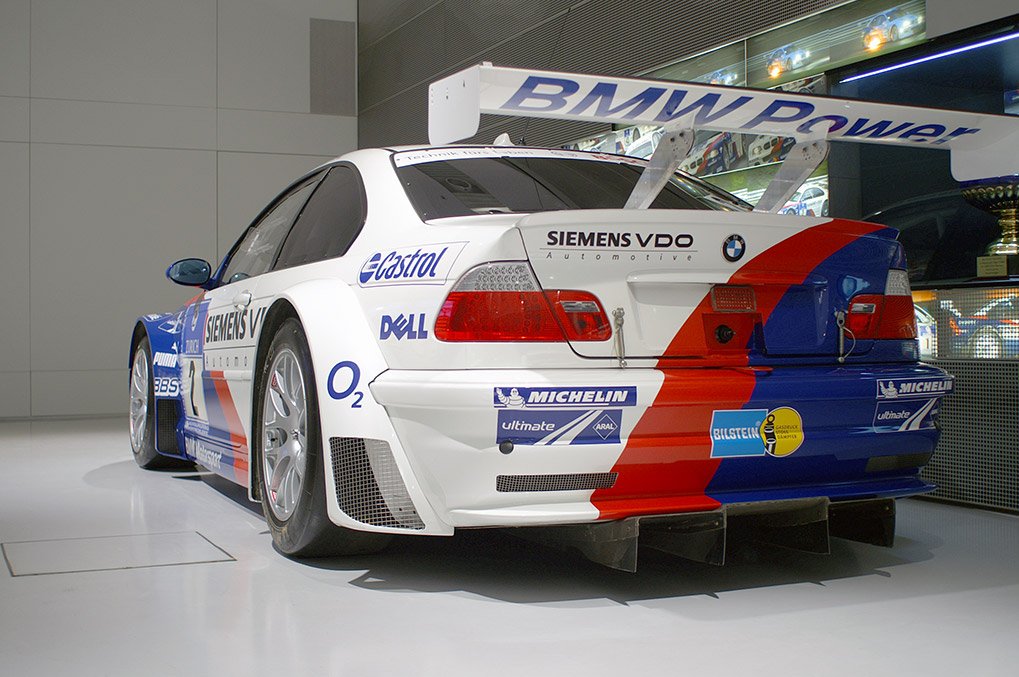
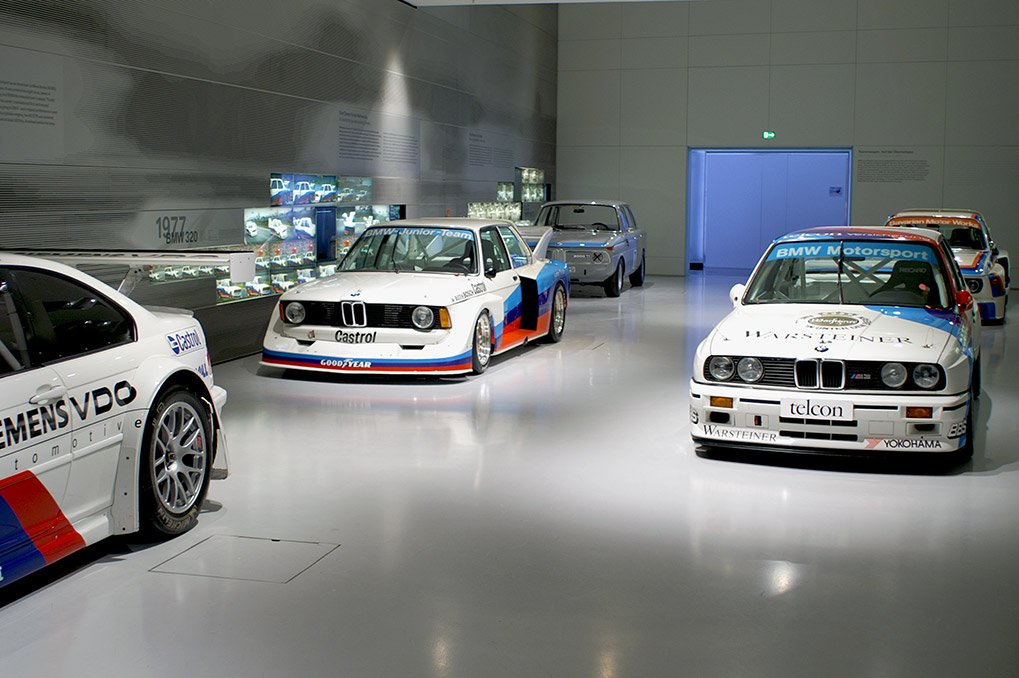
After a quick look at the engines, I made a few shots of the cars on display. They are all familiar enough that separate explanations hardly seemed necessary.
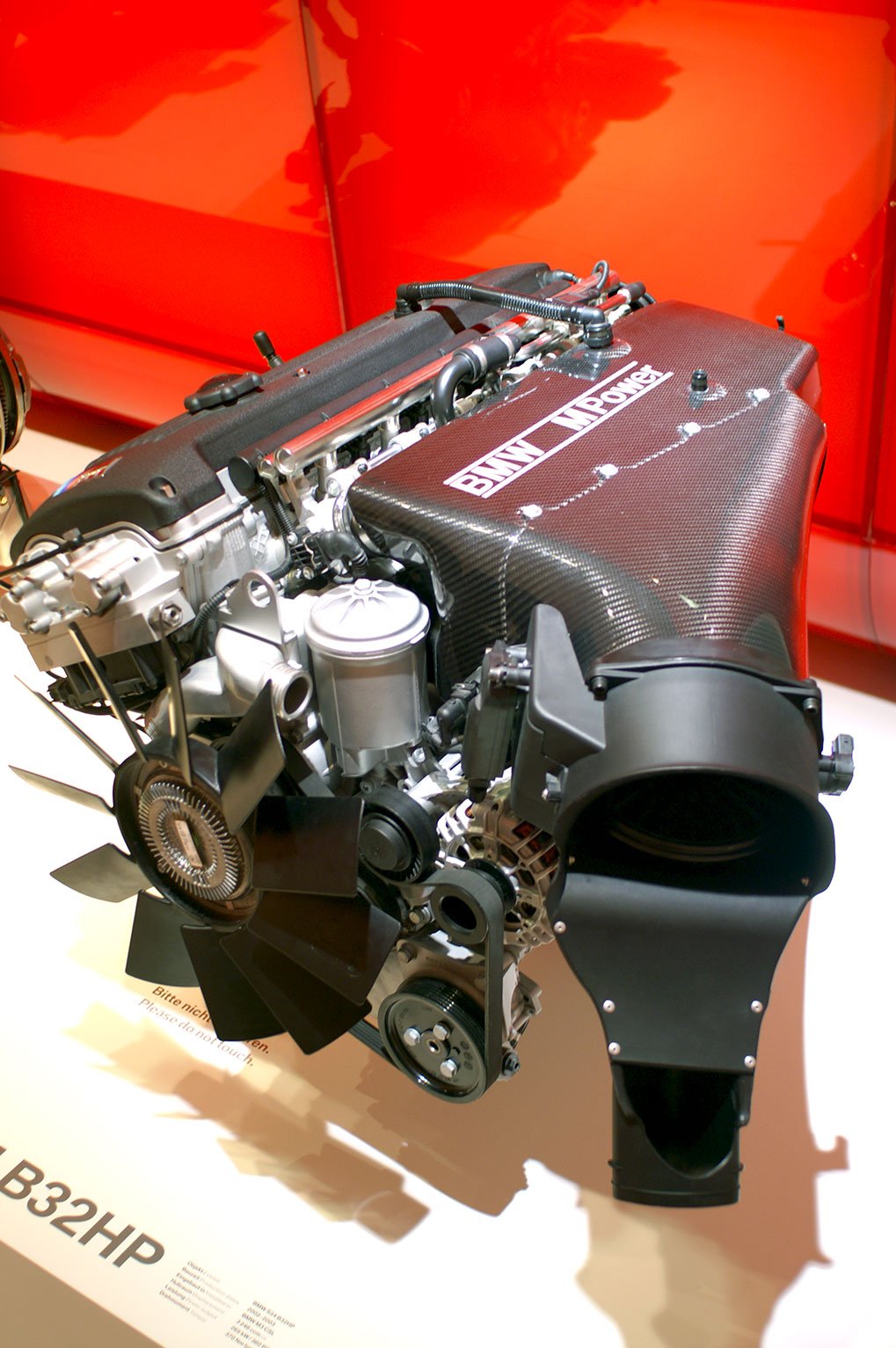
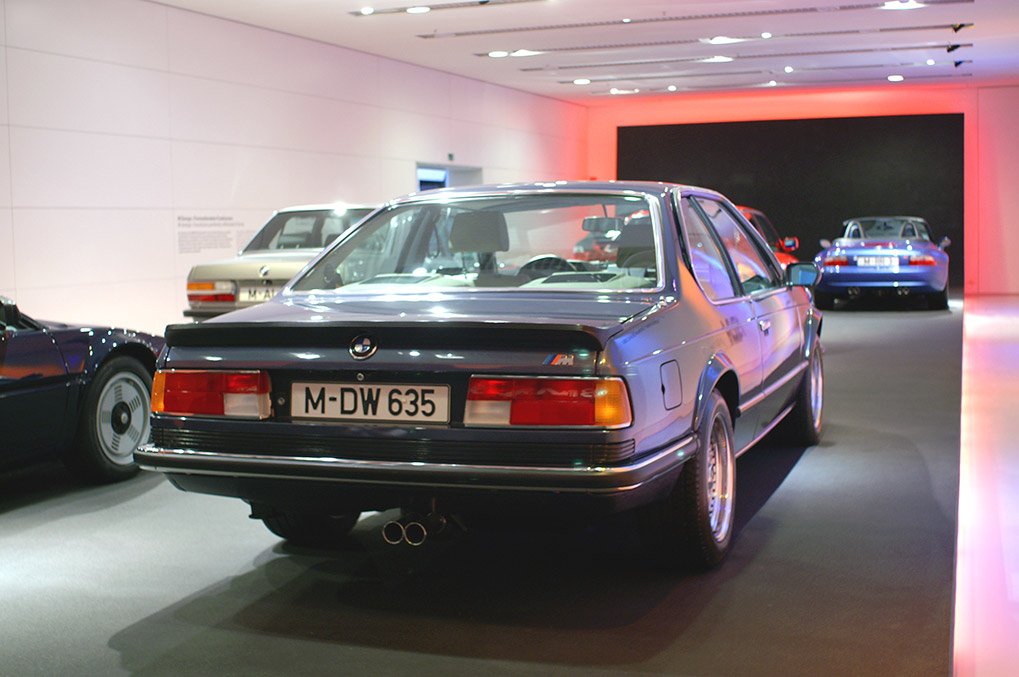
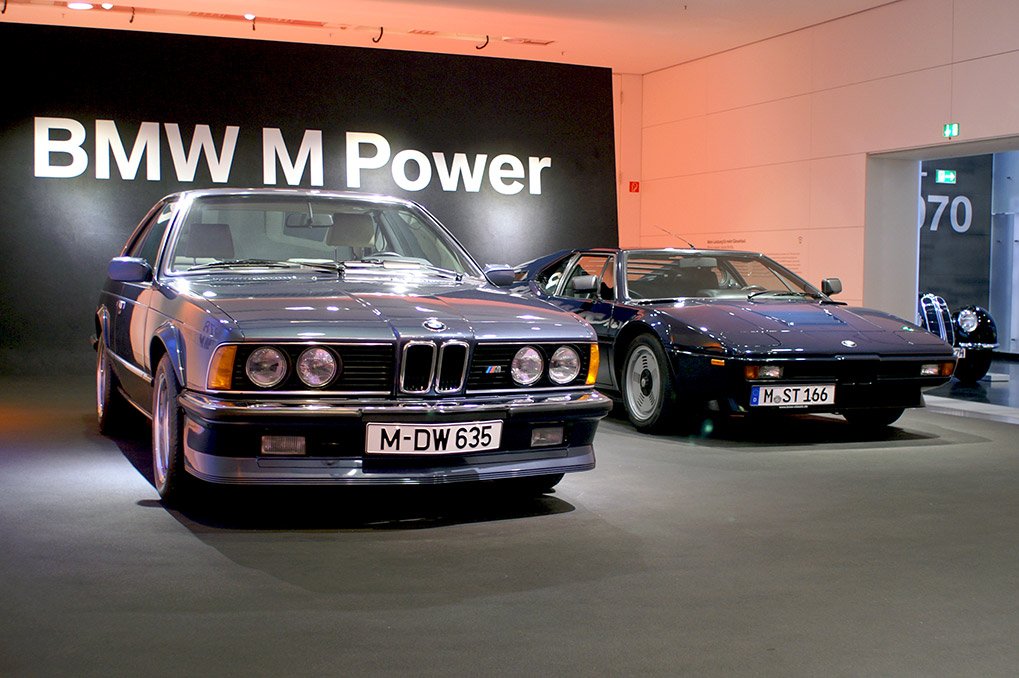
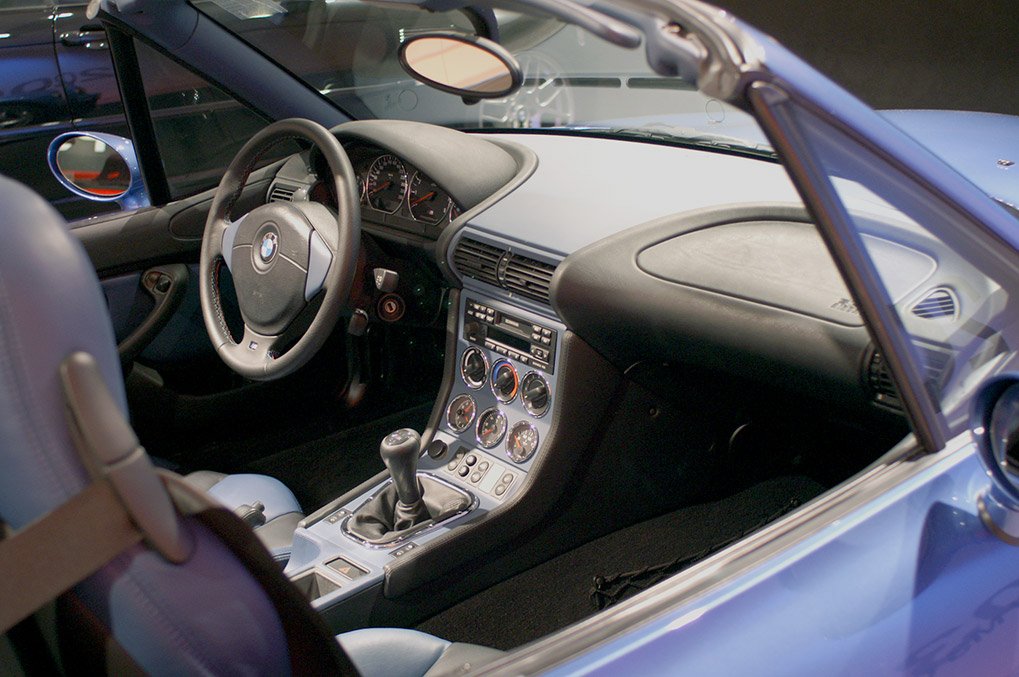
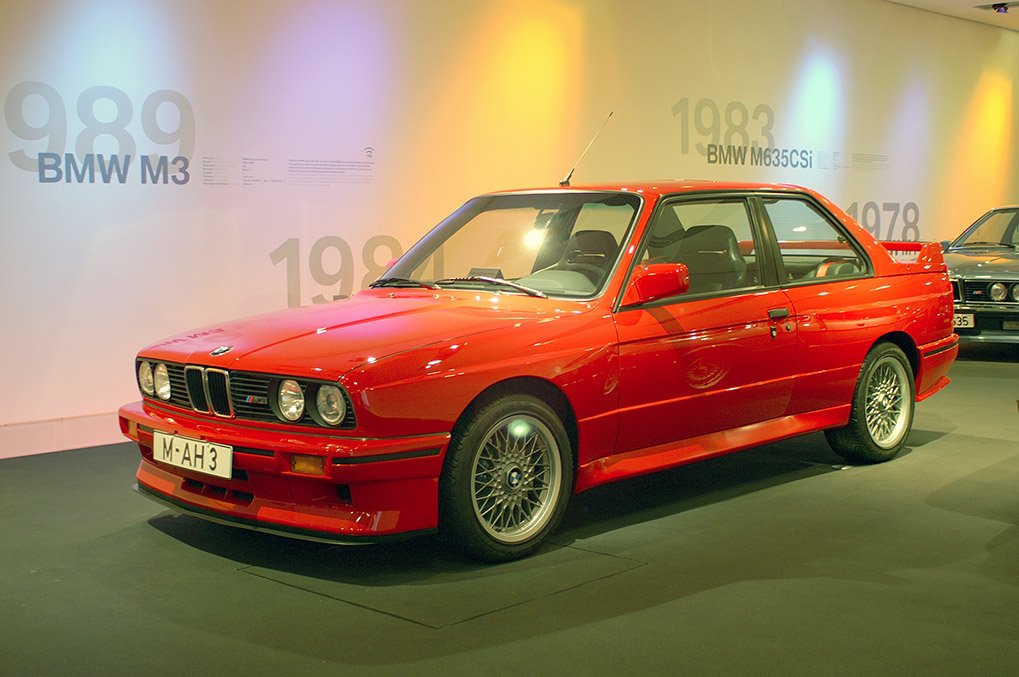
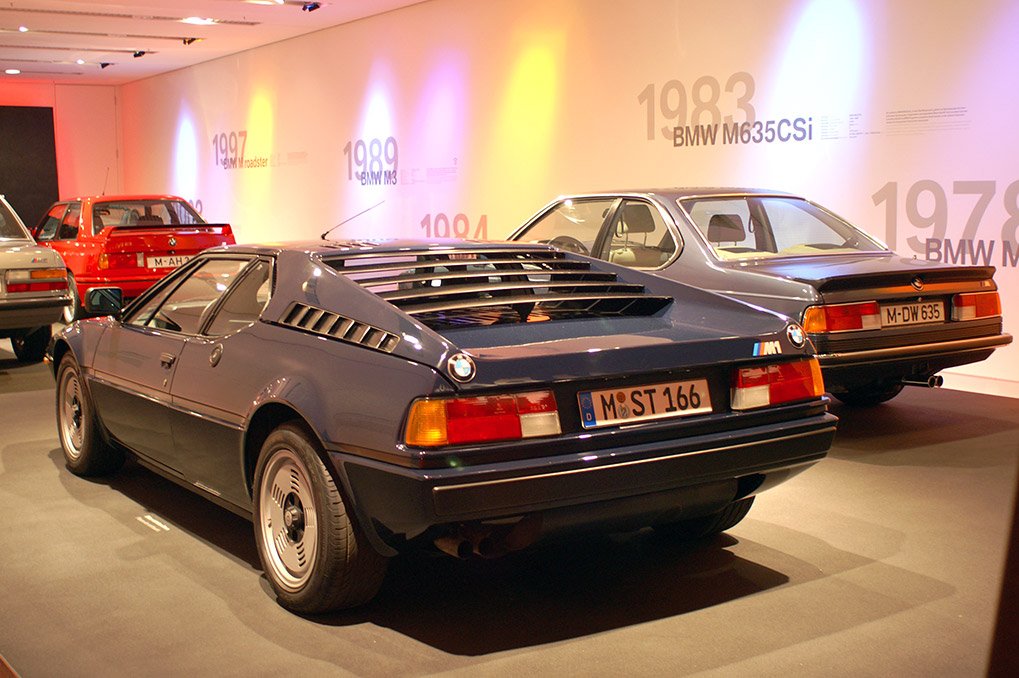
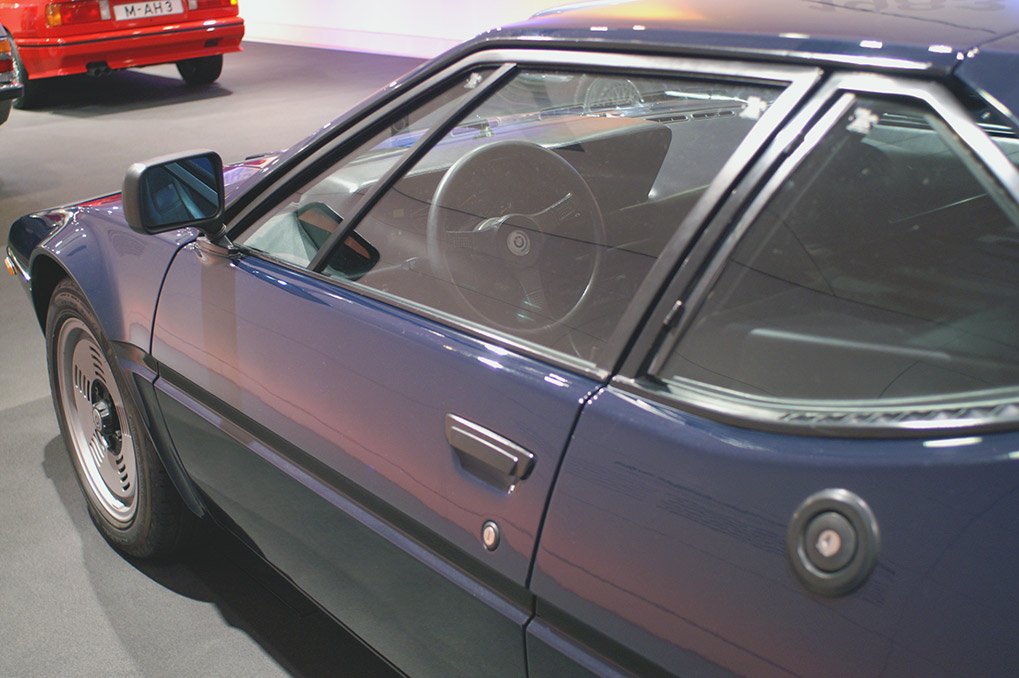
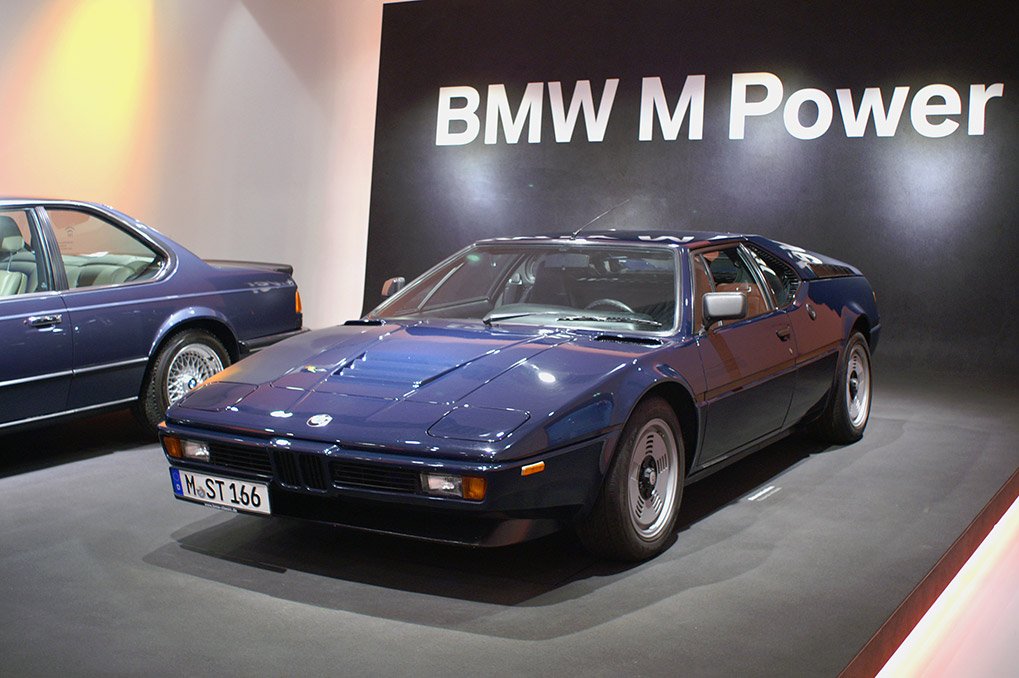
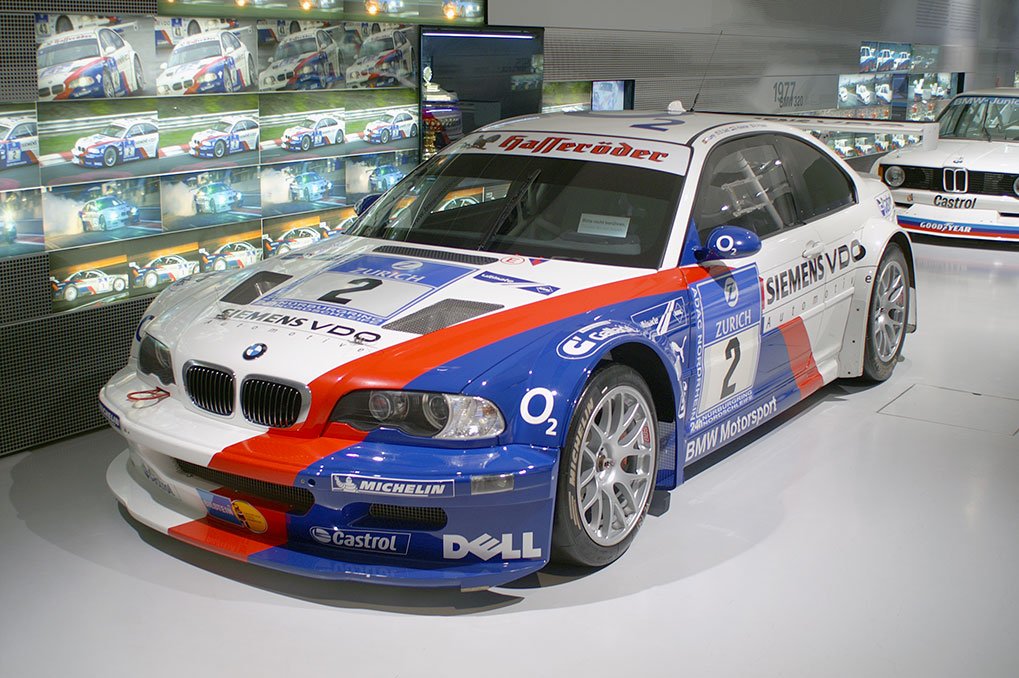
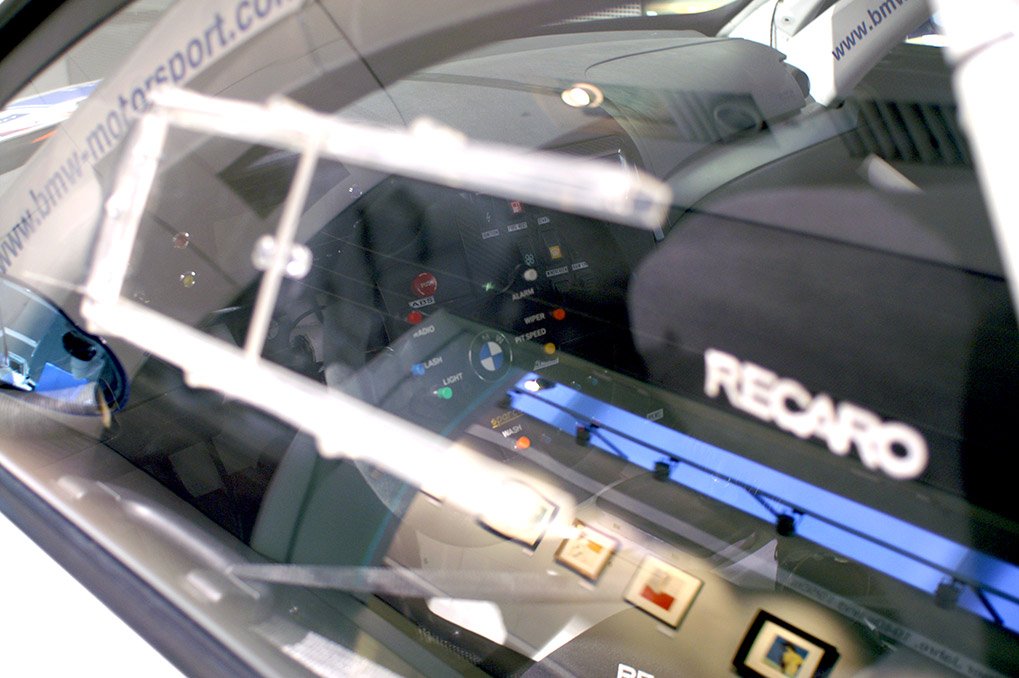
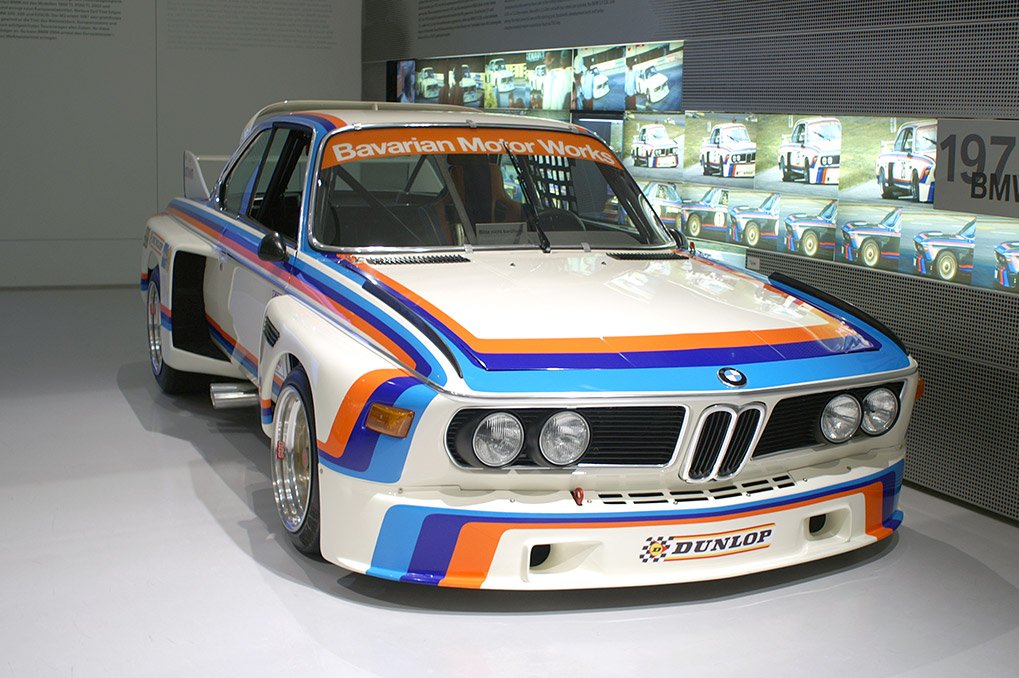
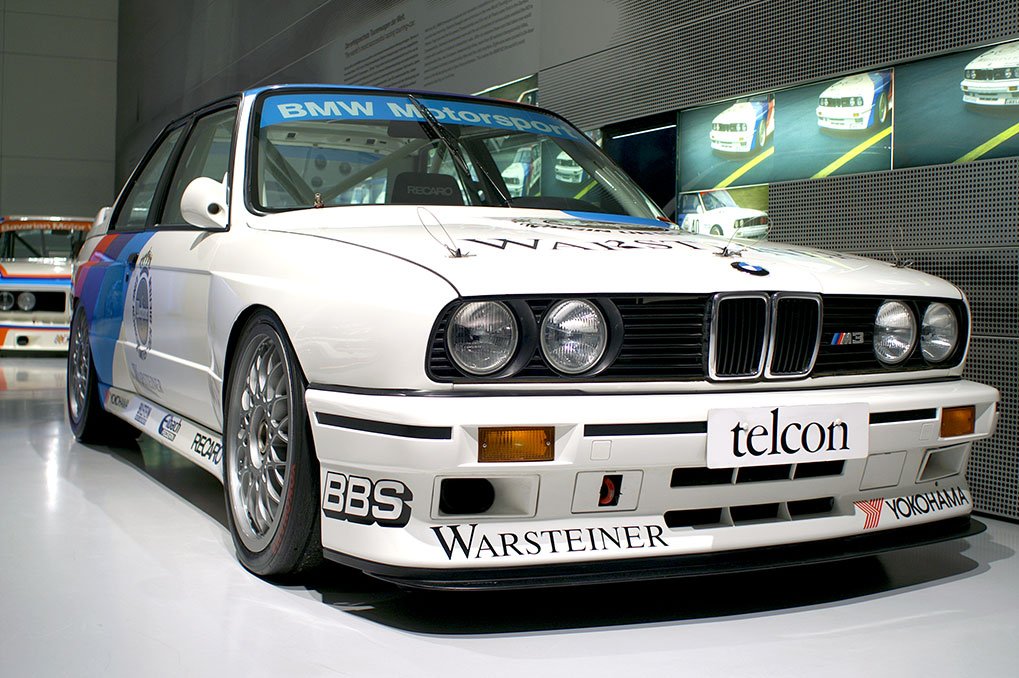
Two halls remained. The next one was dedicated to circuit racing cars.
The Final Hall: BMW M1
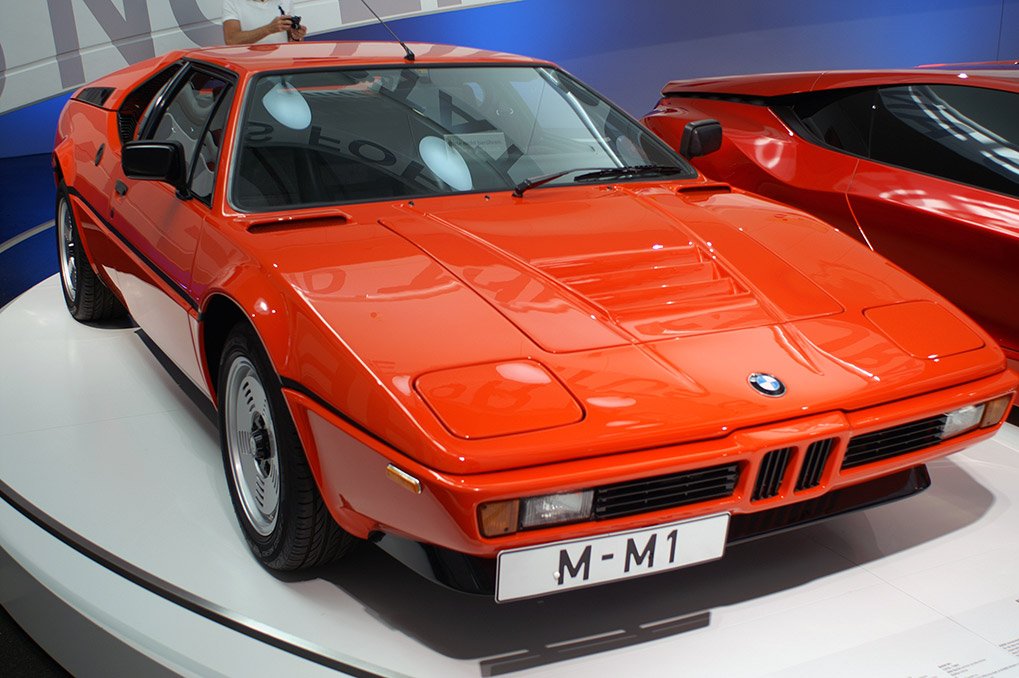
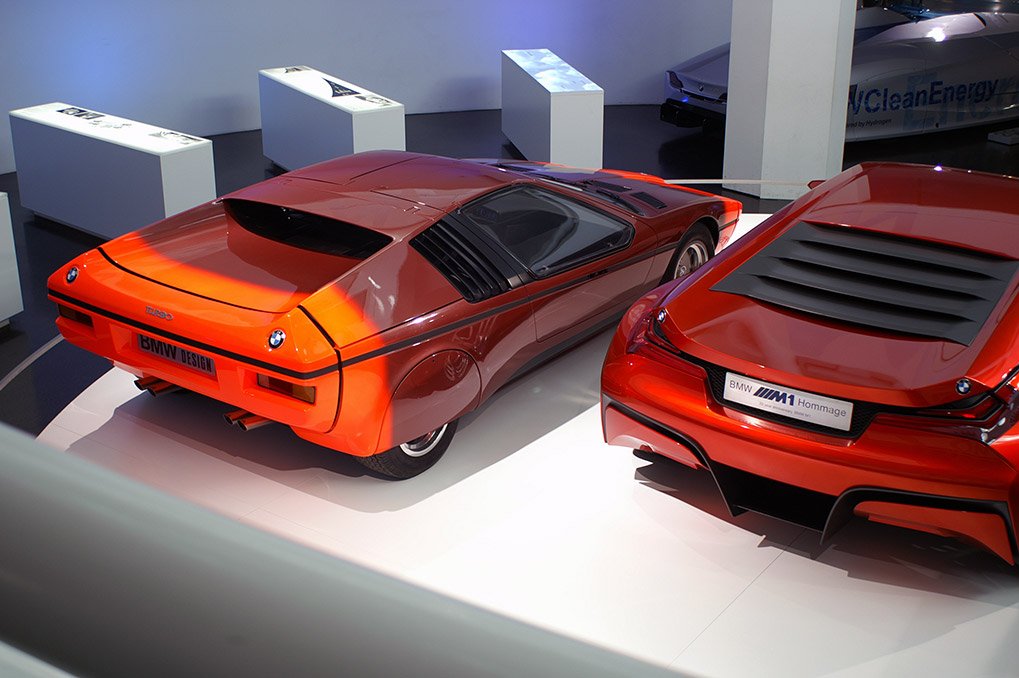
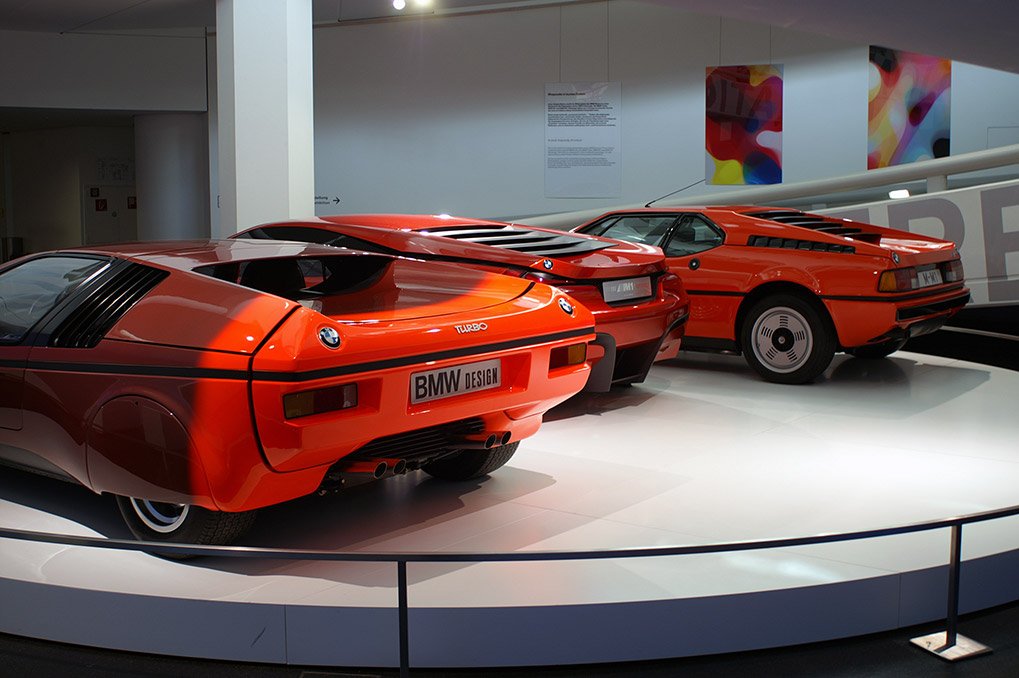
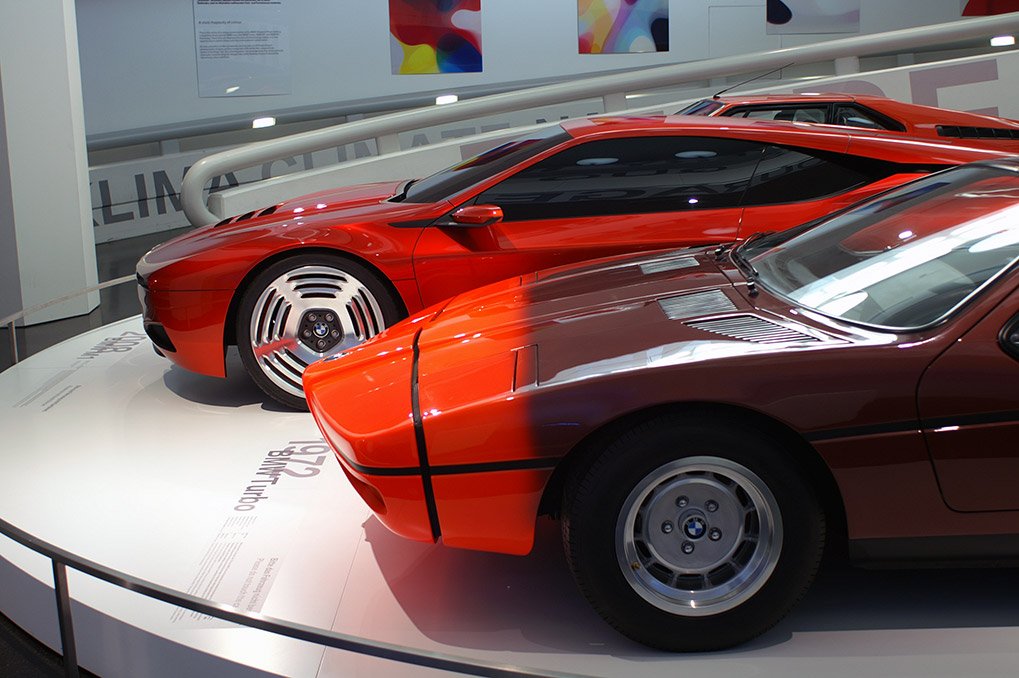
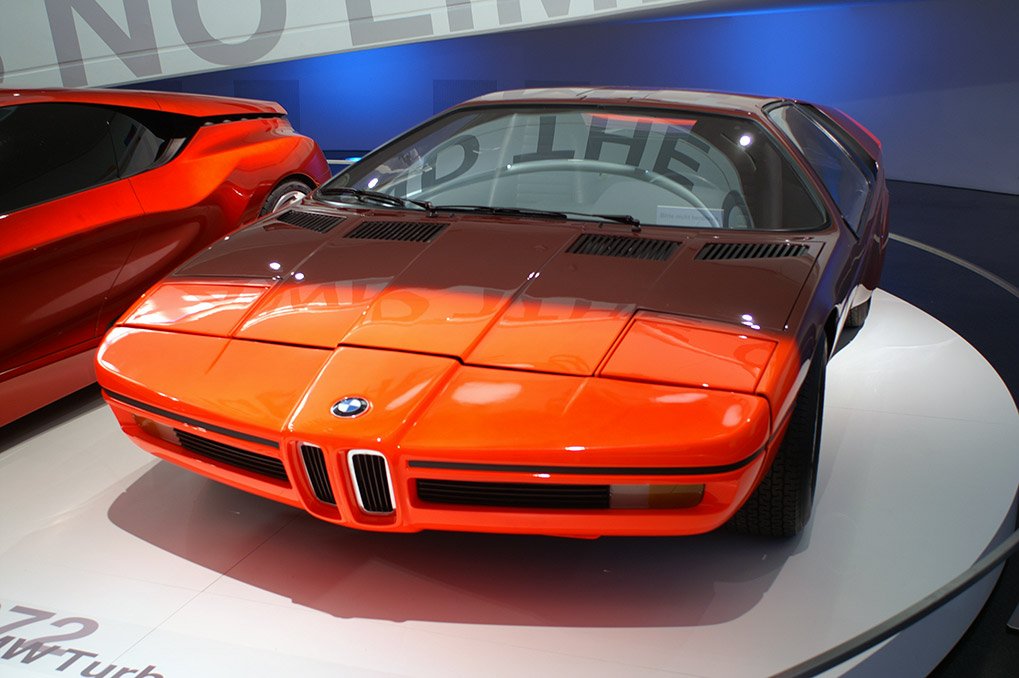
The last hall was devoted to the BMW M1 and later attempts to revive its spirit. There is not much more to add here, since those attempts never moved beyond the concept stage.
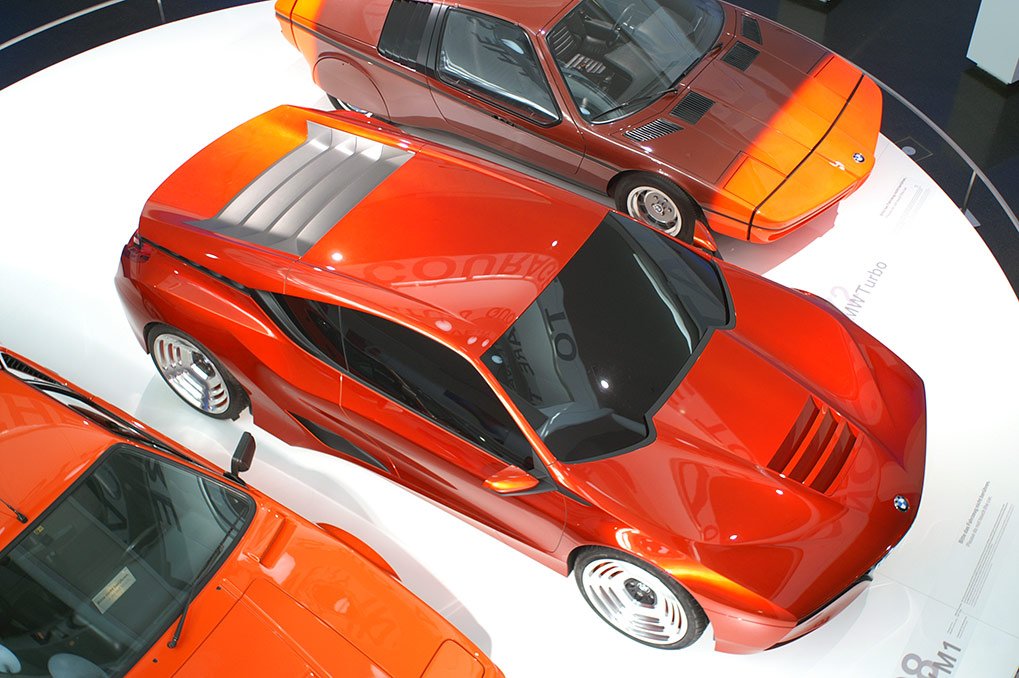
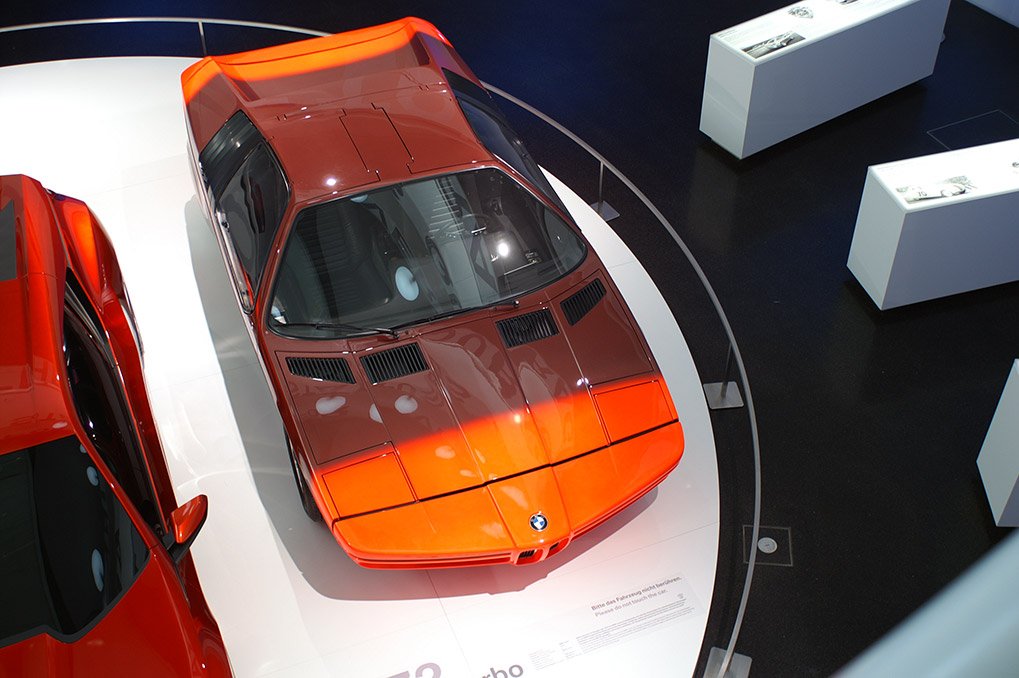
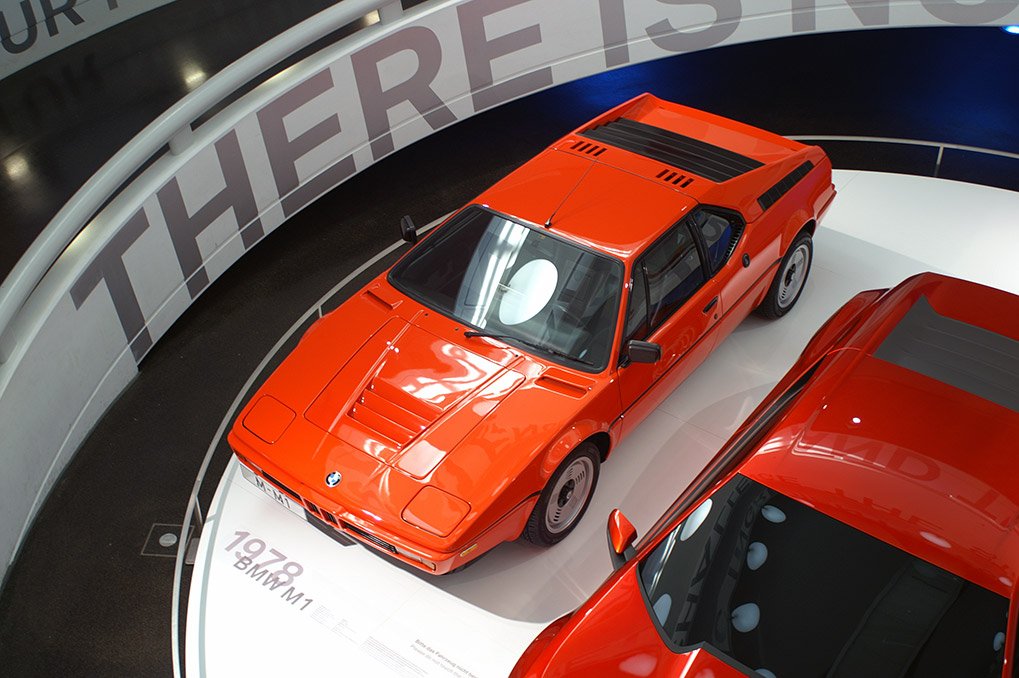
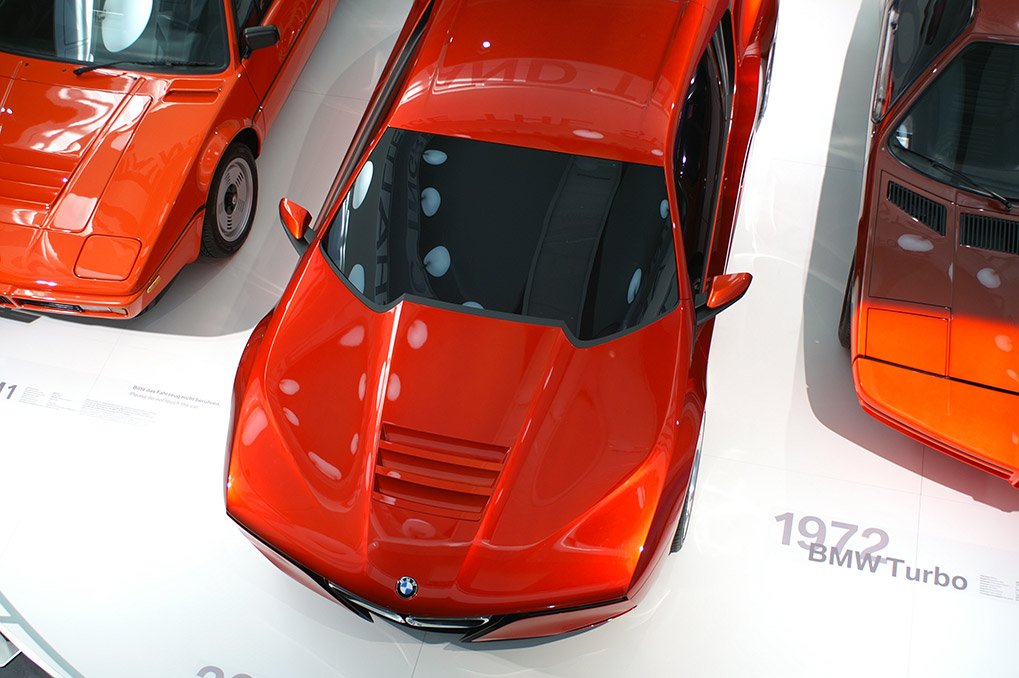
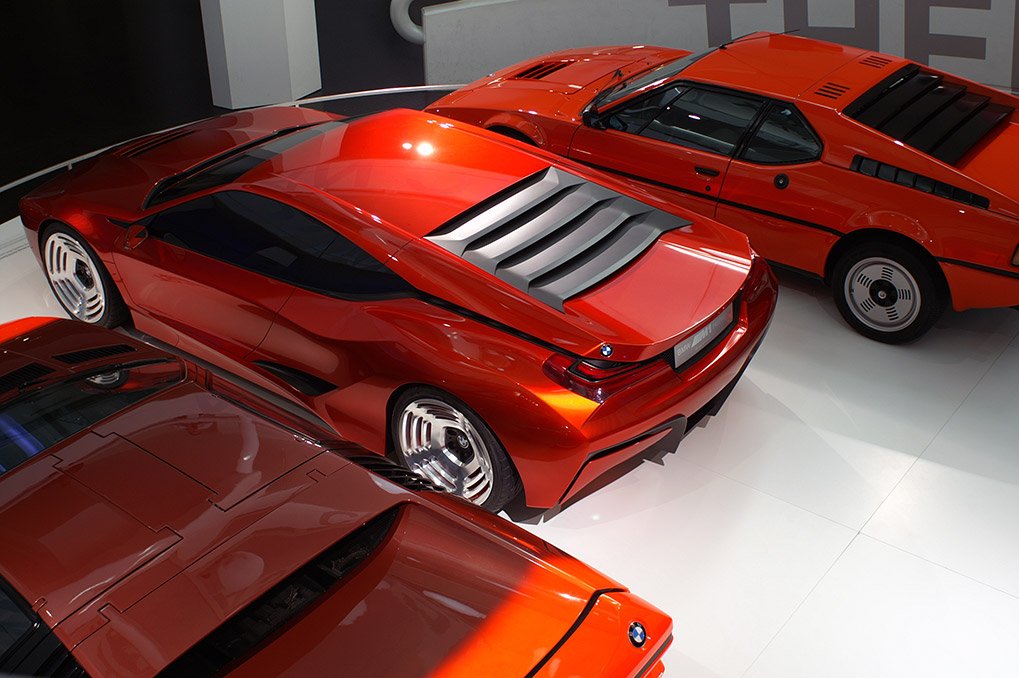
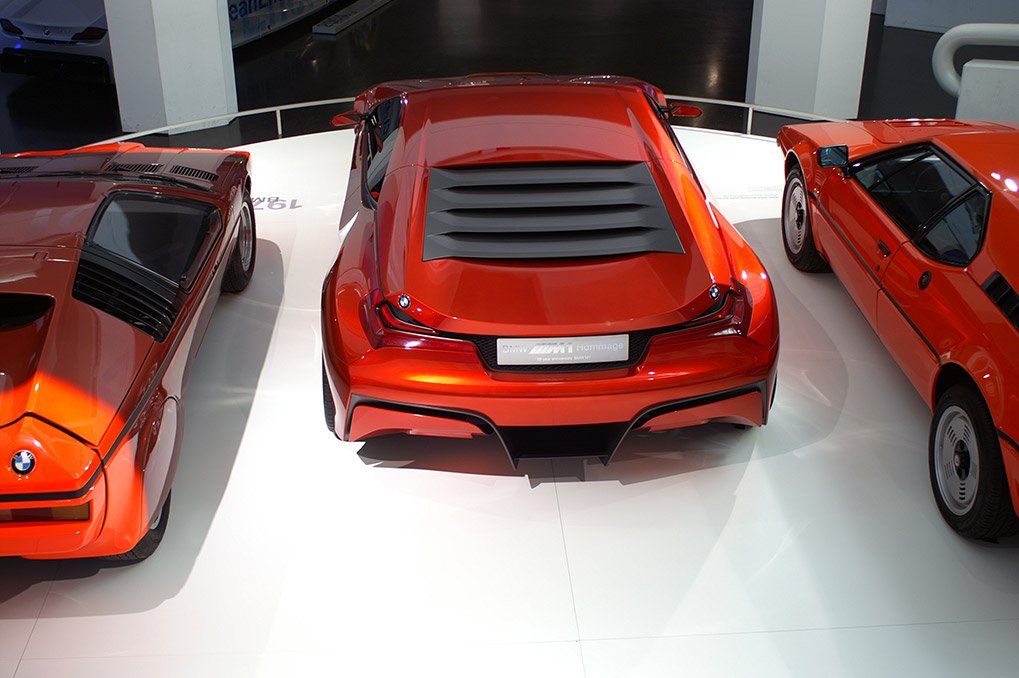
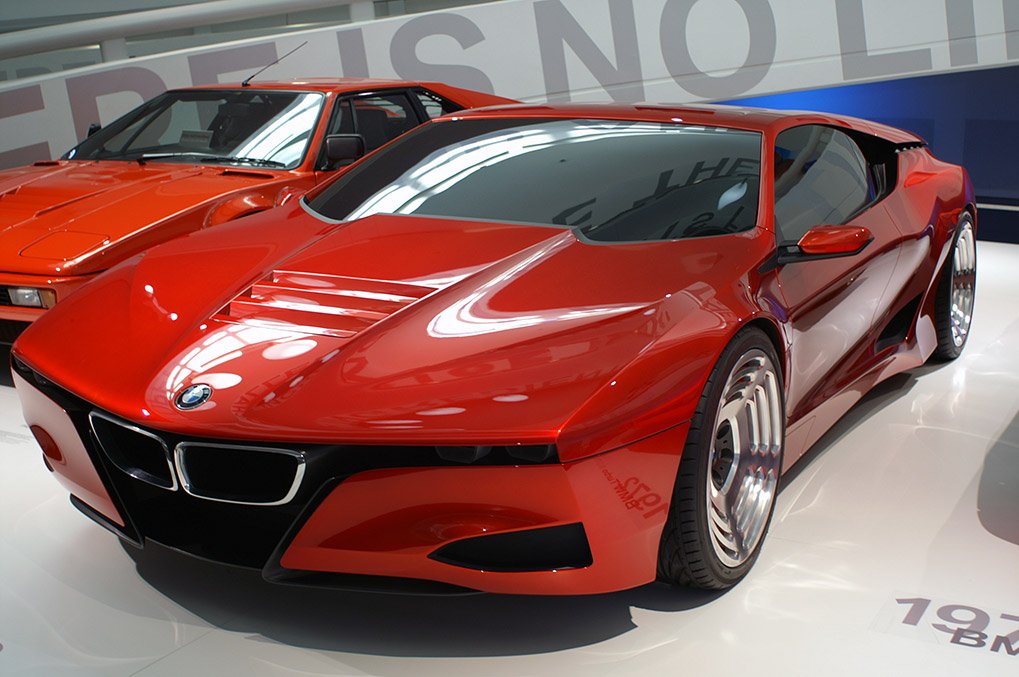
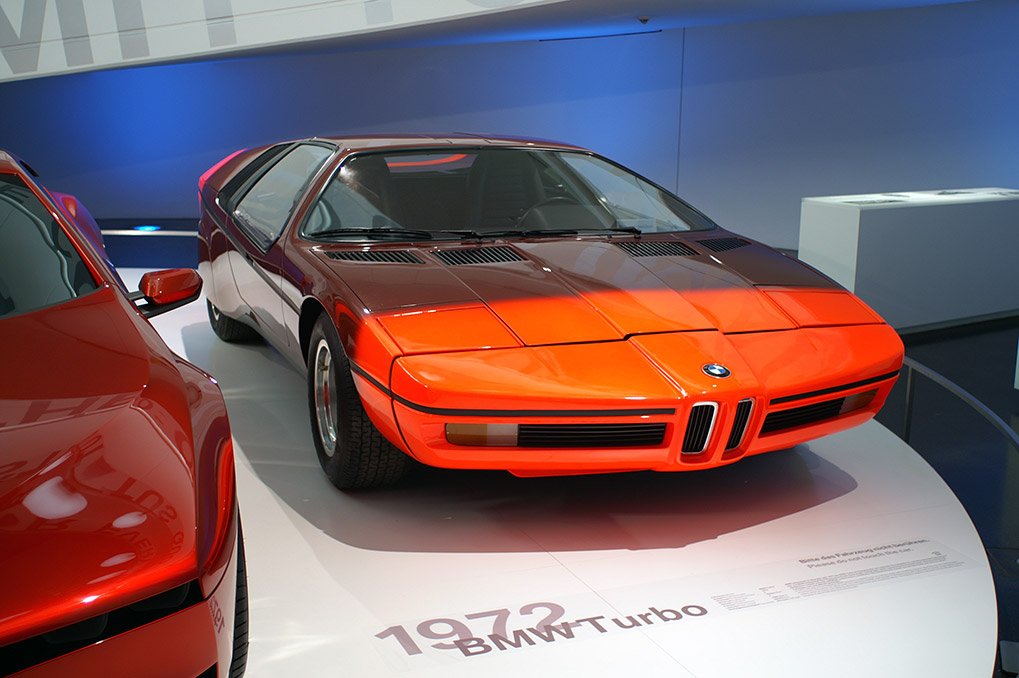
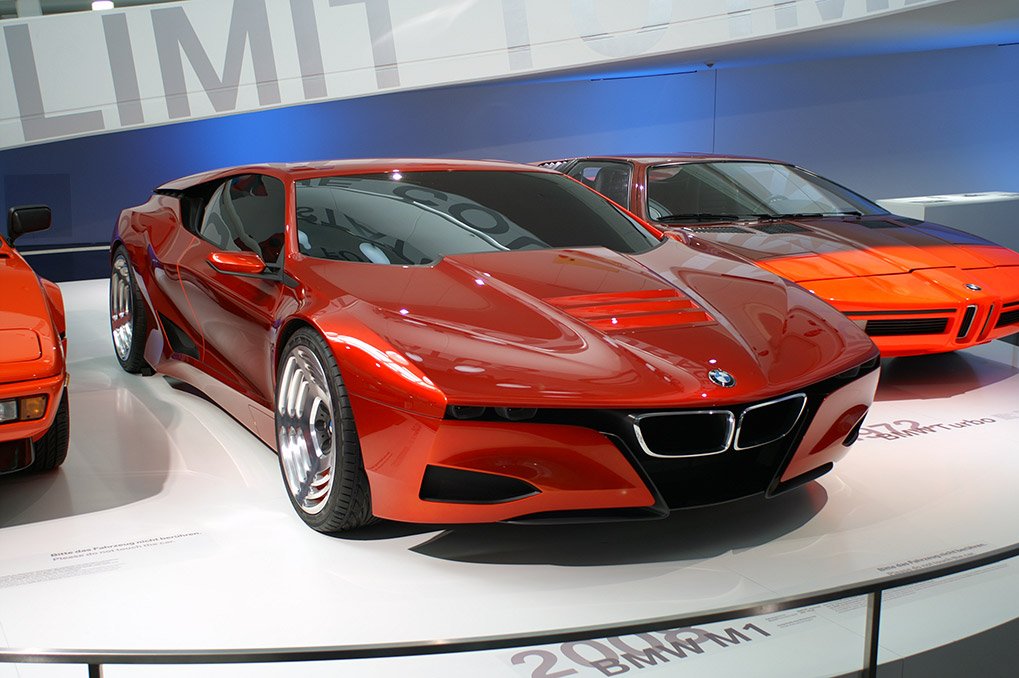
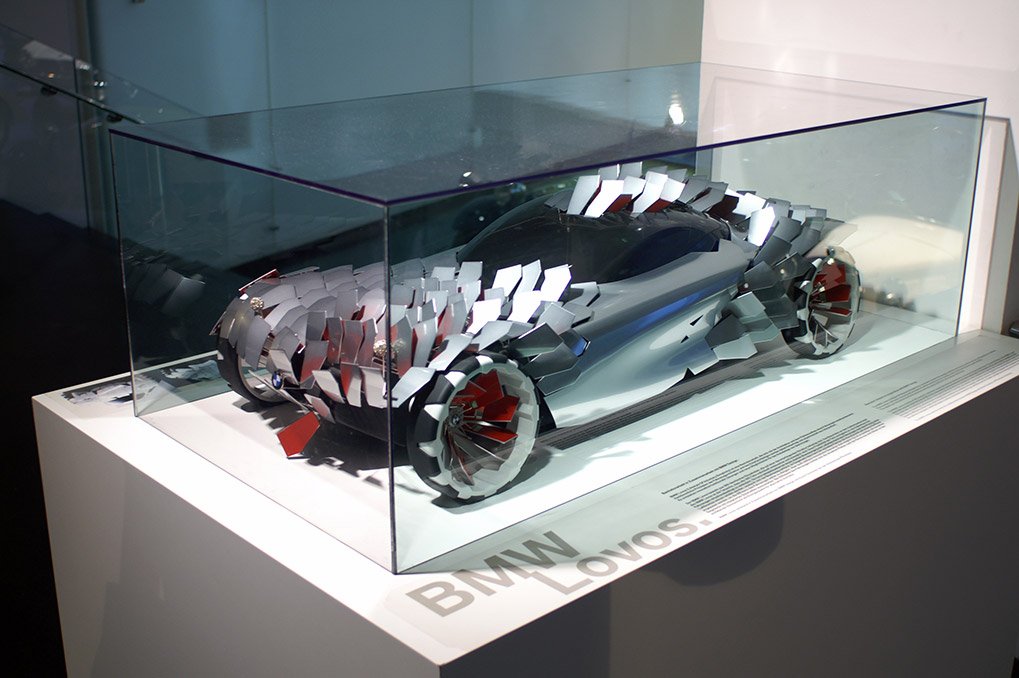
One especially futuristic concept remained nothing more than a small-scale model.
The spiral ramp leads directly to the exit.
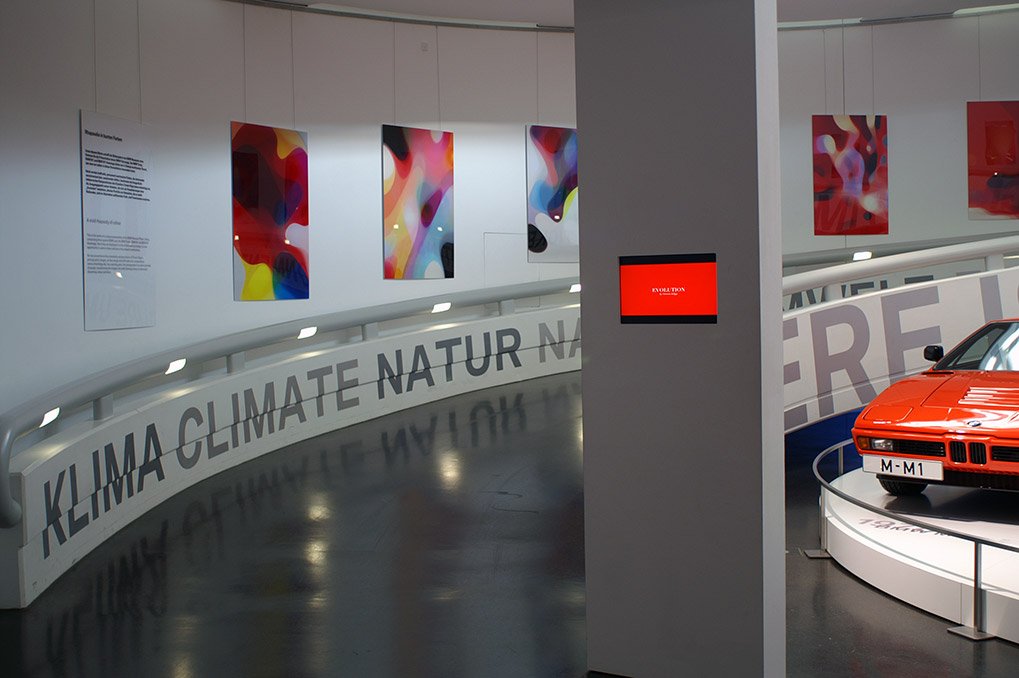
And finally, a short video of one of the museum’s most expensive and visually captivating art installations.