
Porsche Museum and the 50 Years of the 911
A Return Visit for a Special Exhibition
I had already visited the Porsche Museum before, and each time it left the same impression: it was a place worth returning to. So while on a business trip in Stuttgart, once I learned that the museum had opened a special exhibition dedicated to the 50th anniversary of the 911, missing it would have made no sense.
Experience had already taught me that museums like this do not resemble the static local museums many people grew up with. Their displays change, temporary exhibitions matter, and every return visit can show the same place from a different angle.
For the anniversary, the museum prepared a fully reworked exhibition centered almost entirely on the evolution of the 911. Most of the other cars had either been moved into storage or sent out on traveling displays. I actually came across one of those off-site displays later at the summer festival in Böblingen, held on the grounds of Meilenwerk.
Even the tickets and brochures were thematic and well designed. The museum shop, however, was the weak point. I expected proper anniversary merchandise such as shirts, caps, or other 911-themed souvenirs. Instead, the selection felt surprisingly poor.
Still, the exhibition itself more than compensated for that disappointment. I was able to see almost all of the cars on display, and all of the photographs here are my own. So this article is based entirely on what I saw firsthand.
Before the 911: Ferdinand Porsche and the Early Engineering Years
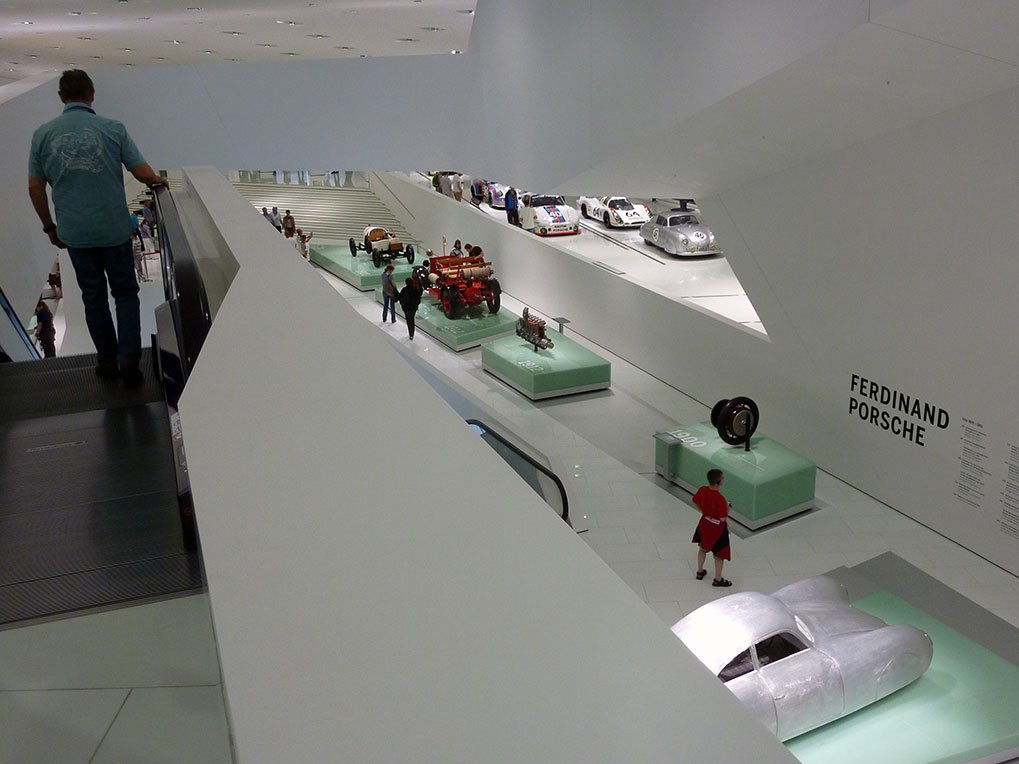
A few parts of the permanent museum were still left untouched. Even with the 911 anniversary taking over most of the building, some historical exhibits remained in place. As usual, one of them was the fire truck that visitors almost always remember.
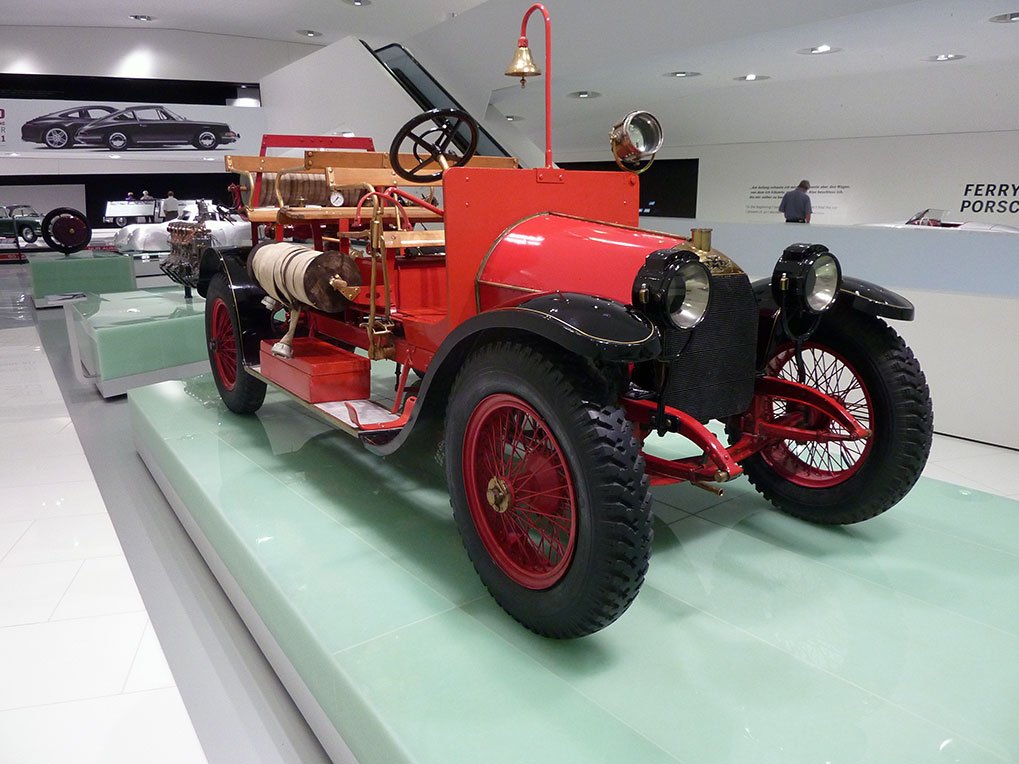
The museum also preserved several exhibits linked to the intense early engineering work of Ferdinand Porsche.
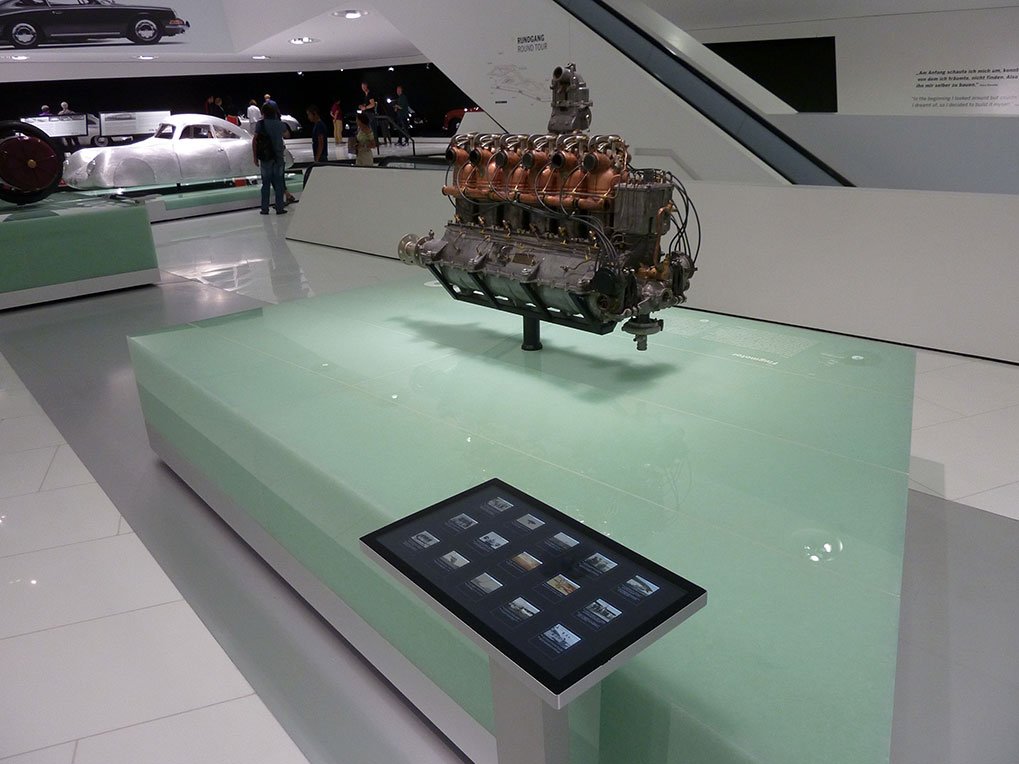
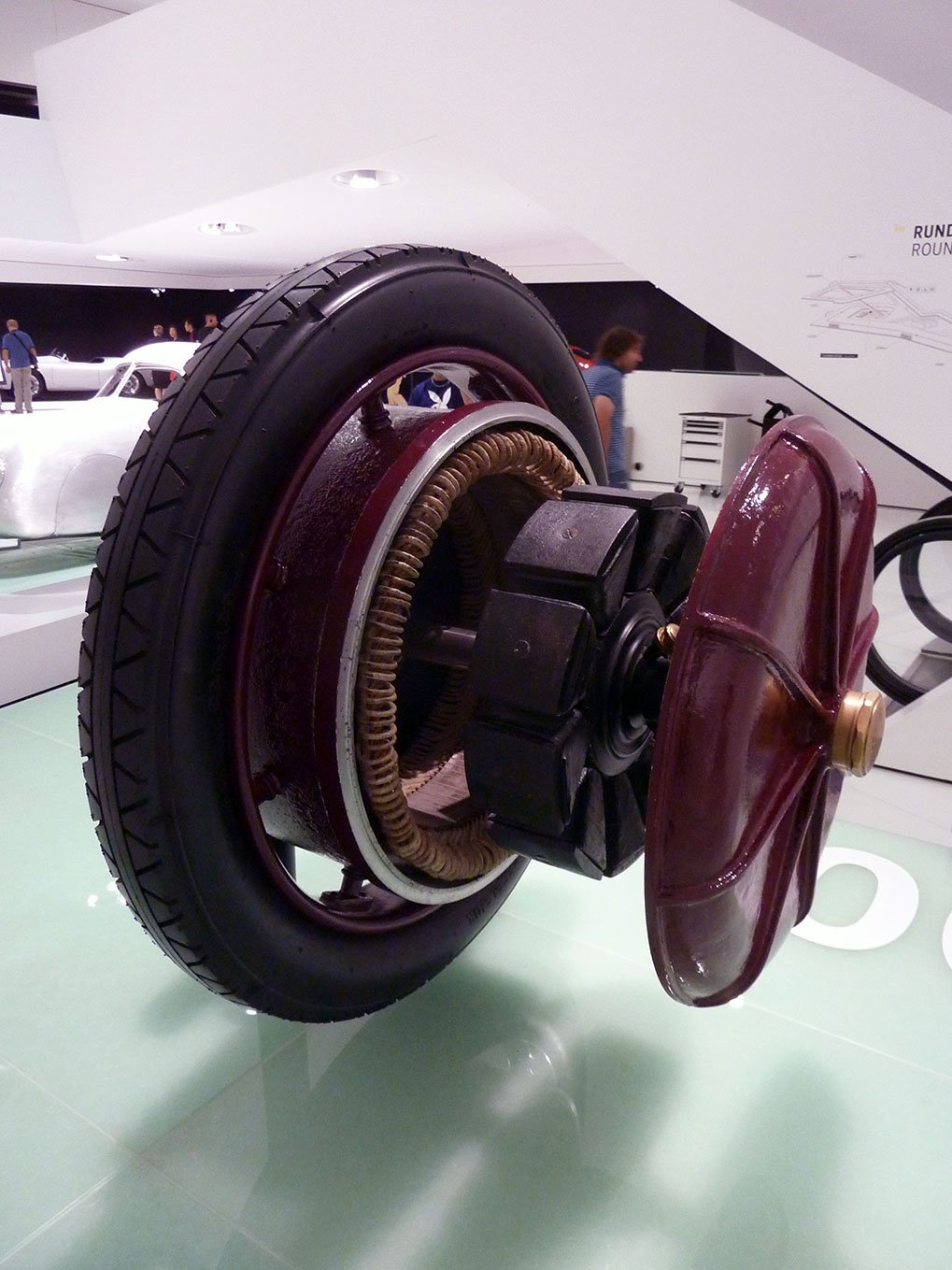
According to the audio guide, Ferdinand Porsche presented one of the earliest hybrid vehicle concepts as early as 1903. A surviving engineering element from that design is displayed nearby.
Another important car in this part of the story was the Austro-Daimler ADS R “Sascha,” created during Porsche’s years at Austro-Daimler.
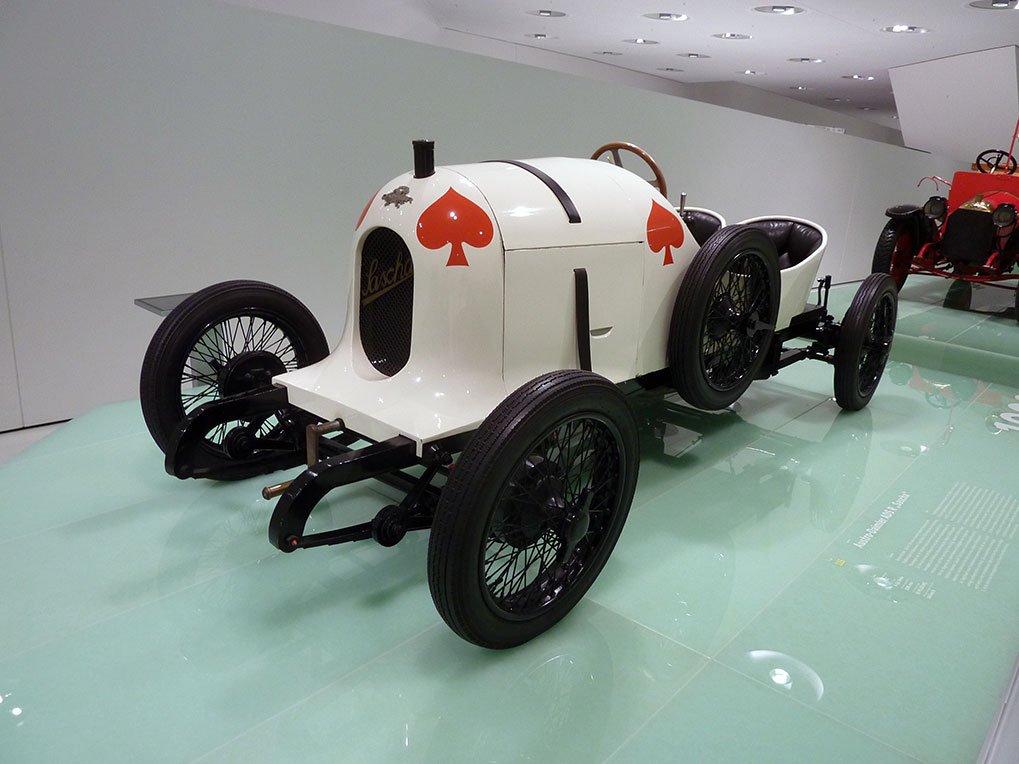
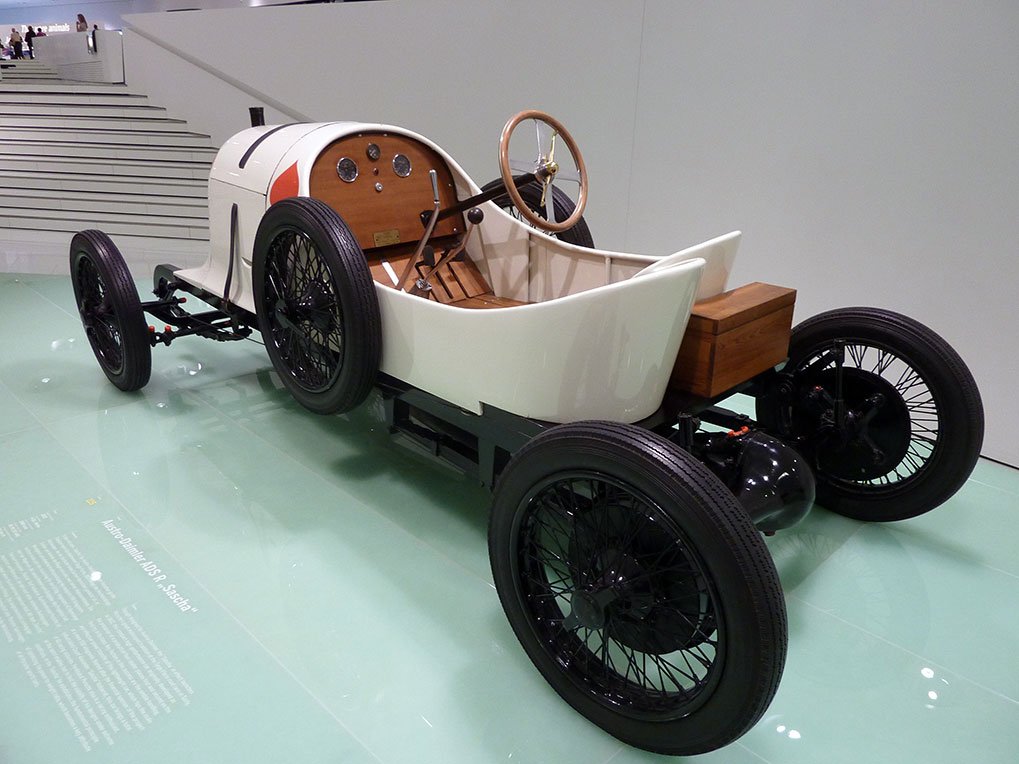
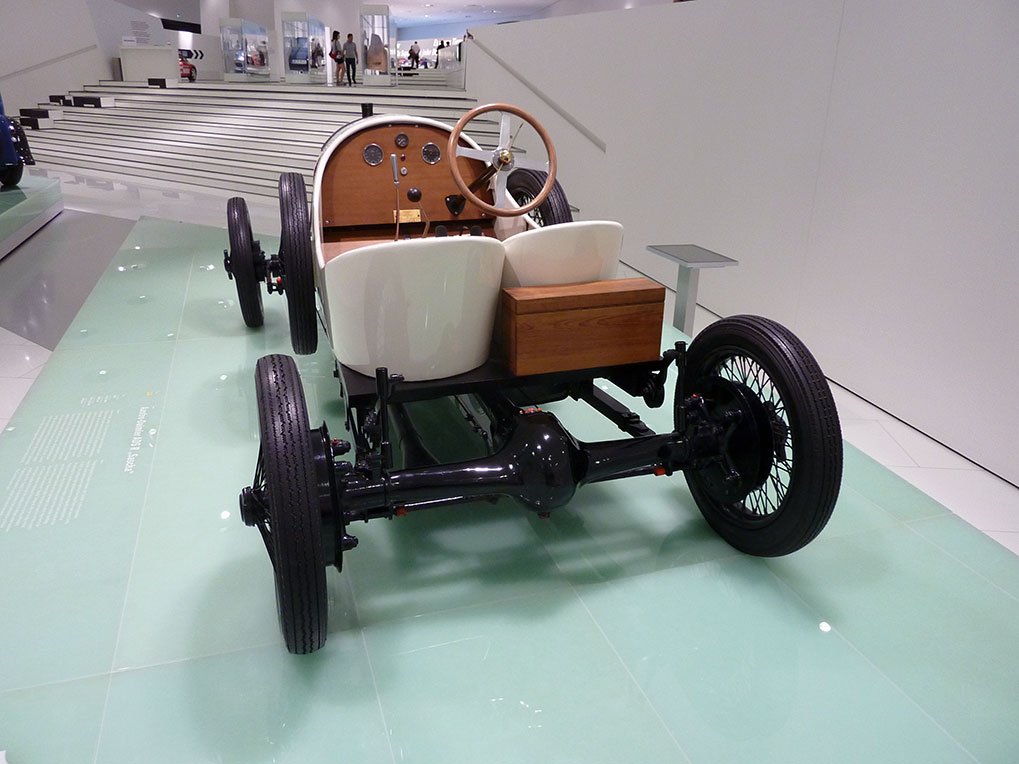
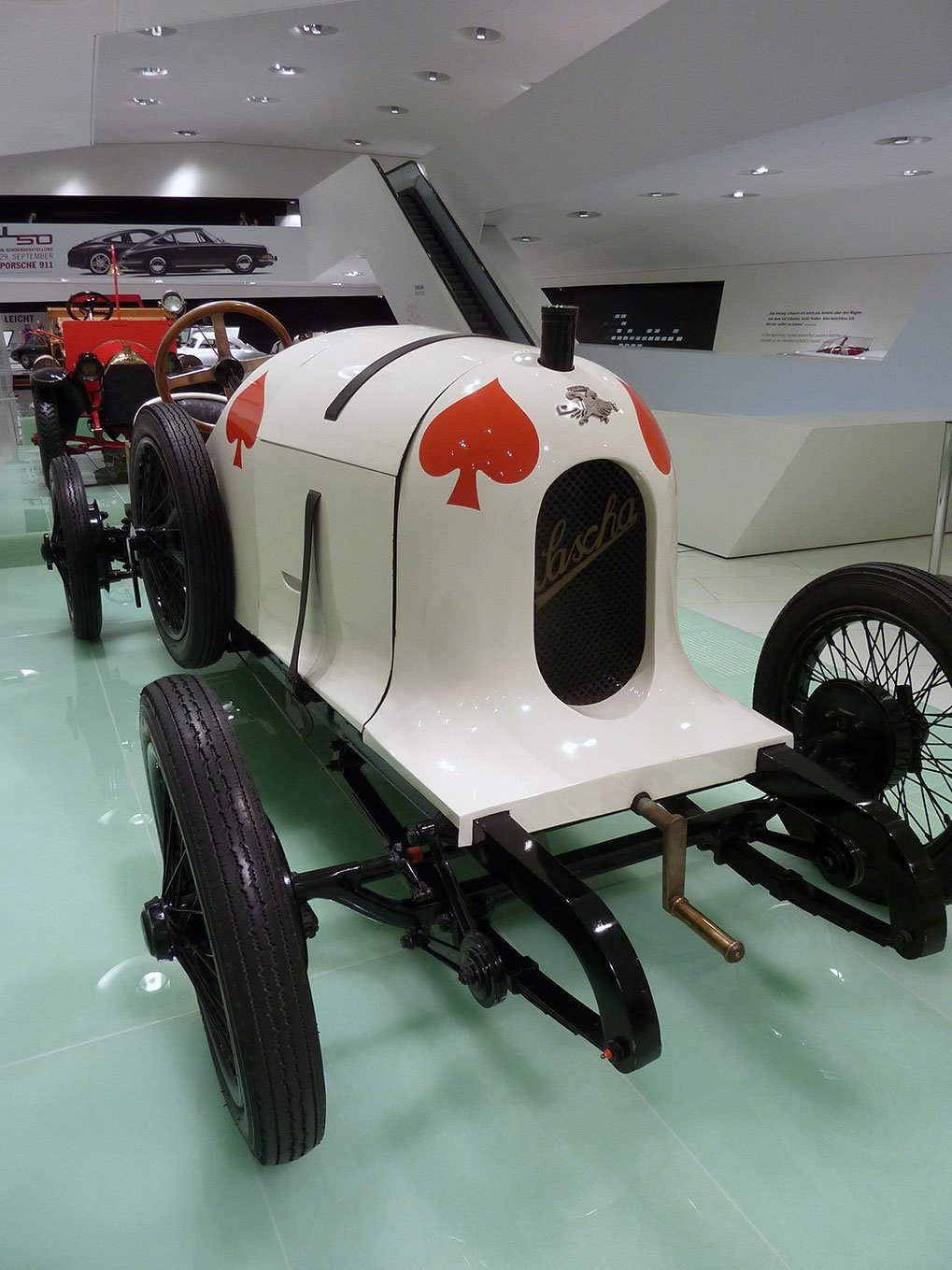
Later, while working with Wanderer in 1934, Porsche developed the W22.
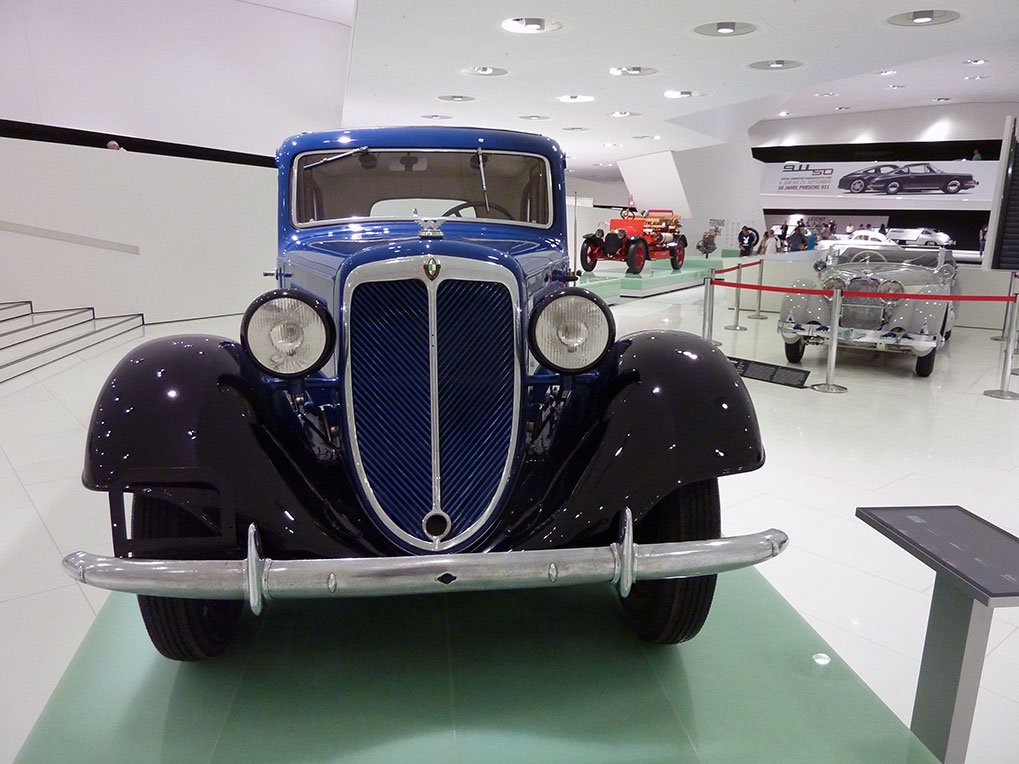
One of the most beautiful cars in the early historical section was the 1932 Austro-Daimler Bergmeister.
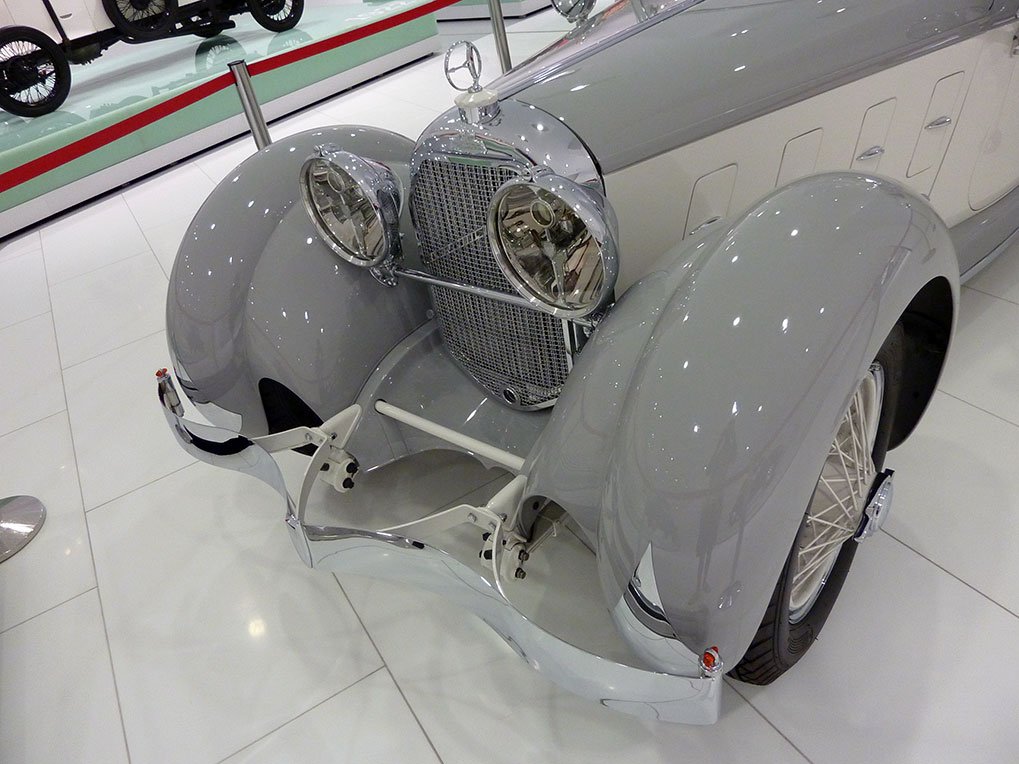
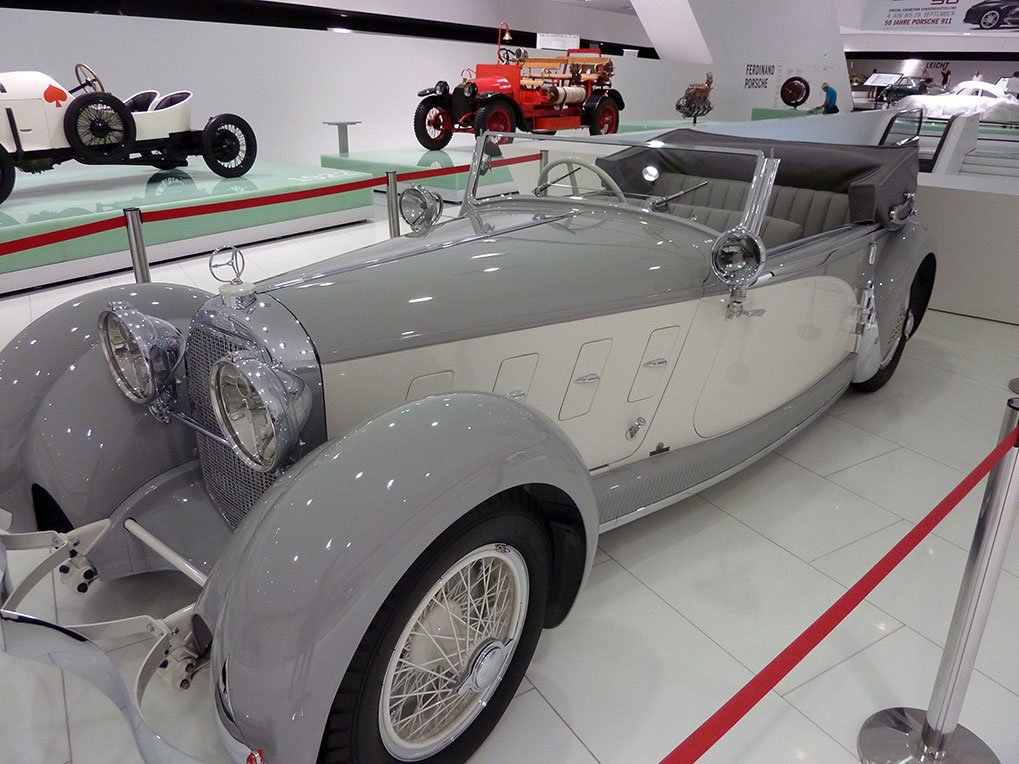
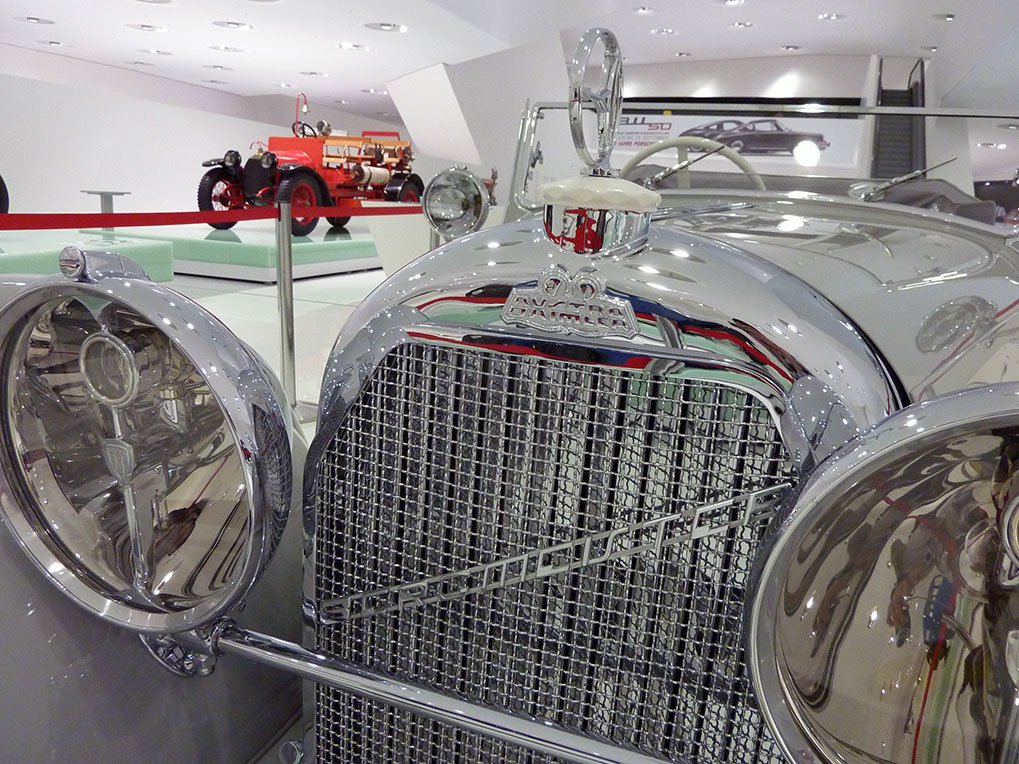
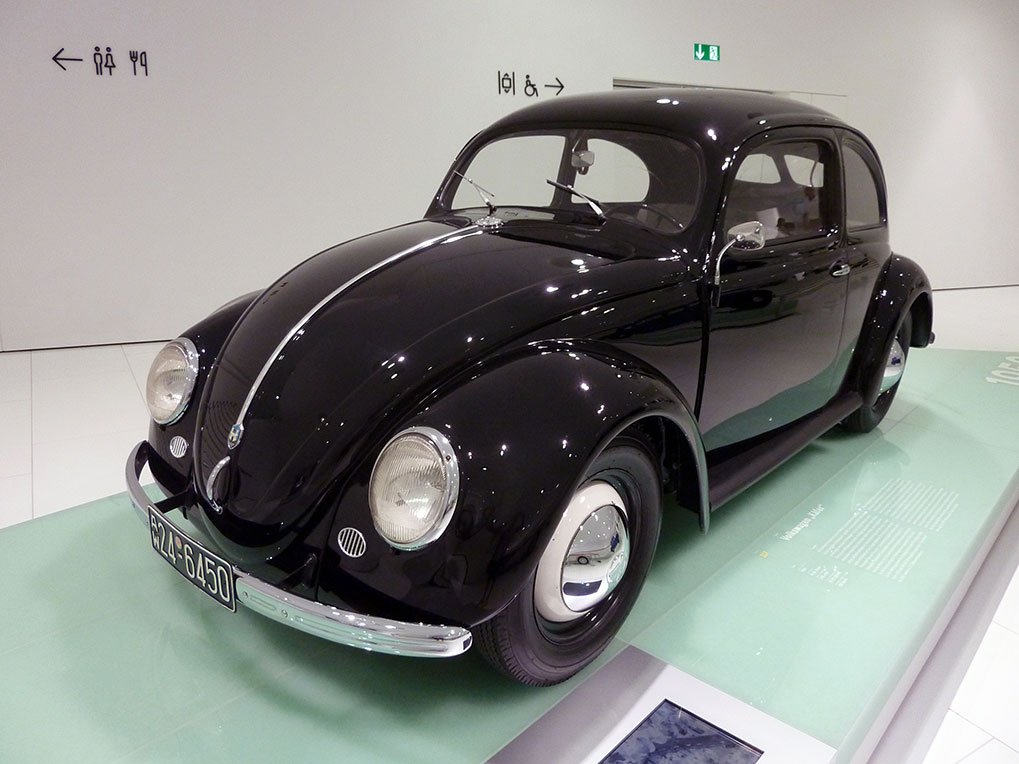
The historical hall also included a 1950 Volkswagen Type 60 Käfer. By 2003, total production had reached 21.5 million cars, making it one of the most important mass-produced vehicles in automotive history.
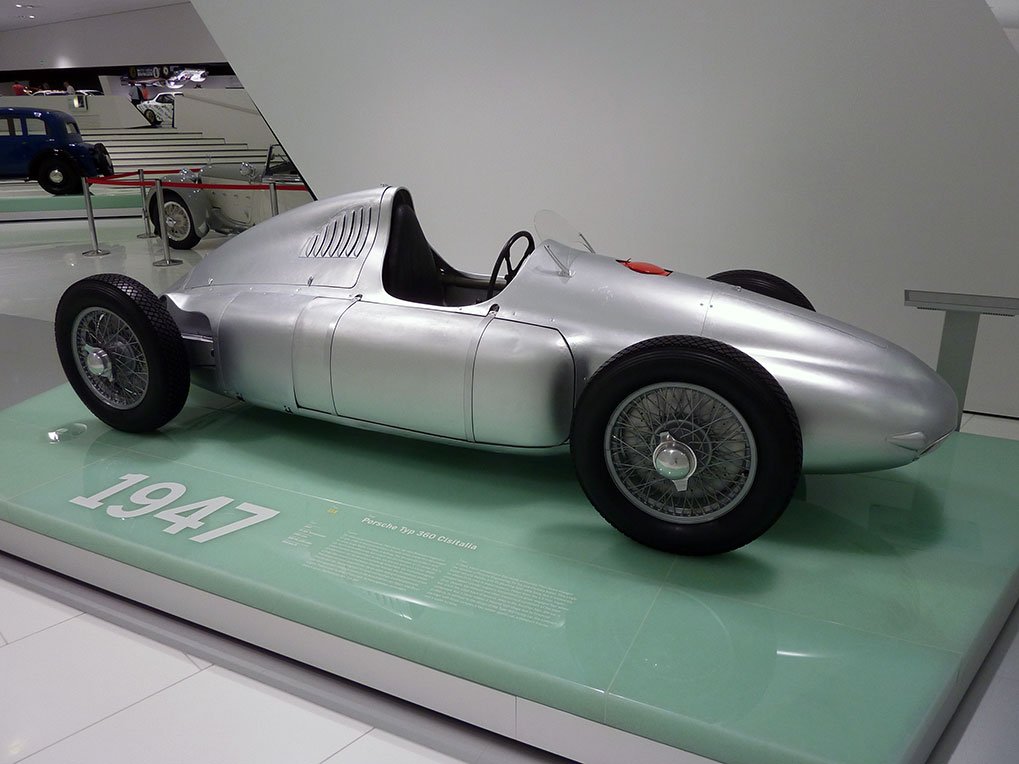
Another highlight was the Porsche Type 360 Cisitalia, created in 1947 for Italian entrepreneur and racing driver Piero Dusio. Its supercharged 1,493 cc 12-cylinder engine produced 385 hp, and the car was said to reach 300 km/h. Even by modern standards, that is a serious figure.
From the 356 to the Birth of the 911
The key transition into the anniversary exhibition began with the first Porsche 356. From there, the museum built a direct visual and historical line toward the 911.
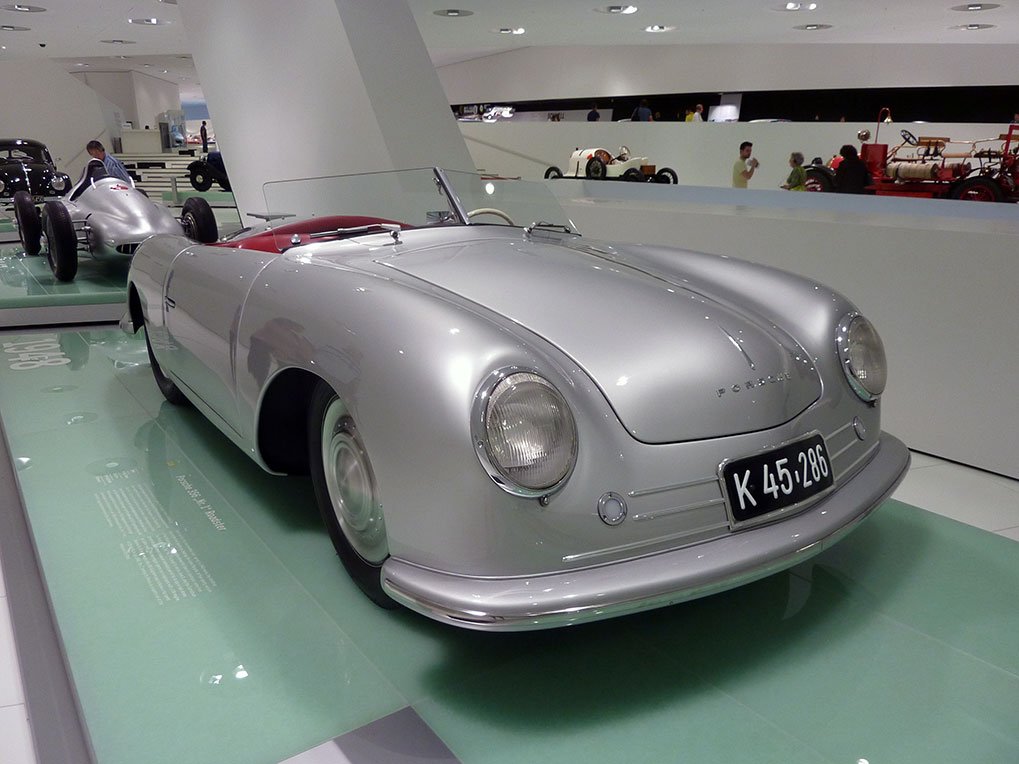
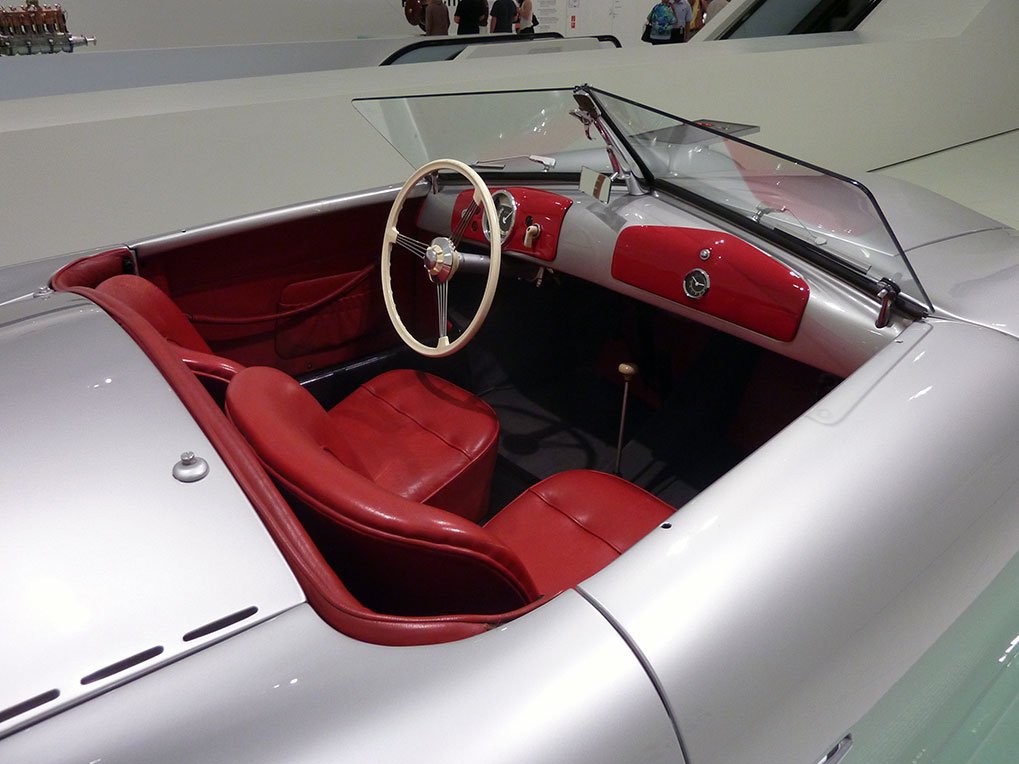
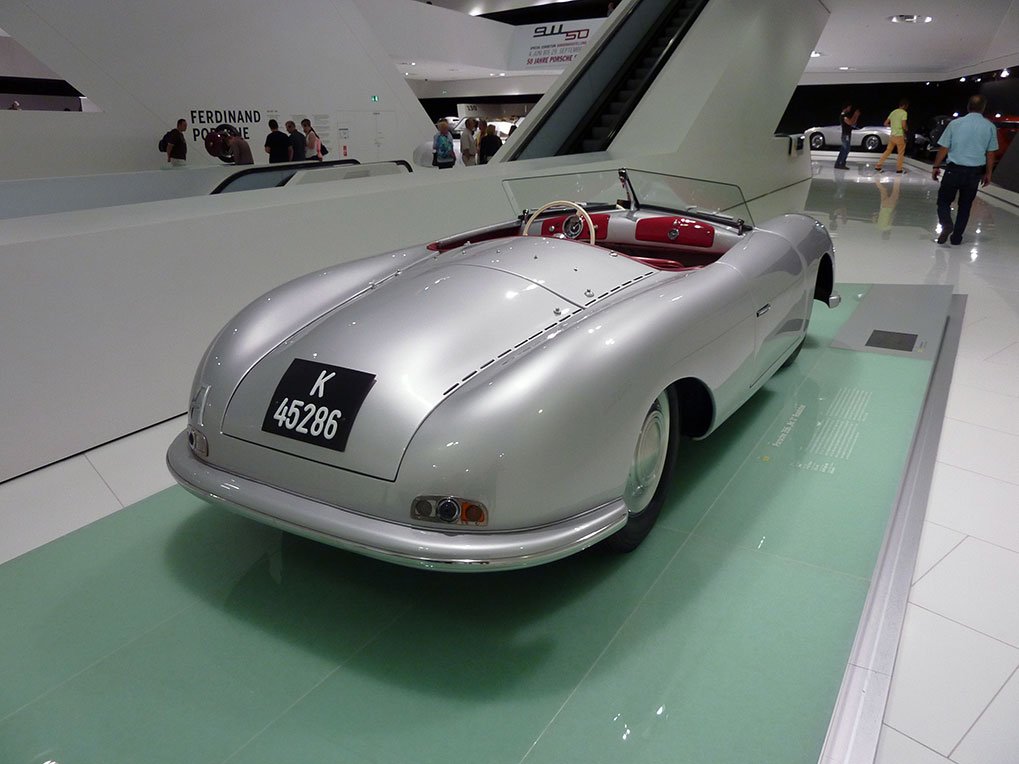
With the Porsche 356 No.1, the story leading to the 911 truly begins.
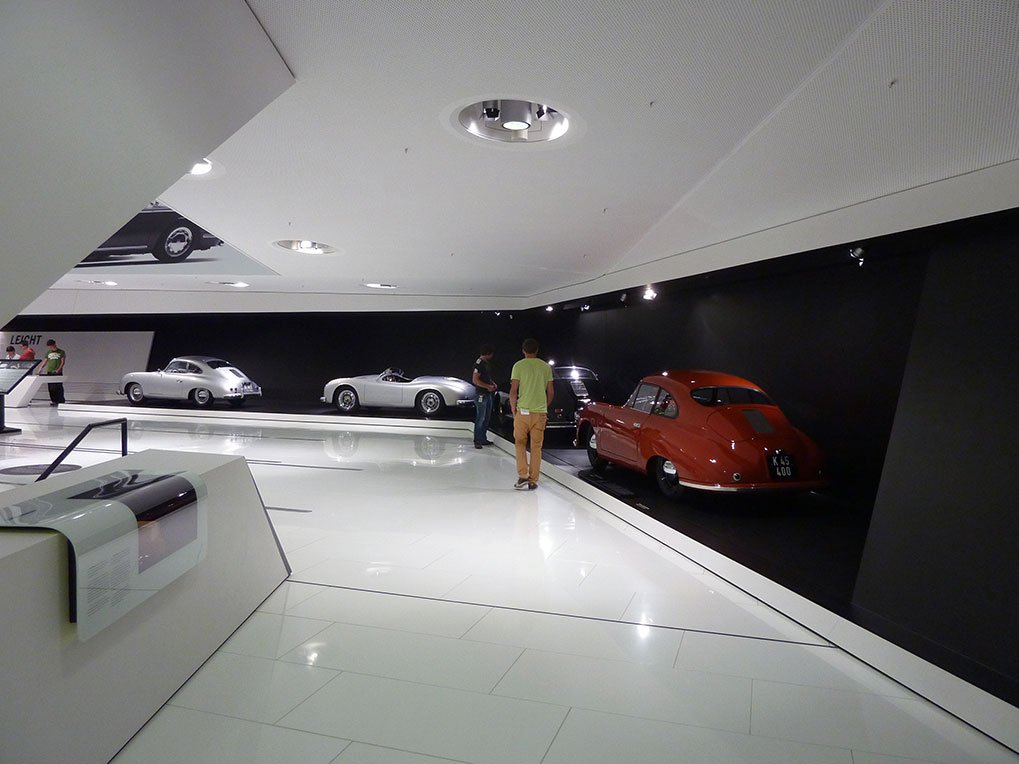
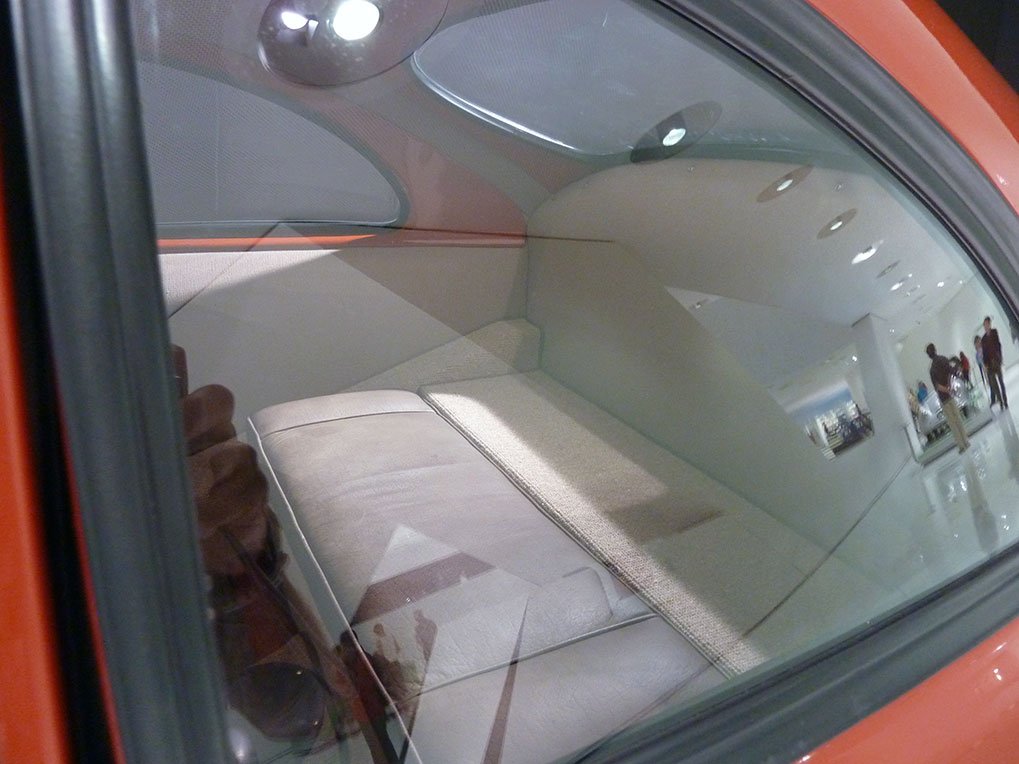
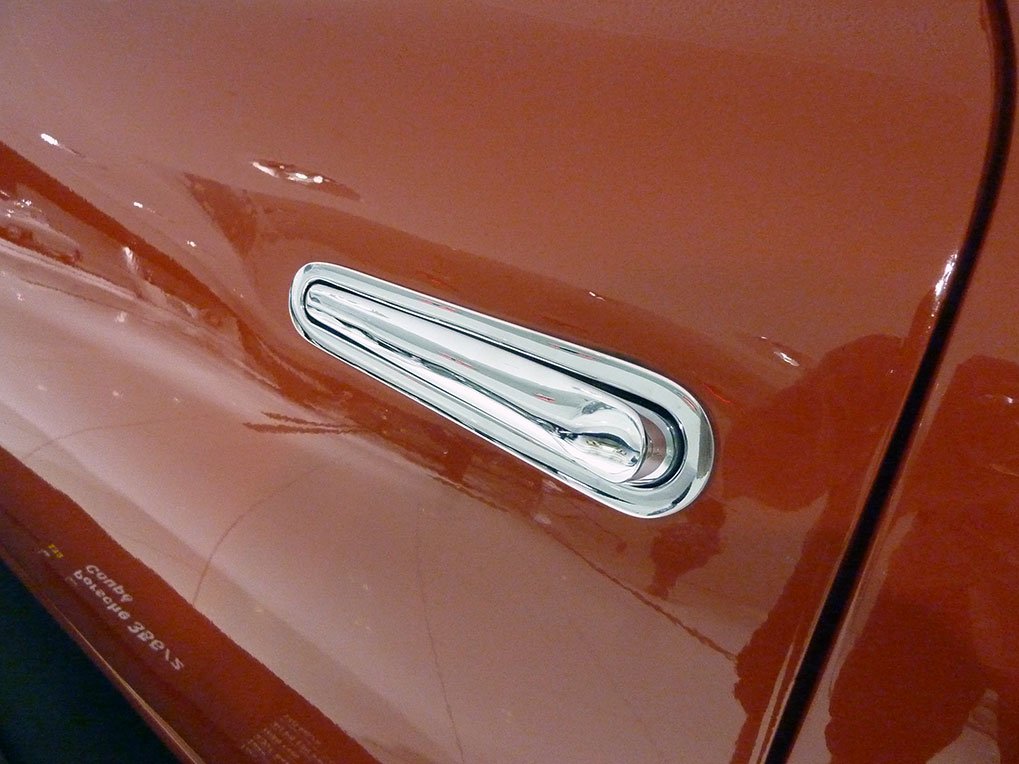
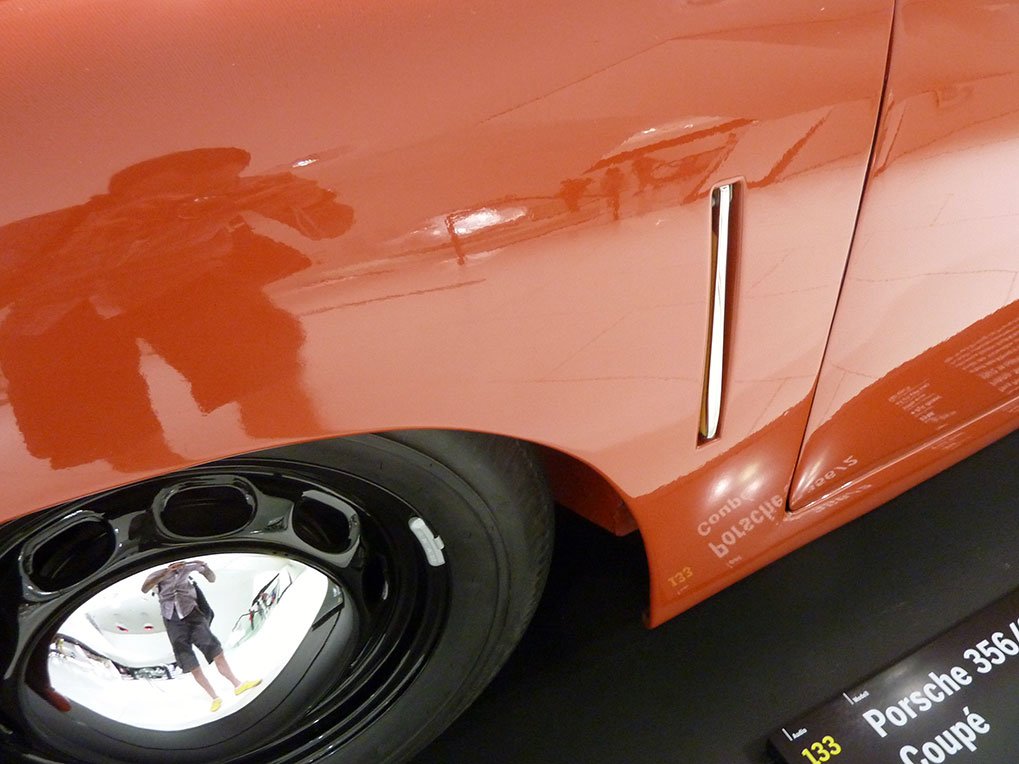
The next stop was the 1948 Porsche 356/2 Coupe, built in a run of just 52 cars.
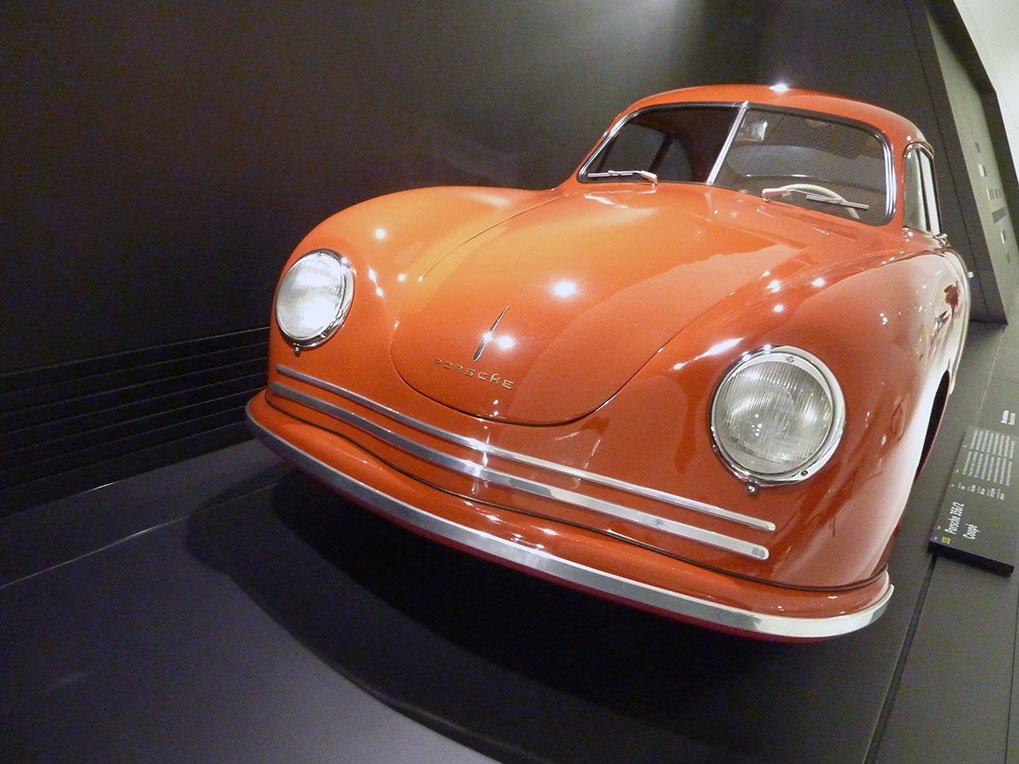
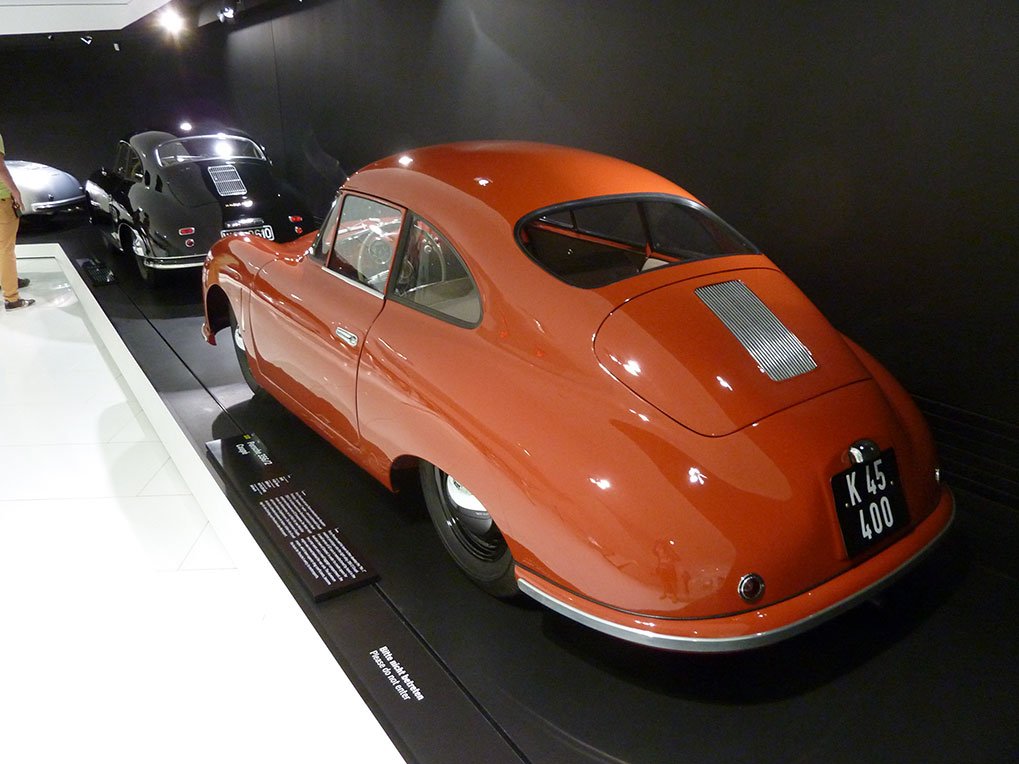
For its time, the interior trim felt genuinely luxurious.
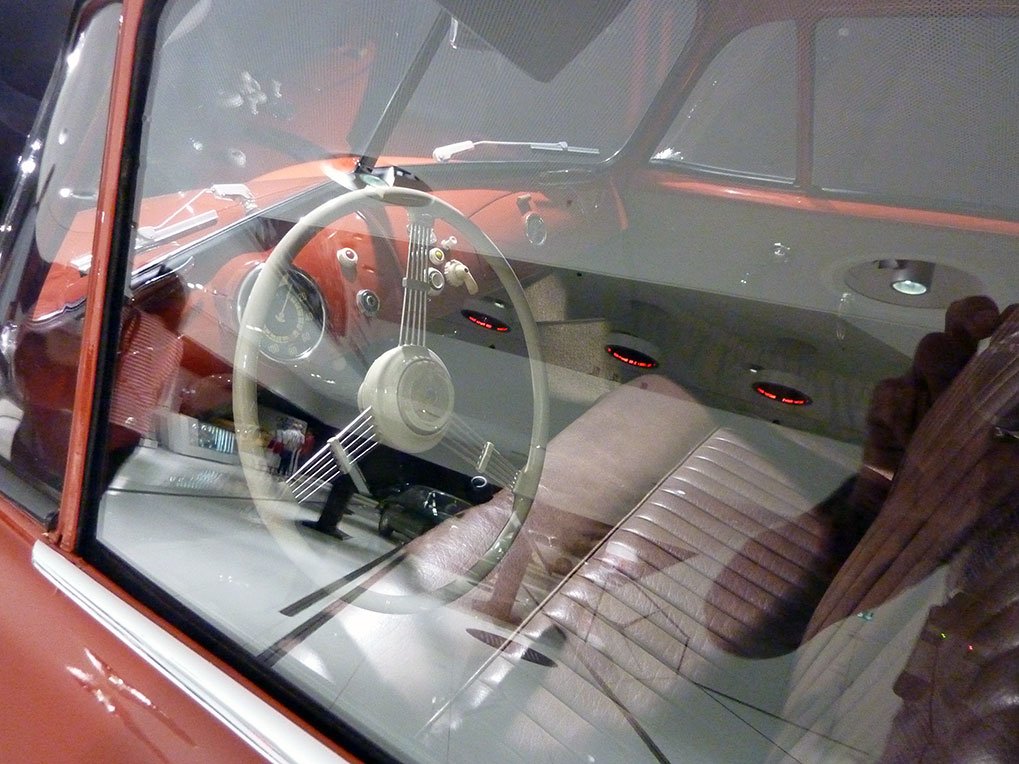
Even then, however, the rear seats were already extremely spartan.
The door handle solution was especially interesting. Variations on the same basic idea are still used by some supercar manufacturers today.
Some of the period details were simply charming, including the turn indicators.
One particularly important car was the 1950 Porsche 356 Coupe known as “Ferdinand,” a test car later gifted to Professor Ferdinand Porsche for his 75th birthday.
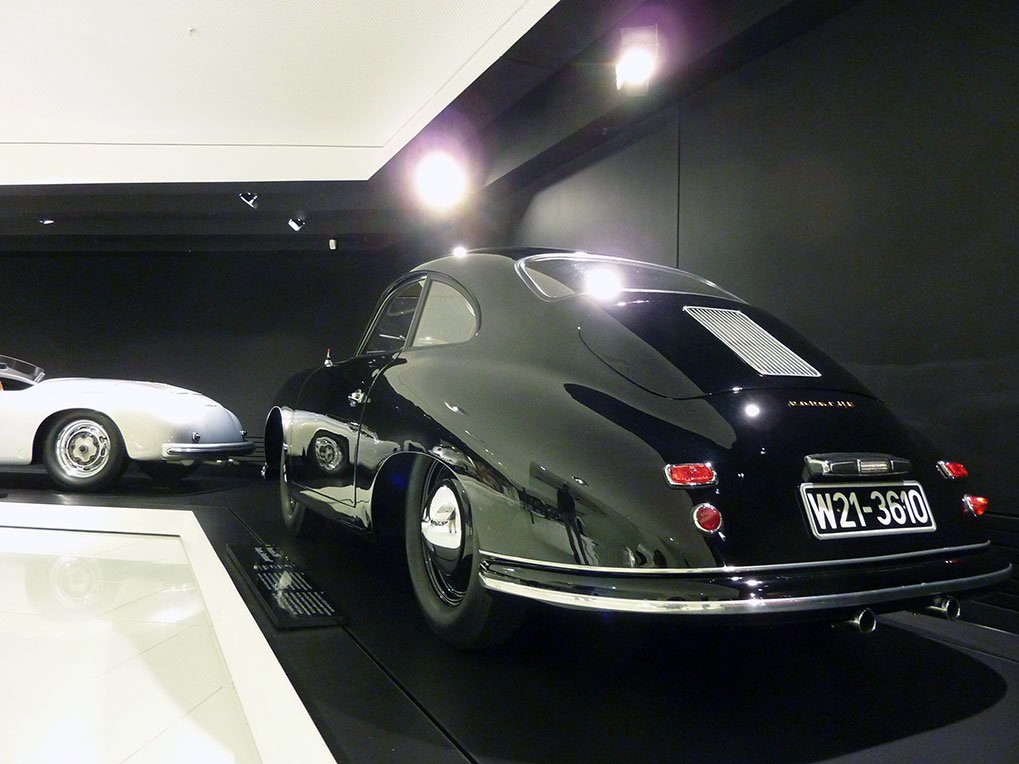
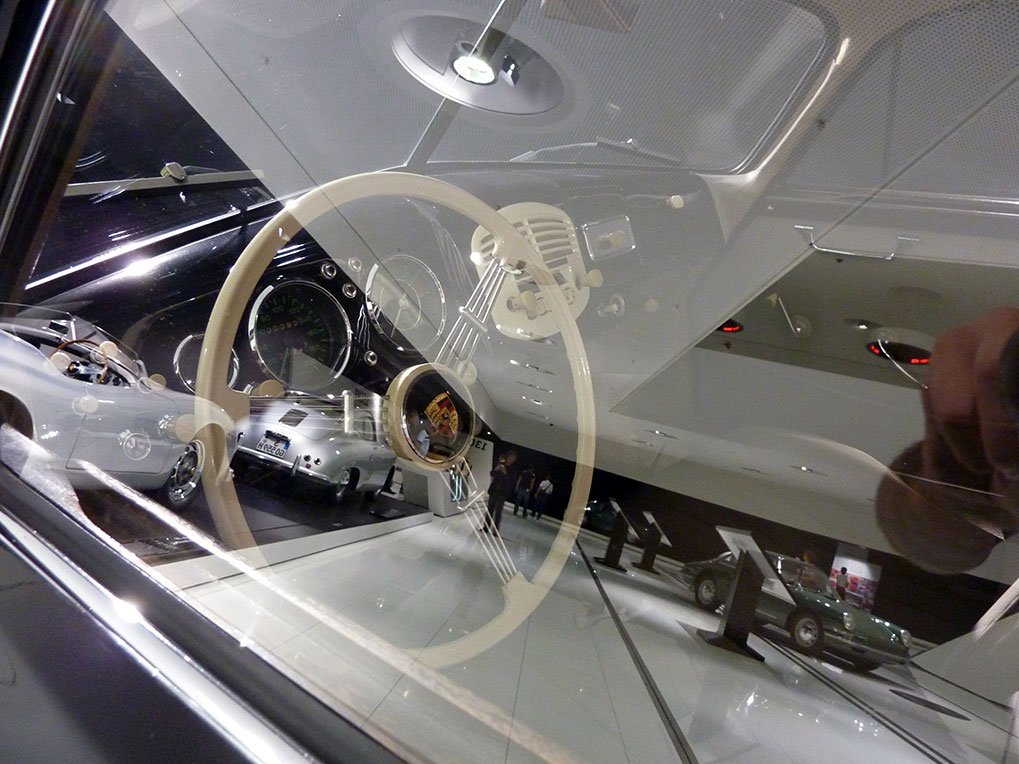
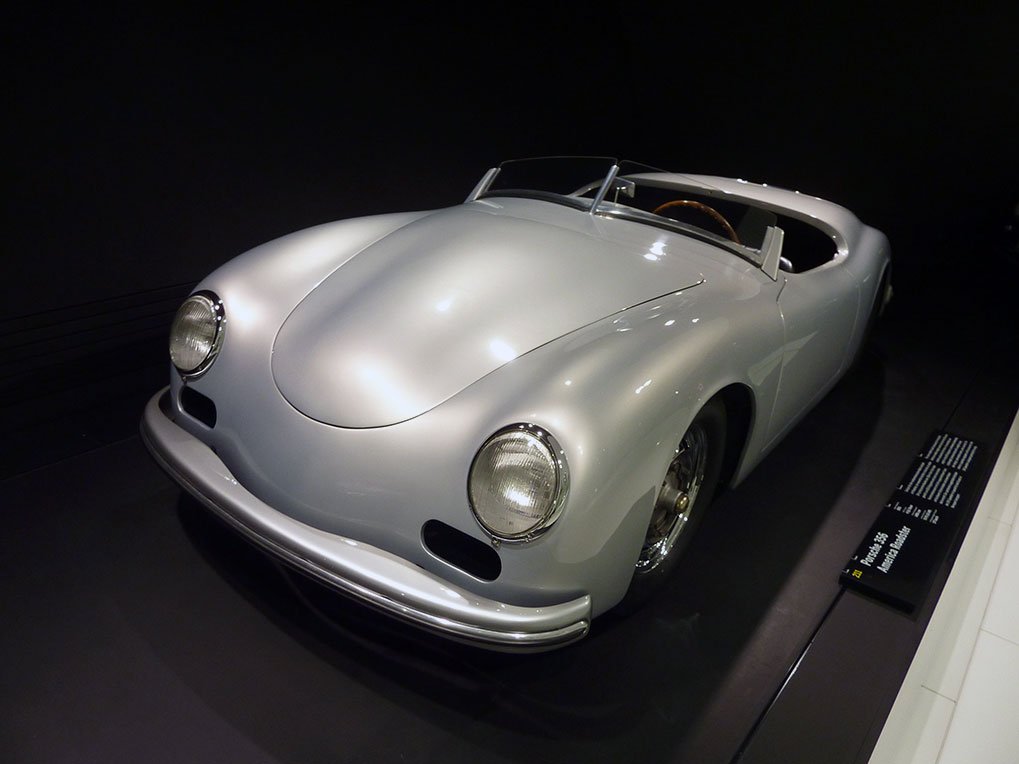
The 1953 Porsche 356 America Roadster was developed for the U.S. market and was exceptionally light at only 605 kg.
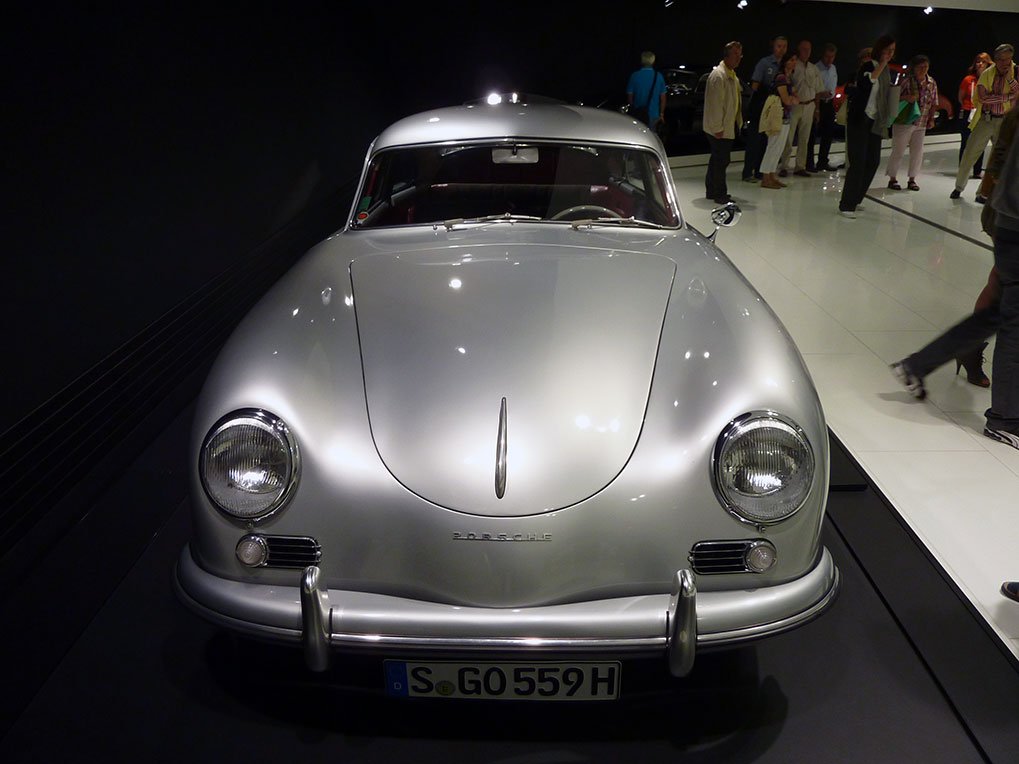
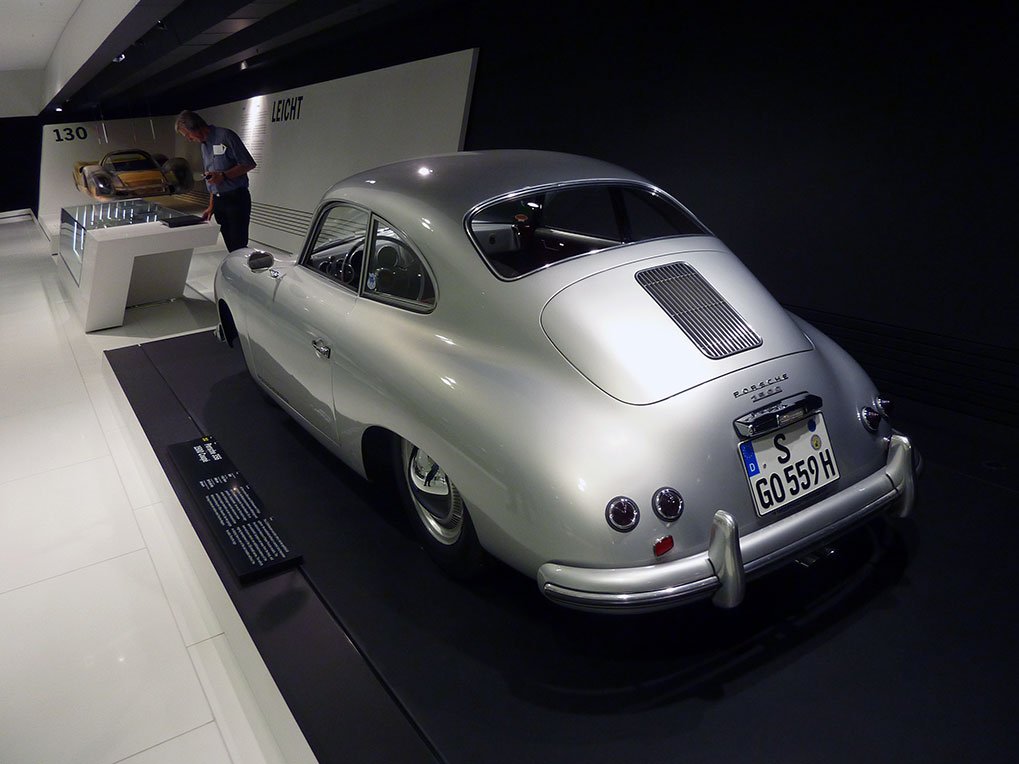
Then came the 1954 Porsche 356 1500 Coupe. It introduced a one-piece windshield without the center divider, separate bumpers, and a richer interior finish. It was also the last model before the heraldic Porsche crest appeared.
Engineering Innovations and Late 356 Development
The museum also inserted smaller displays dedicated to Porsche engineering innovations rather than complete cars.
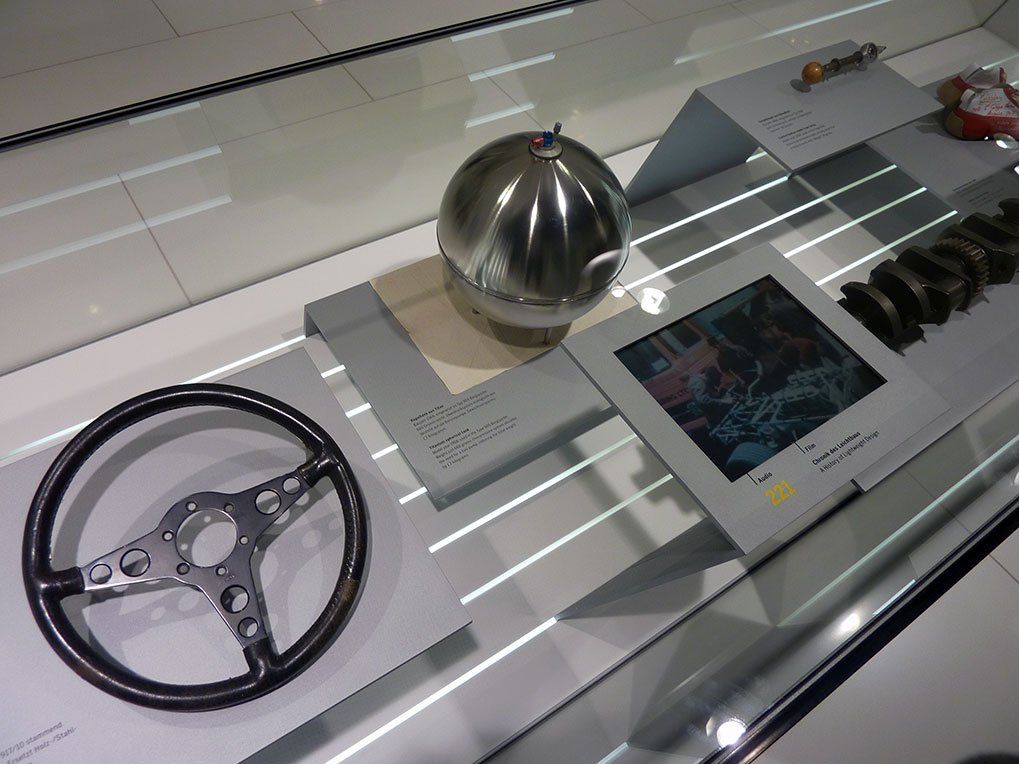
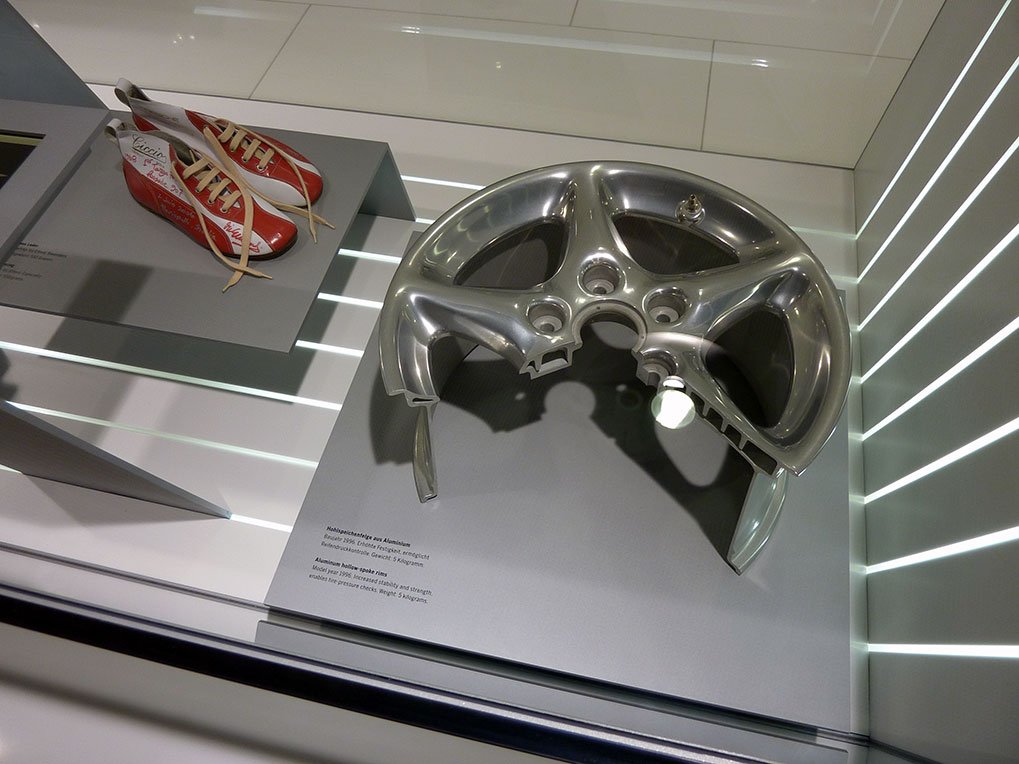
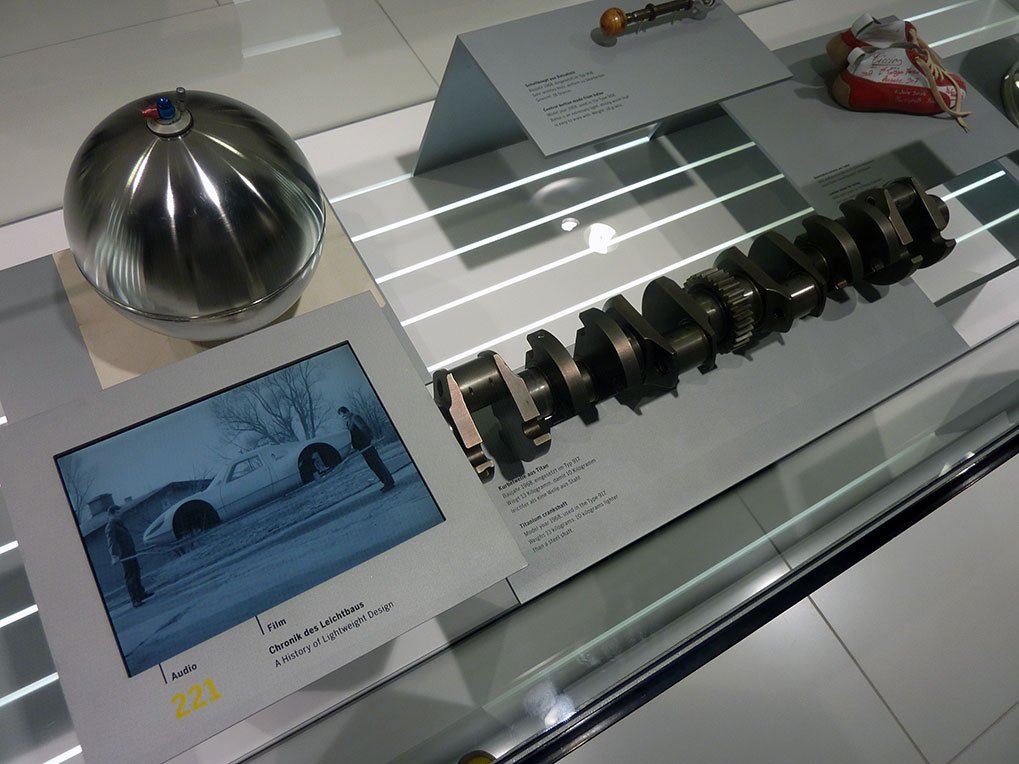
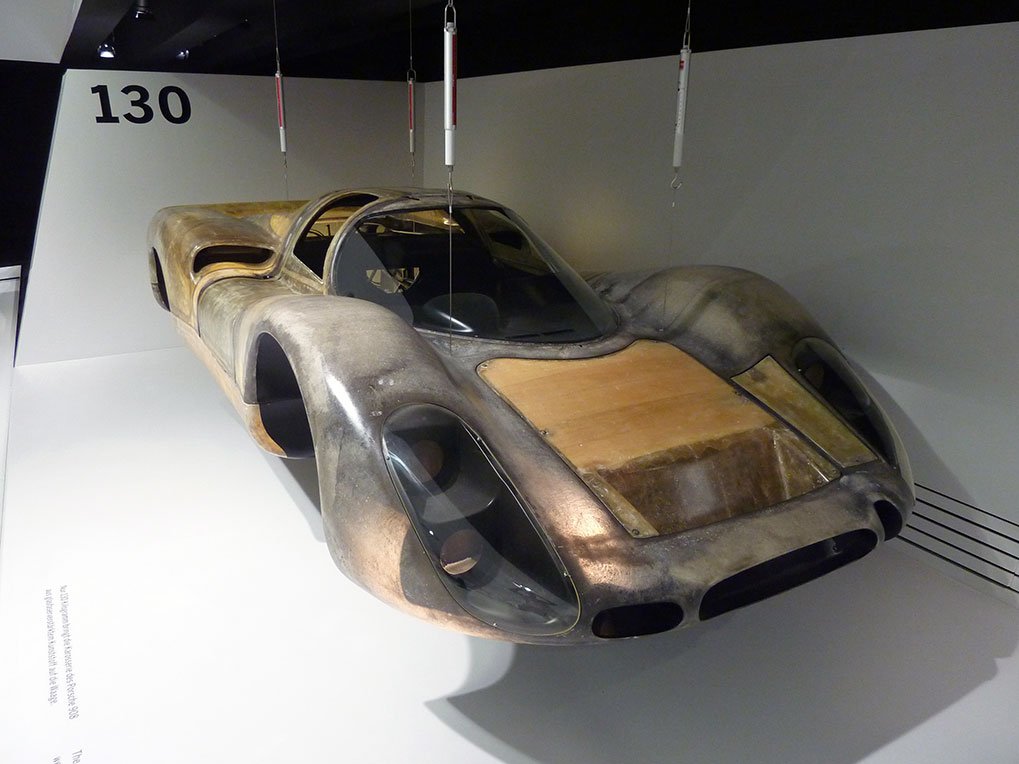
One striking example was the fiberglass body of the Porsche 908, weighing only 130 kg.
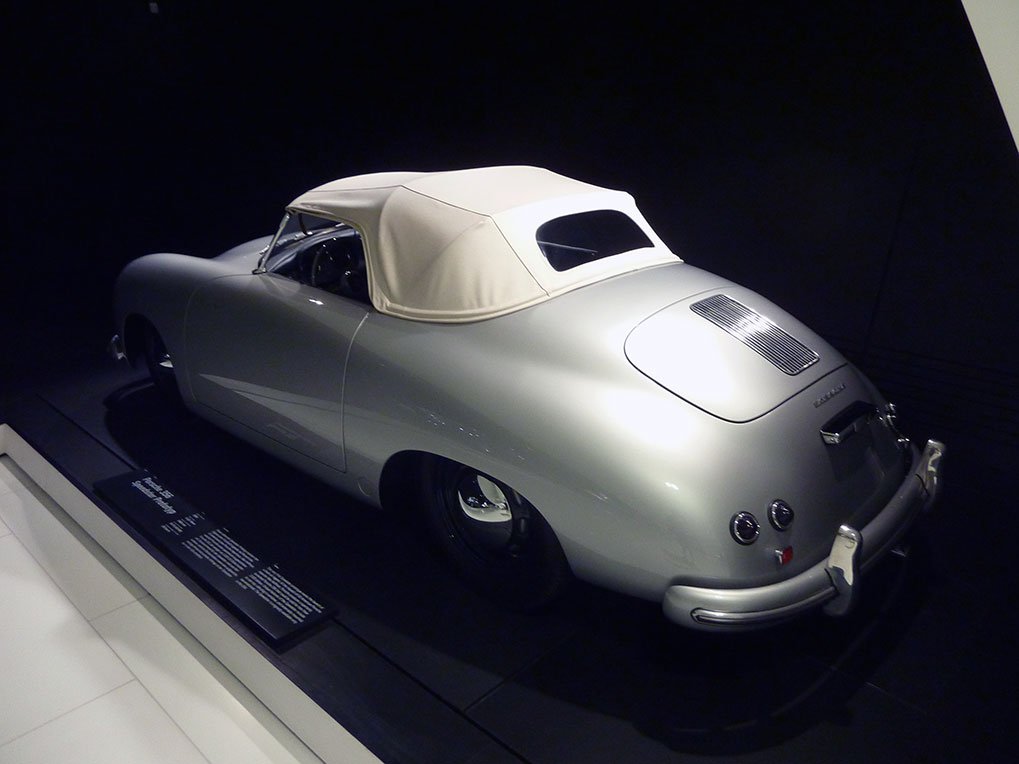
The 1954 Porsche Speedster prototype, built only for the U.S., reflected the opposite approach: minimal equipment, low weight, no unnecessary luxury.
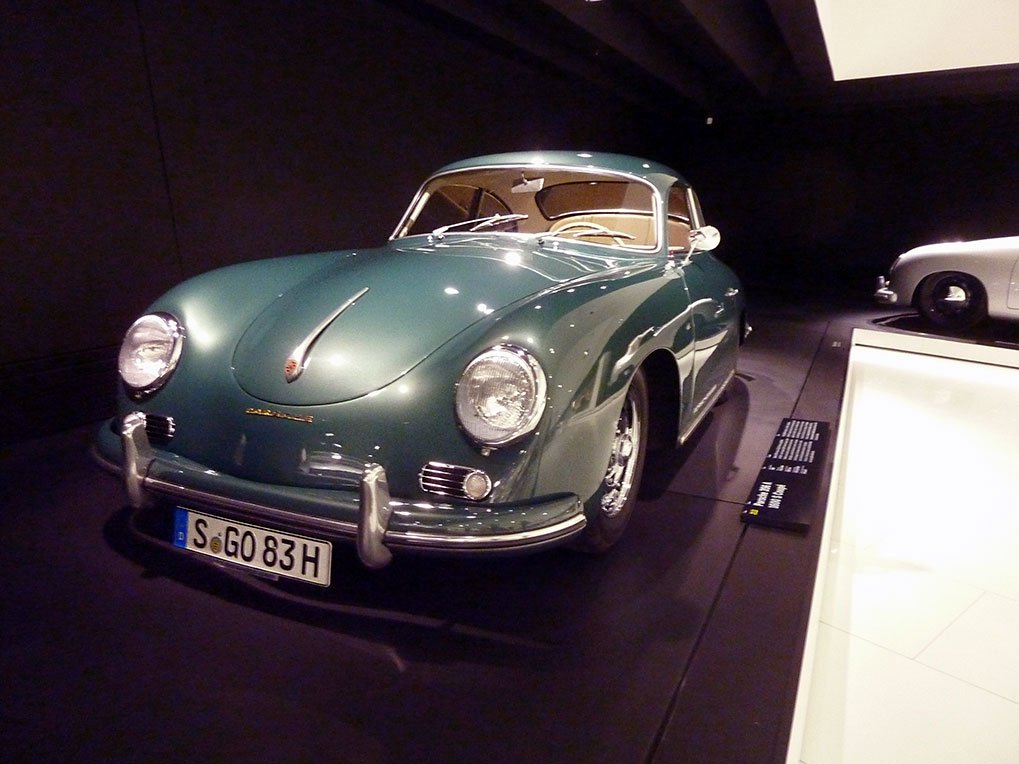
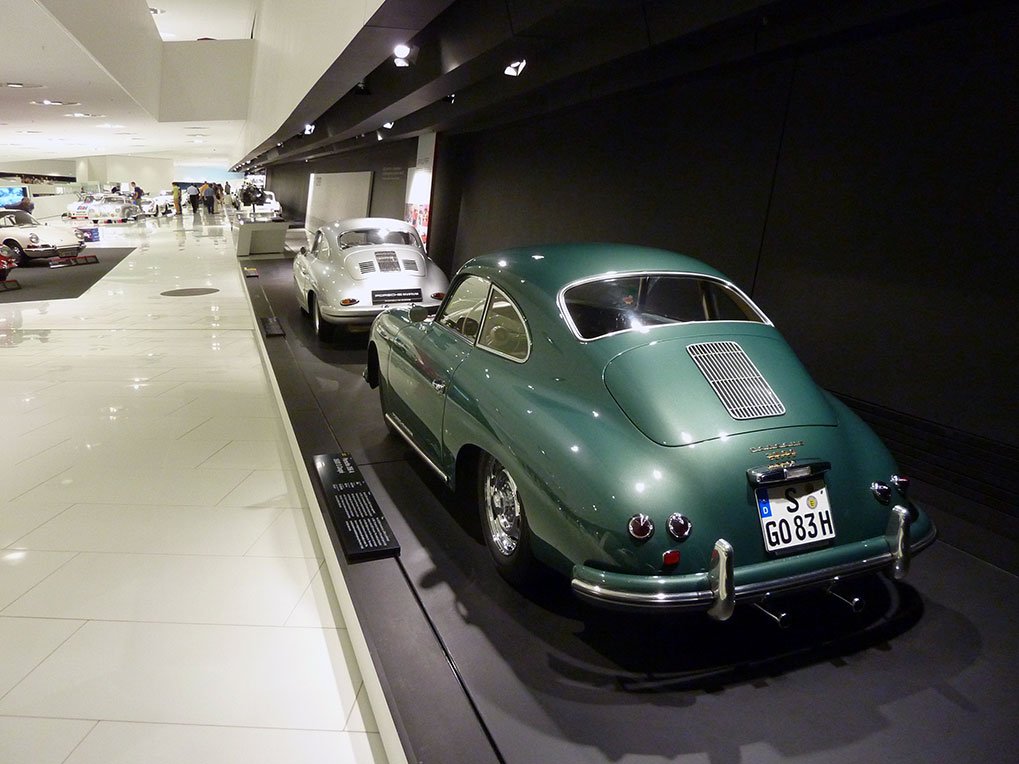
The 1956 Porsche 356 A 1600 Coupe marked another milestone, as it represented the ten-thousandth Porsche sold.
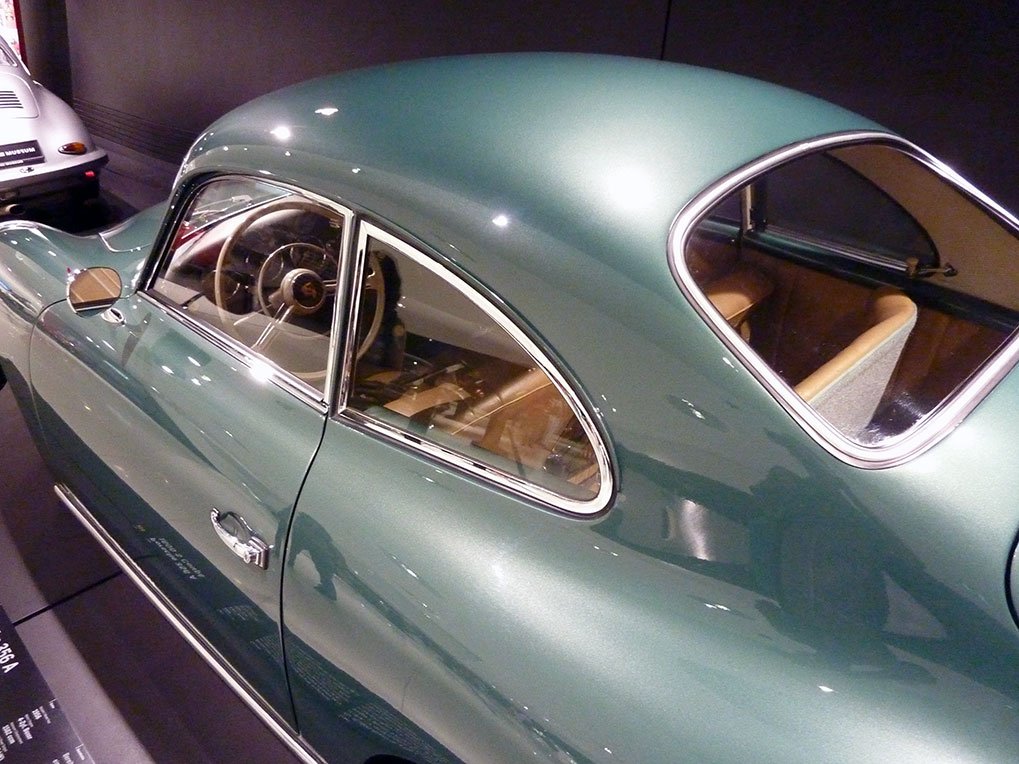
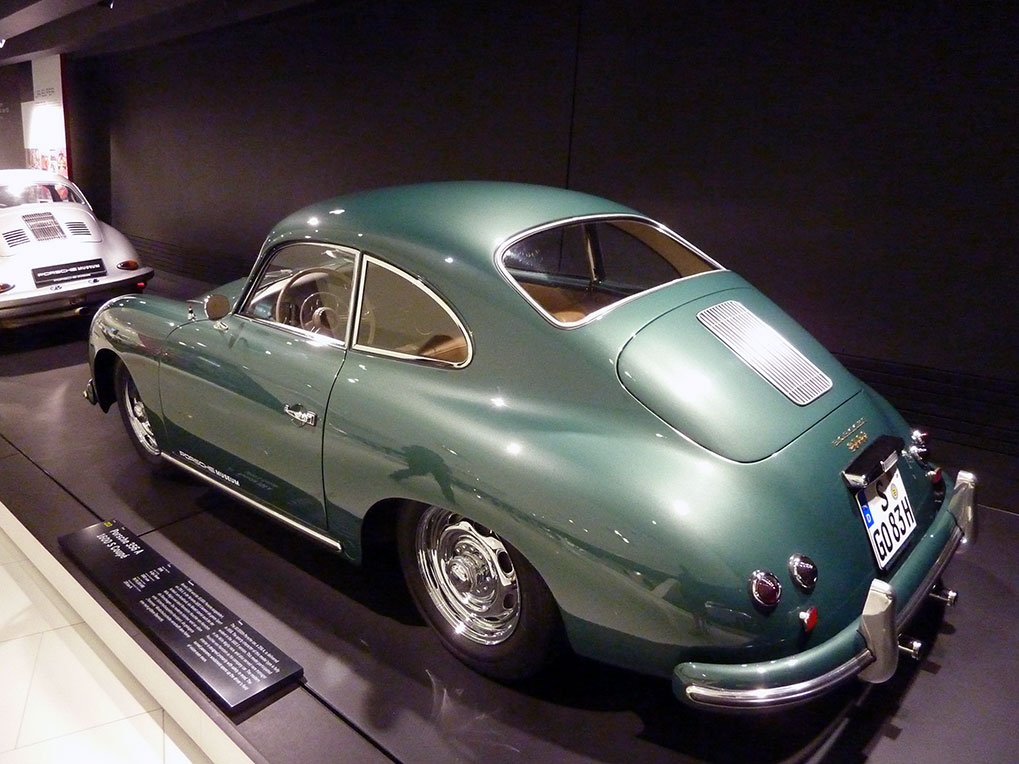
By 1960, the Porsche 356 B 2000 GS Carrera GT showed how far the platform could be developed without changing its basic appearance. The evolution was mostly technical rather than visual.
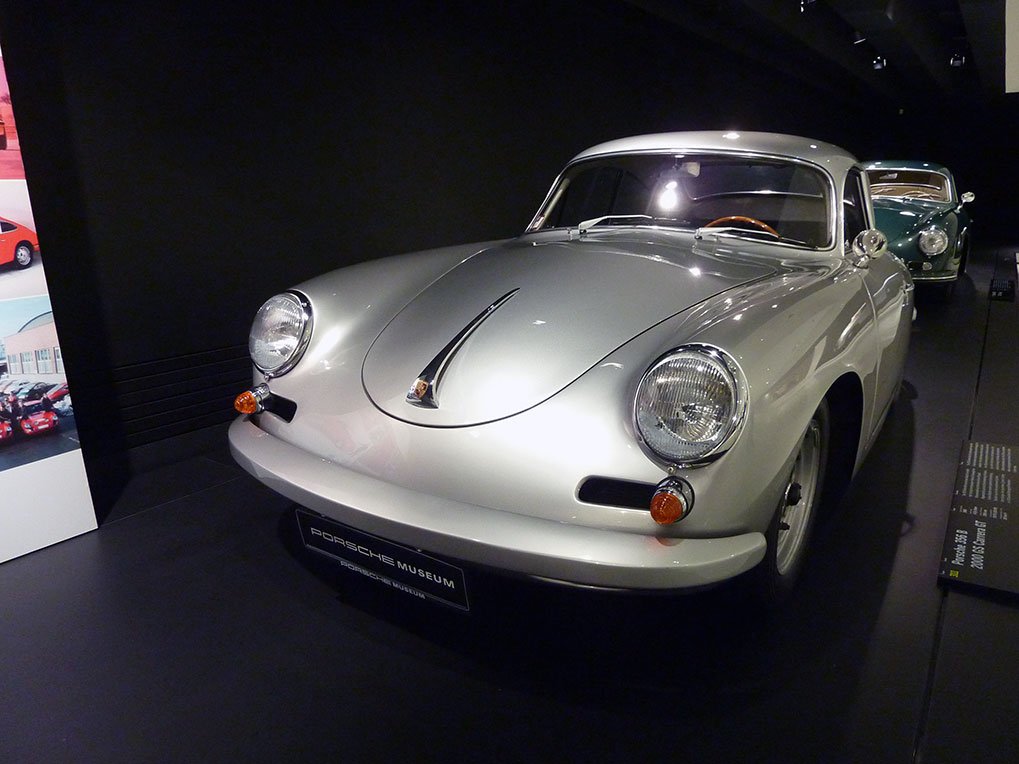
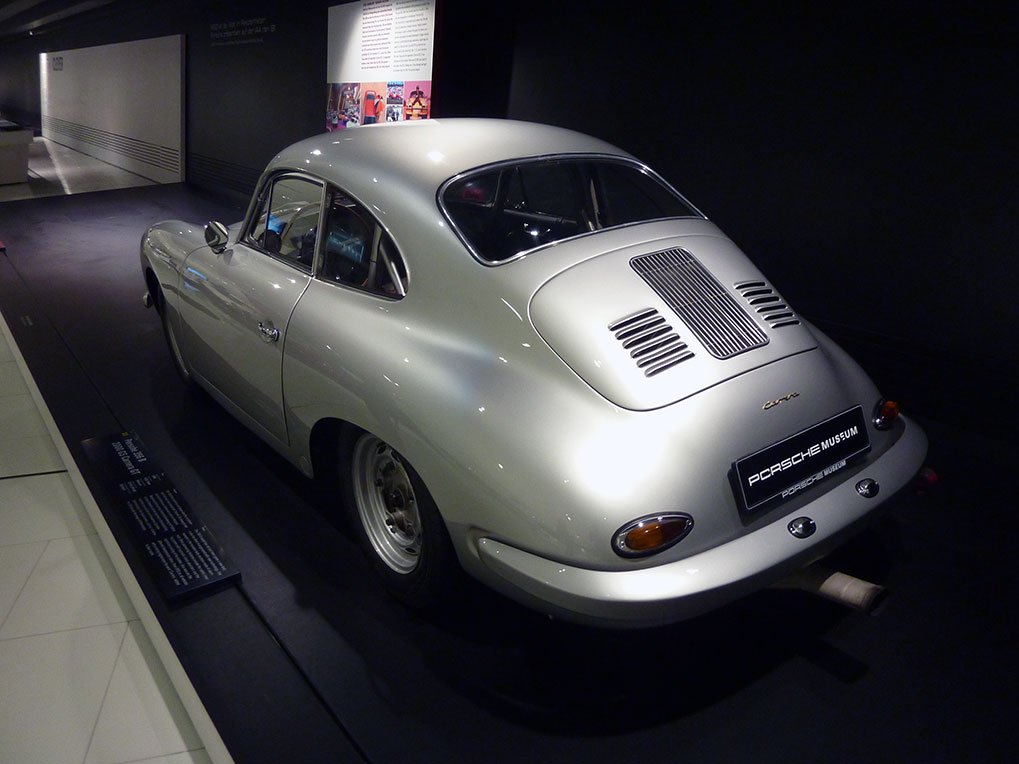
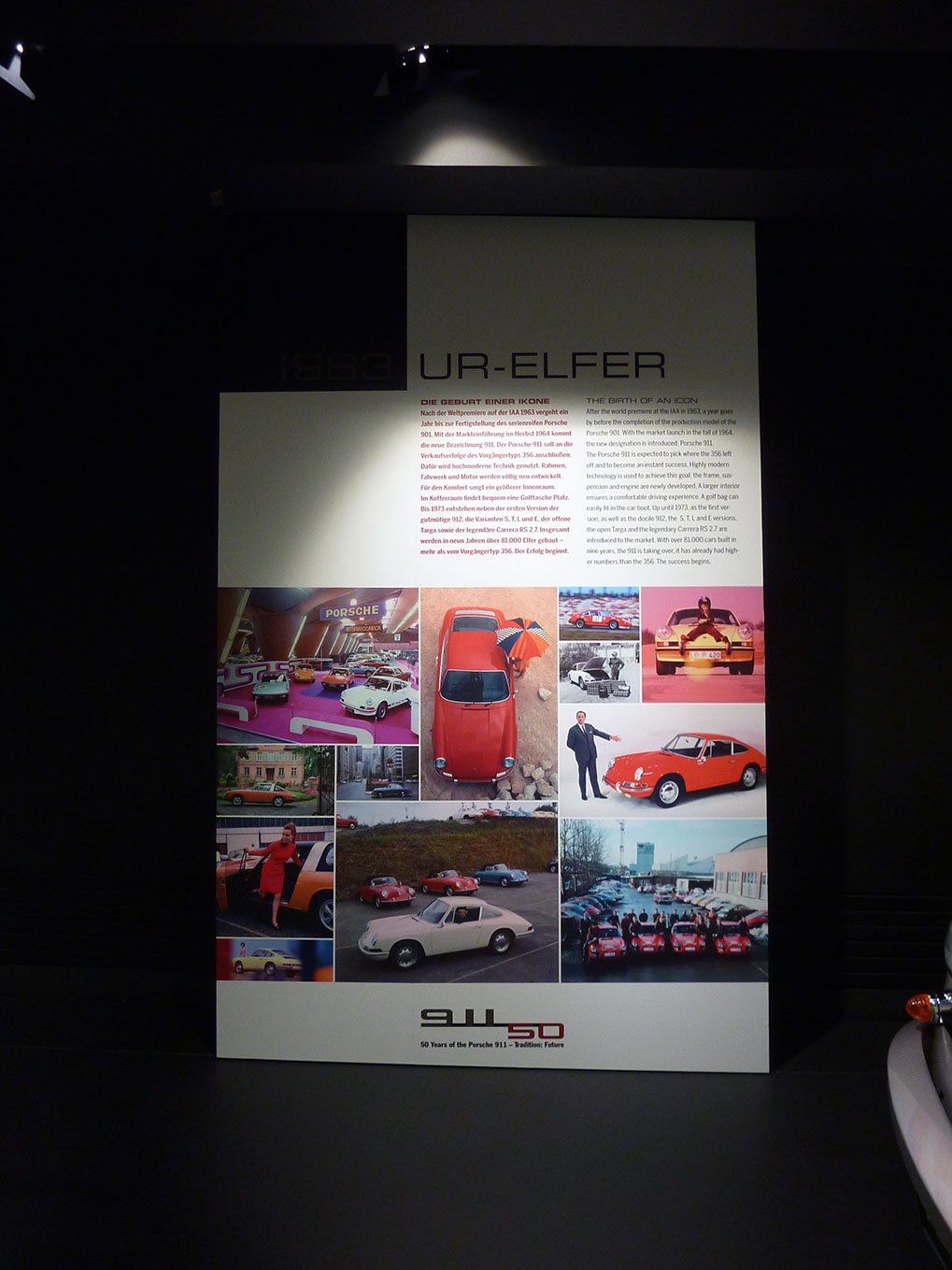 Photo by GT Factory[/caption>
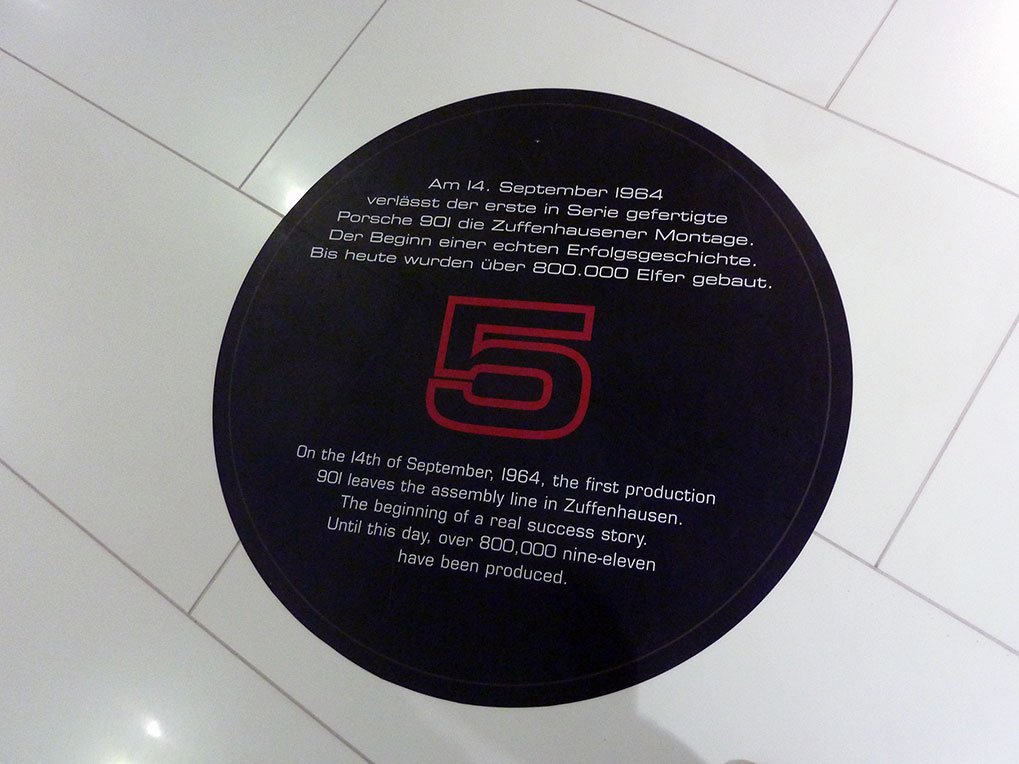
Throughout the exhibition, circular information markers highlighted key milestones. One of them noted that from 1964 onward, Porsche had produced more than 800,000 911s.
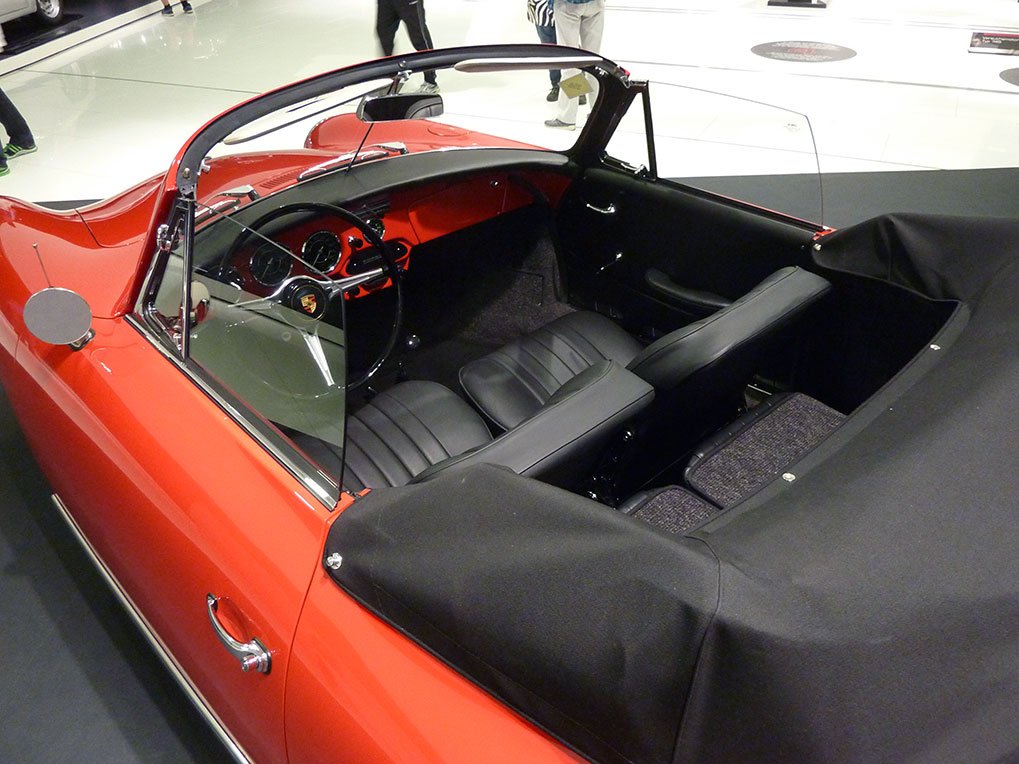
The final 356 in this sequence was the 1963 Porsche 356 C Cabriolet, representing the transition from the B series to the C series.
[caption id="attachment_1573" align="aligncenter" width="1019"]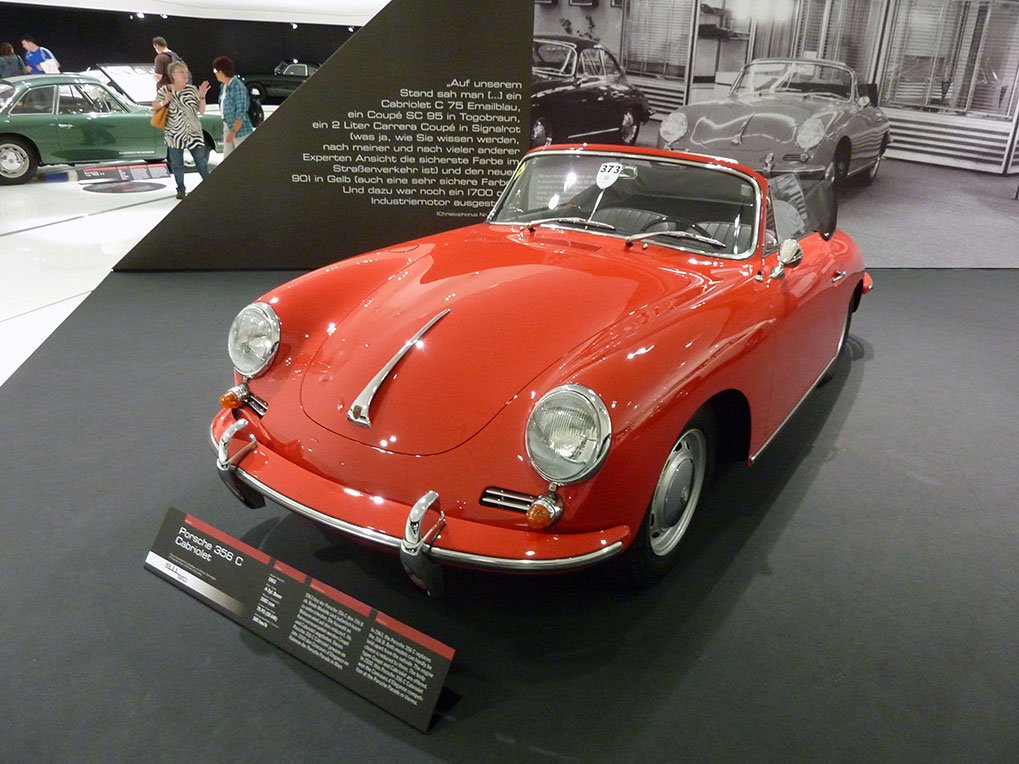 Photo by GT Factory
The Early 911 Takes Shape
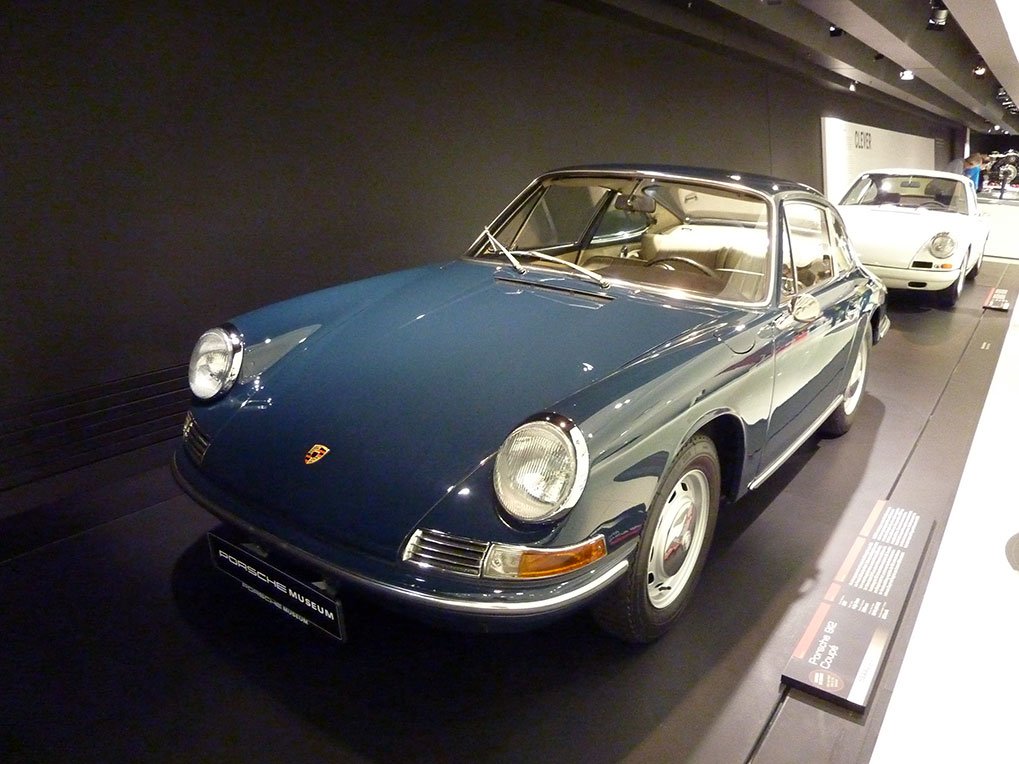
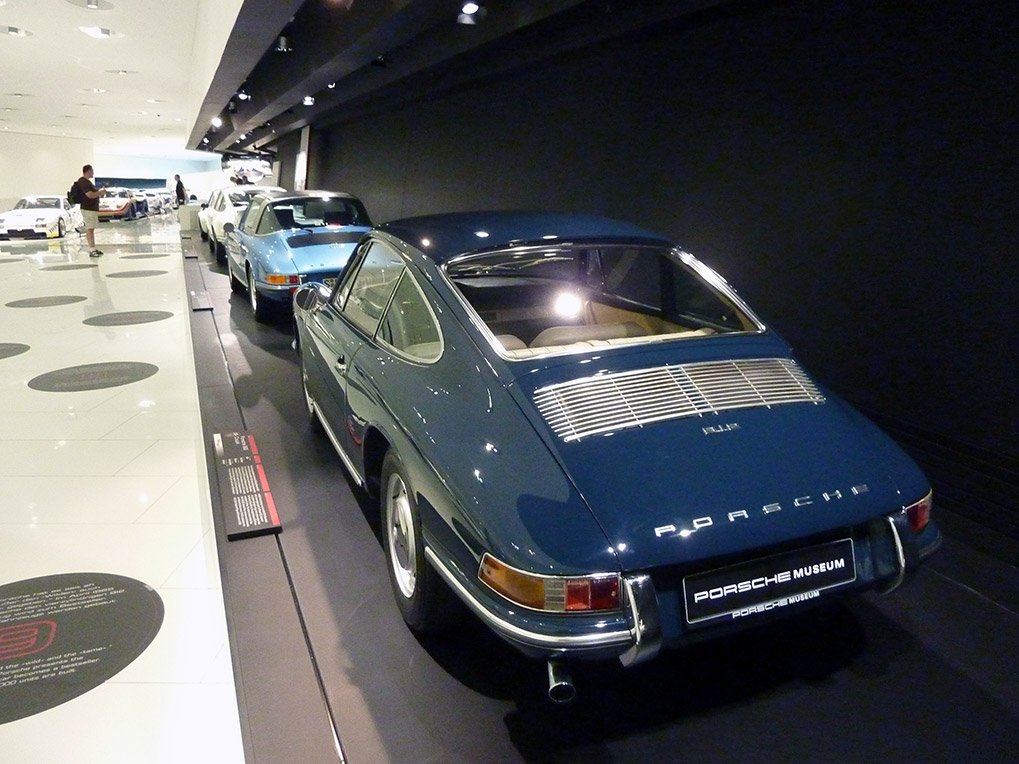
Then the car everyone had come for finally appeared: the early 911.
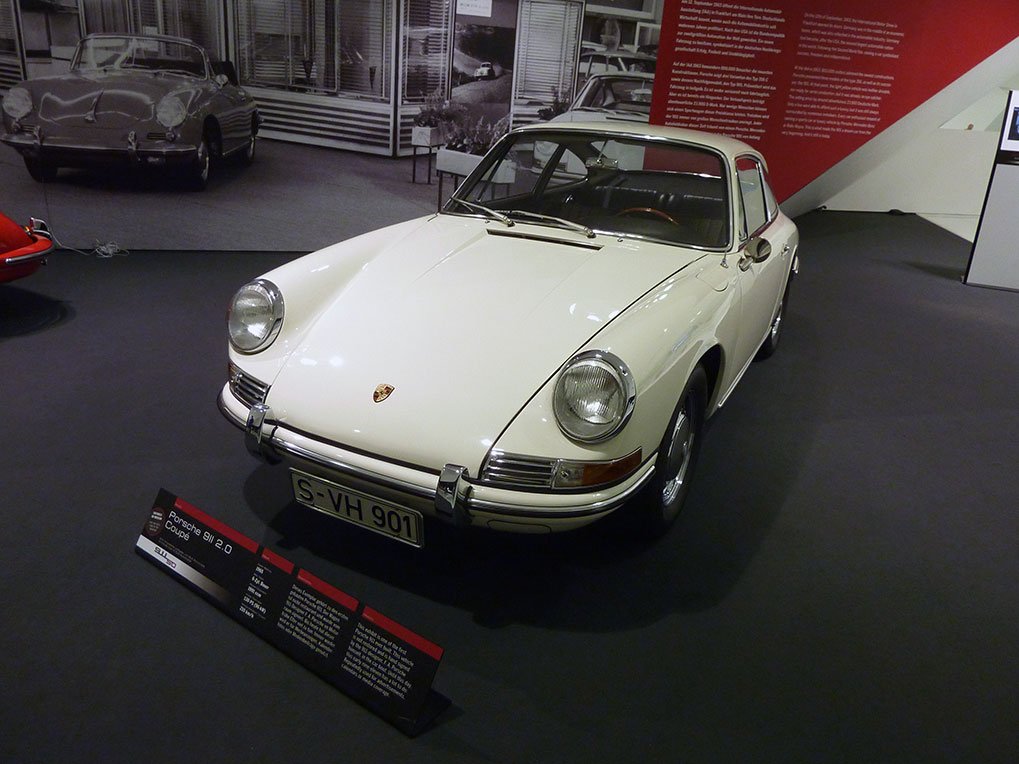
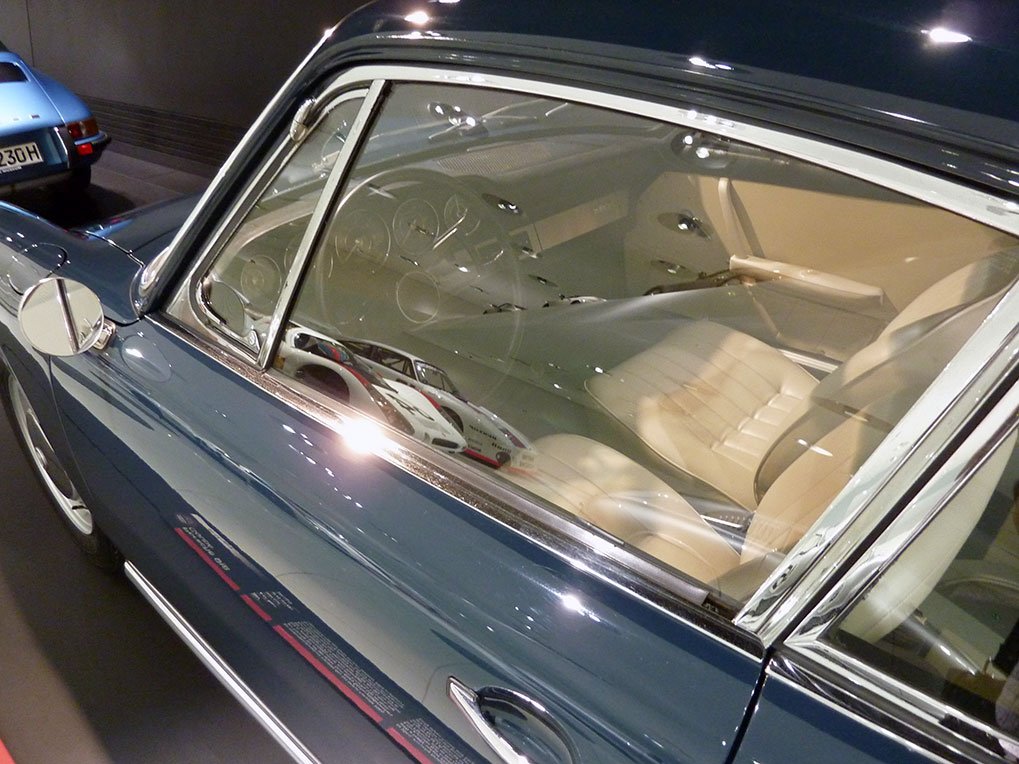
This 1964 Porsche 911 2.0 Coupe was one of the earliest surviving examples preserved in original, unrestored condition. It also carried an autograph from Ferdinand Alexander Porsche left inside the cabin.
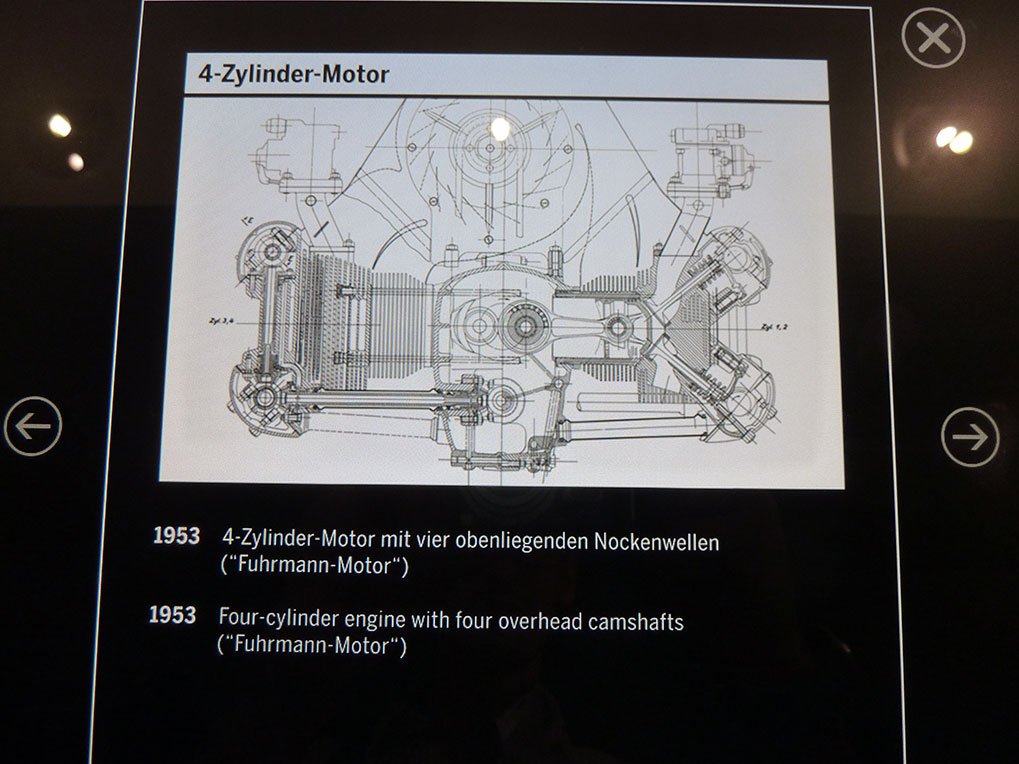
Nearby stood a technical drawing of the four-cylinder boxer engine.
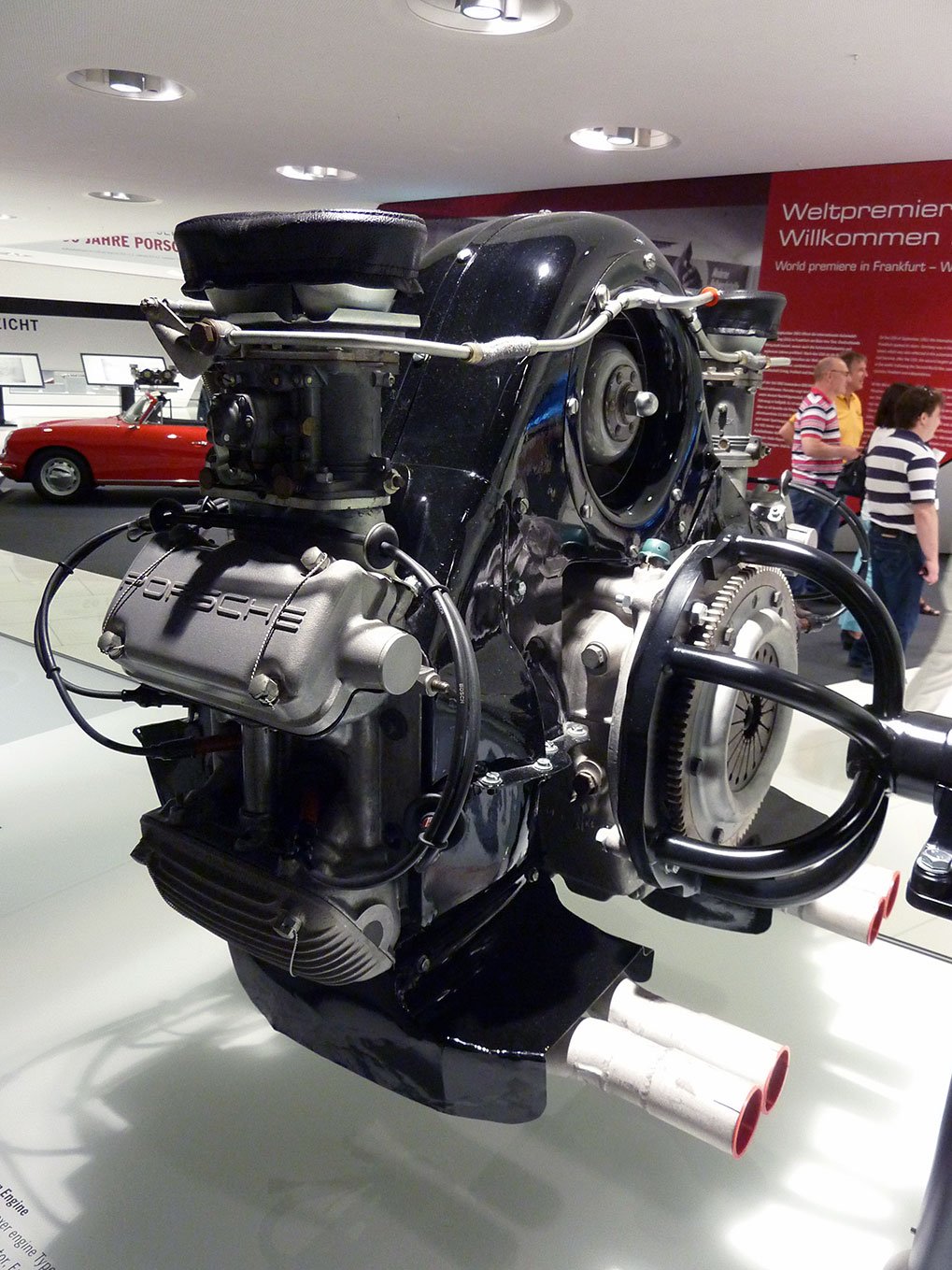
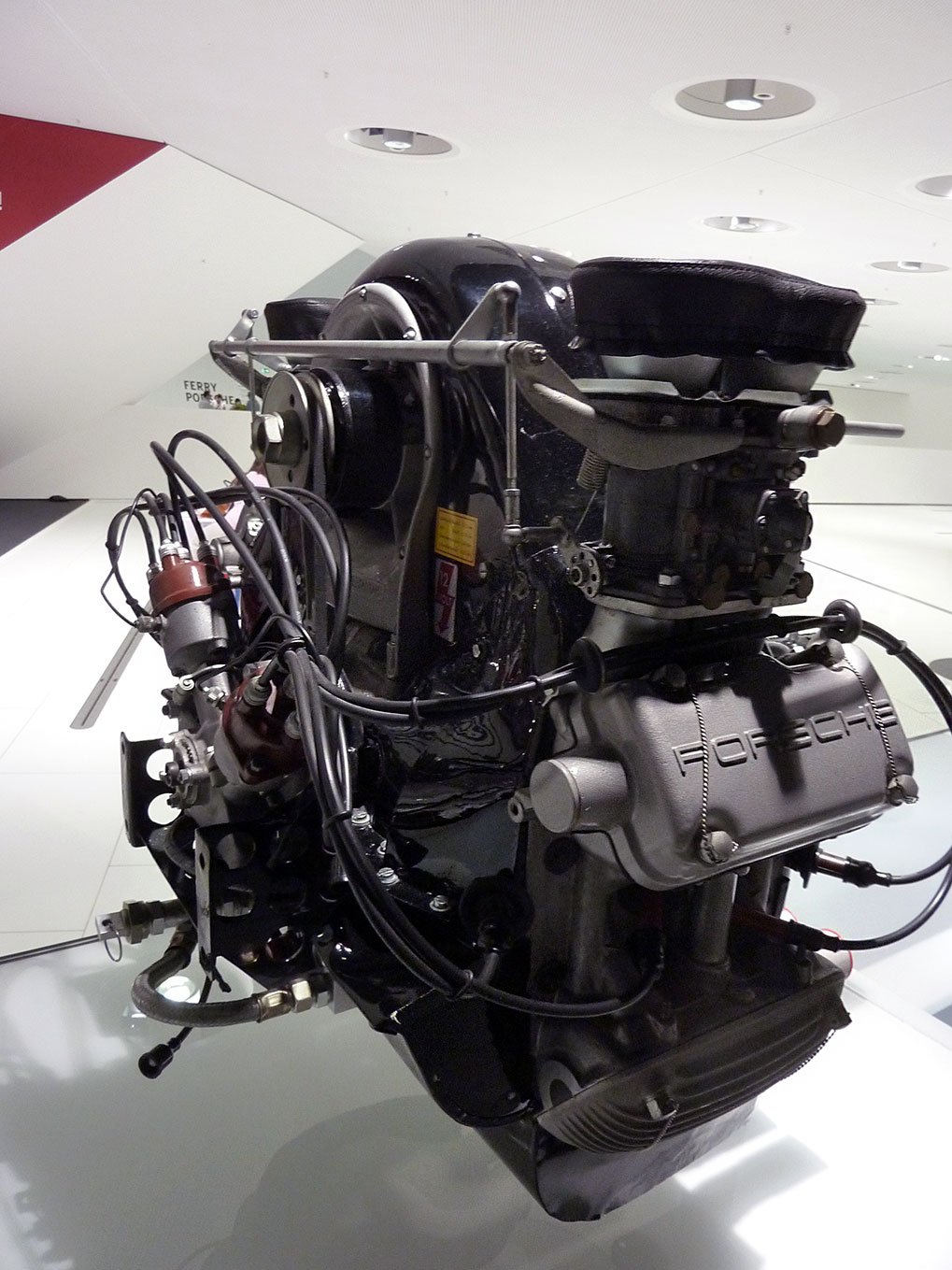
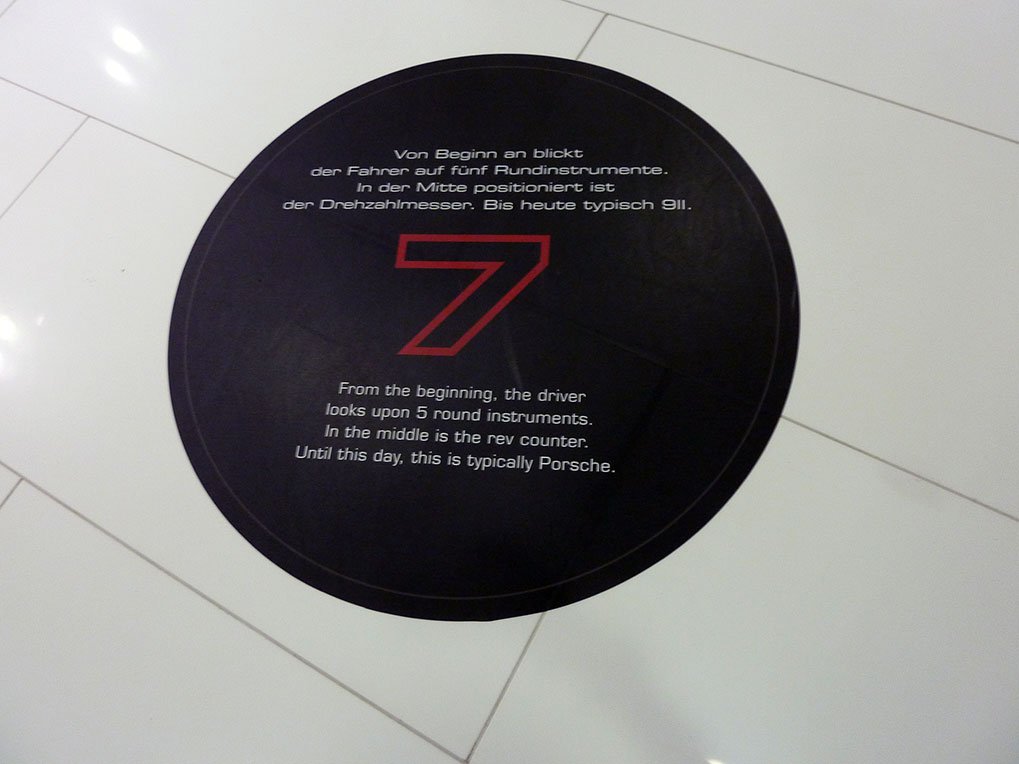
Another display reminded visitors that from the very beginning Porsche drivers looked at five gauges, with the tachometer always placed in the center. That layout has remained one of the brand’s defining traits ever since.
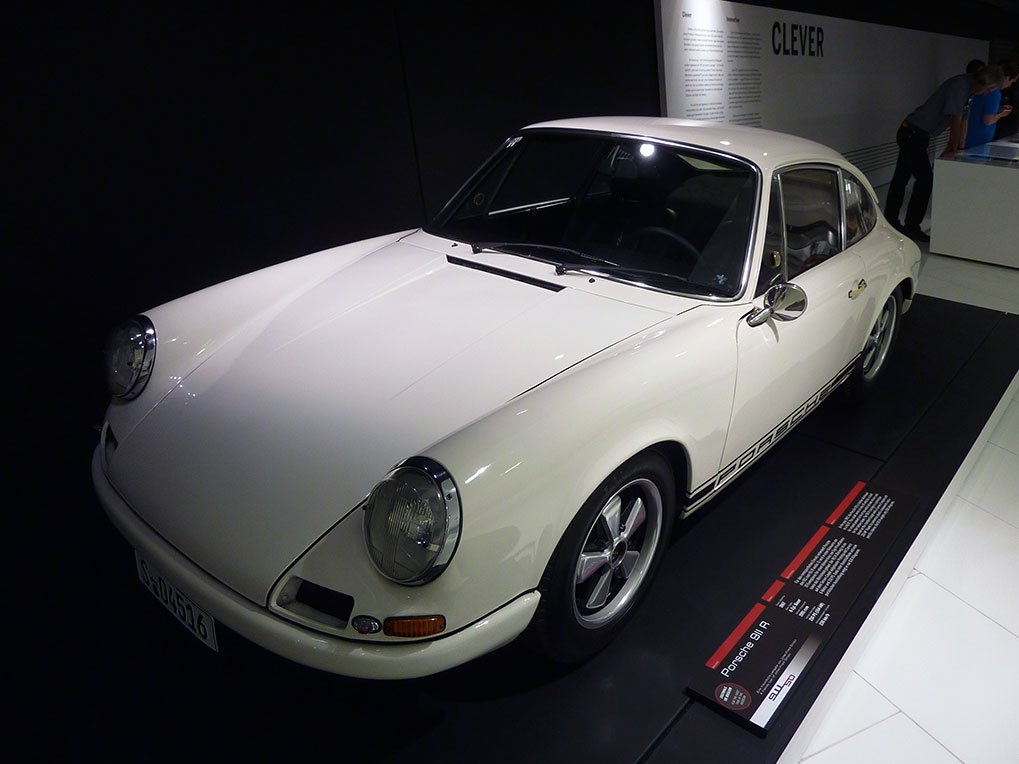
The 1967 Porsche 911 R followed, showing how quickly the 911 had already begun to branch into more specialized versions.
Motorsport, Targa, and Racing Derivatives
From there, the exhibition opened into a broader motorsport section.
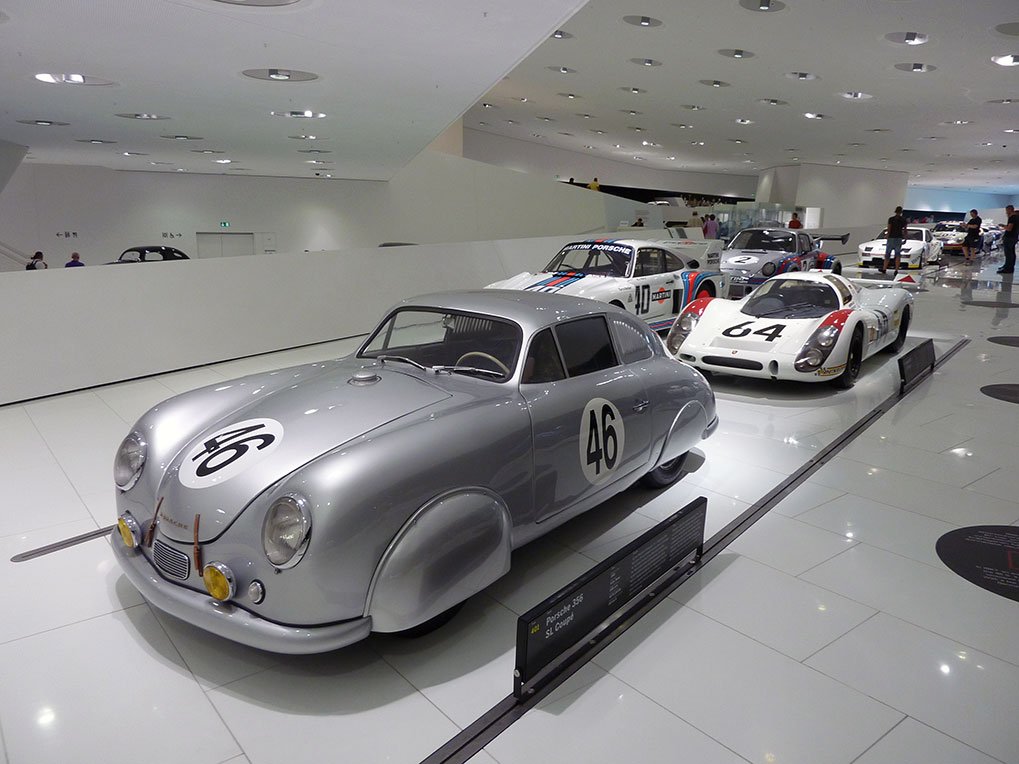
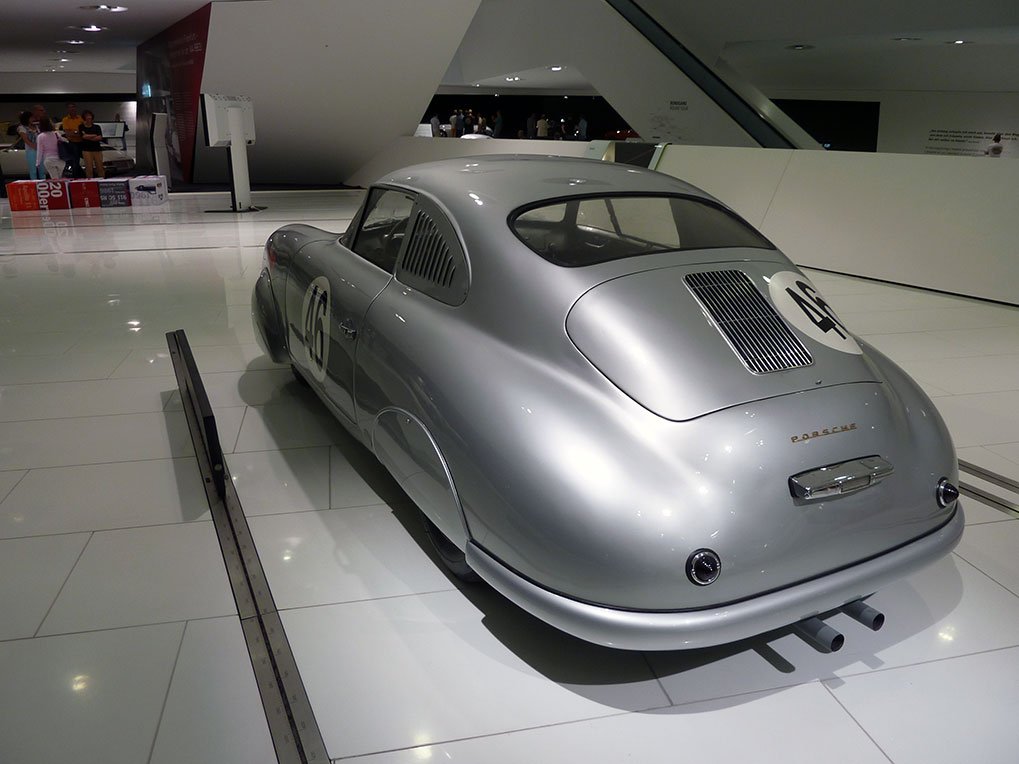
In the foreground stood the Porsche 356 SL Coupe, while nearby sat the Porsche 912 Coupe, a car often overshadowed by the 911 but still important in the wider family story.
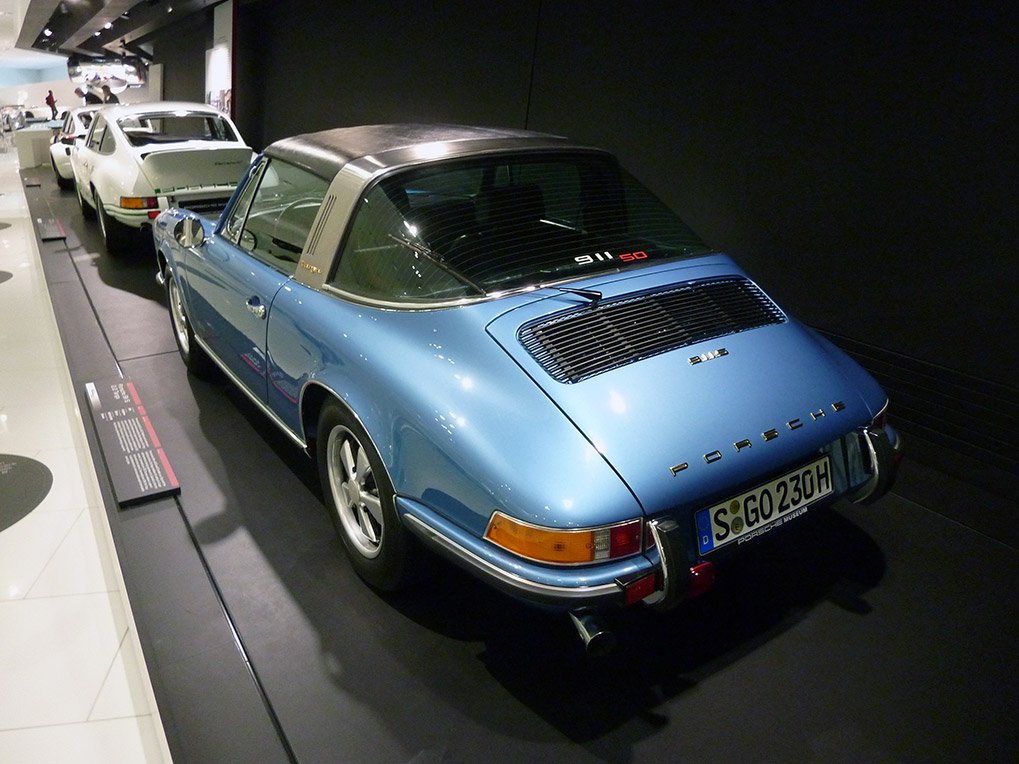
The 1970 Porsche 911 S 2.2 Targa illustrated another major Porsche contribution. In developing what it described as the world’s first safe cabriolet, Porsche created the body style that became known simply as “Targa.”
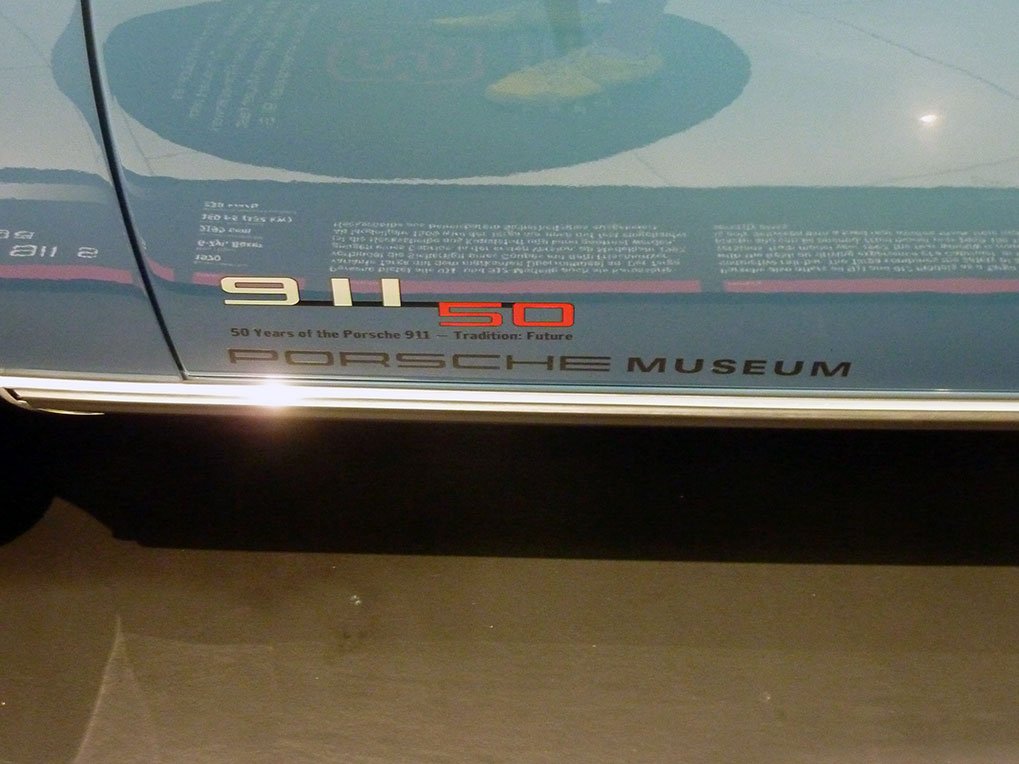
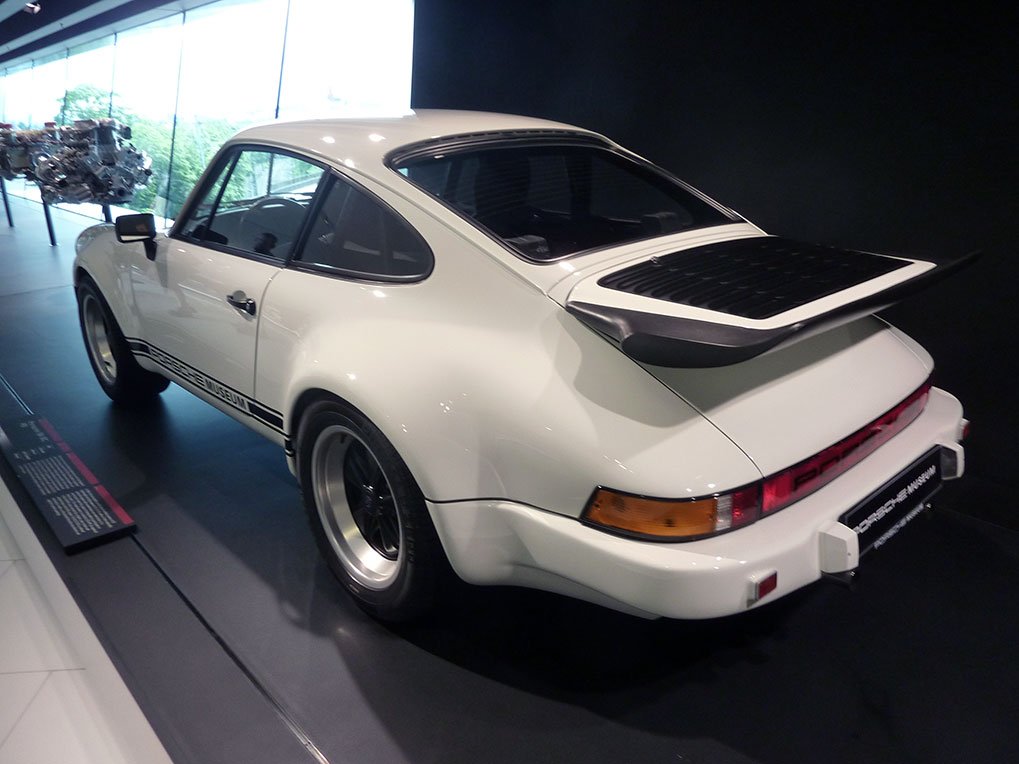
One of the great racing highlights in the exhibition was the 1973 Porsche 911 Carrera RSR 3.0.
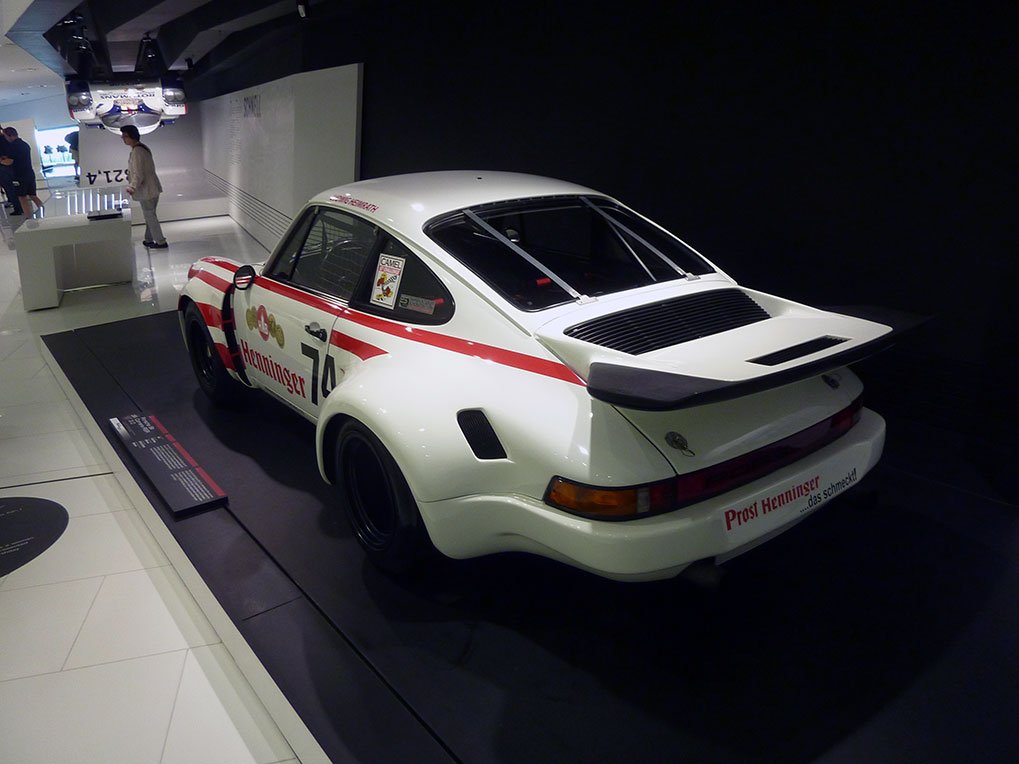
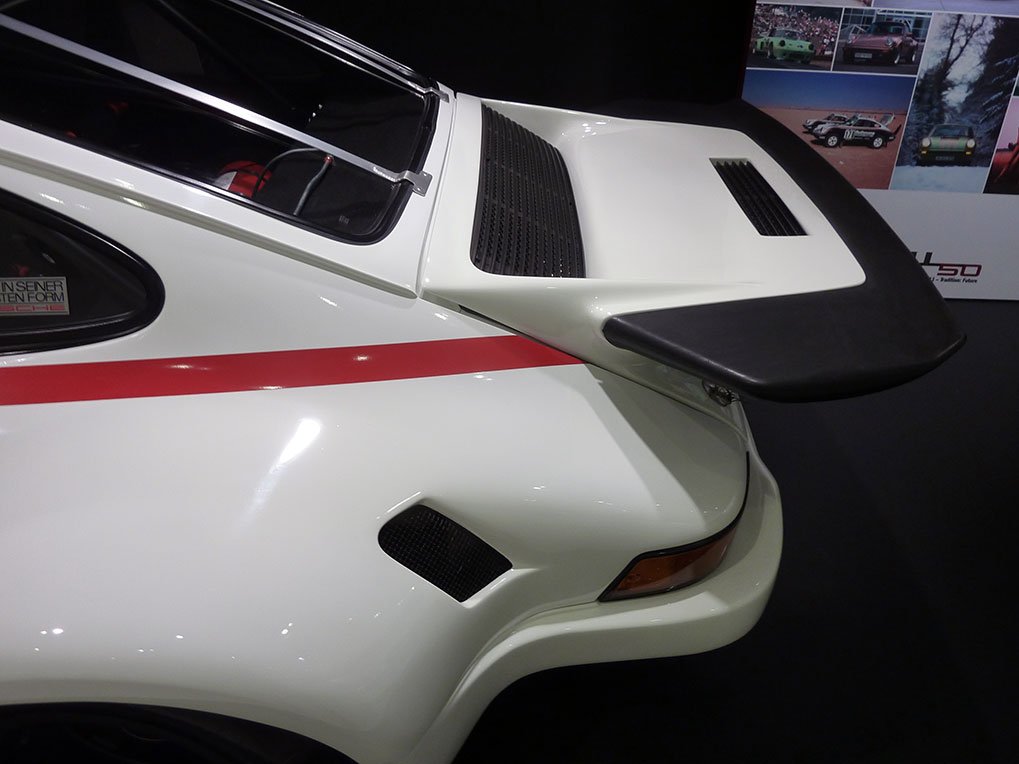
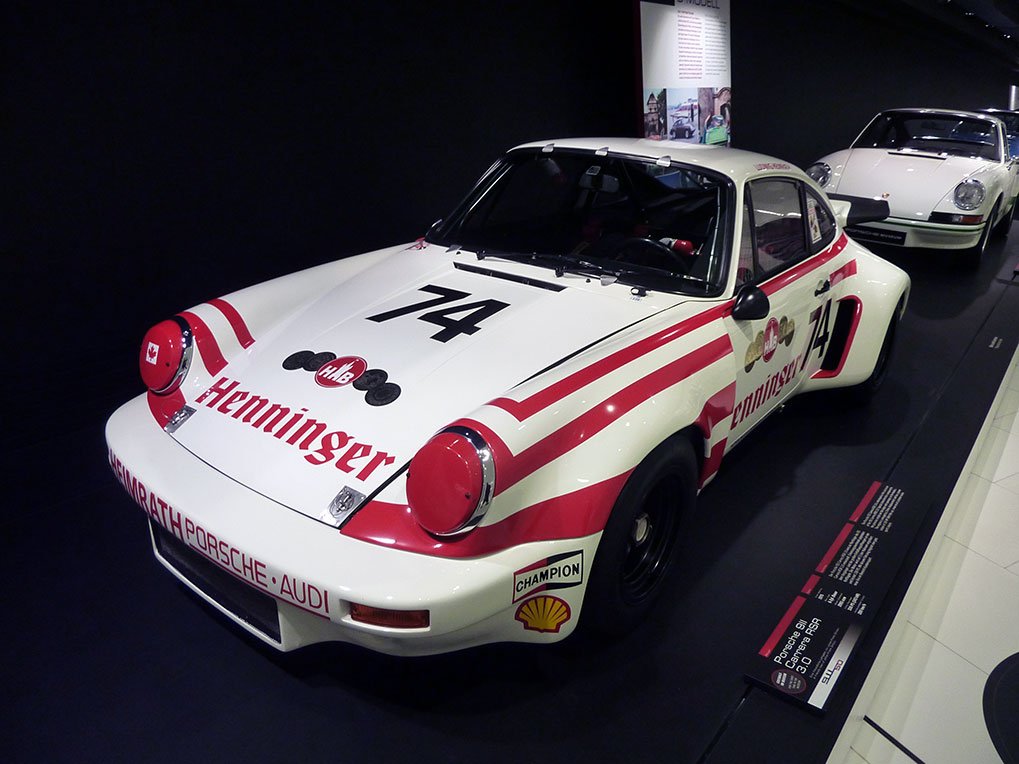
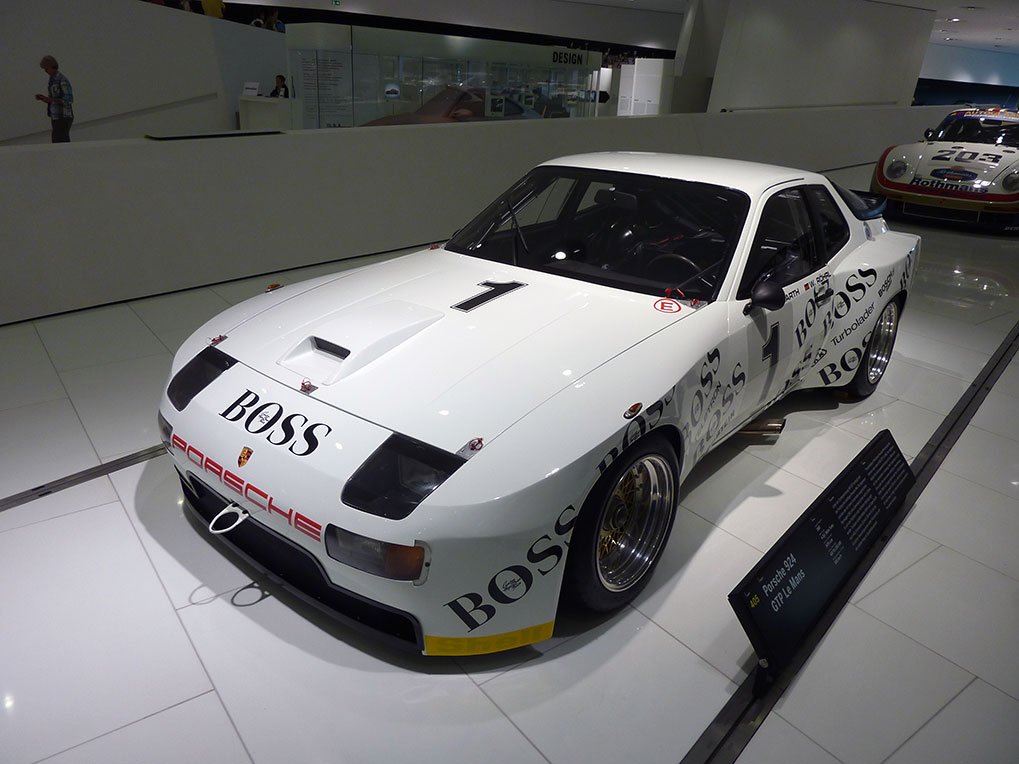
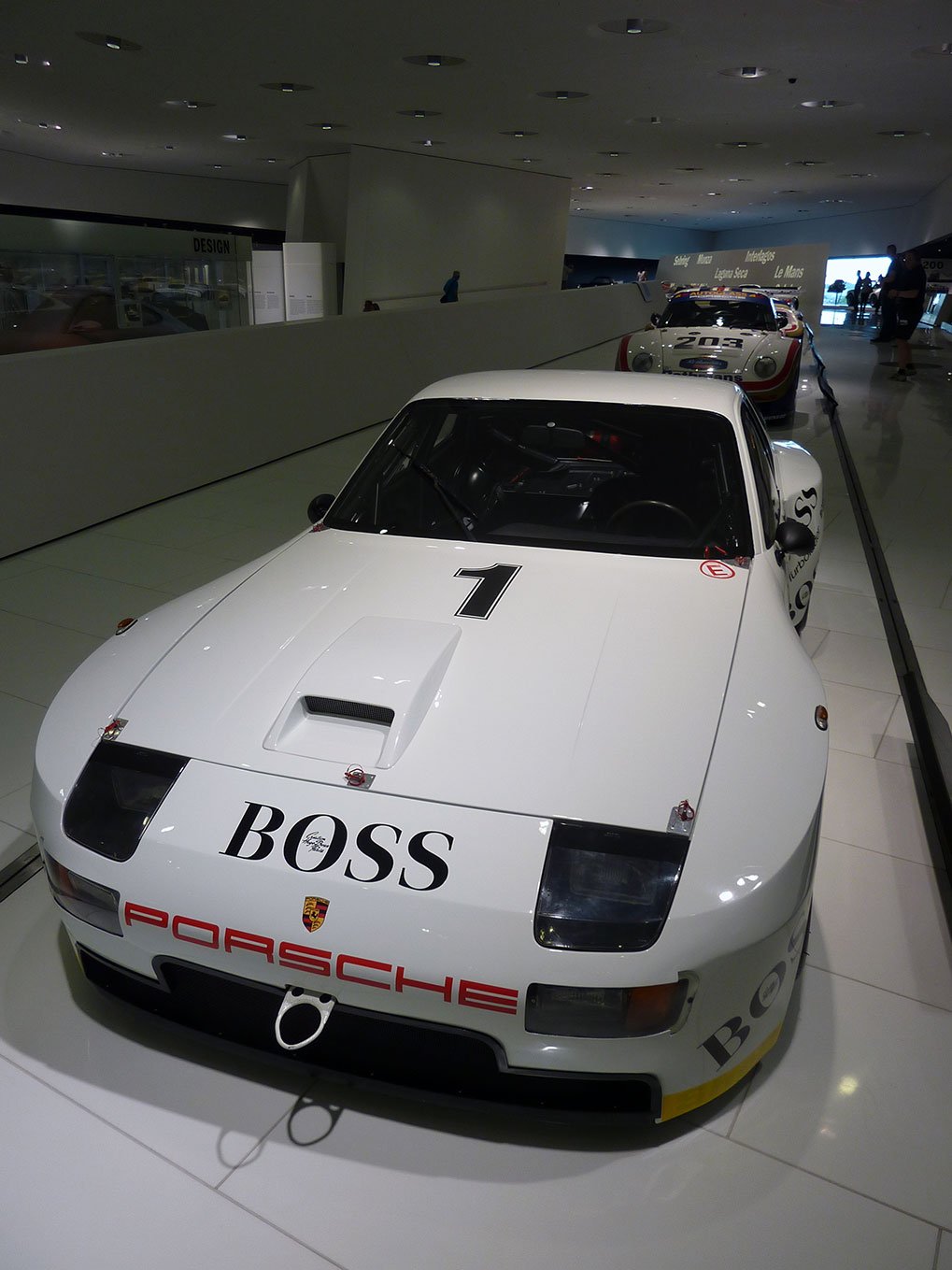
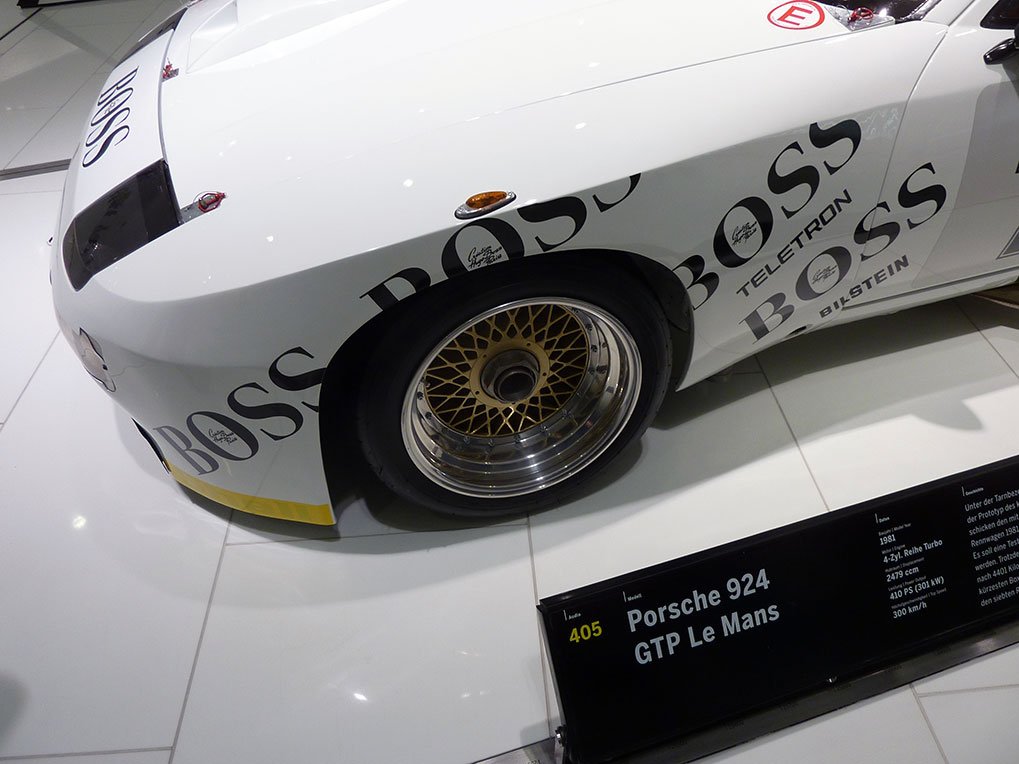
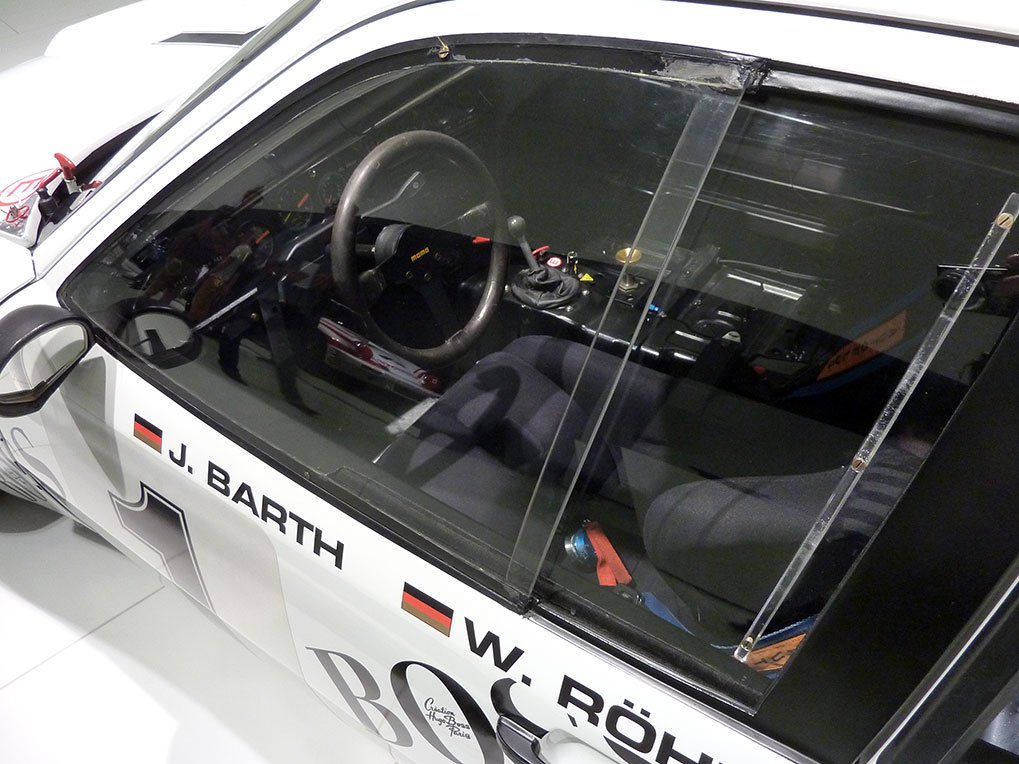
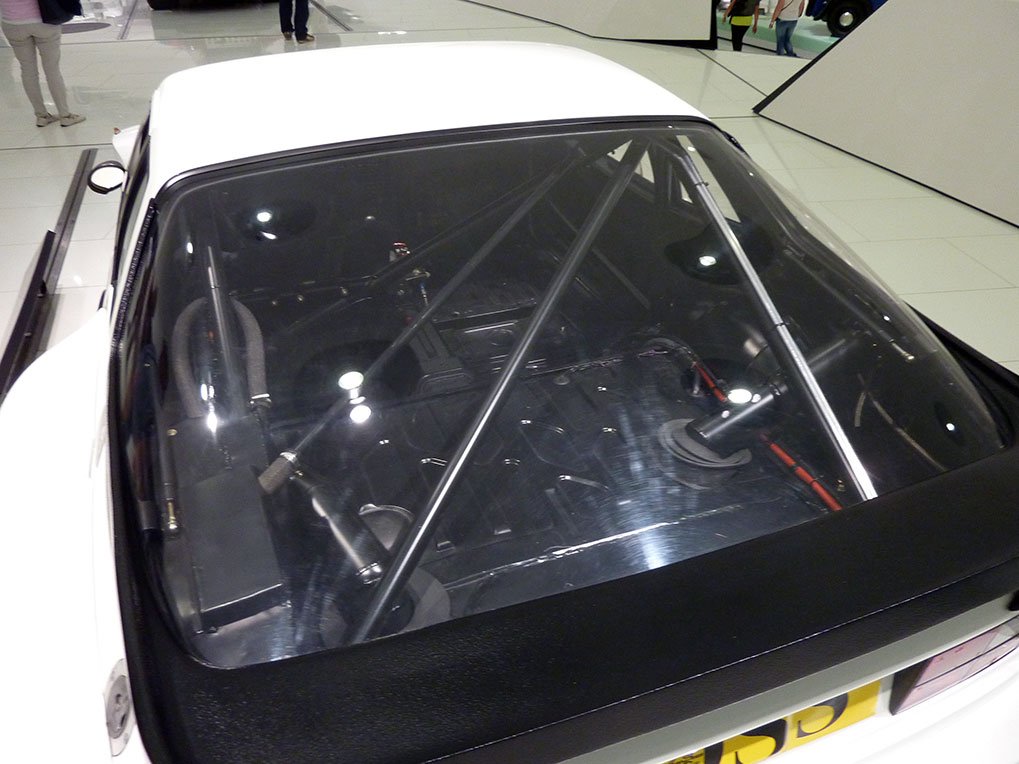
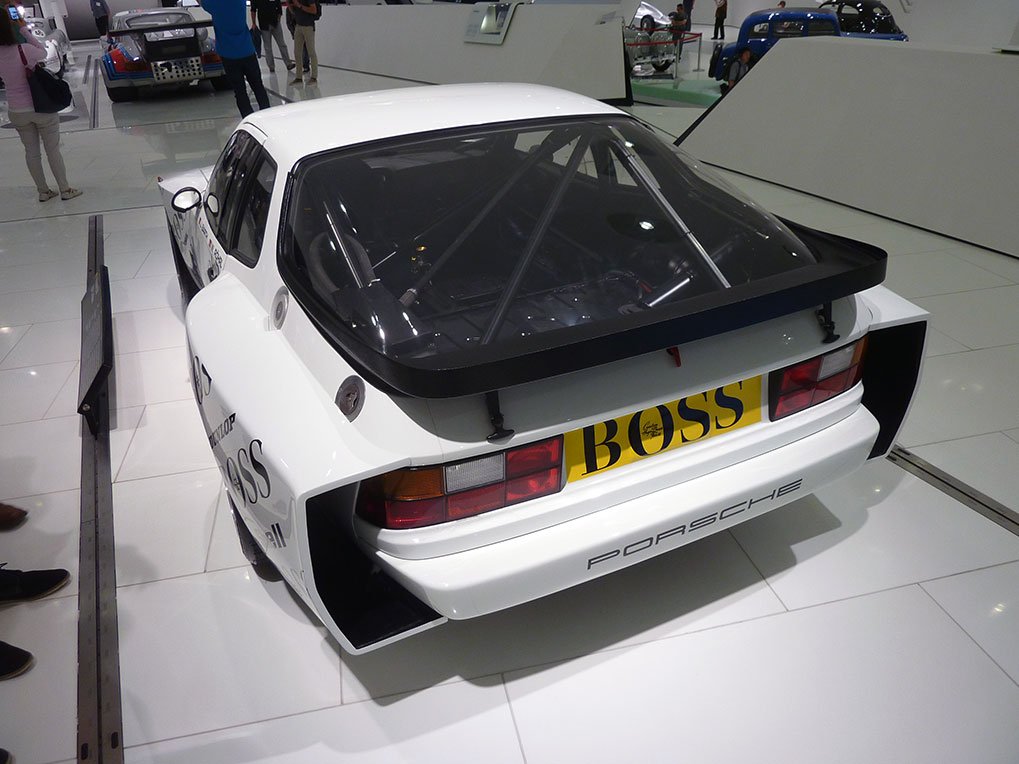
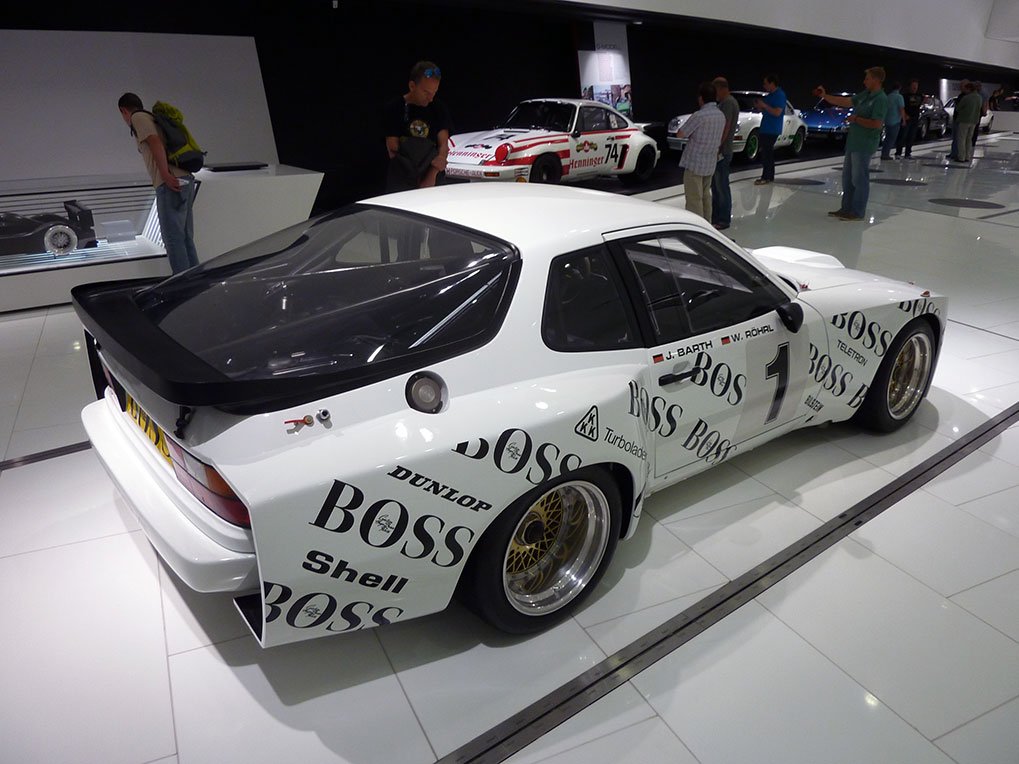
The 1981 Porsche 924 GTP Le Mans was another intriguing machine. Officially, it was a racing prototype, but in internal development terms it was also a clear preview of the future 944.
Turbo Era, Anniversary Cars, and the 964 Generation
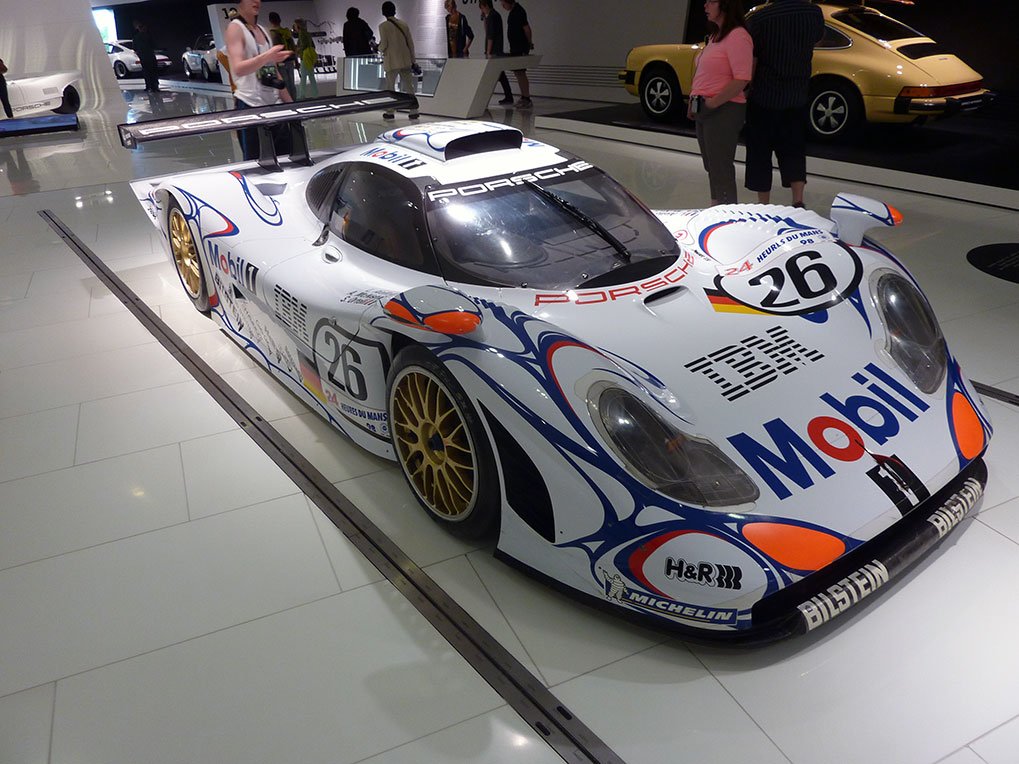
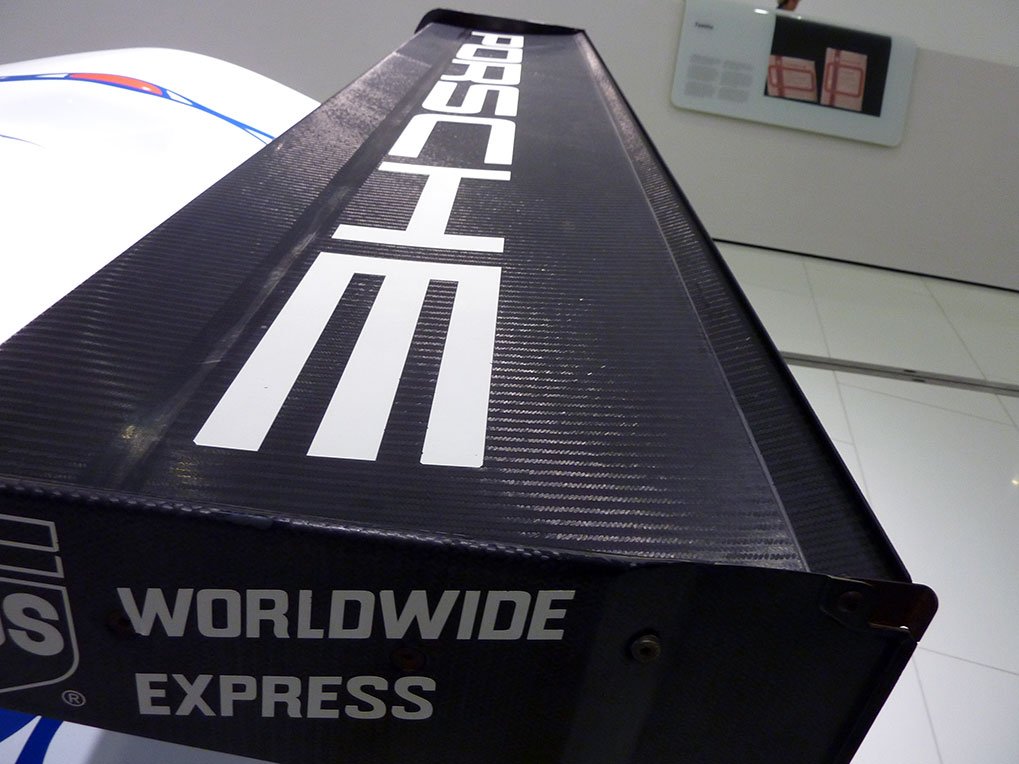
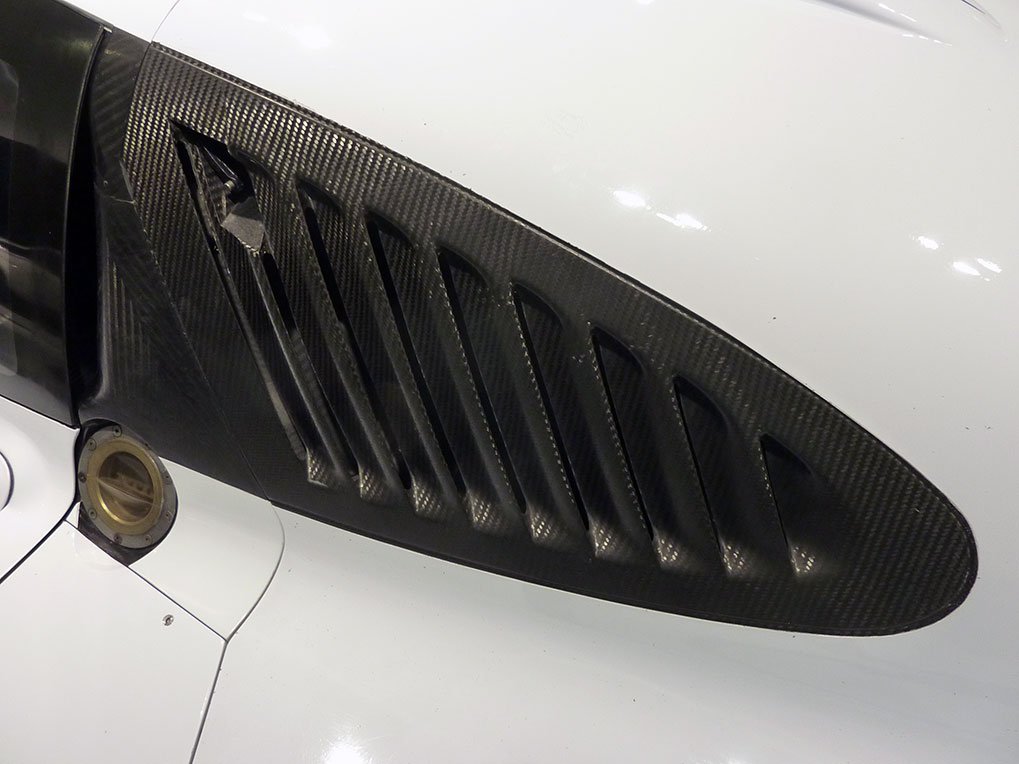
The 1998 Porsche 911 GT1 ’98 represented one of the most dramatic moments in later Porsche racing history. In Porsche’s own 50th anniversary year, the company celebrated a double victory at Le Mans.
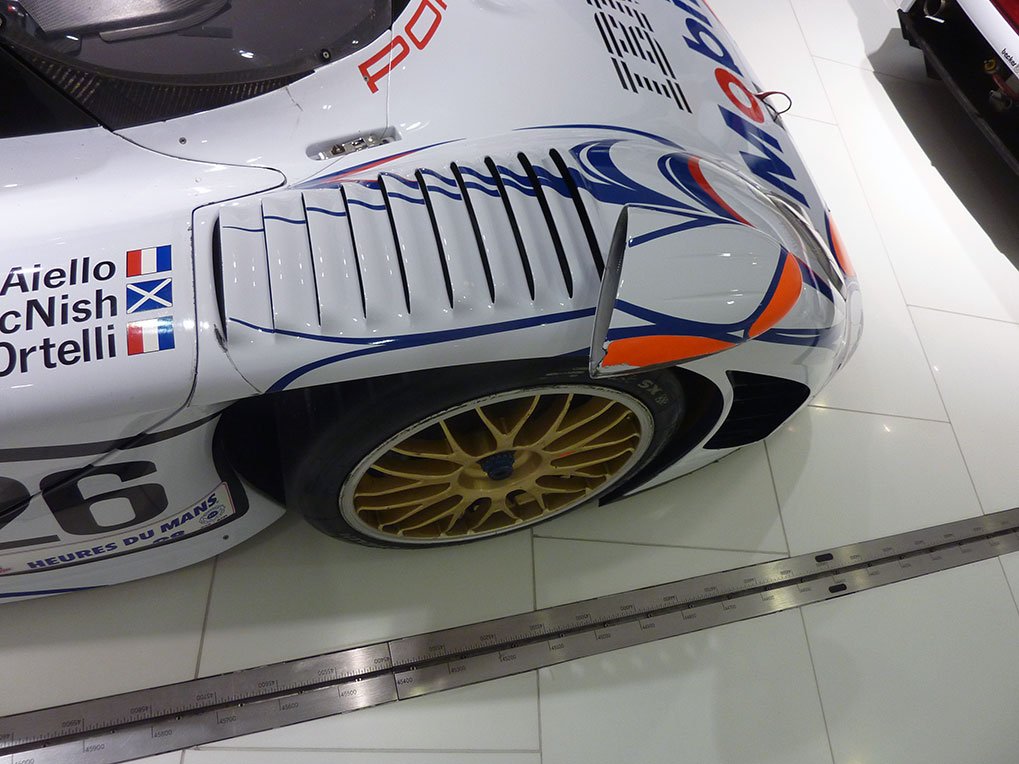
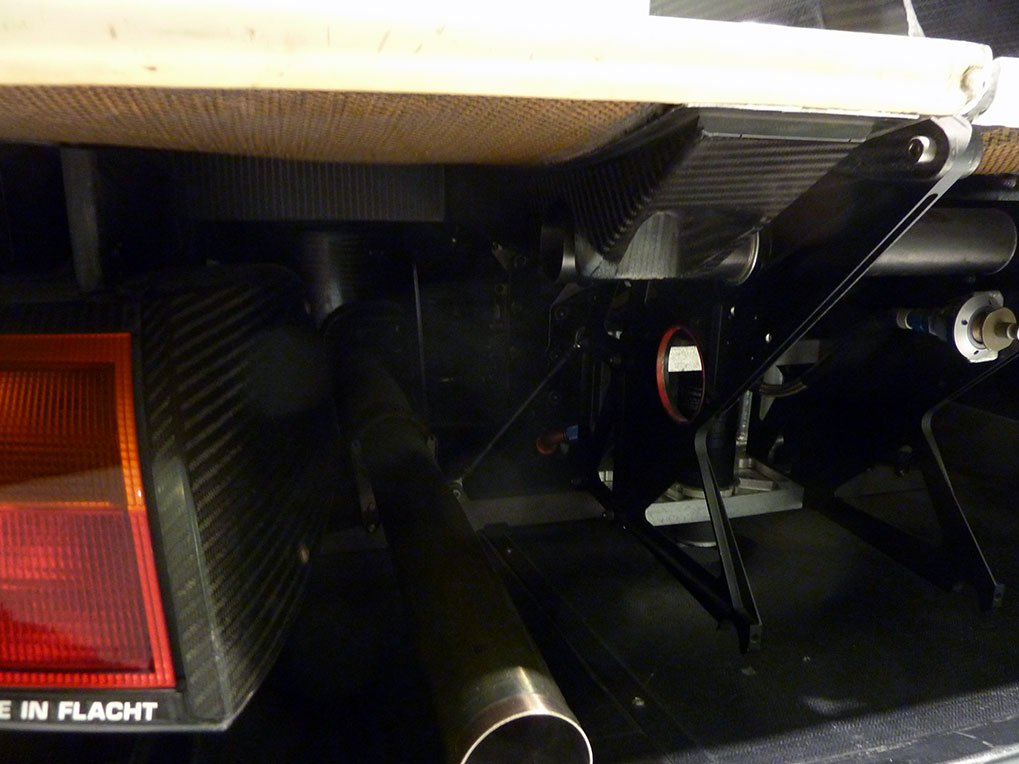
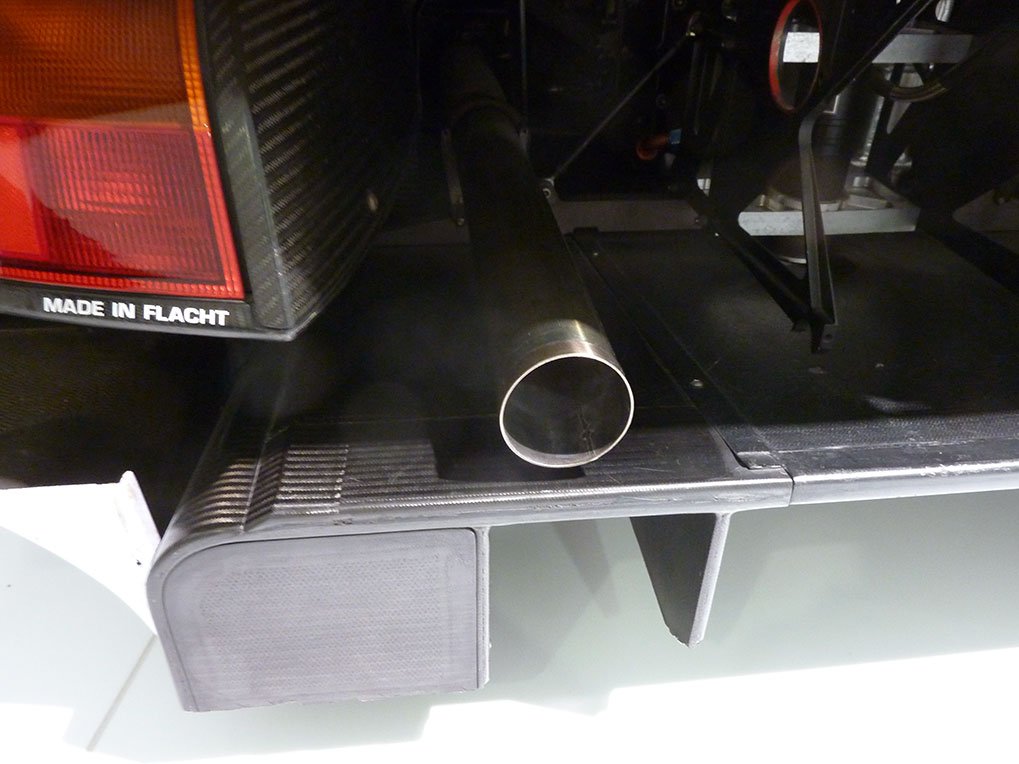
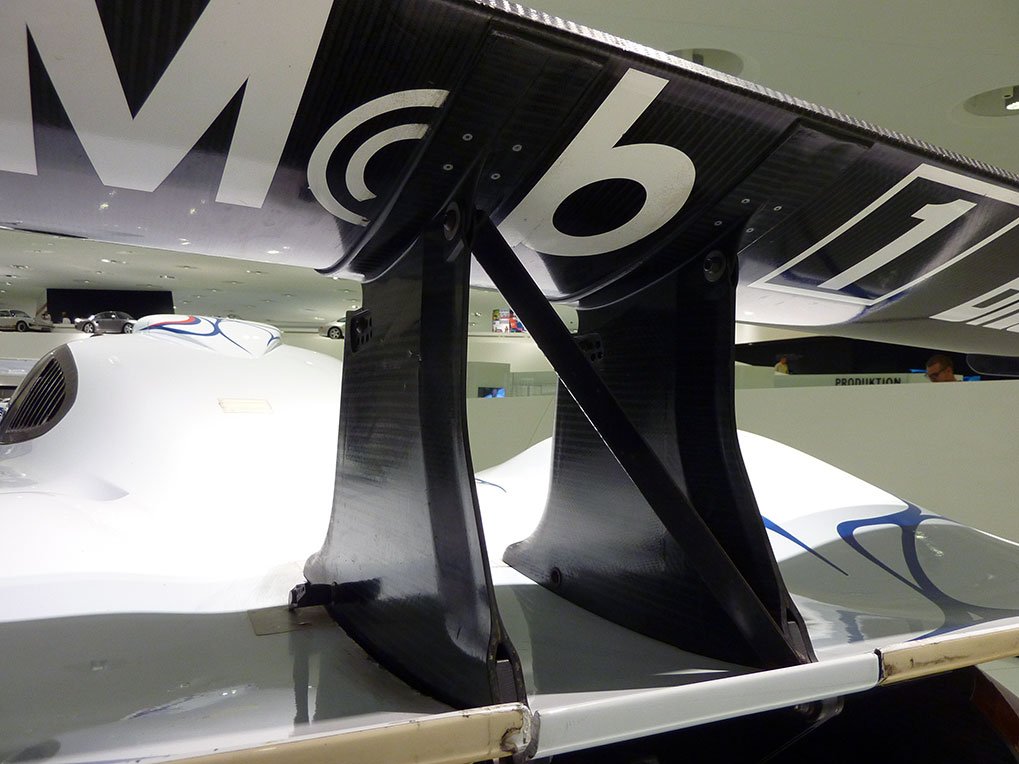
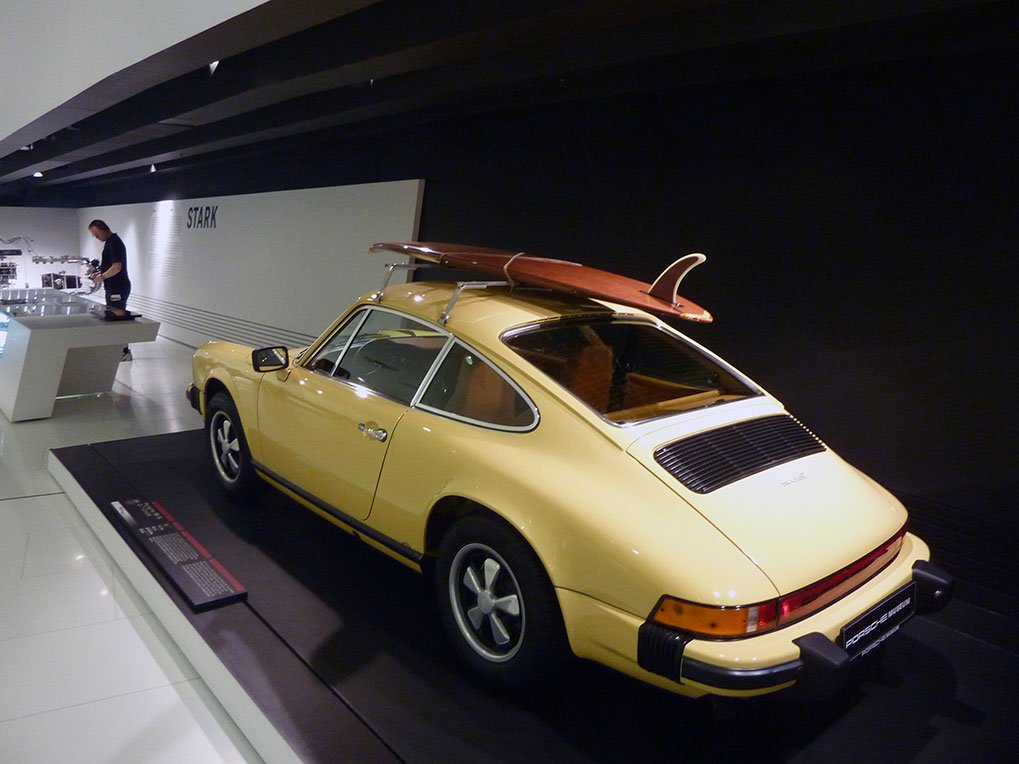
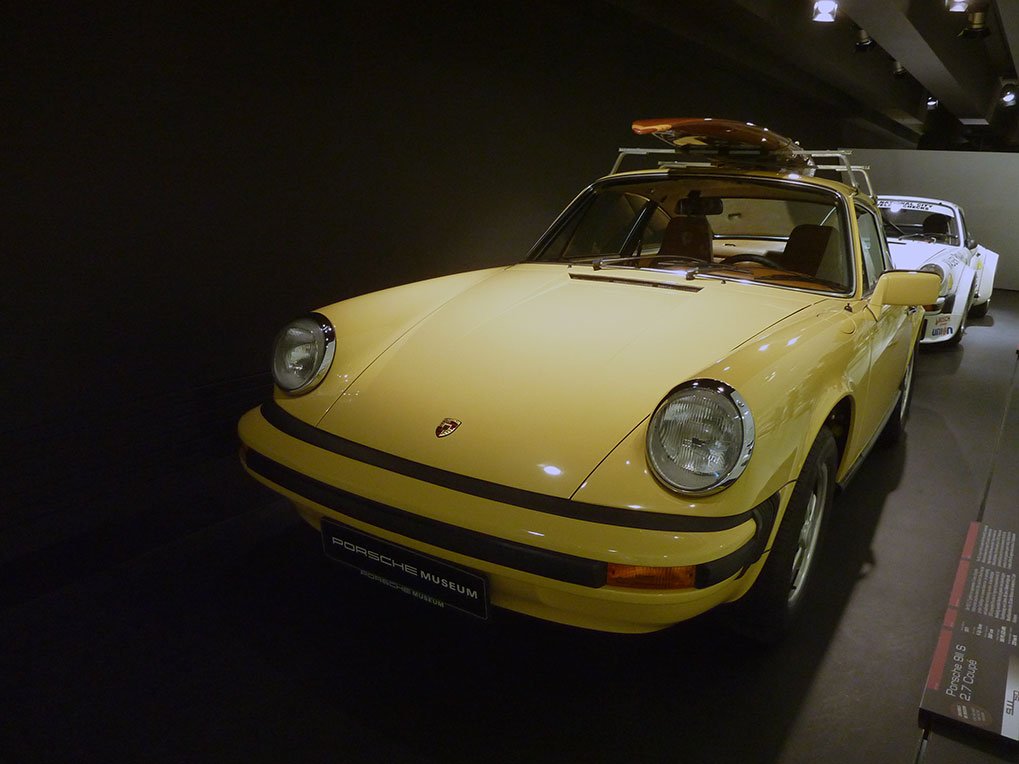
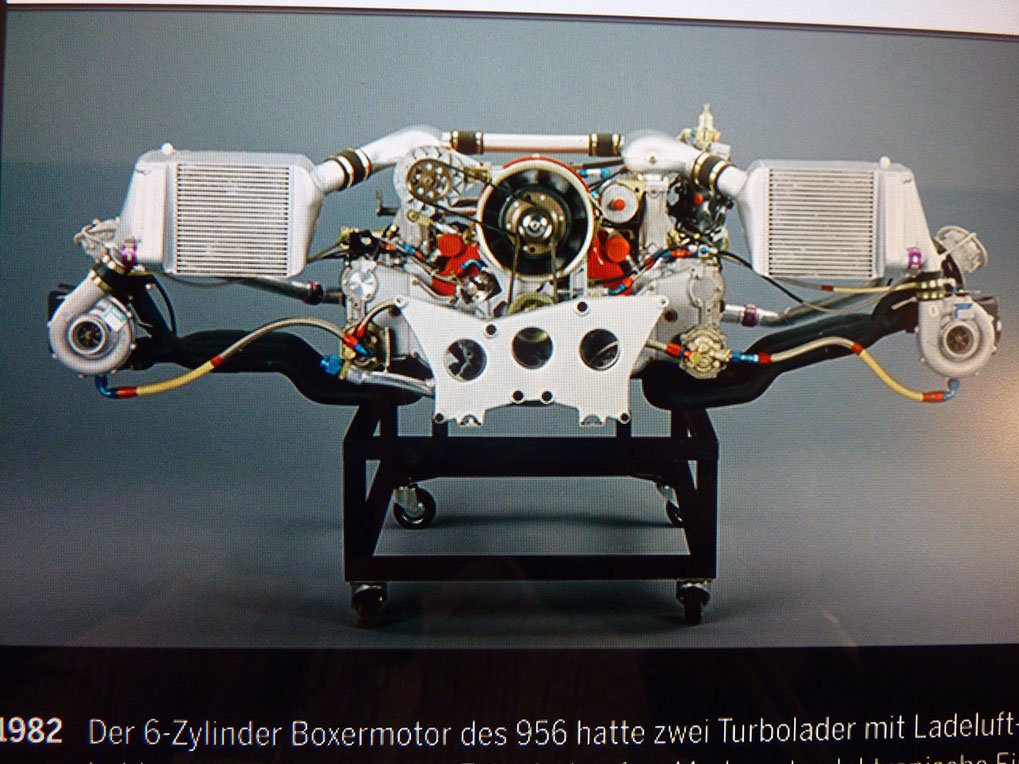
The Porsche 911 S 2.7 Coupe appeared next, followed by one of the era’s defining technical displays: the 1982 six-cylinder boxer with twin turbochargers and intercooling.
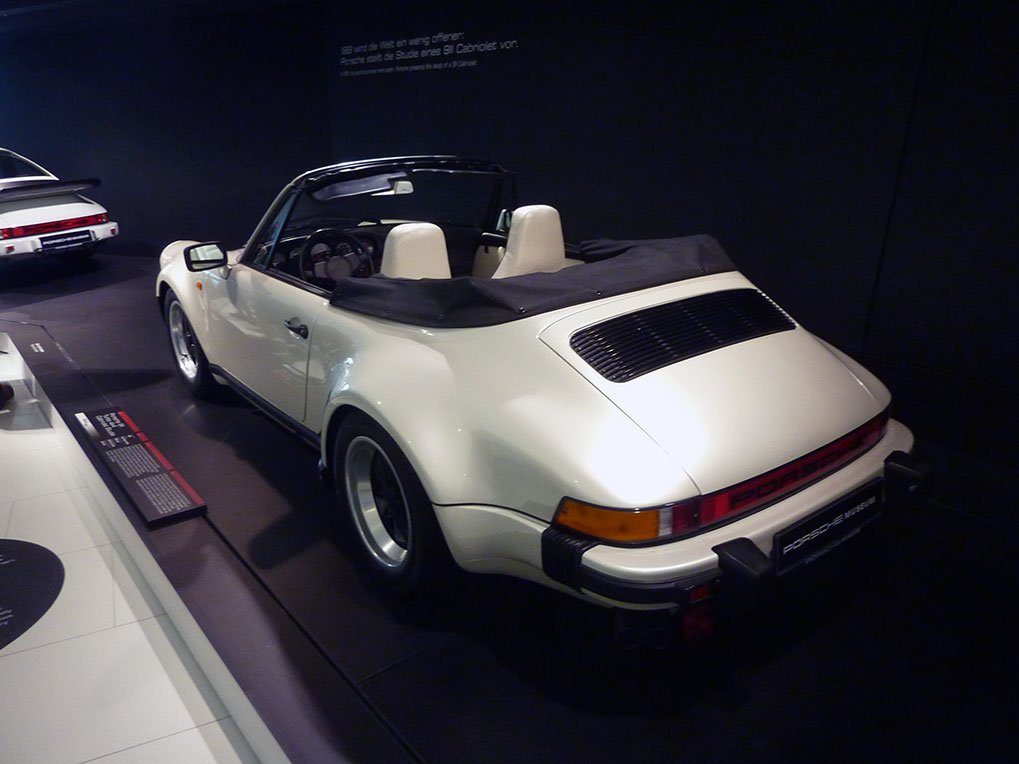
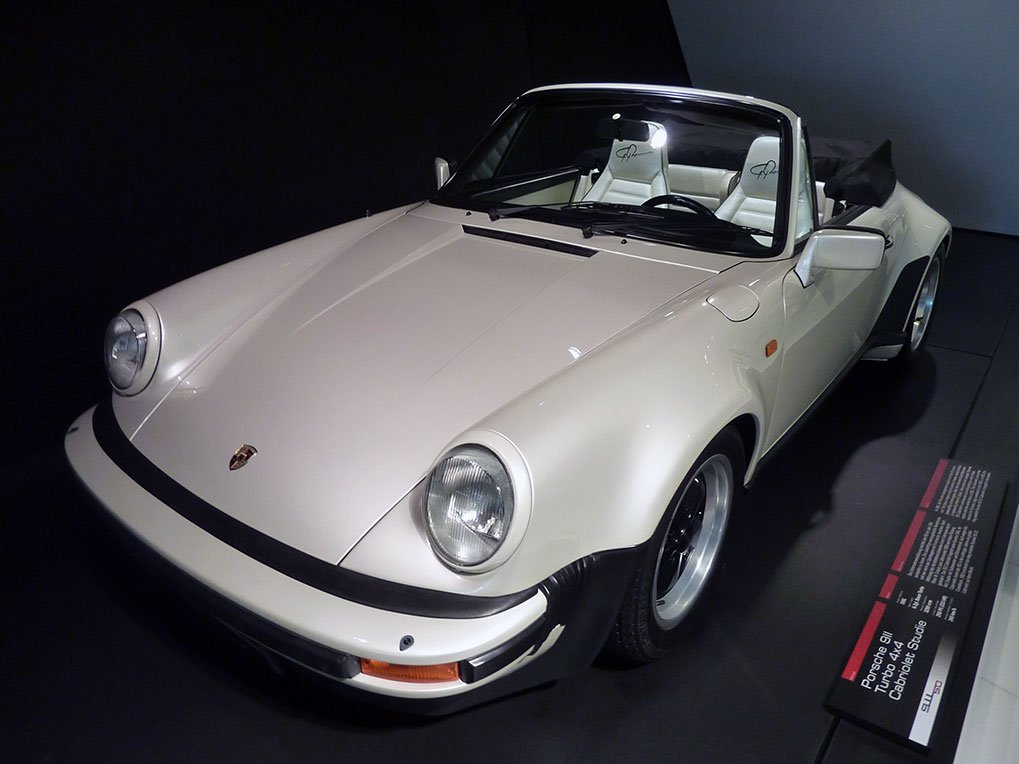
The 1981 Porsche 911 Turbo 4×4 Cabriolet study showed how Porsche was already experimenting beyond the standard formula.
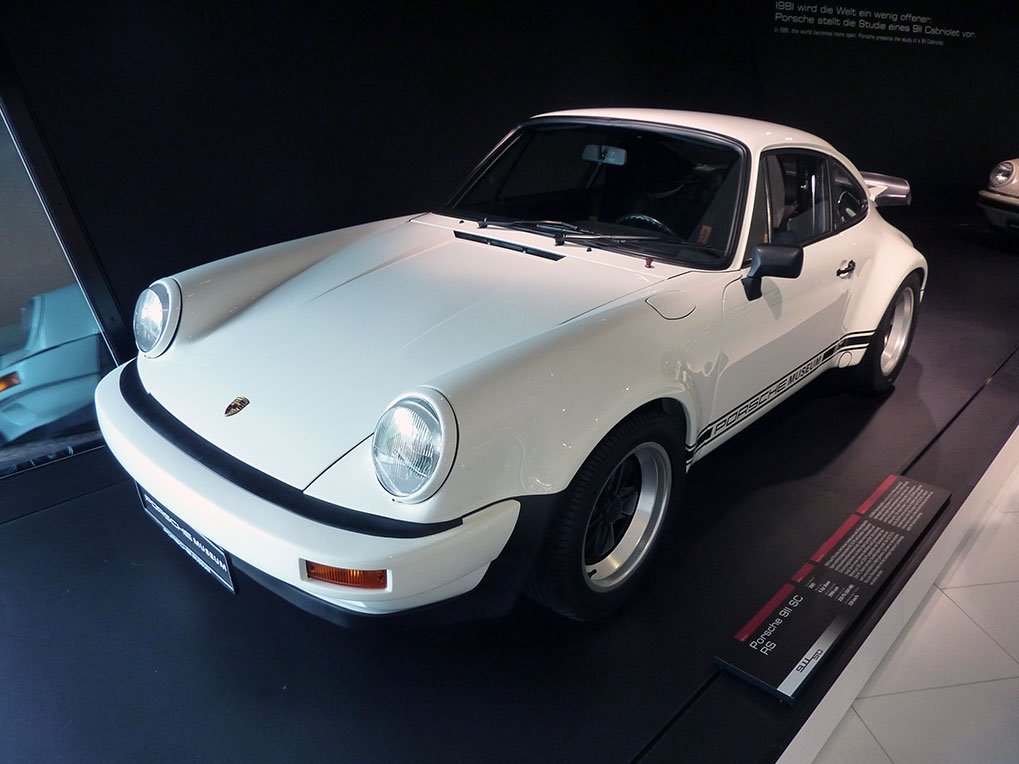
The 1983 Porsche 911 SC RS was another reminder that lightweight, purpose-built 911 variants have always been part of the model’s deeper identity.
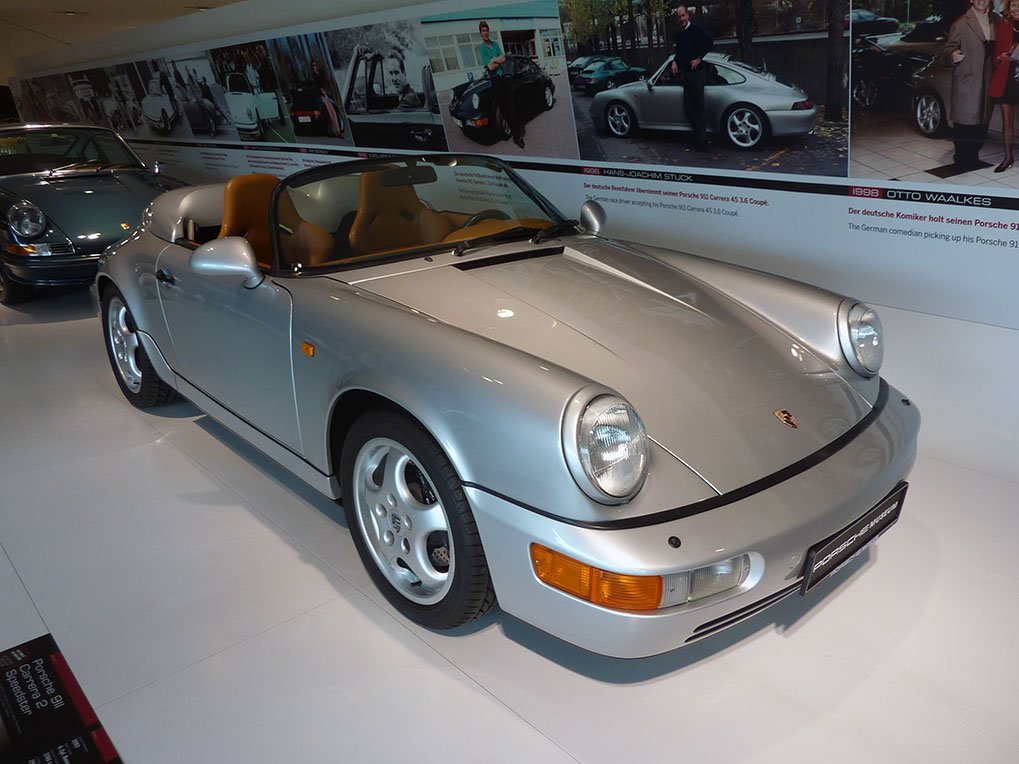
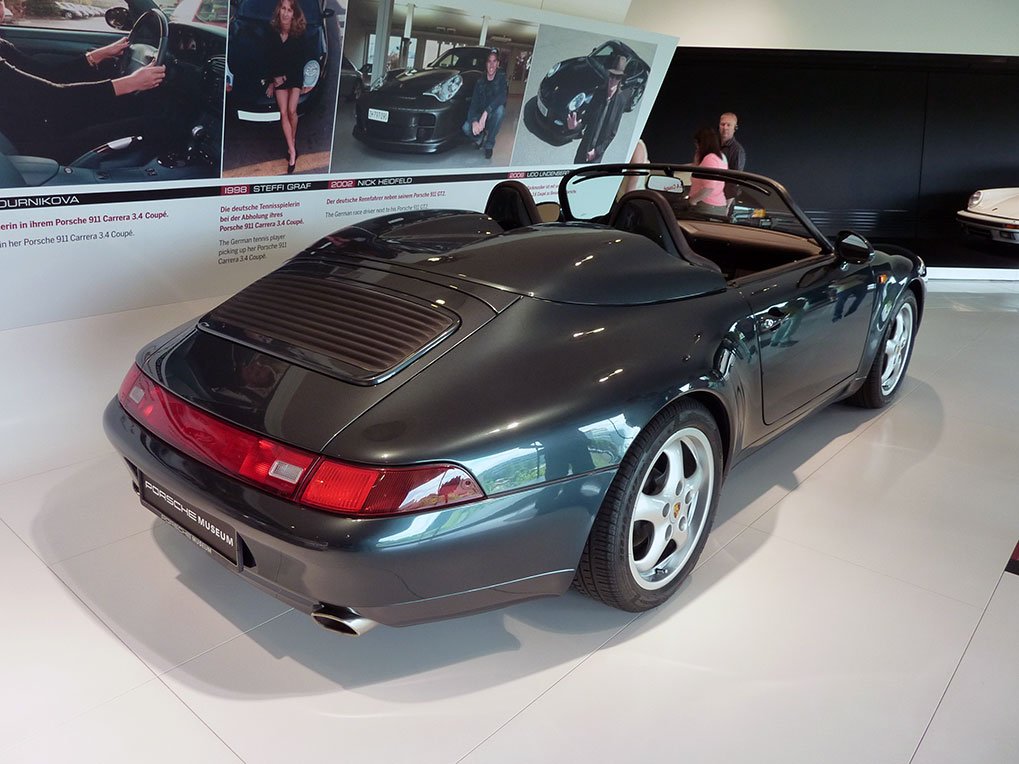
Speedster variants also had their place in the display, including the Porsche 911 Carrera 3.6 Speedster.
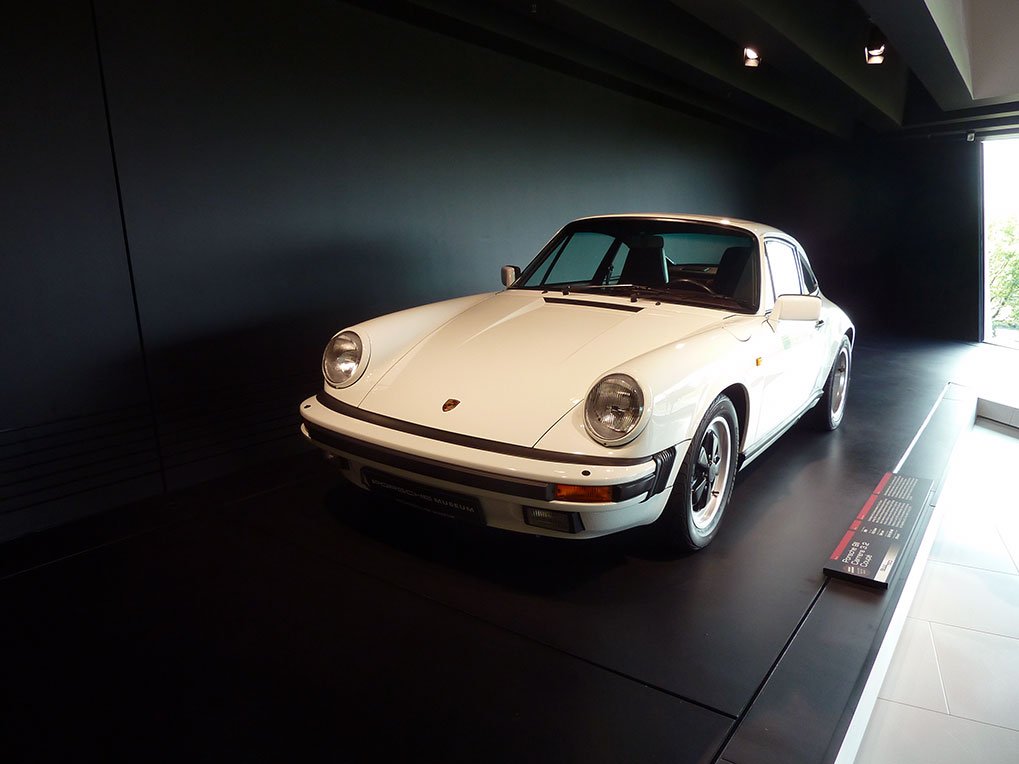
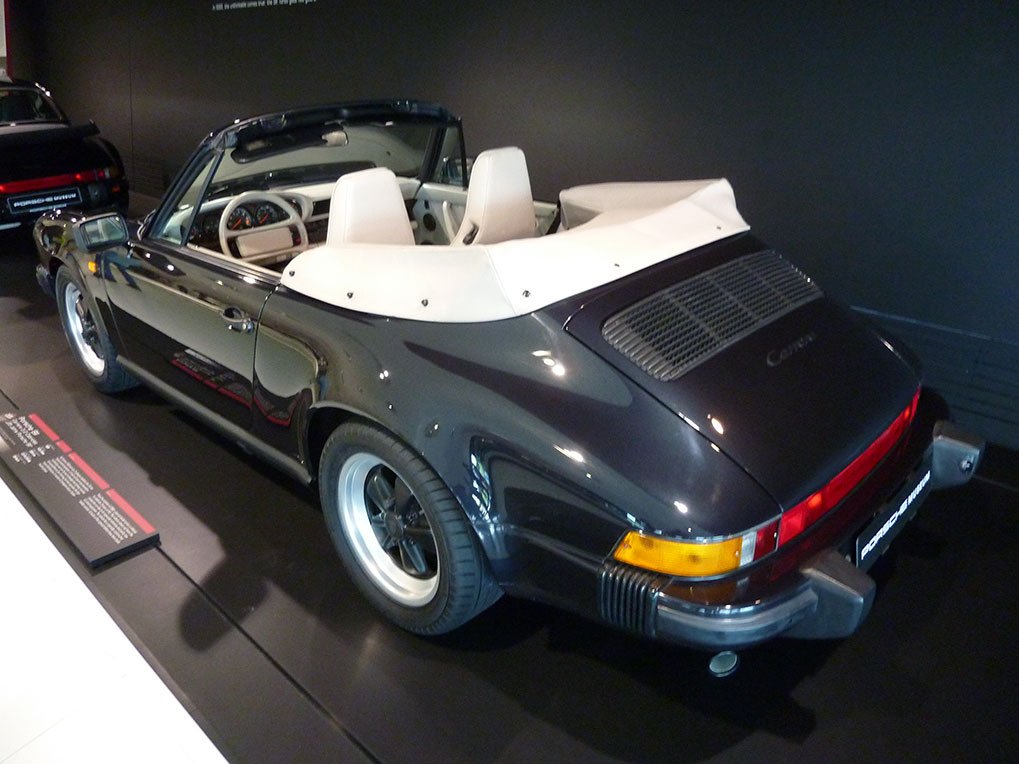
The 1988 Porsche 911 Carrera 3.2 Coupe illustrated one of those market-driven details that often define an era. Its bumpers reflected U.S. regulations introduced in 1974, requiring a car to remain undamaged in impacts up to 5 mph.
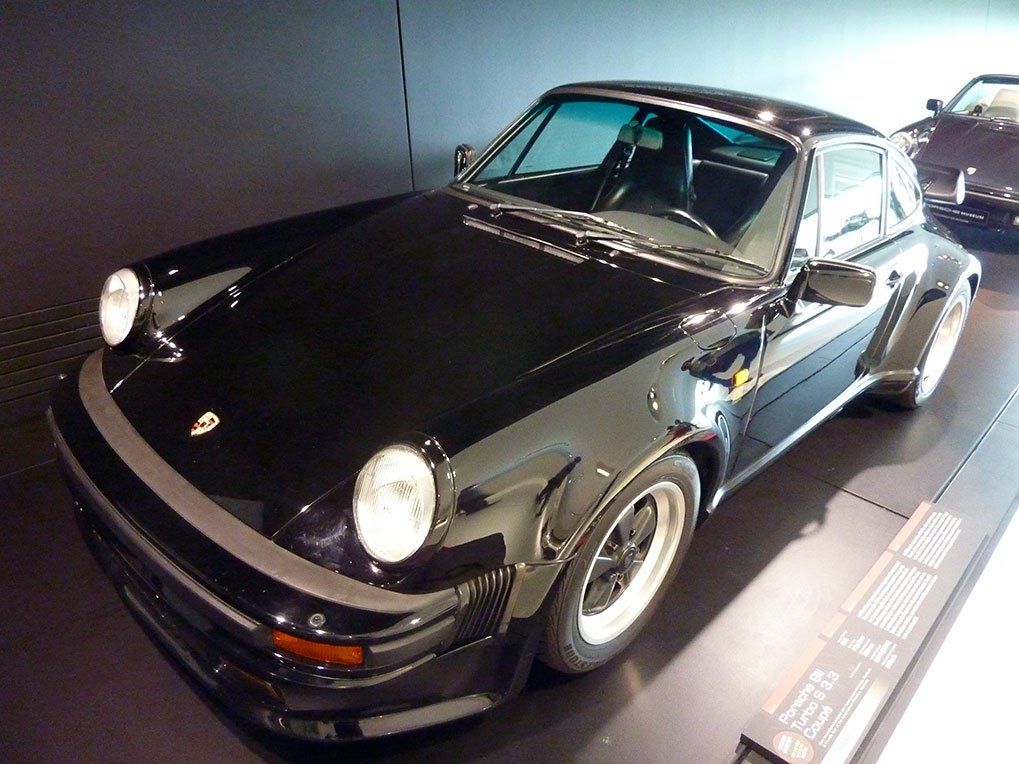
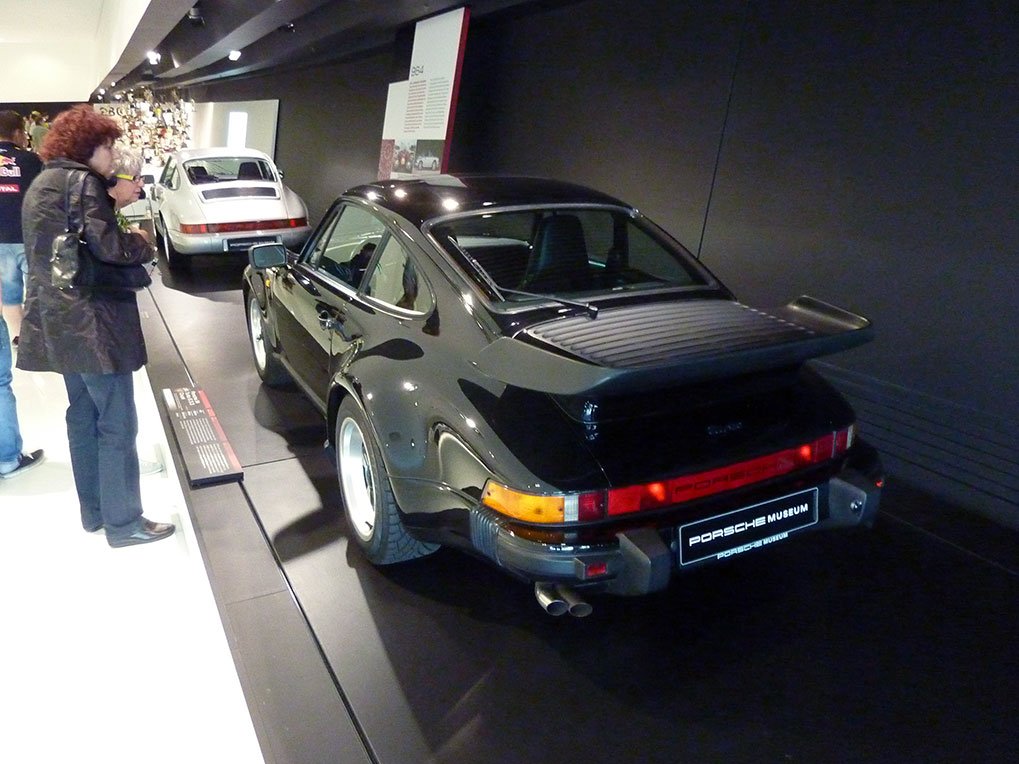
A special 25 Years of 911 edition followed, then the 911 Turbo S 3.3 Coupe.
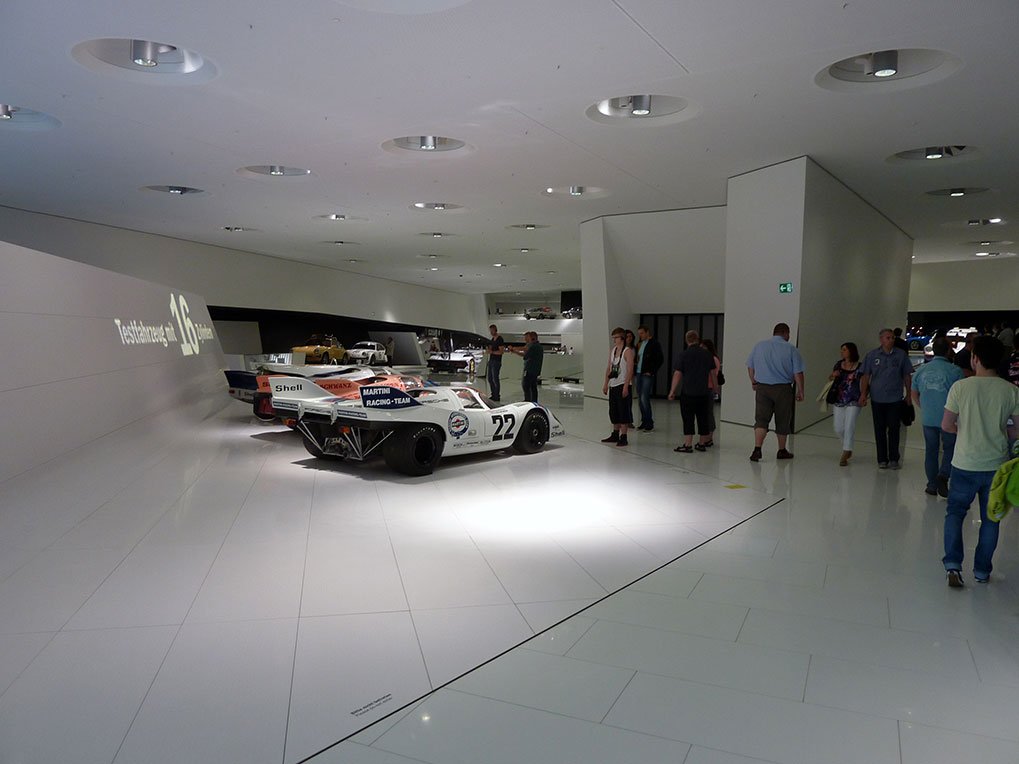
The hall dedicated to the 917 remained untouched by the anniversary reshuffle.
Then came the 1988 Porsche 911 Carrera 4 Coupe, the model that launched the 964 generation. Porsche stated that roughly 85 percent of the car consisted of new components.
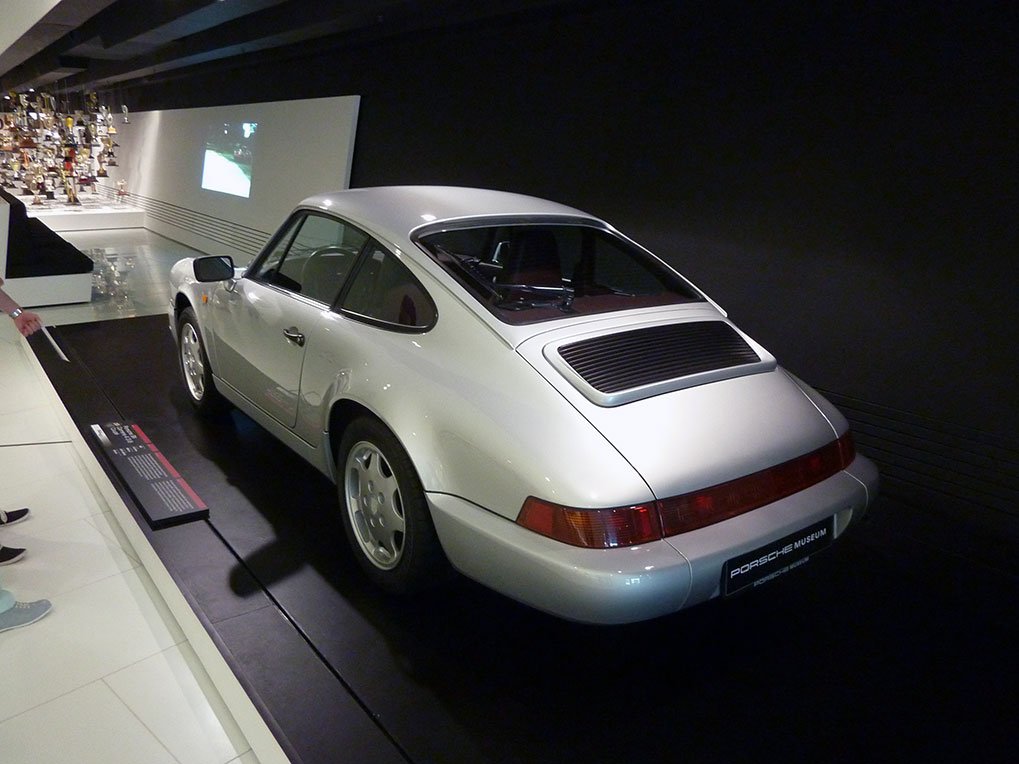
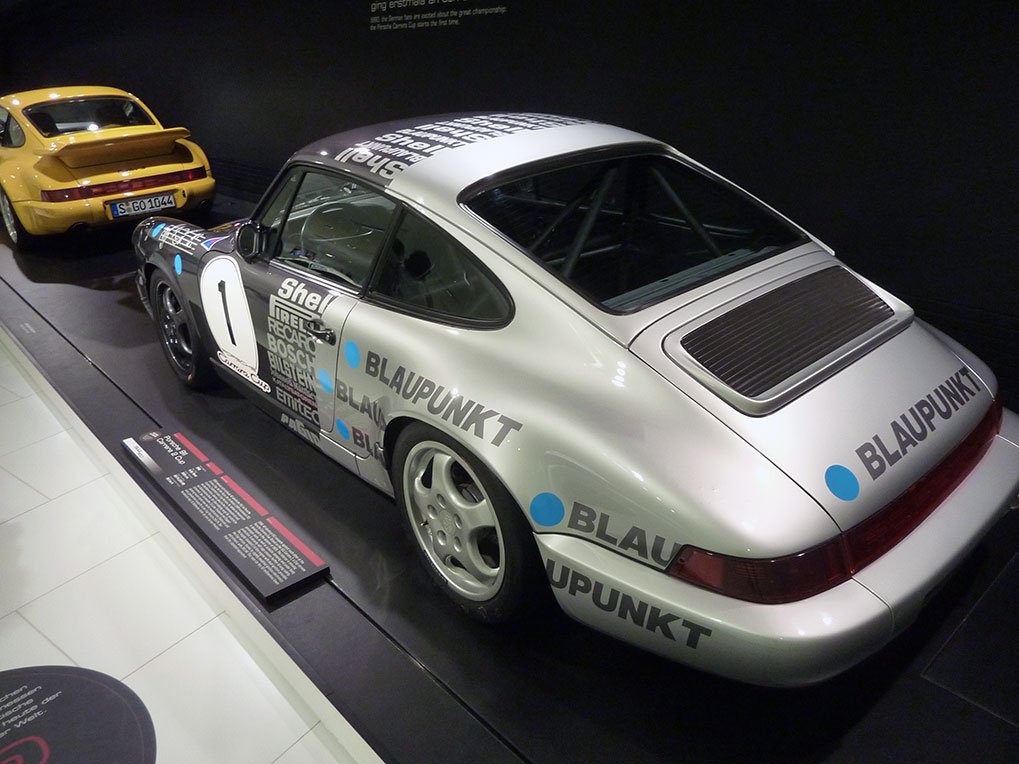
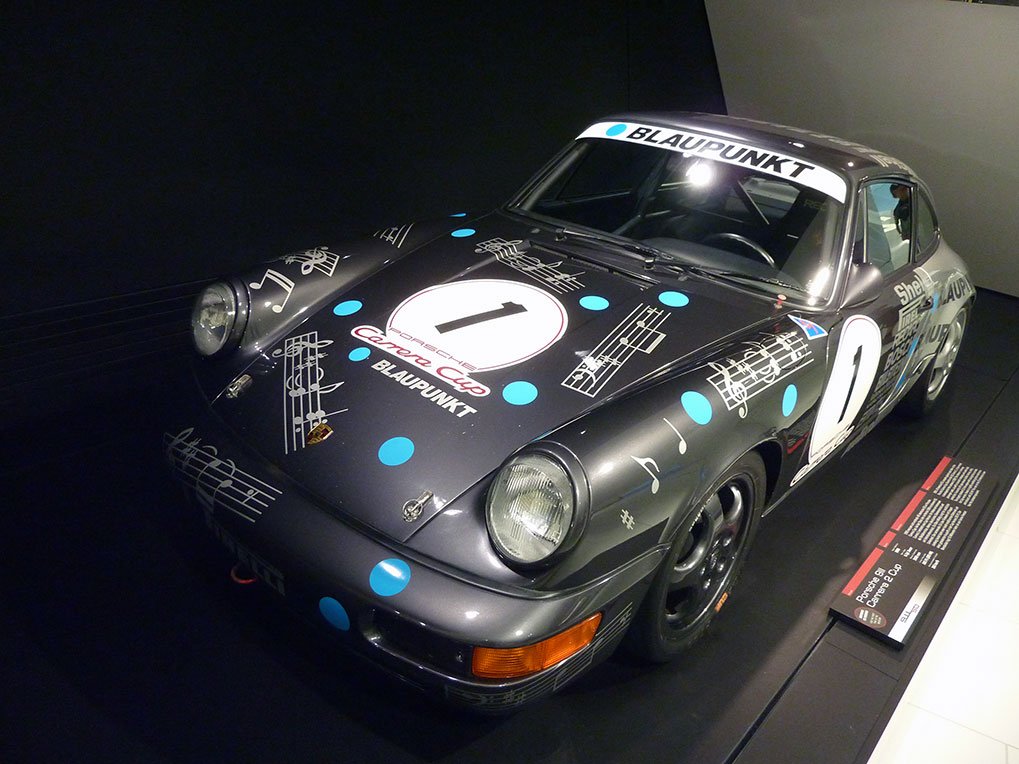
The 1992 Porsche 911 Turbo S showed how serious the lightweight Turbo idea had become. Only 86 were built, and the car weighed just 1,290 kg, substantially less than the already fast standard Turbo.
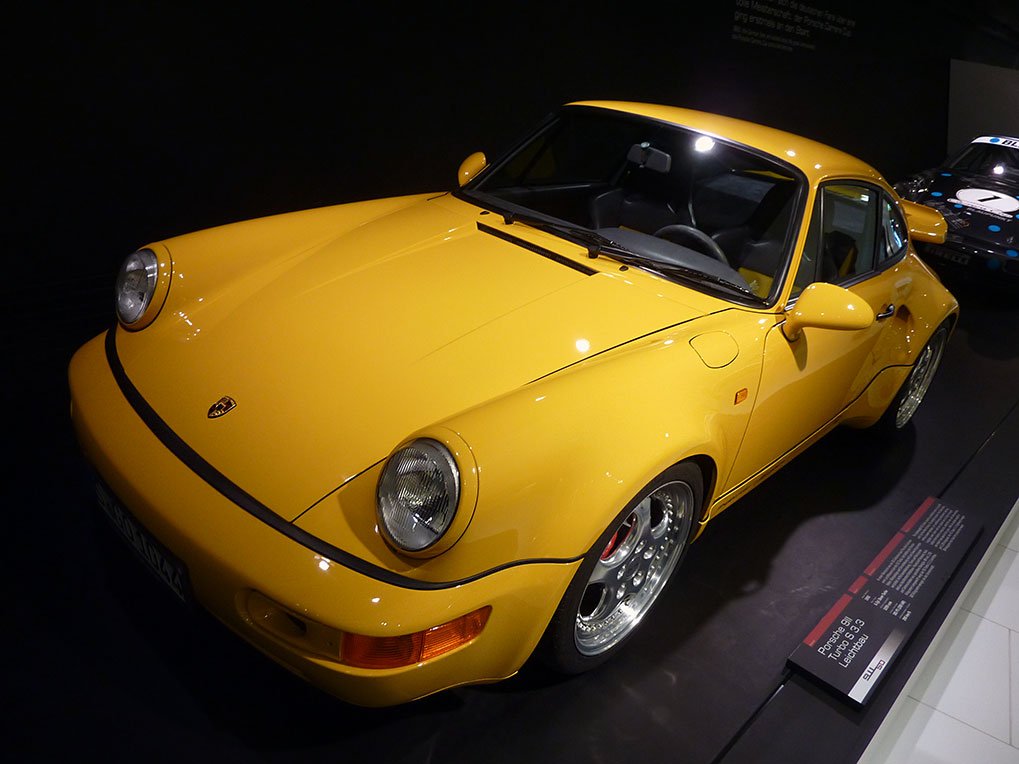
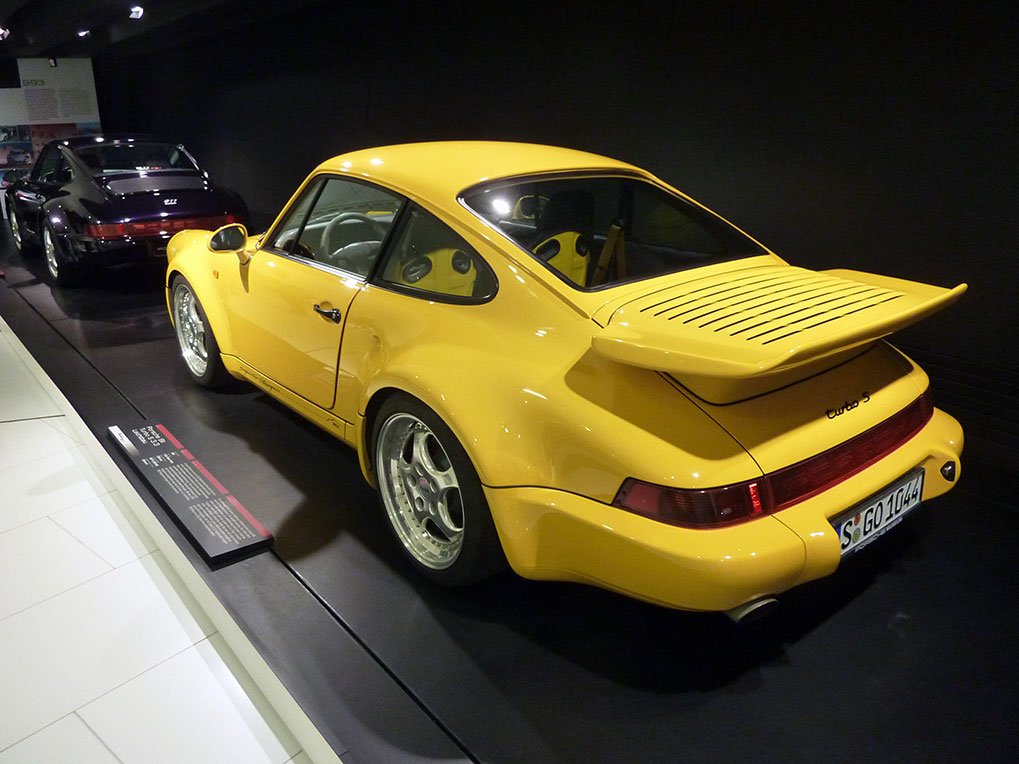
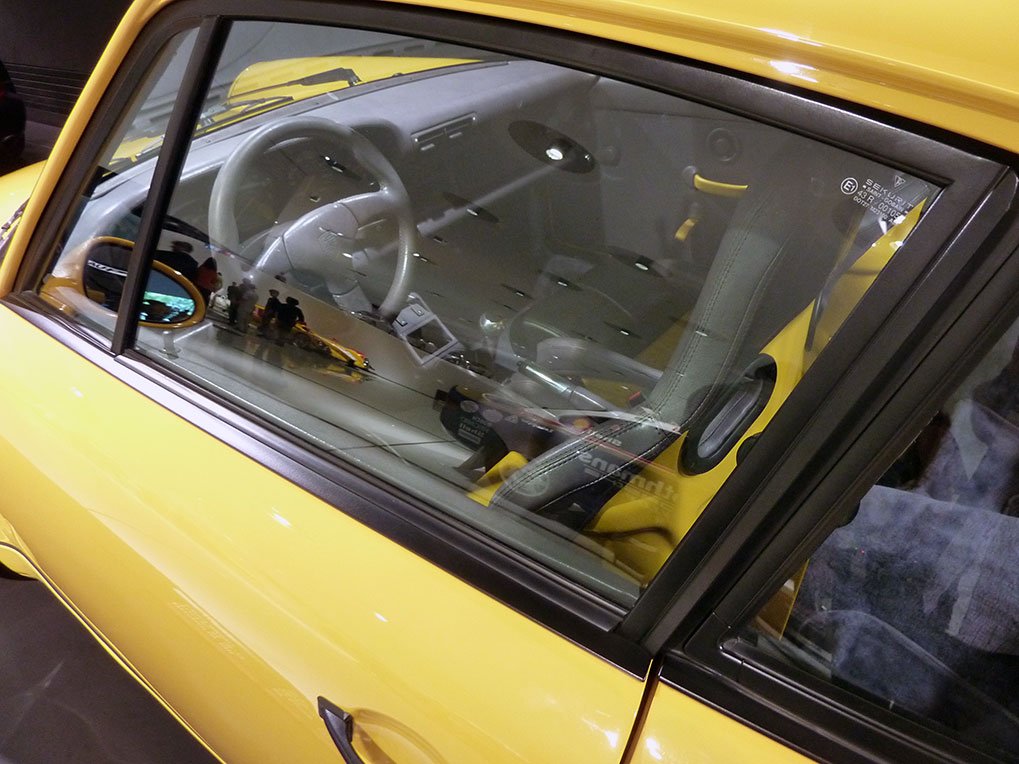
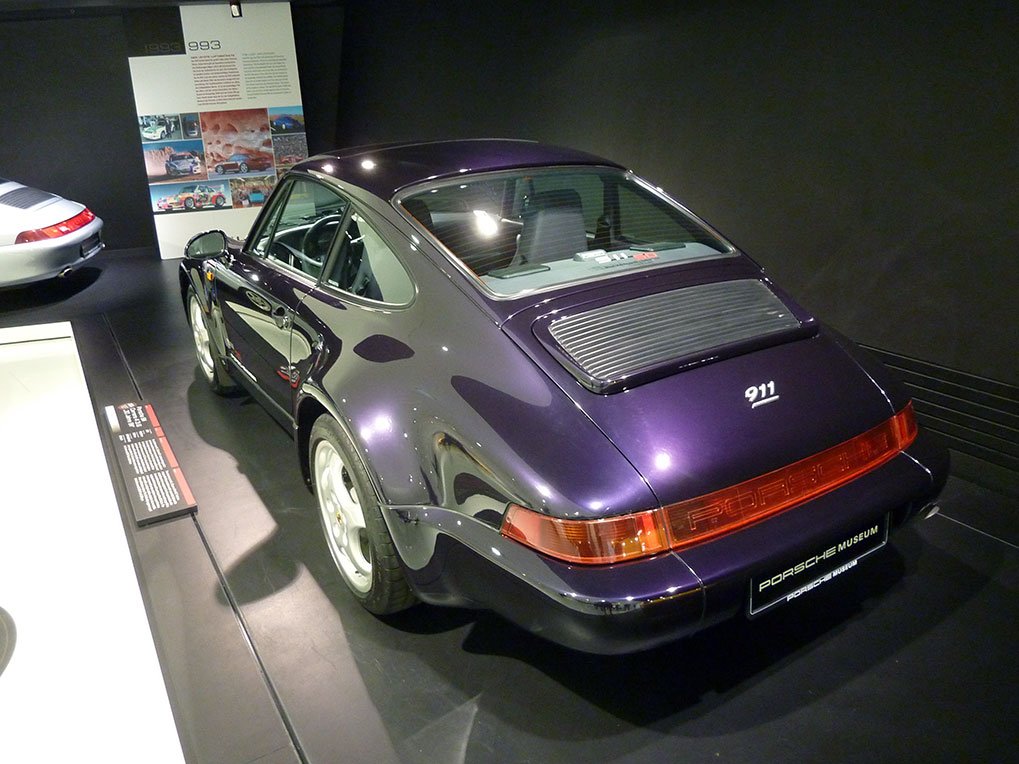
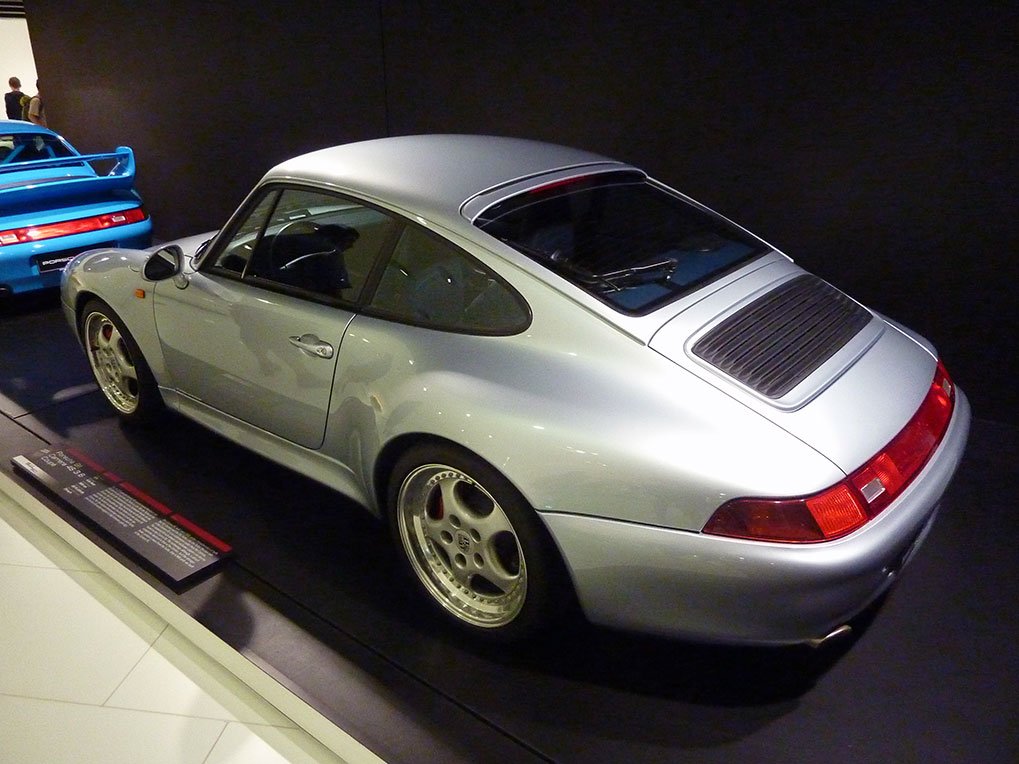
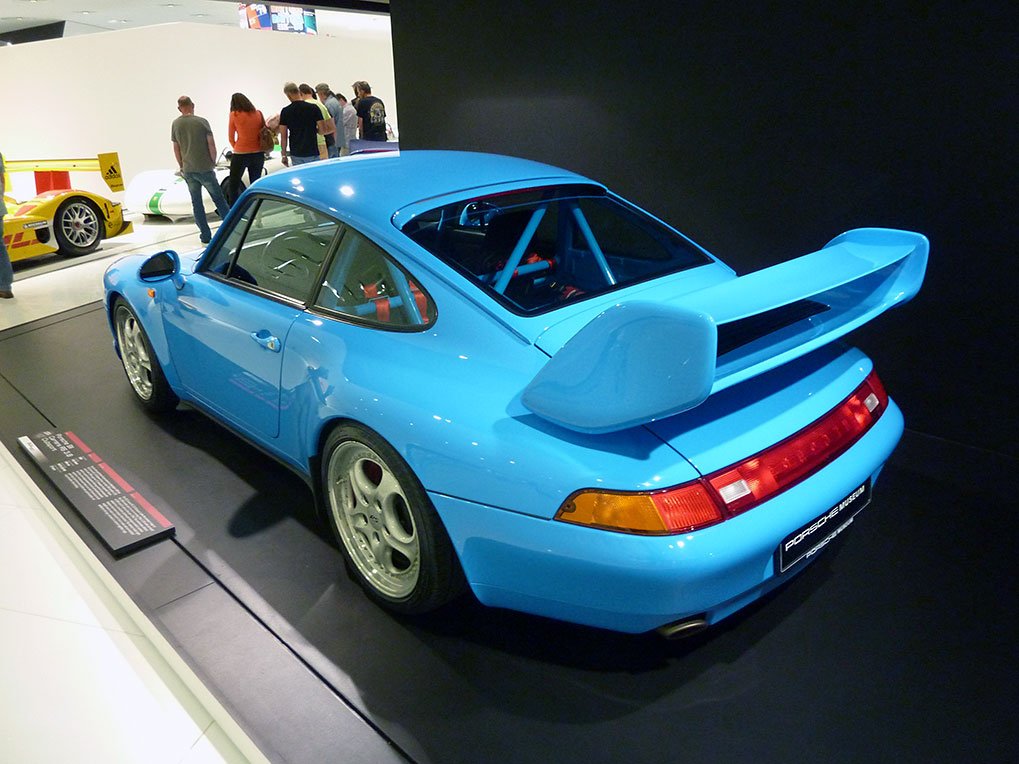
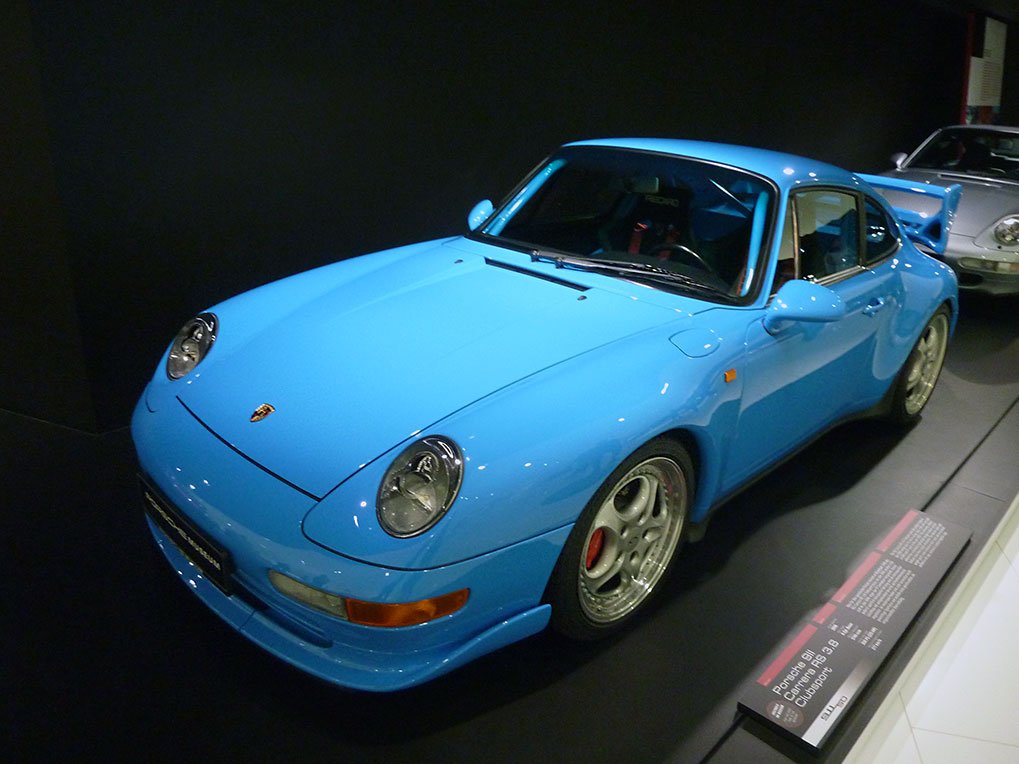
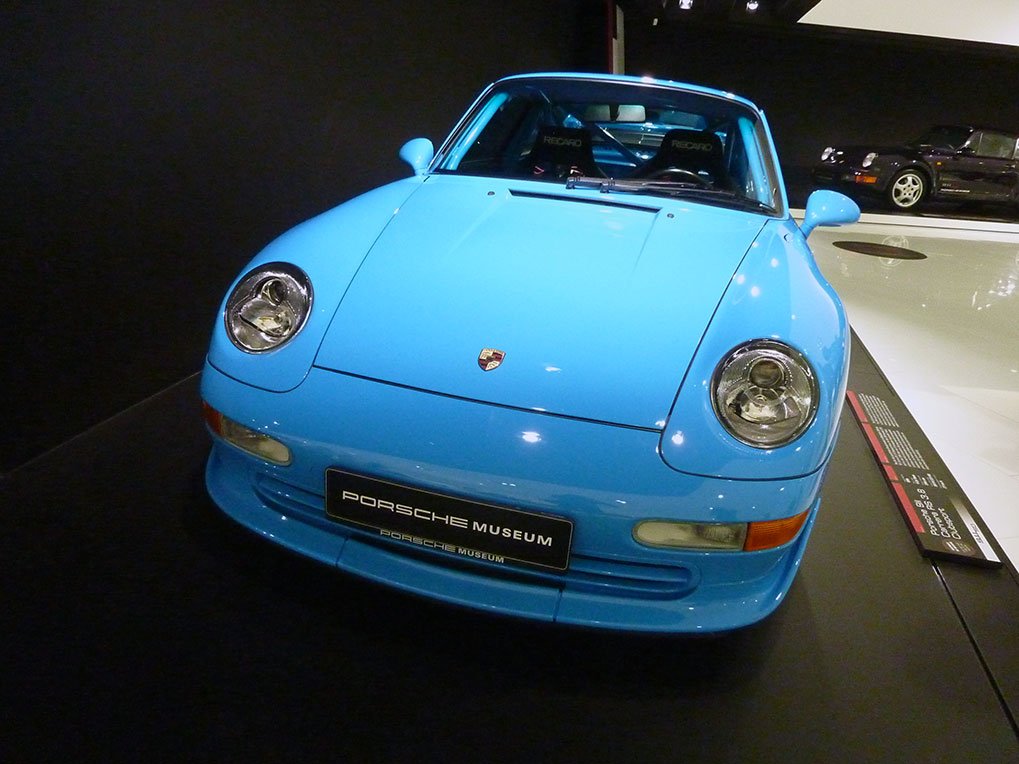
The exhibition also included the 30 Years of 911 edition, the standard Carrera 4 3.6, and the Carrera RS 3.8 Clubsport.
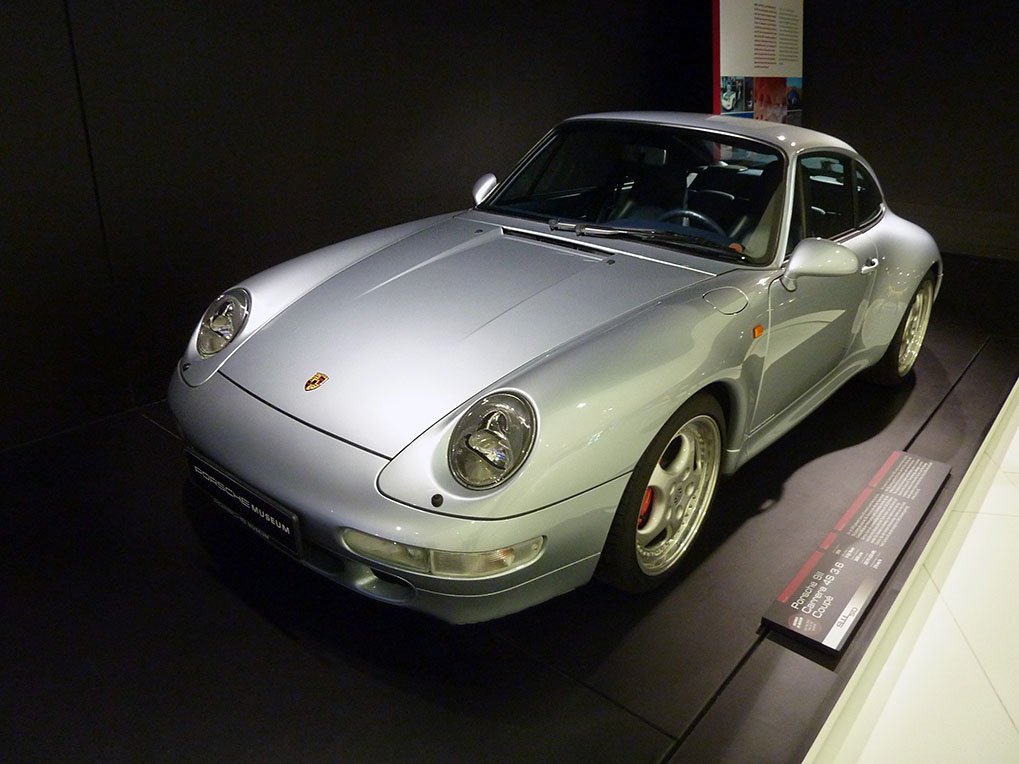
Type 993, 996, and the Modern 911
The exhibition did not stay locked in the classic era. It also carried the story forward into more recent 911 generations and related racing programs.
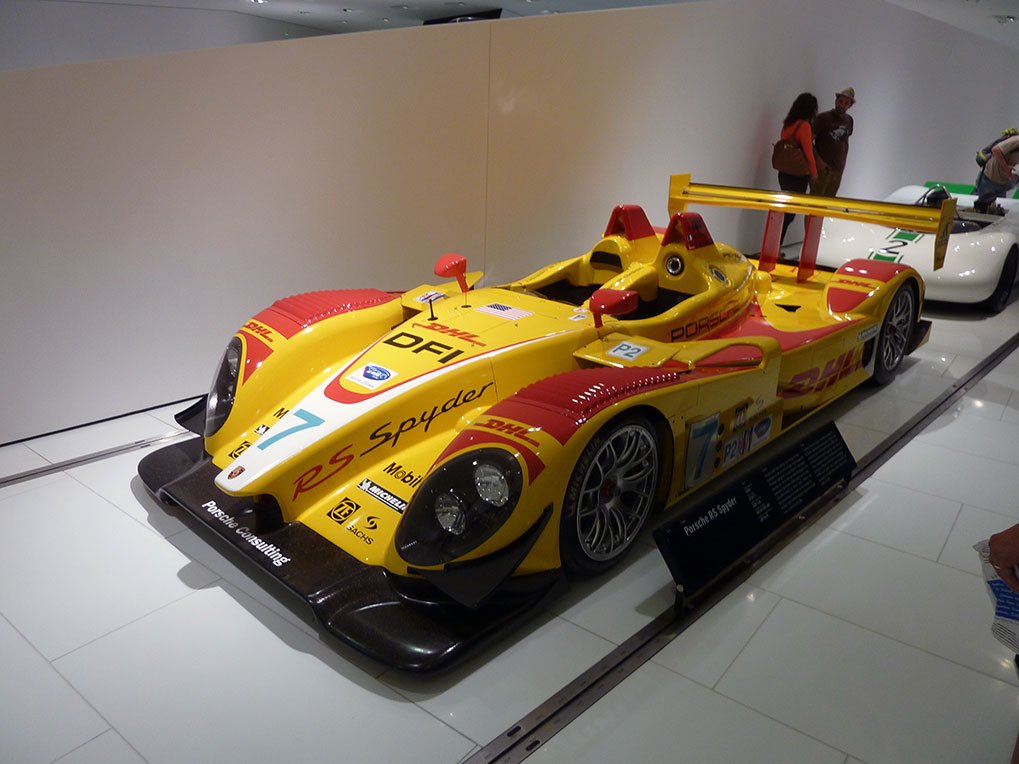
The 2008 Porsche RS Spyder, a Le Mans competitor, appeared alongside road-going 911s to remind visitors that Porsche’s racing and production stories have always overlapped.
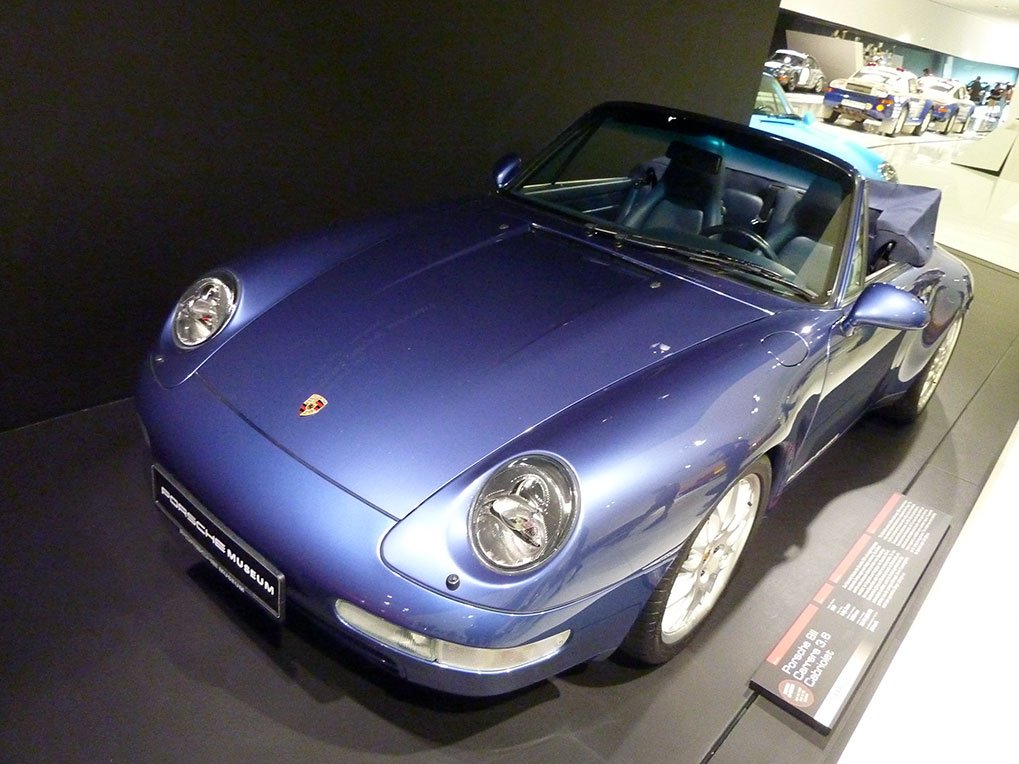
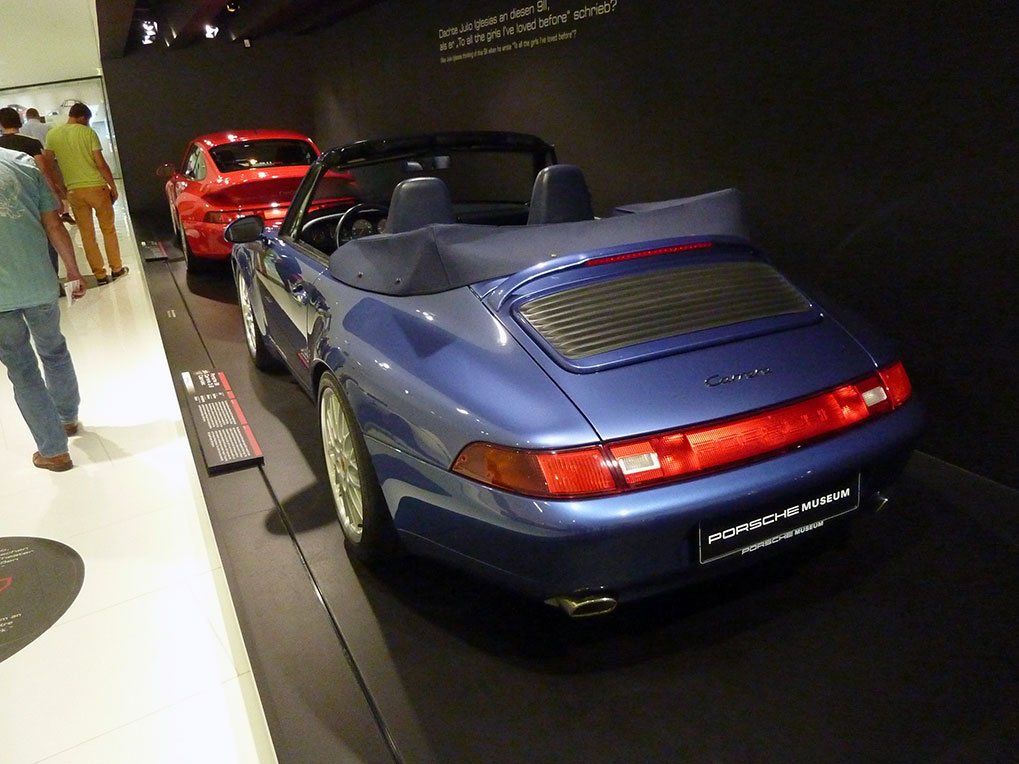
The Porsche 911 Carrera 3.6 Cabriolet represented the Type 993 generation.
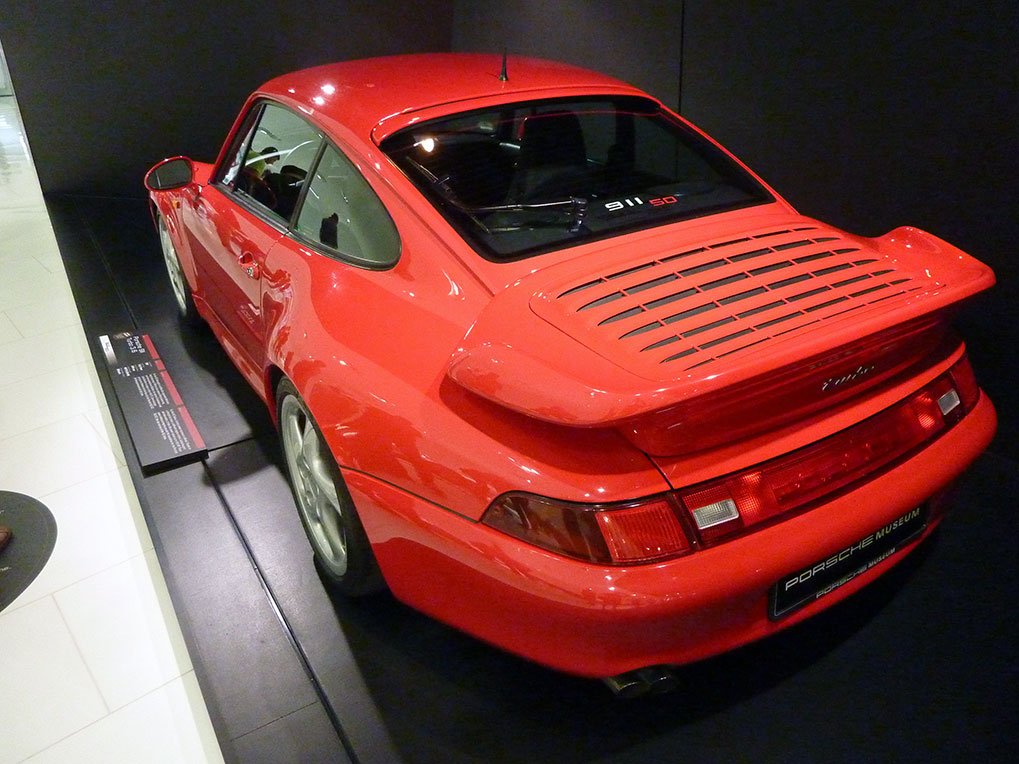
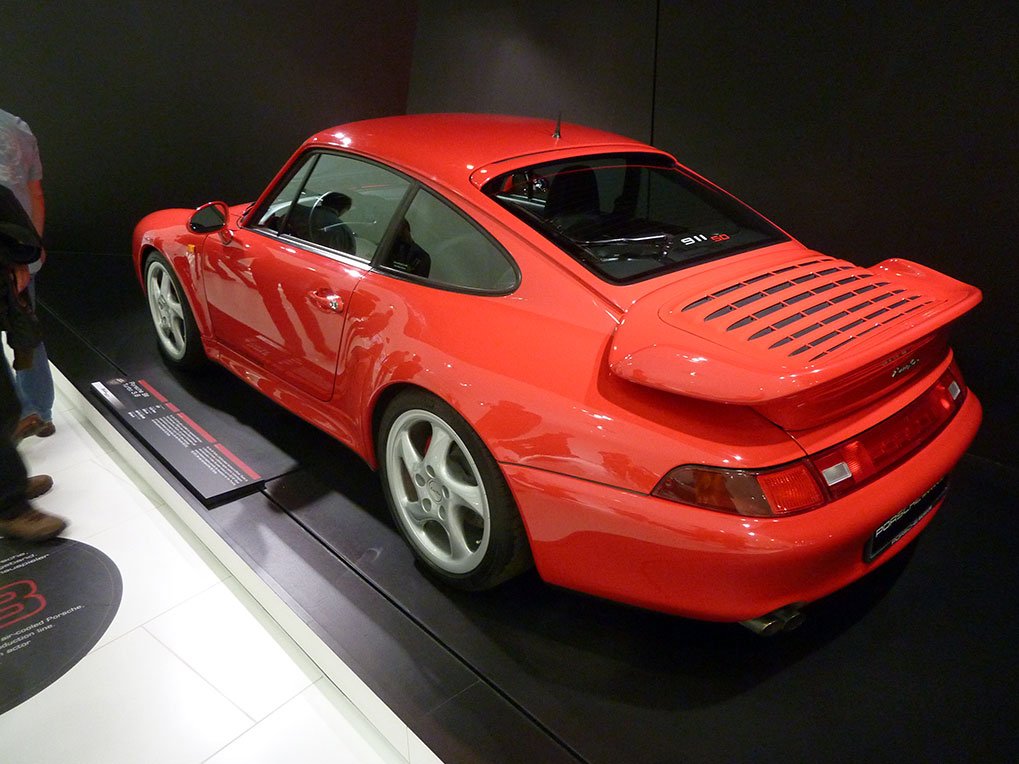
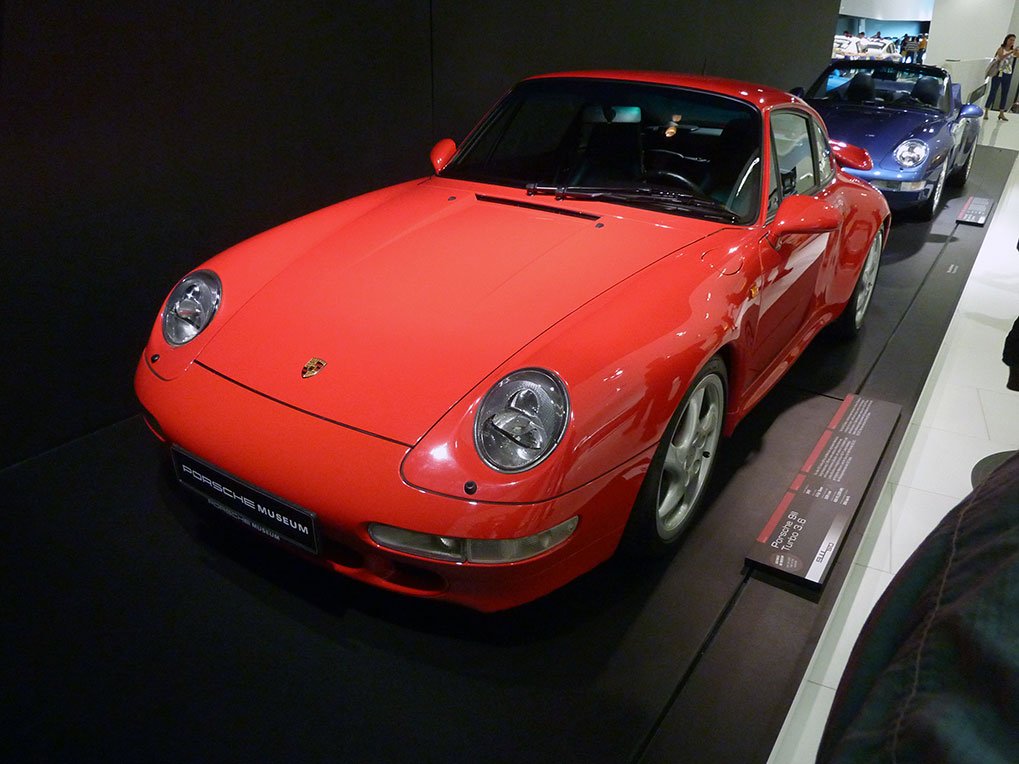
The 1997 Porsche 911 Turbo 3.6 pushed the formula further with all-wheel drive, twin-turbocharging, and a six-speed gearbox.
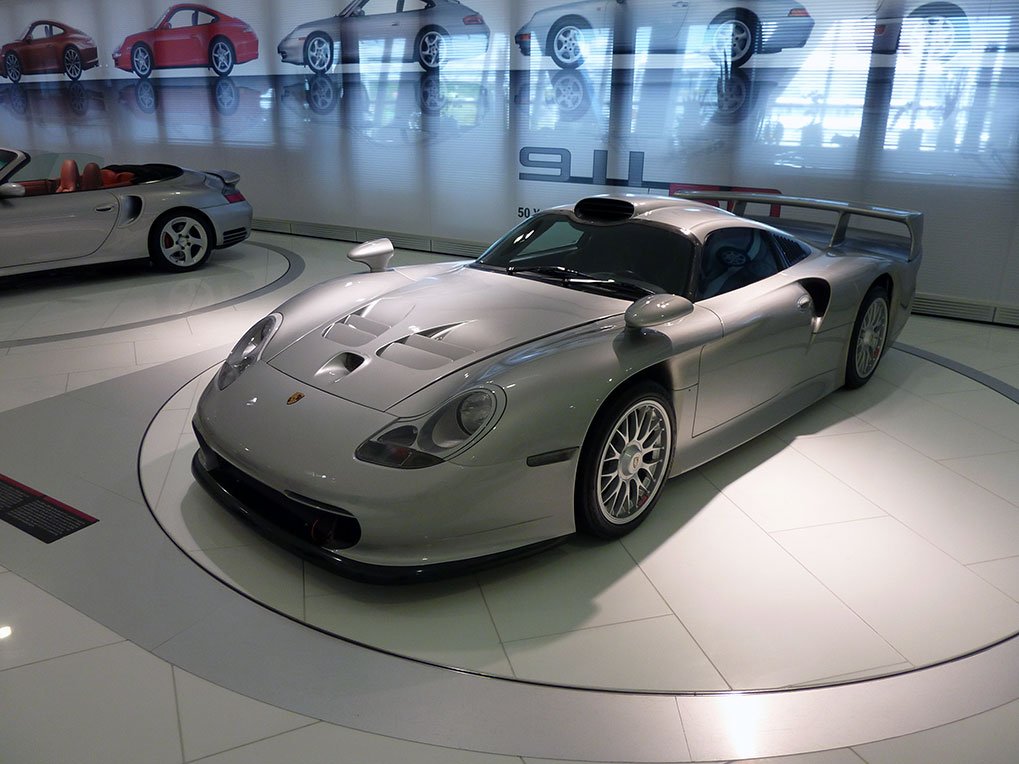
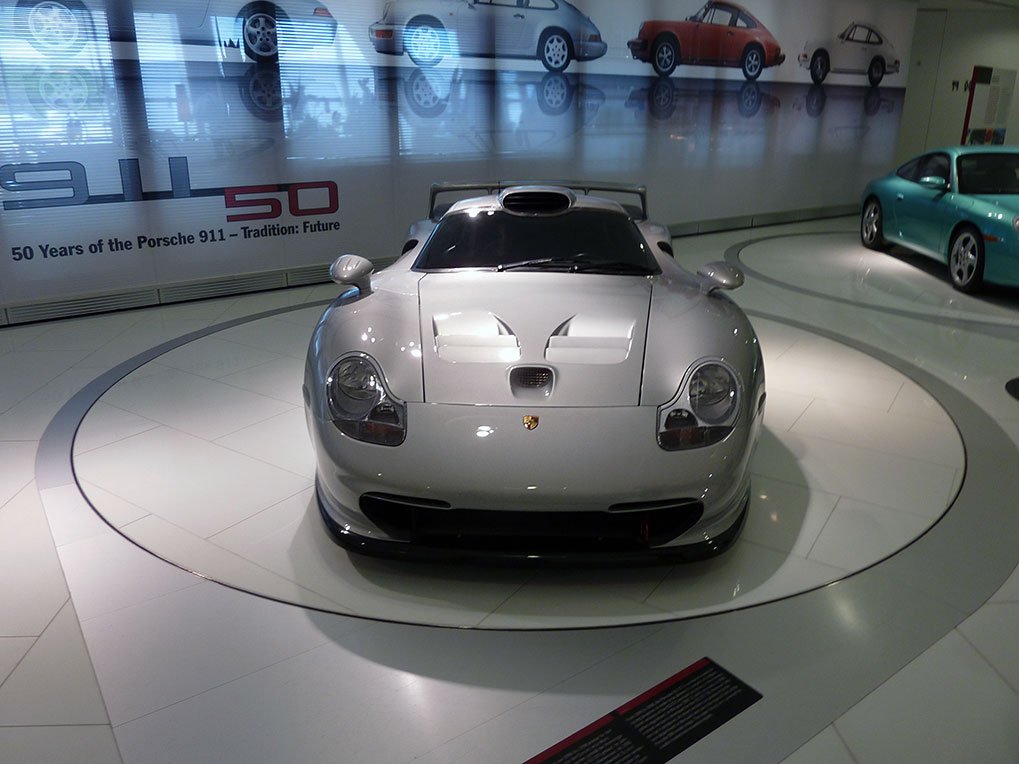
A true rarity followed: the 1997 Porsche 911 GT1 road version. Only 20 were built. When new, it sold for 1.5 million German marks. By 2012, one appeared on the market without even publicly listing the asking price.
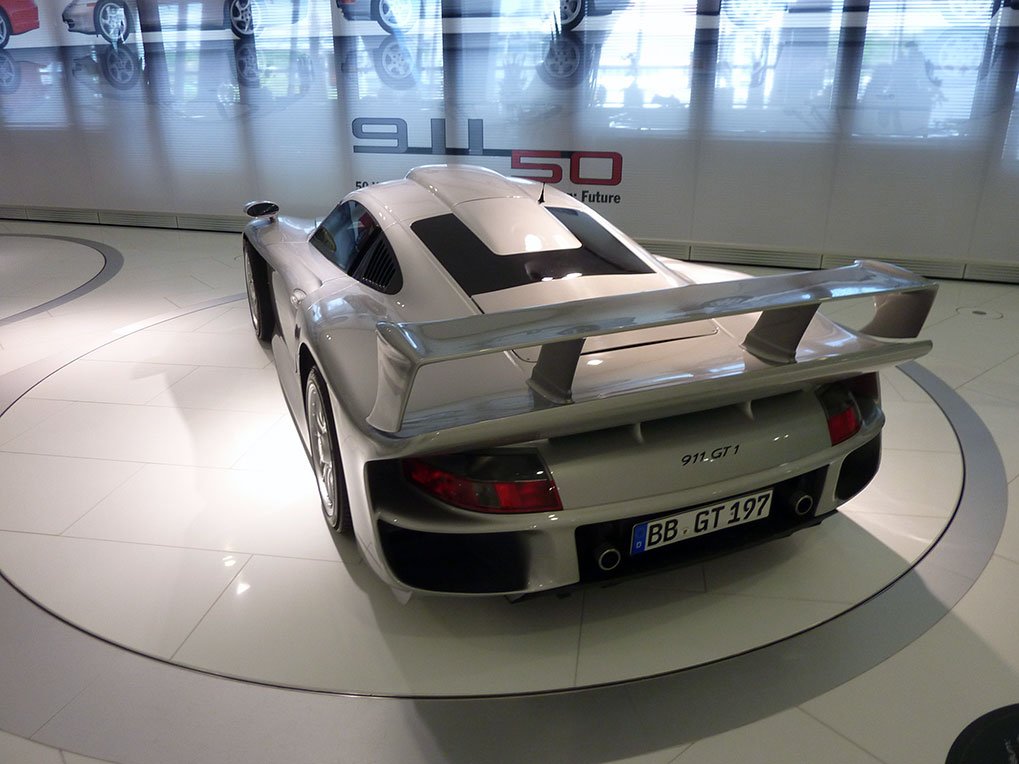
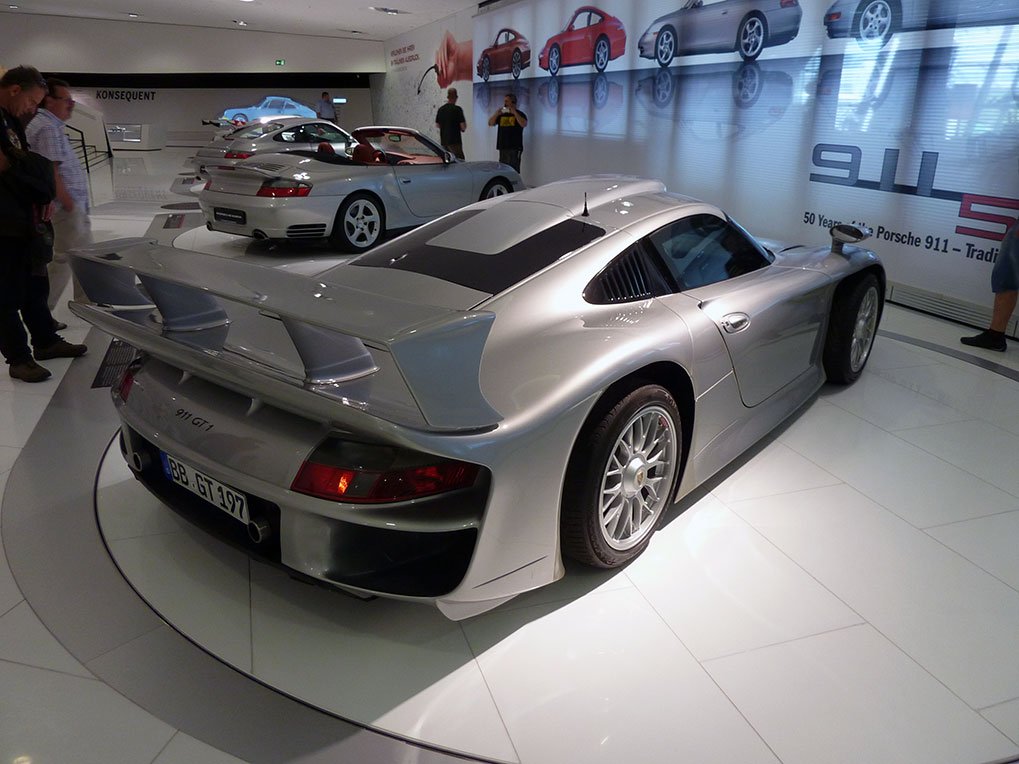
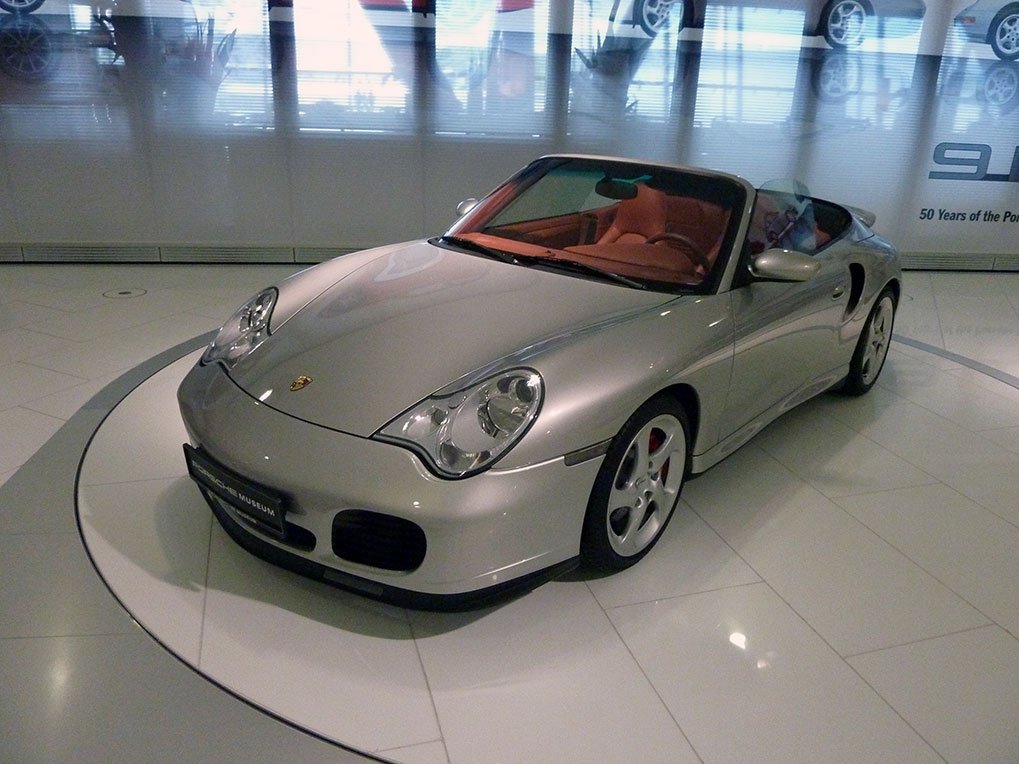
The Type 996 was represented by a 911 Turbo Cabriolet.
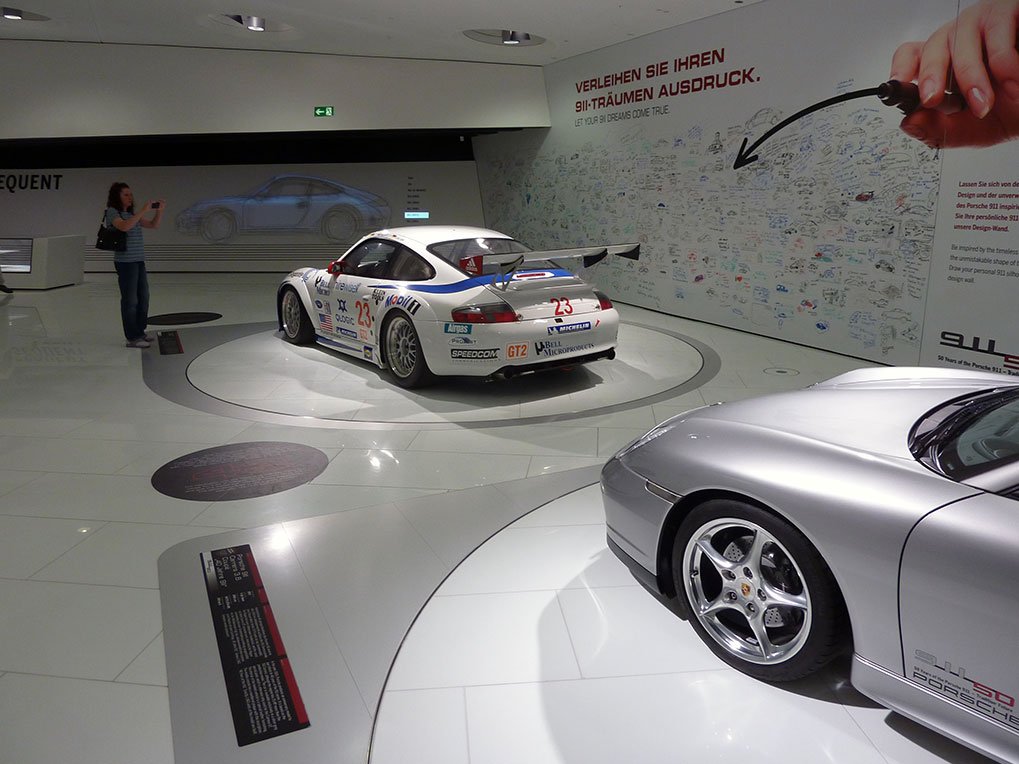
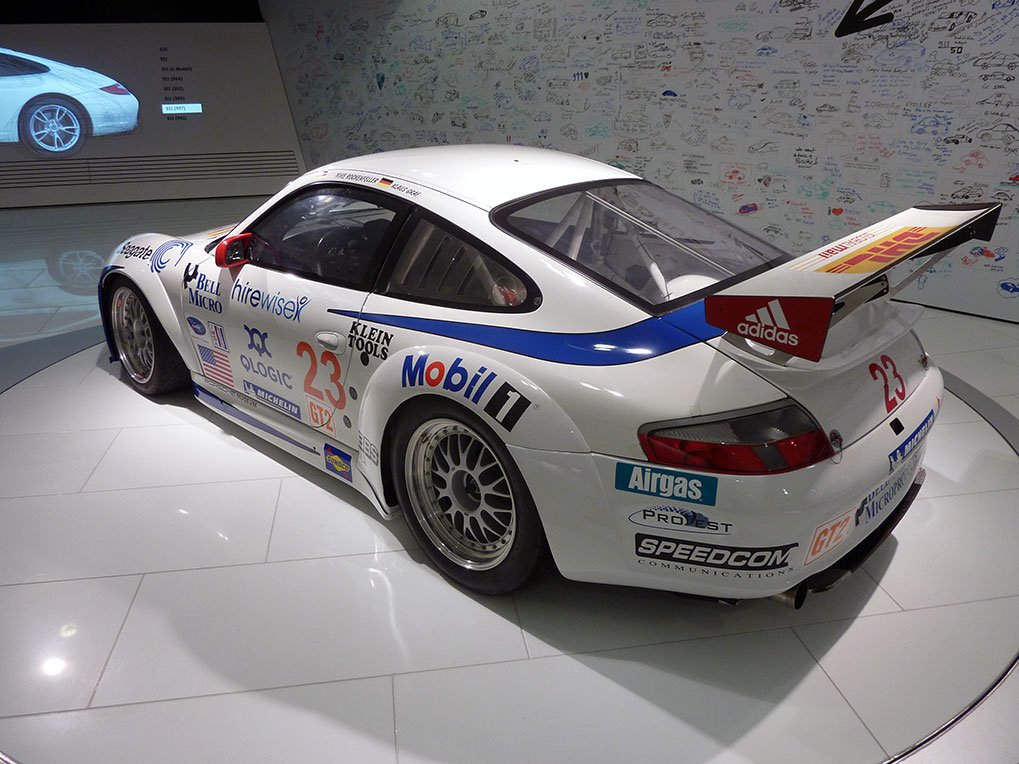
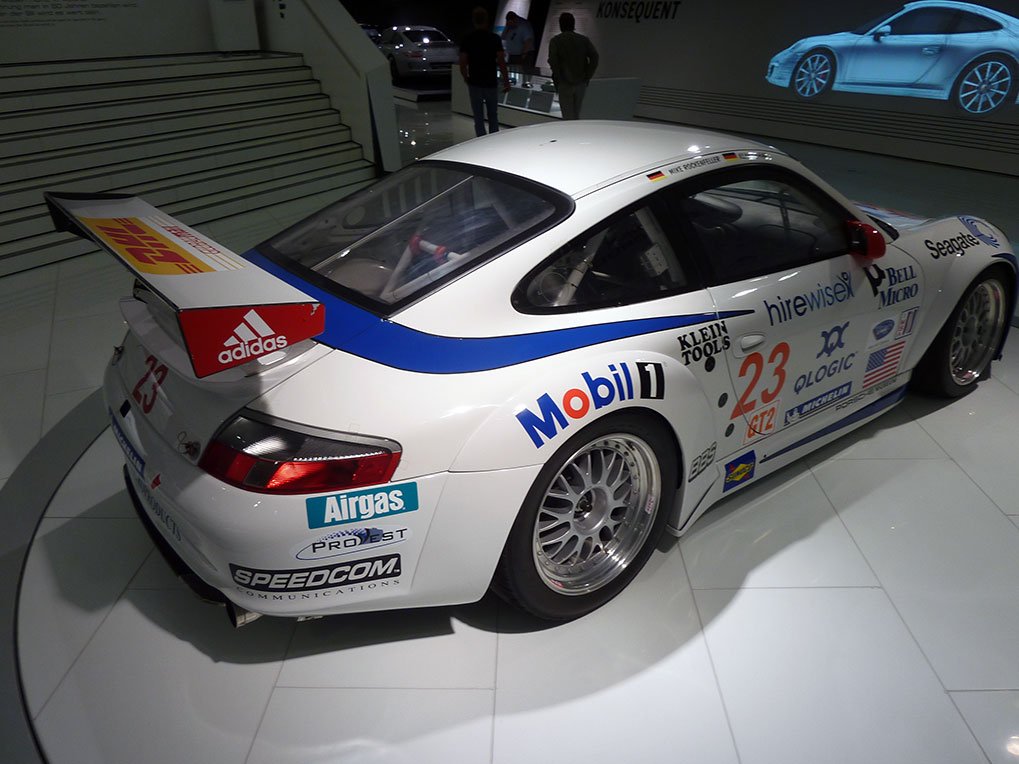
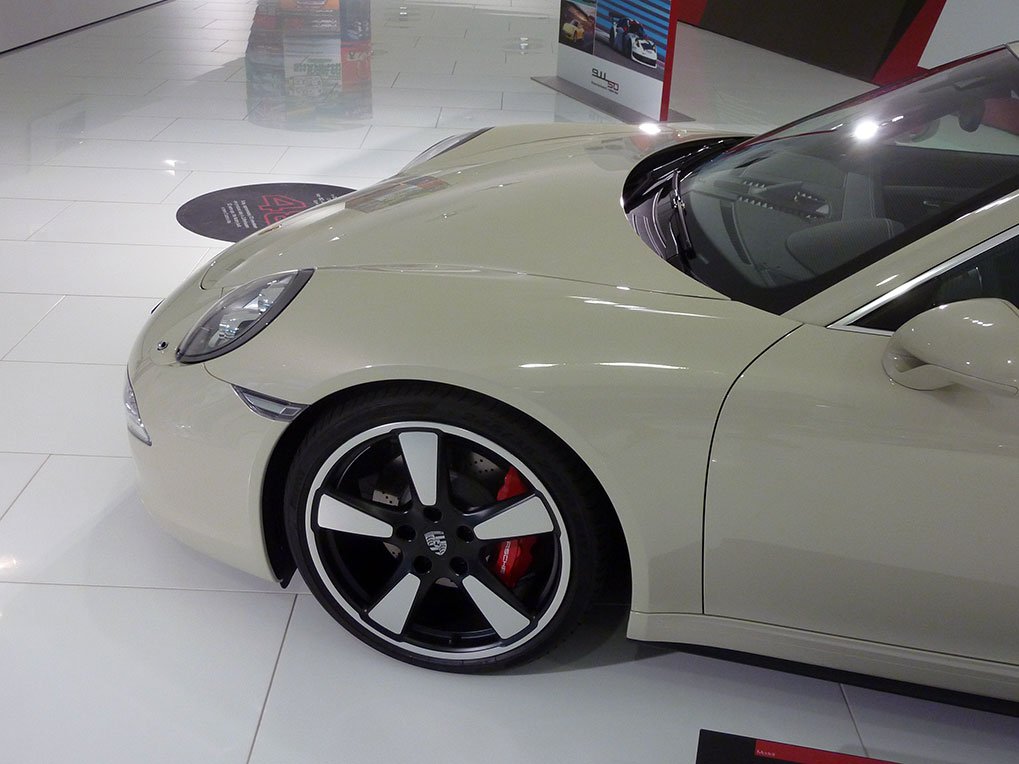
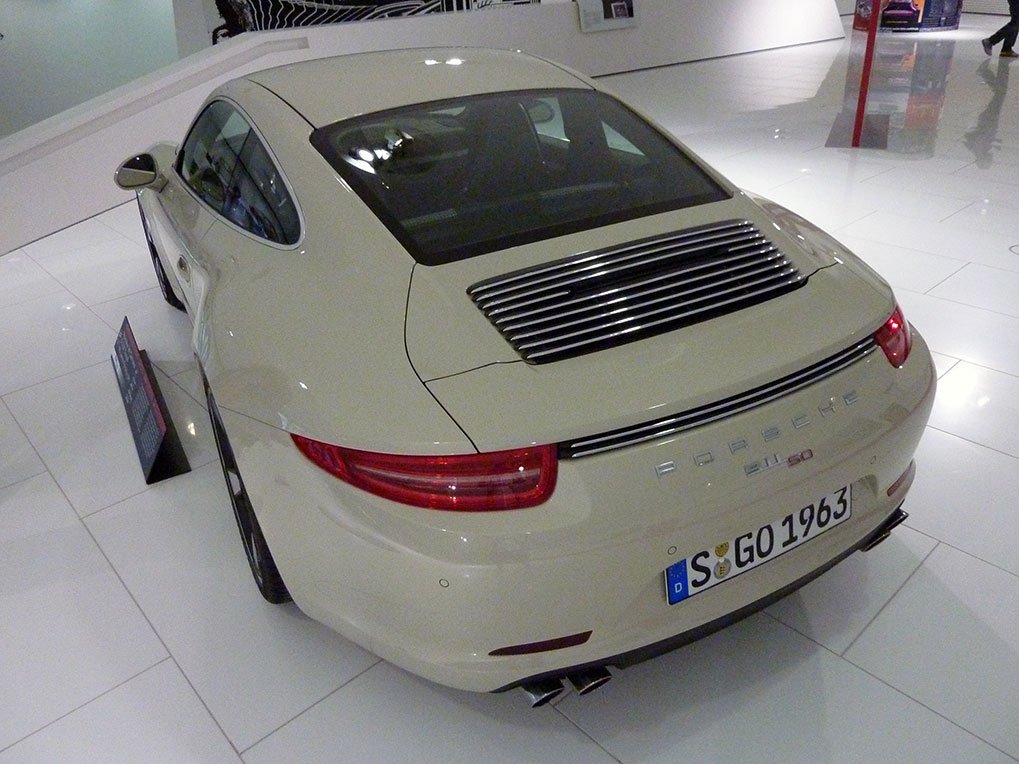
The anniversary itself, of course, was represented by the 2013 Porsche 911 “50,” based on the 991 generation. Special wheels, grille treatment, badges, and paint made it an unmistakable commemorative model.
The Evolution Wall and the Final Modern Highlights
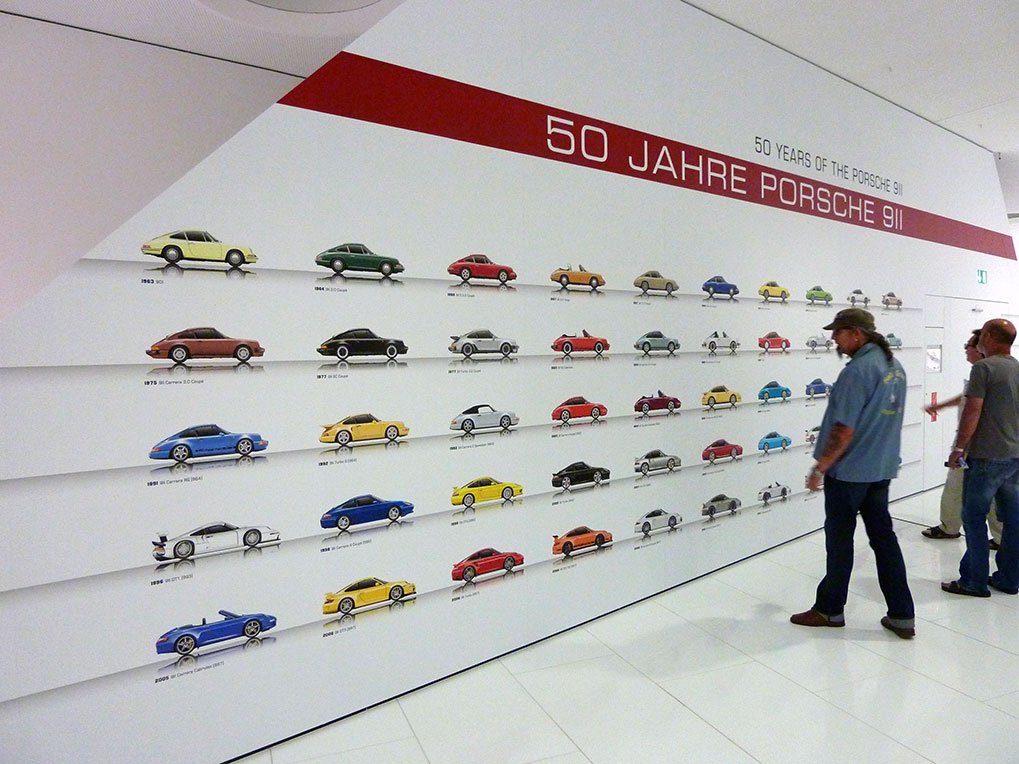
One of the strongest visual elements of the entire exhibition was the wall tracing the evolution of the 911.
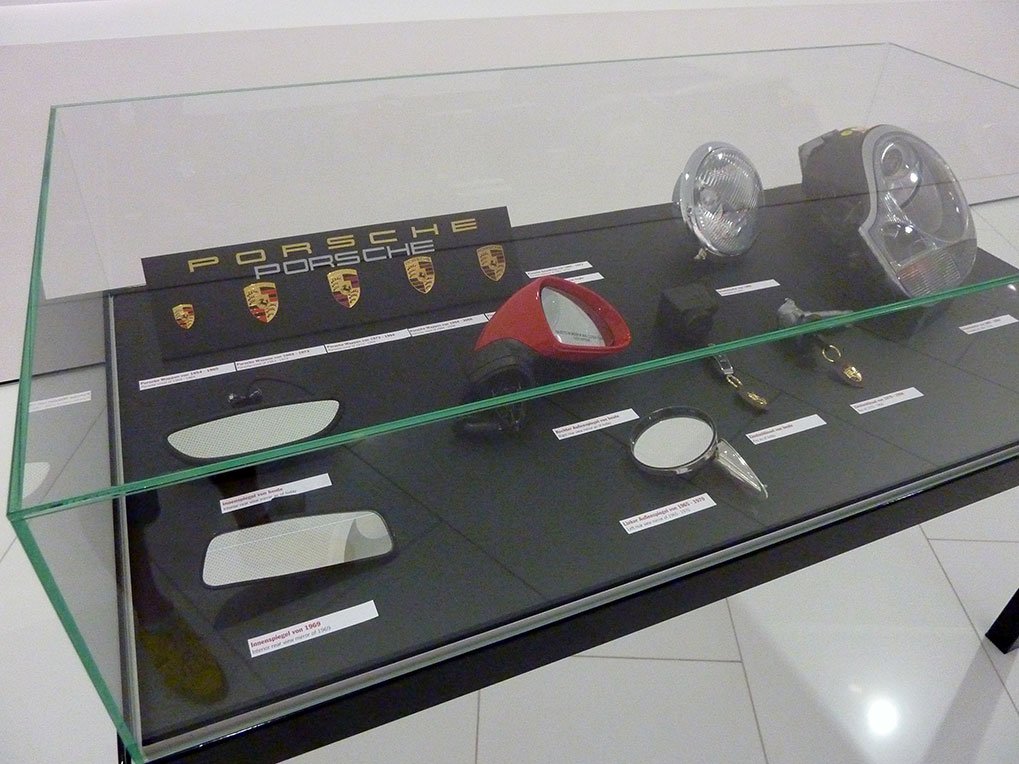
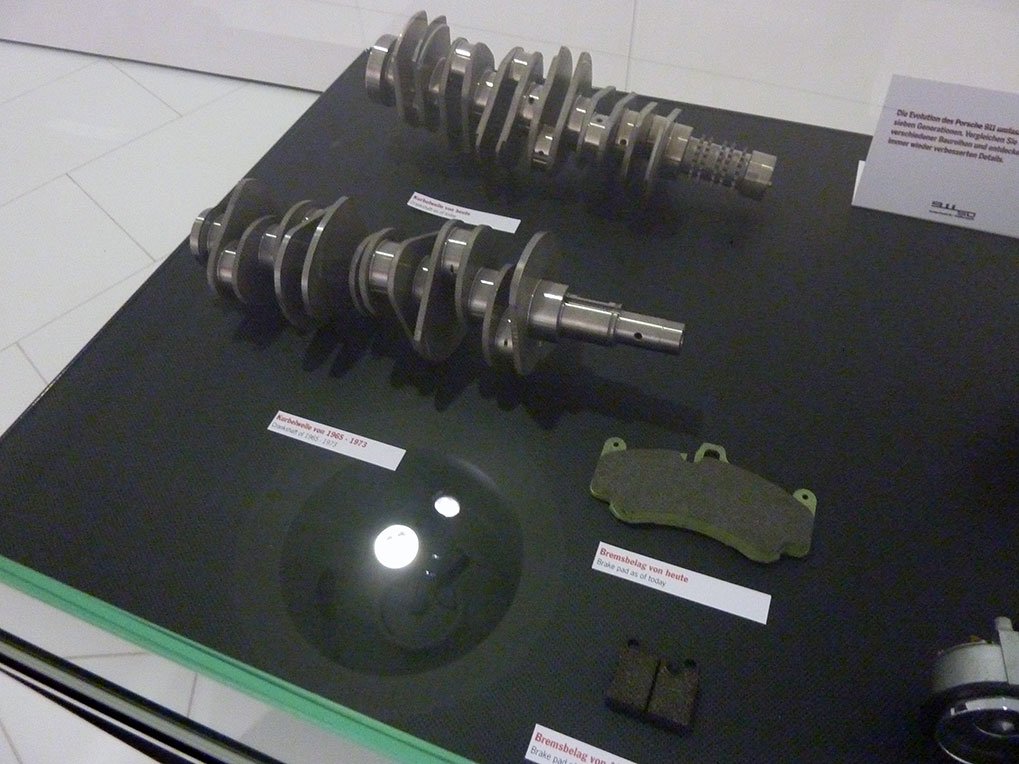
As in many top-tier museums, Porsche also included technical display stands showing how specific components and assemblies had changed from 1963 to the present day.
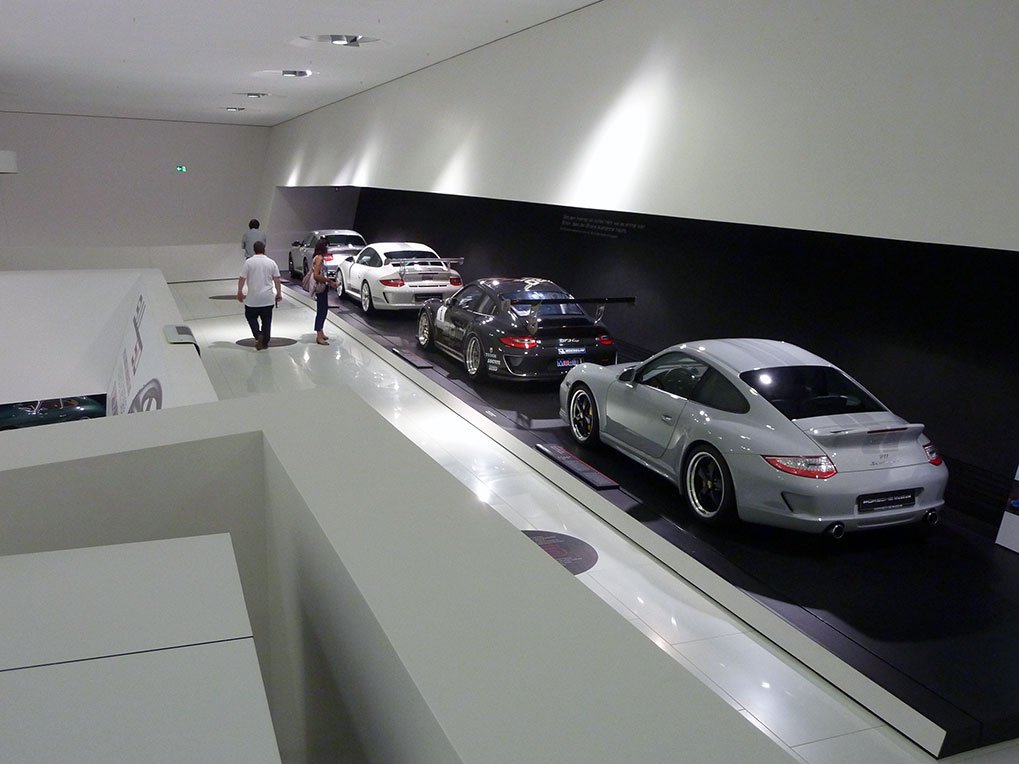
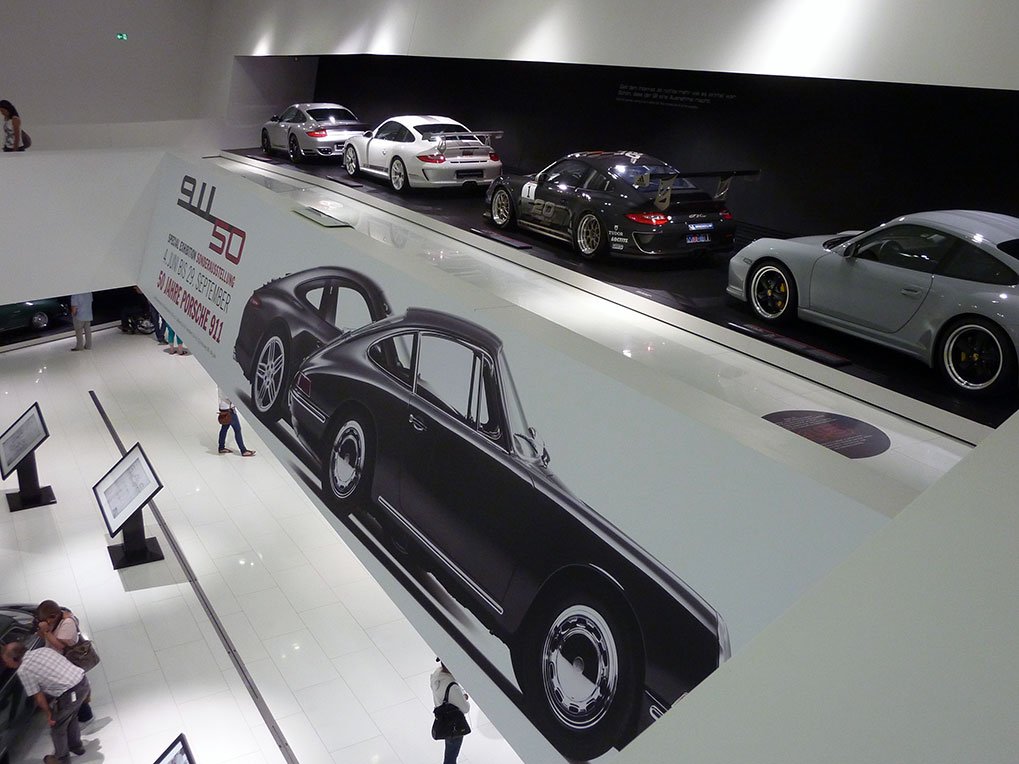
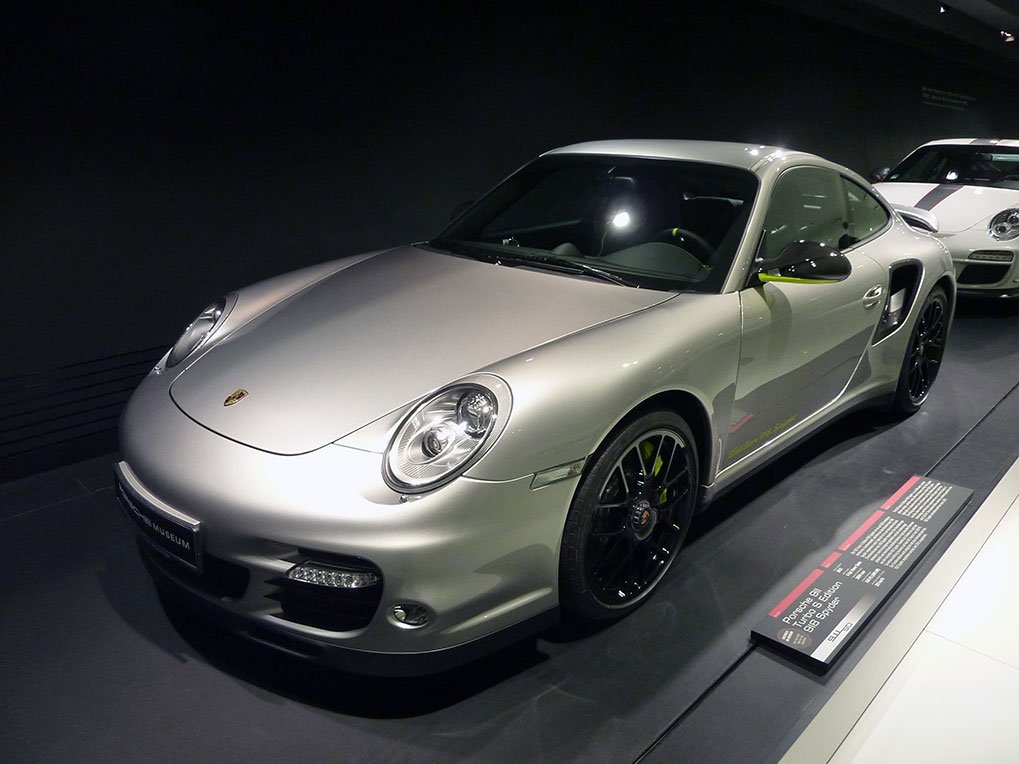
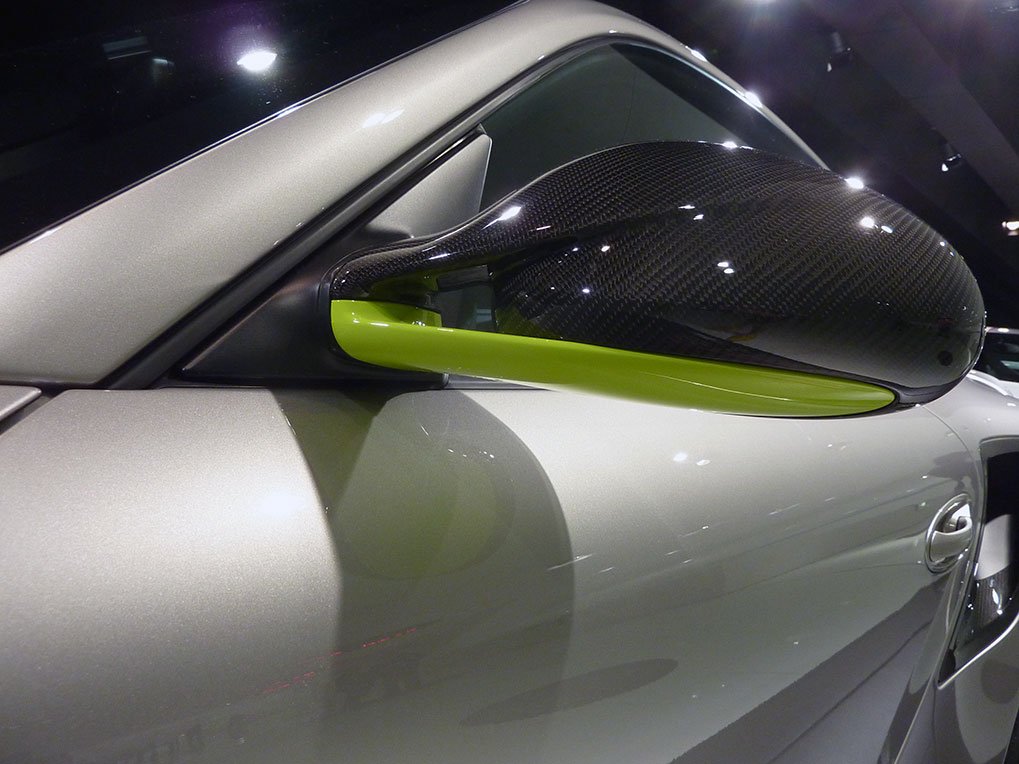
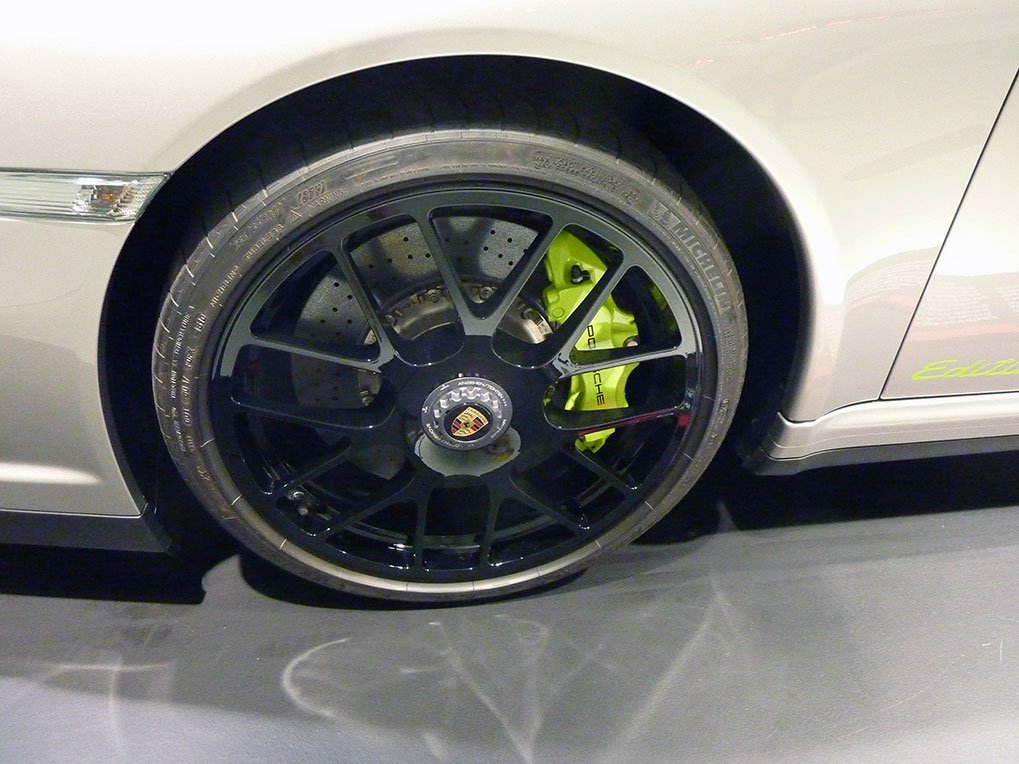
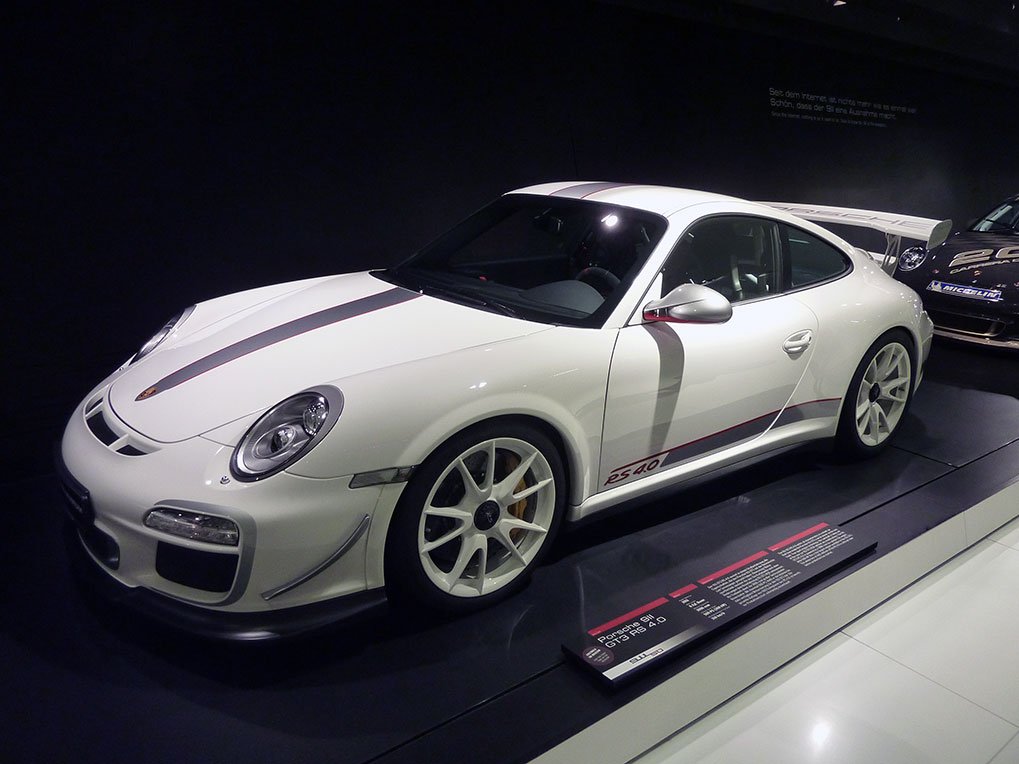
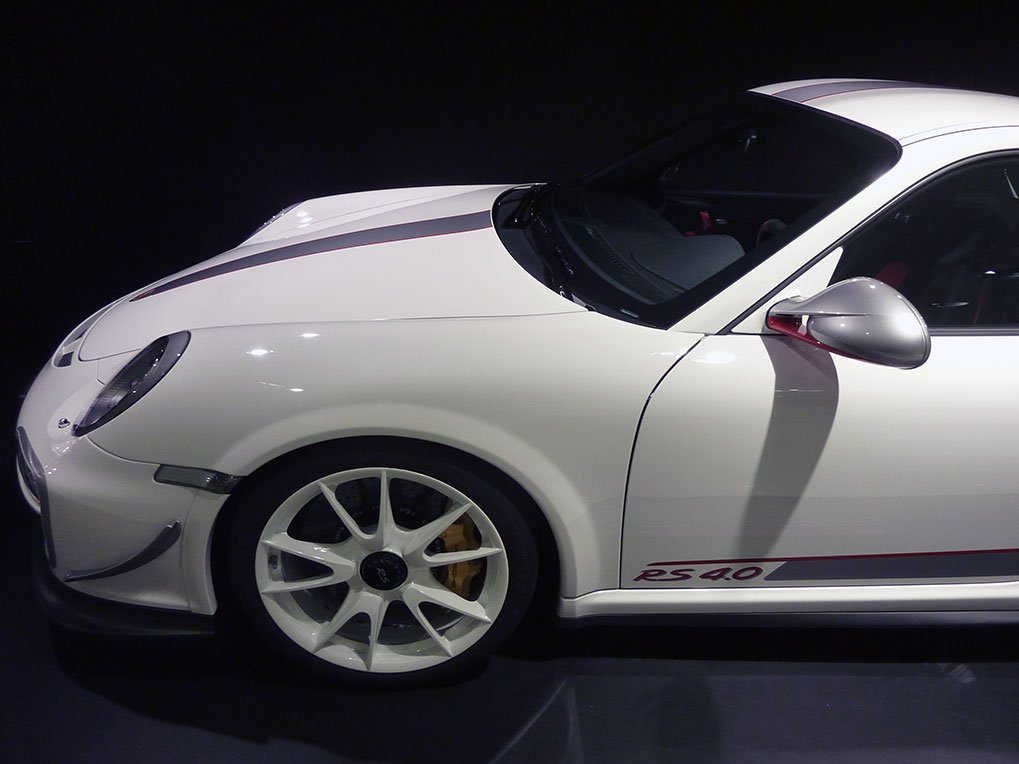
Among the final modern cars were the 2012 Porsche 911 Turbo S Edition 918 Spyder and the 2011 Porsche 911 GT3 RS 4.0.
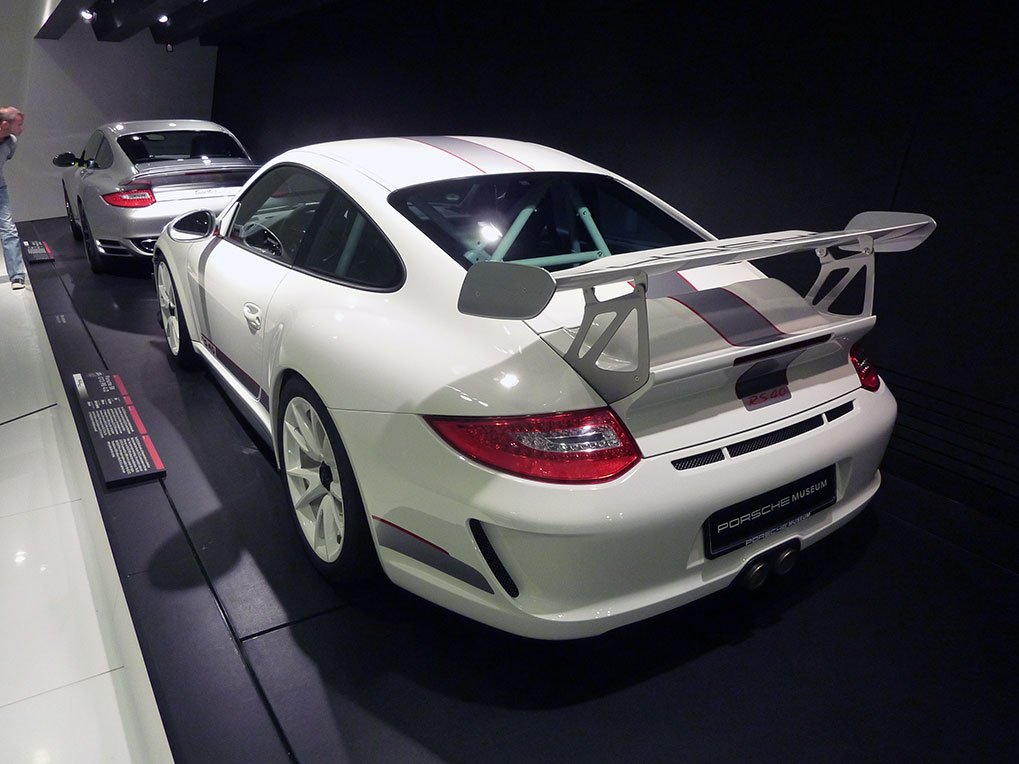
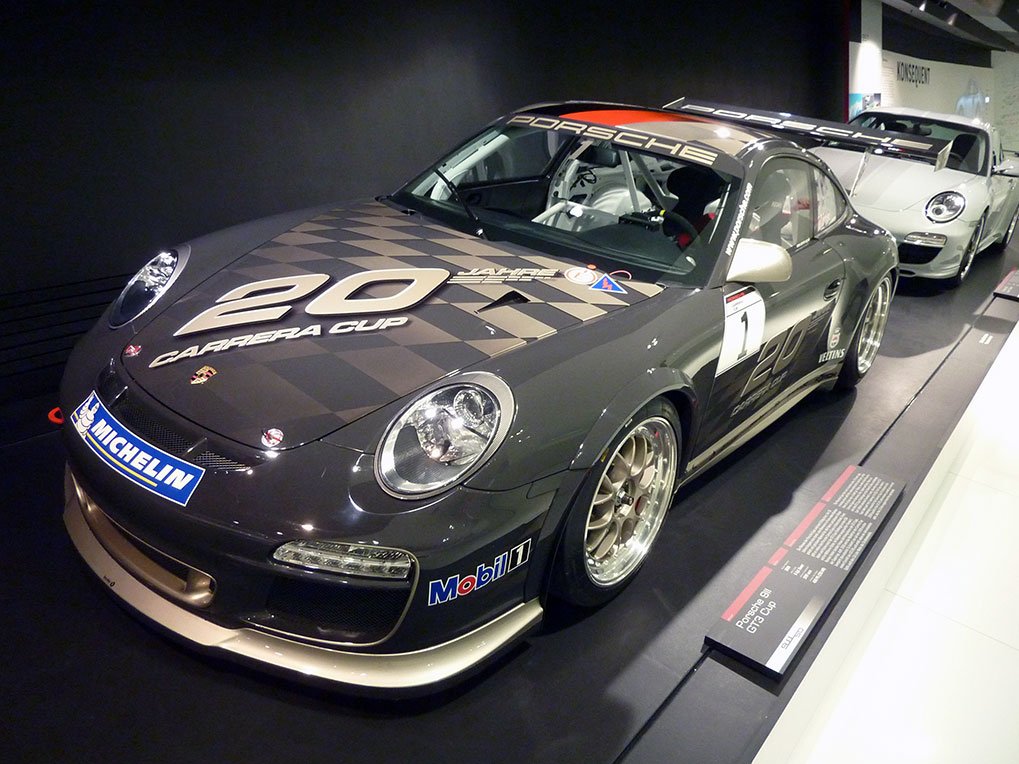
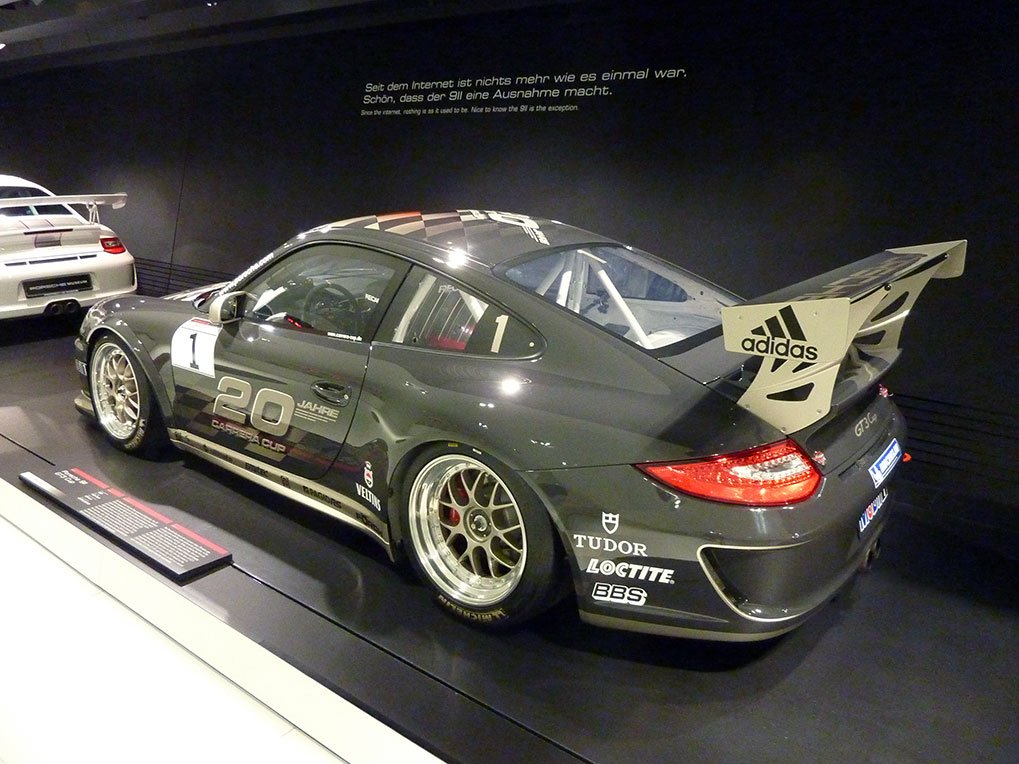
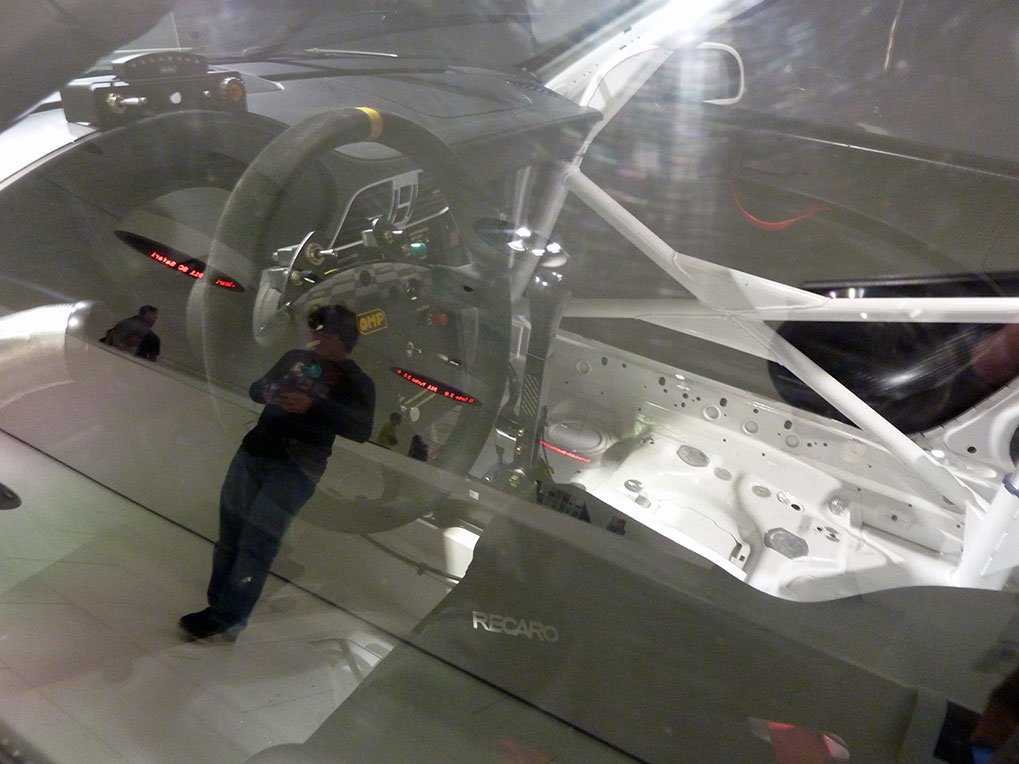
The 2010 Porsche 911 GT3 Cup marked 20 years of the Porsche one-make cup series.
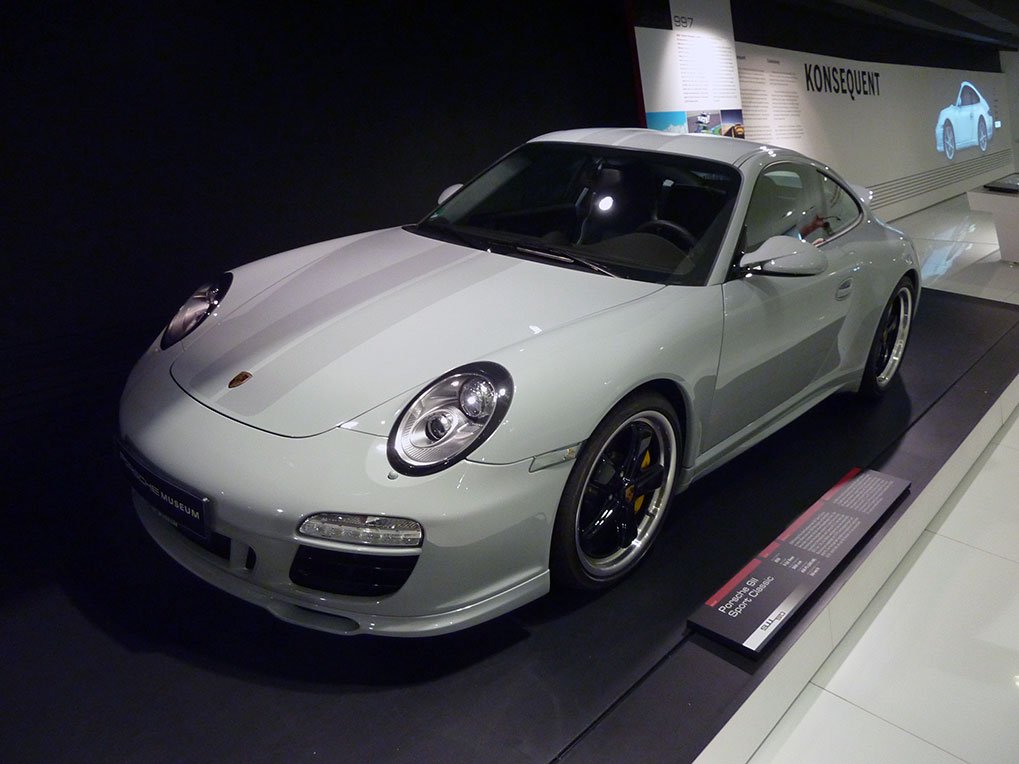
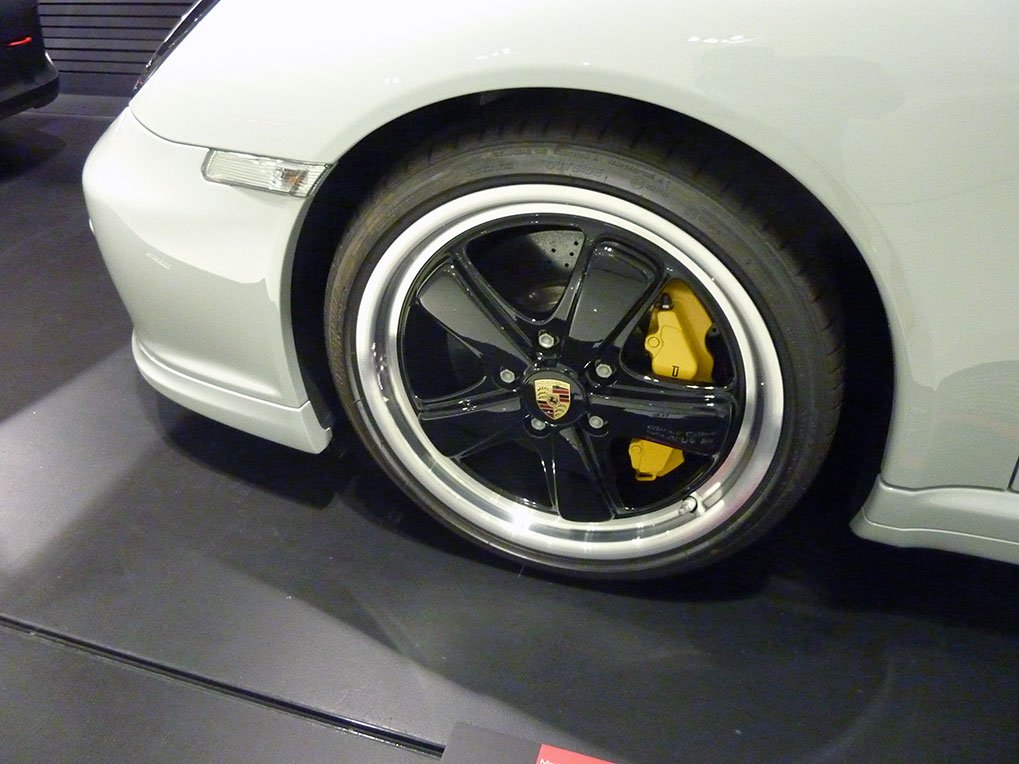
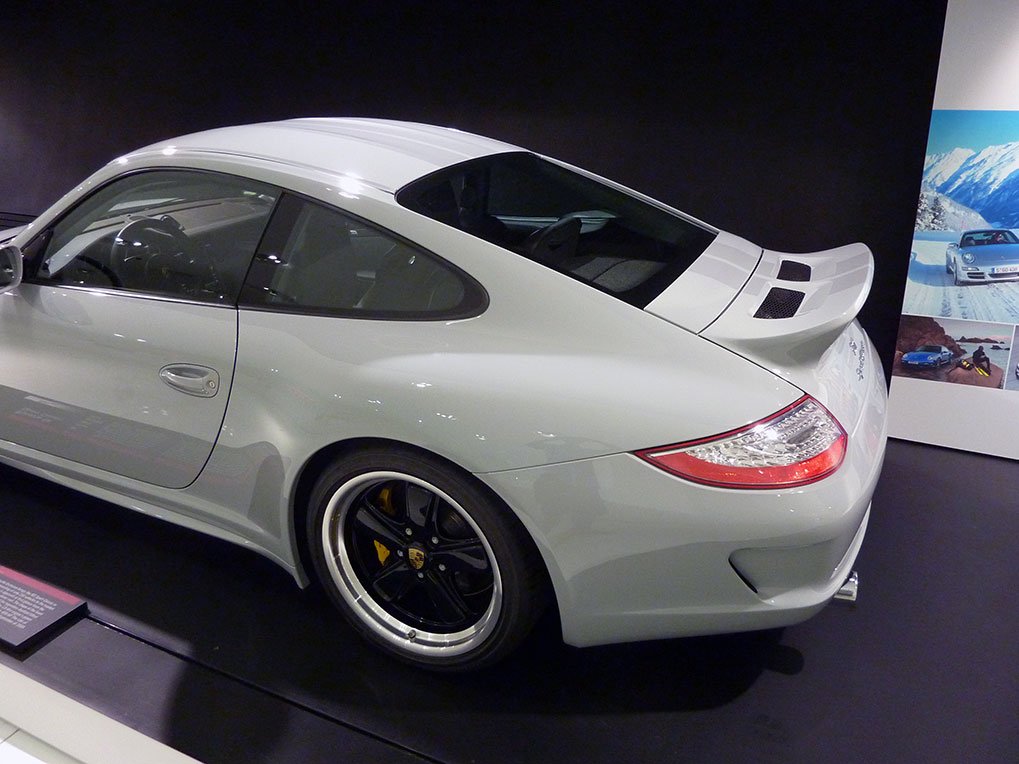
The 2010 Porsche 911 Sport Classic was built in a limited run of 250 cars for devoted marque enthusiasts. Its double-bubble style roofline, ducktail-inspired spoiler, special paint, and Fuchs-style wheels made it one of the most self-aware retro-modern 911s Porsche had produced.
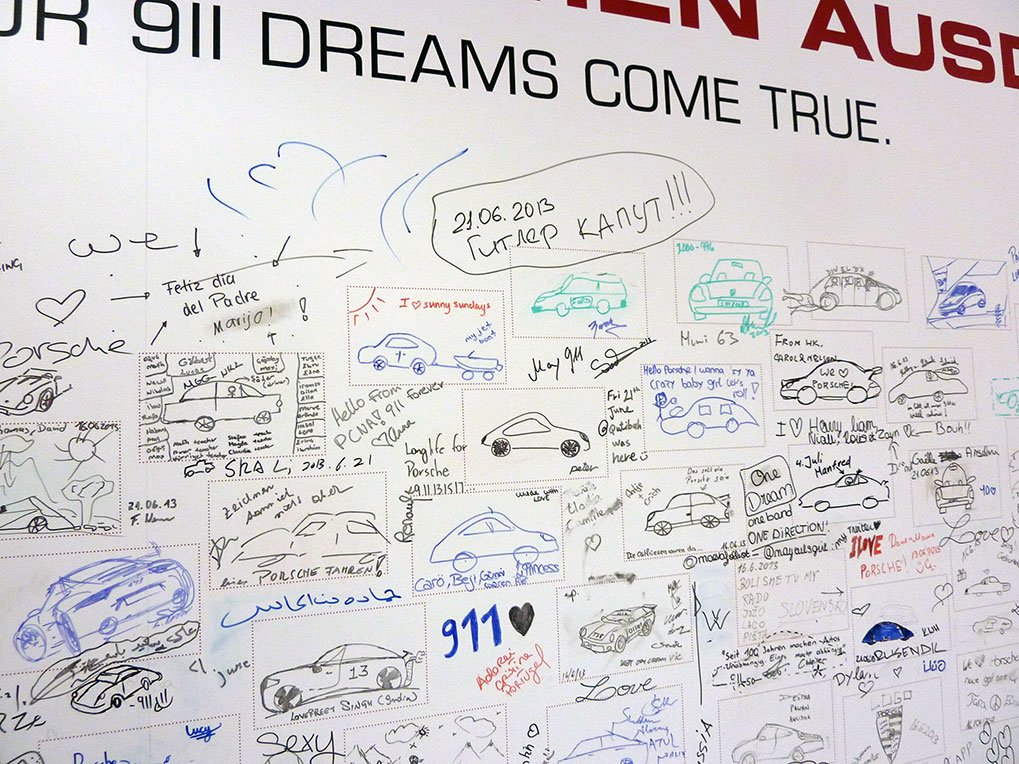
The exhibition ended with a wall for signatures.
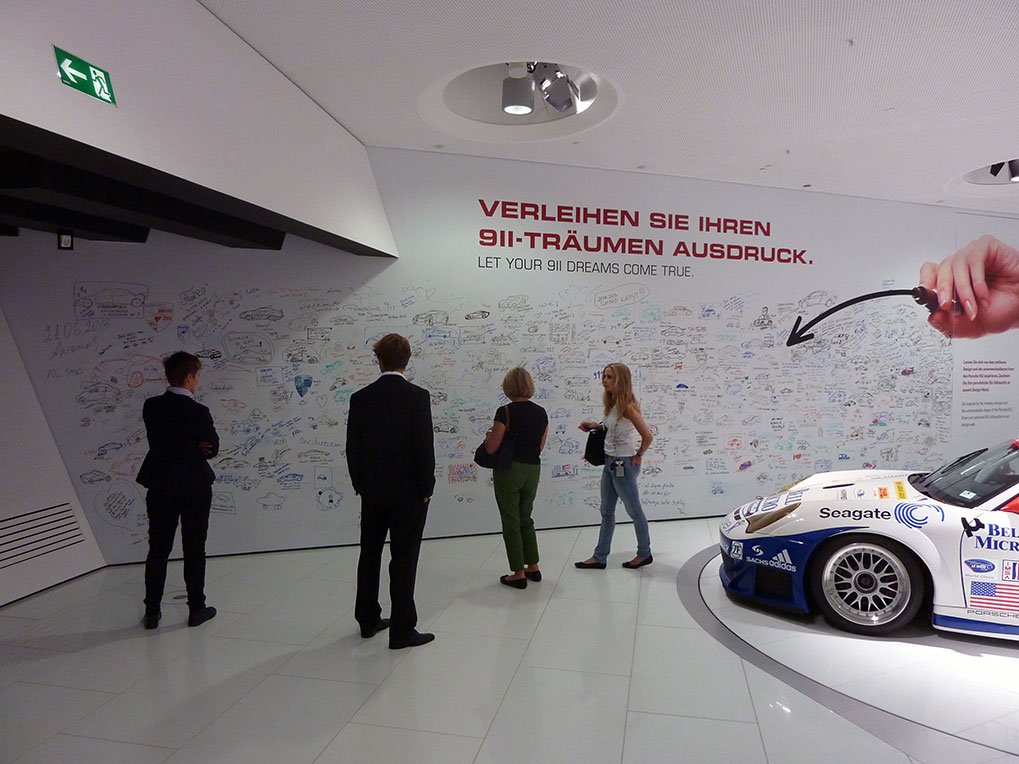
As usual, not every visitor contributed something graceful.
Leaving the Museum
With that, the visit came to an end.